Planting Potatoes Made Easy!!

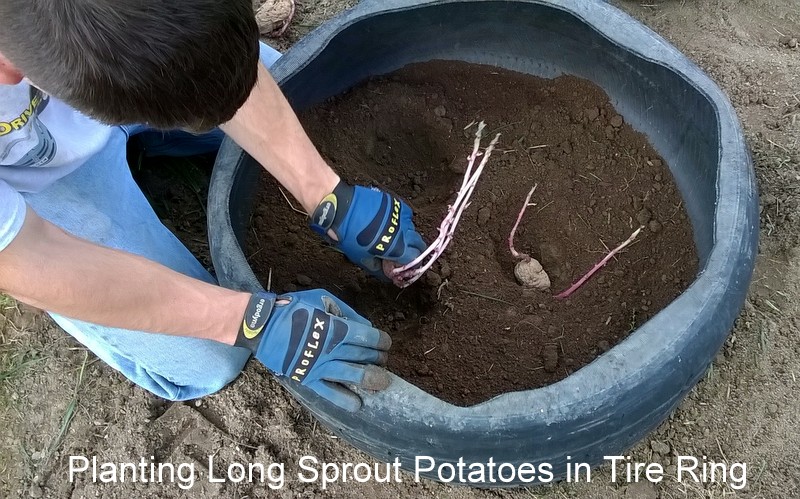
Planting potatoes using the long sprout method (allowing the seed potatoes to develop long sprouts prior to planting) is another way to get bigger yields of potatoes. Irish potatoes are actually modified stems. The longer the stems, the more surface area for potatoes to form. This method produced a tremendous yield of red skinned potatoes.

WP_20150425_10_01_11_Pro

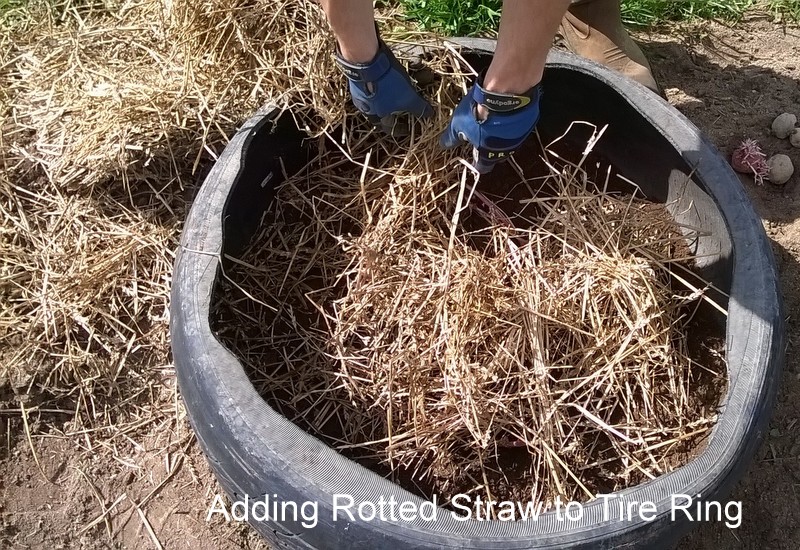
I used compost mixed with rotted wheat straw as my growing medium. More rotted wheat straw was added to fill the tire ring.

WP_20150425_10_02_17_Pro

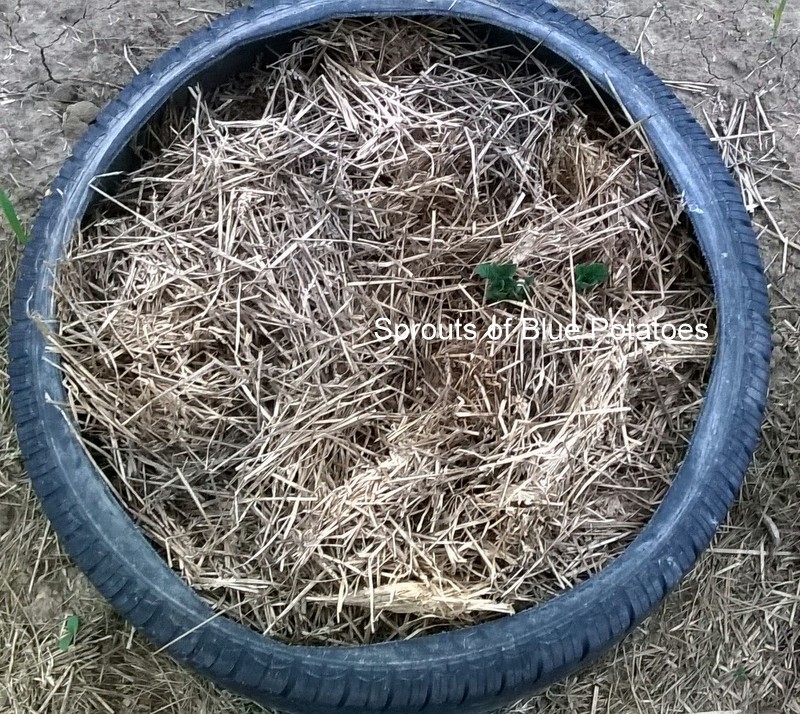
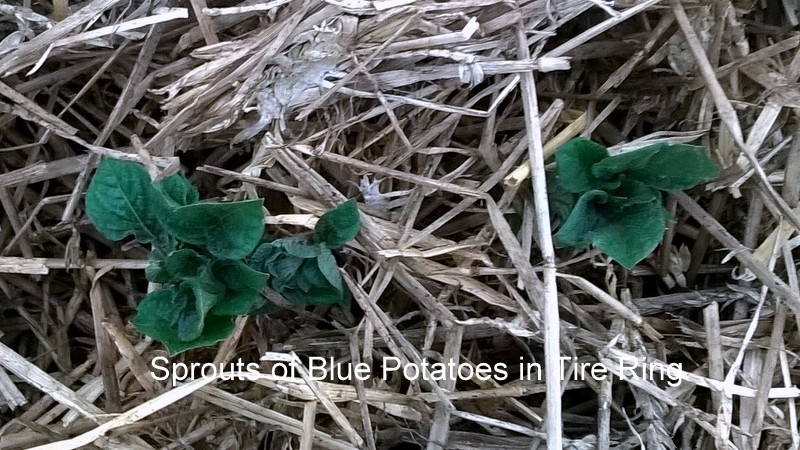
Now the sprouts are popping out above the straw.

WP_20150513_19_40_53_Pro     WP_20150513_19_41_01_Pro

Soon I will be adding another tire ring as the sprouts grow longer.

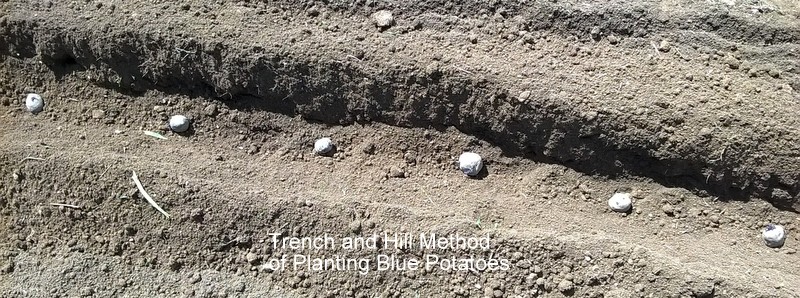
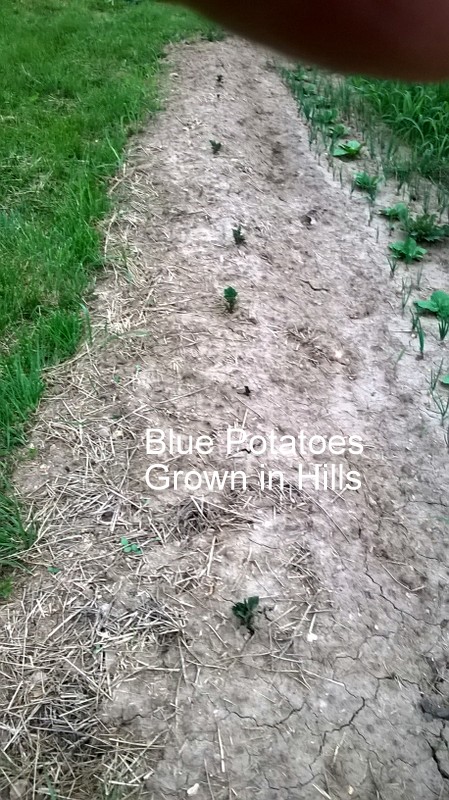
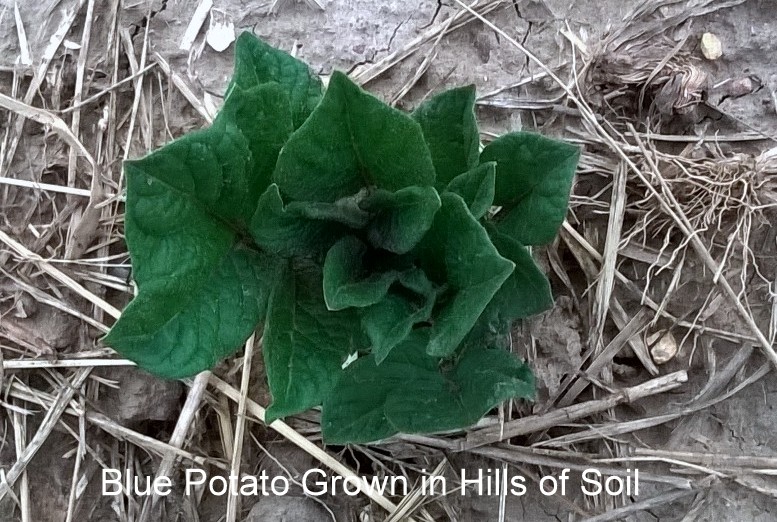
Here is another method of planting potatoes. It is called the trench and hill method. Till your soil and open a trench or furrow. Plant the seed potatoes about a foot apart and hill up the soil, compost and rotted wheat straw over the trench and watch them grow!

WP_20150425_11_30_51_Pro   WP_20150513_19_41_13_ProWP_20150513_19_41_36_Pro

I can hardly wait to experience these blue potatoes!

Papa

The Squash Vine Borer is your Enemy and Here’s How to Defeat Them.

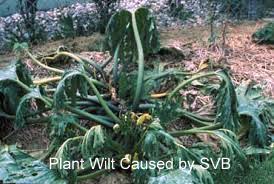
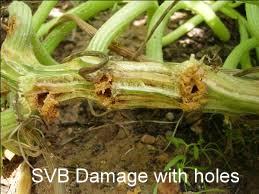
You’ve started your summer squash and zucchini. The plants look great! A couple of weeks later, the plants start to wilt and some die. What did I do wrong? After careful observation, you notice there is something that looks like wet sawdust at the base of the plant. Plus, you see small holes in the bottom stem. What is going on?

SVBwilt  SVBdamage

Your enemy is the Squash Vine Borer!! (SVB)

svb

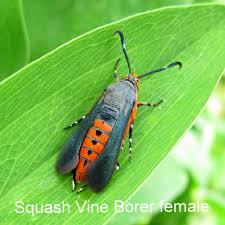
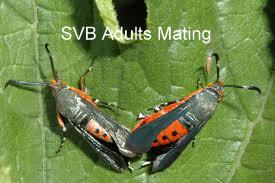
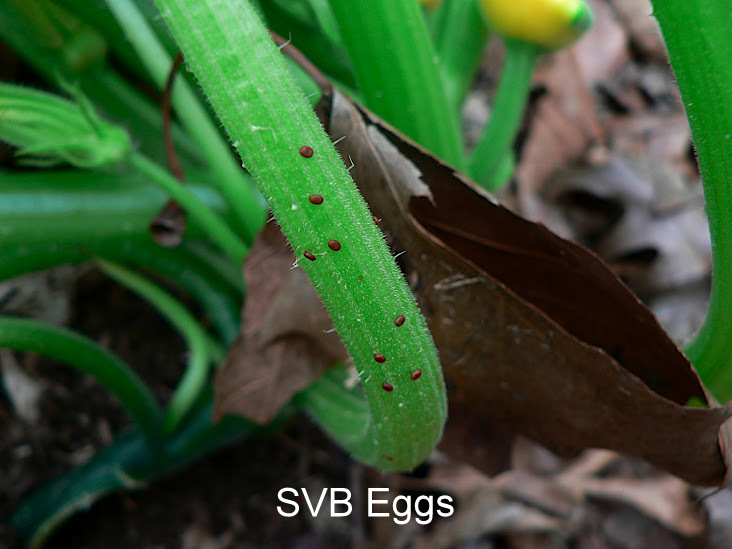
The female Squash Vine Borer moth (Melitta curcurbitae) lay brown eggs especially on the stems, just above the soil line.

squash-vine-borers-3-sm  SVB1SVBmating   SVBeggs2

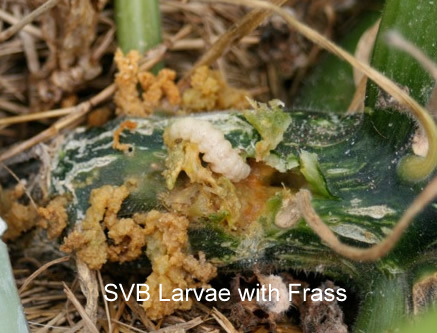
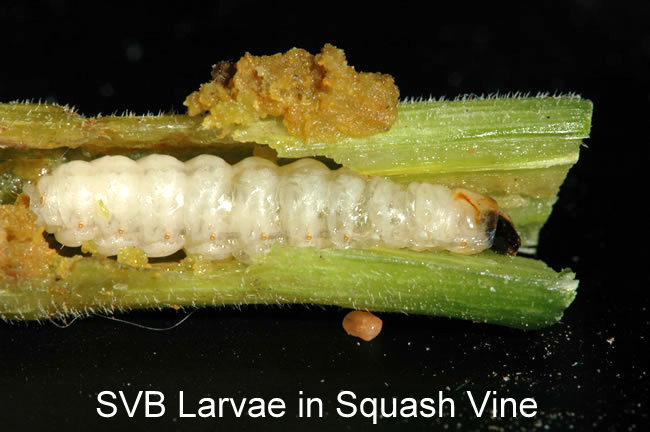
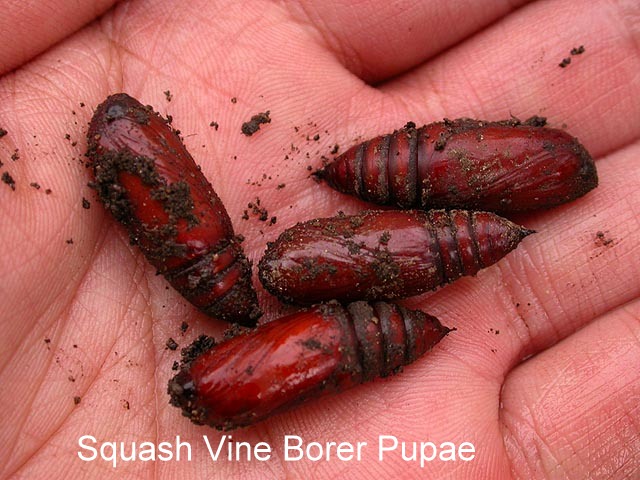
Eggs hatch in 10 days. Once the eggs hatch, they immediately enter the stem, leaving a small hole at the place of entry surrounded by frass (moist sawdust like debris). The larvae (white caterpillars with brown heads) bore into the stem and remain until maturity before pupation (the transformation of the larvae to a pupa(in a cocoon)). They will now stay in the soil (usually 1″-2″) and over winter .

squash-vine-borers-4    SVBmoth_pupae

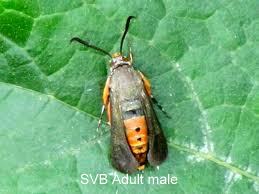
Squash Vine Borer moths emerge from the ground from early spring through mid-summer. The moth looks like a wasp and is a half inch long. The wings are clear and look like a windowpane. Unlike other moths, this one flies during the day and makes a buzzing sound.

Now that you have identified the enemy, what are your weapons of warfare?

  • A preemptive strategy would be to use a floating row cover (sheer, light weight fabric that is placed over a crop to protect from insects). It is secured in place to prevent insects from damaging the crop. The row cover is put on at the time of planting until the plants begin to flower. Squash crops require insect pollination.
  • Monitor by using a yellow colored bucket trap with water, placed near the newly planted squash plants. The yellow color attracts the moths.  Traps must be checked daily. Once you’ve found moths in the traps, start looking for stem damage. This indicates the female moth is out laying eggs.
    • SVBtrap
  • Create a barrier on the lower stem by using materials such as aluminum foil. Wrap the foil around the lower stem to confuse and prevent the moth from  laying eggs.
  • Plant a trap crop of early planted Hubbard squash three (3) weeks prior to planting your preferred squash crop.
  • Use succession planting (weather permitting). Have fresh transplants ready to go. A late crop planted after SVB pressure may offer a harvest. Do not plant your late crop where there has been previous pressure from the SVB. Rotate your planting to an unaffected area.
  • SVB resistant varieties of squash, such as Waltham Butternut, offer a solid stemmed variety to thwart the penetration of the larvae. Cucurbita moschata are their least favorite, as they are solid stemmed. Cucurbita pepo are their most favorite, as they are hollow stemmed. Seed catalogs will list this information for each squash seed offered.
  • When a squash plant has been attacked by the squash vine borer, find the borer by looking for the frass or small holes with frass. Carefully slit open the stem and remove the caterpillar. Cover the wound with fresh soil or compost to encourage the re-rooting of the plant.
  • Remove and destroy any plants that are severely wilted or dead immediately. Do not compost these plants!!
  • Sanitation is key! Immediately remove your squash vines after harvest. Do not compost!! Burn the vines or bag the vines and remove them from your property. The soil must be exposed to reveal the cocoons.
  • Till or fluff the soil up to 2″ to expose SVB cocoons. Songbirds and poultry delight in eating the pupae (cocoons).
  • Always rotate your squash crop to another space each year.

My strategy this year includes the Blue Hubbard trap crop and yellow trap buckets. Plus, I will preemptively spray the ground stems with a mixture of vegetable oil and Dipel (Bacillus thuringiensis). I’ll keep you updated throughout the summer.

Papa

Cucumber Beetles Prefer “This” Over the Cucumber Vine!

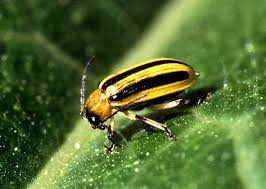
The Spotted and Striped Cucumber Beetle wreak havoc on cucumber, melon and squash (Cucurbits). Here is another great trap crop, Amaranth.

spotted cuc beetlesstriped cuc beetle

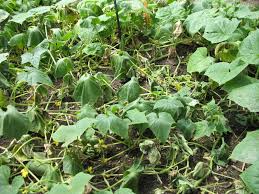
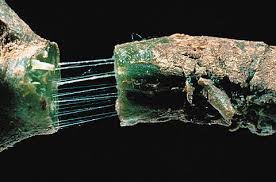
One bite from these nefarious beetles and bacterial wilt enters the vines causing them to collapse and die. The vascular bundles (the nutrient transport system of the plant) get filled with bacteria and shut down the plant. Subsequently the plant will die. Plants with bacterial wilt must be pulled, burned or placed in a trash bag for removal. This plant material must not be composted. The first photo shows the effect of bacterial wilt. The second photo illustrates the bacteria expressed as gummy strings.

Bacterial wiltBacterial wilt1

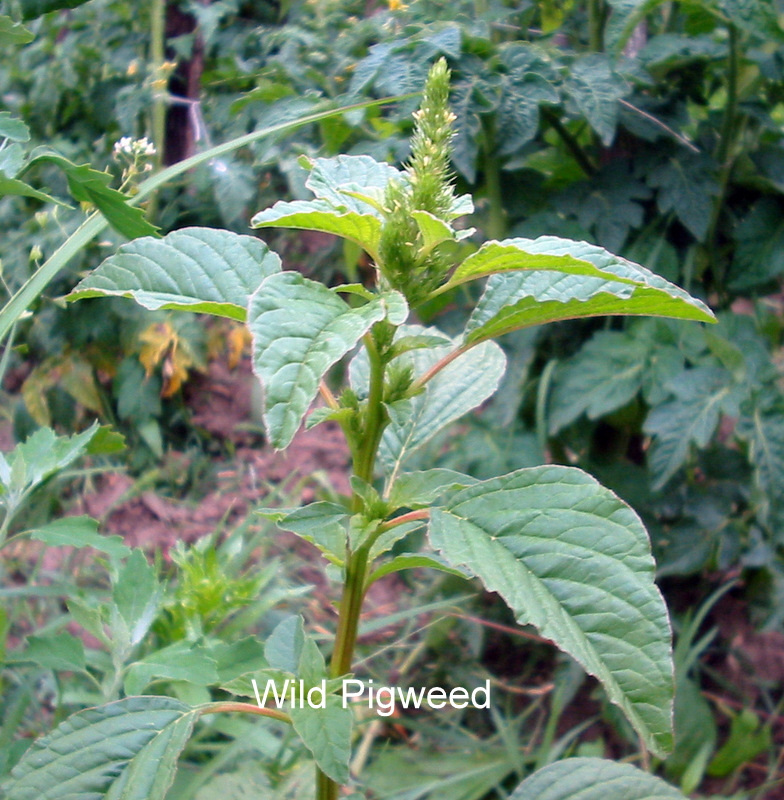
In my experience, the best way to prevent bacterial wilt is the use of a specific trap crop. Two (2) years ago I discovered by observation cucumber beetles eating wild pigweed (amaranth). The wild pigweed was pressing against the leaves of a cucumber plant. There was no evidence of beetle infestation!! The beetles overwhelmingly preferred the wild pigweed. The same phenomenon may be seen on cultivated varieties of amaranth.

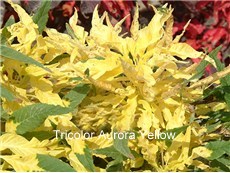
PigweedAmaranthamaranth-tricolor-aurora

Baker Creek Heirloom Seed Company has several varieties of amaranth in their inventory – http://www.rareseeds.com/store/vegetables/amaranth/ Choose one or more varieties to entice the cucumber beetles away from you cucumbers, melons and squash .

Use amaranth as a trap crop and follow these guidelines:

  • Plant amaranth next to a cucurbit crop to attract cucumber beetles as either a food source (pollen/nectar) or an egg/larval site.
  • Amaranth/wild pigweed attract cucumber beetles to the border areas, where the amaranth/wild pigweed can be consumed. Pests on the cucurbit crop will be reduced. Plant cultivated varieties or wild amaranth transplants either surrounding, adjacent, at the four corners or in containers next to the crop.
  • Exploit the cucumber beetles special appetite.
  • Intercept the cucumber beetles from the edges.

Plant cultivated varieties of amaranth or encourage wild amaranth in your garden/property (as a trap crop) three (3) weeks prior to planting summer squash, winter squash, cucumber, cantaloupe and watermelon . The amaranth may be seeded in pots for transplanting or direct seeded, prior to direct seeding squash, cucumber and melons. Amaranth grows fast enough to satisfy the cucumber beetles appetite.

Disclaimer: Please use common sense and discretion regarding the use of  wild types of amaranth (pigweed). It may be invasive in your area.

Papa

Got Squash Bugs? Use Trap Crops!

Ugh, here we go again. Those nasty squash bugs are back! I really wanted to grow zucchini and yellow crookneck. Why waste my time! I hear this over and over again.

Now, there is a solution. Trap Crops!

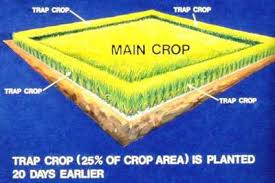
  • Plants that are planted next to a squash crop to attract pests as either a food source (pollen/nectar) or an egg/larval site.
  • Attract pests to the border areas, where they can be killed. Pests on the unsprayed crop will be reduced.
  • Exploiting the squash bugs special appetite.
  • Intercepting the pest from the edges.
  • Check trap crop three (3) times per week.

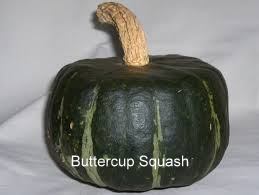
Plant Red Kuri squash, Blue Hubbard Squash and Buttercup squash (as a trap crop) three (3) weeks prior to planting summer squash, winter squash, cucumber, cantaloupe and watermelon. The trap crop should be seeded in pots for transplanting, prior to direct seeding squash, cucumber and melons. Monitor for squash bugs to determine if treatment is needed on the trap crop.

Plant Red Kuri or Blue Hubbard or Buttercup squash transplants either surrounding, adjacent, at the four corners or in containers next to the crop.
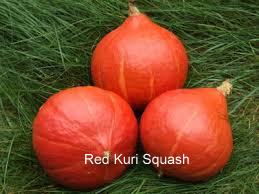
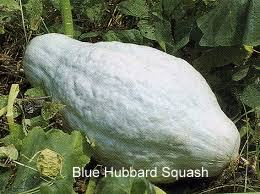
red kuri blue hubbard

buttercupTrap Crop illustration

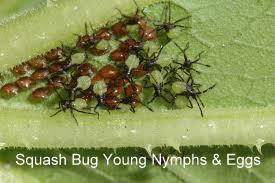
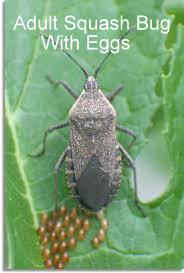
Monitor for squash bugs.

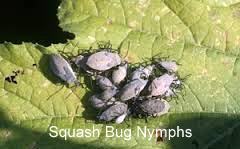
squash bug eggs nymphsquash bug nymph

Squash bug adult

Spot spray the squash bugs on the trap crop with a*pyrethrin insecticide. It may be necessary to spray the entire trap crop when the population threshold is exceeded. In other words, the squash bugs have infested the entire trap crop with eggs, larvae and adults.

*Pyrethrin insecticides – Evergreen Pyrethrum Concentrate, *OMRI Listed

PyGanic® Crop Protection EC 5.0 II, *OMRI Listed

* OMRI Listed: The Organic Materials Review Institute (OMRI) is a national nonprofit organization that determines which input products are allowed for use in organic production and processing. OMRI Listed—or approved—products may be used on operations that are certified organic under the USDA National Organic Program.

Caution – You must read the label!! The label is the law!! Pyrethrins will instantly kill any insect that is sprayed. That includes beneficial insects (honey bees, bumble bees, lady bugs, parasitic wasps, etc.). Be very careful!! Remember, squash crops, cucumbers, and melons are dependent upon pollinators to produce fruit.

When you follow these steps you will enjoy a fruitful harvest. Let me know of your success!

Papa

You may purchase the above varieties of squash at Baker Creek Heirloom Seed Company by clicking on the links below.

http://www.rareseeds.com/red-kuri-squa-hokkaido-/

http://www.rareseeds.com/blue-hubbard-squash/

http://www.rareseeds.com/buttercup-squ/

What do I do with the worms on my Korean red eggplant?

What shall I do about inch worms of the tiniest size eating my Korean red eggplant ? There doing quite a job at eating big holes? Thanks Art

Pandora

Pandora,

Visit your local garden center and purchase Dipel or Thuricide.

DiPel® is a biological insecticide containing the naturally occurring microorganism Bacillus thuringiensis subspecies kurstaki(Btk) DiPel is more specific in its spectrum of insect toxicity against caterpillars.

Thuricide BT Caterpillar Control concentrate is used by organic gardeners and is made from bacteria that is toxic to listed pests. Safe to use on all plants, vegetables and edible crops. Thuricide is a biological insecticide with Bacillus thuringiensis (Bt) for use on fruits, vegetables, shade trees, and ornamental plants to treat a variety of leaf-feeding worms. Pests treated include bagworms, tent caterpillars, gypsy moths, cabbage loopers, and tomato hornworms .

Follow the label instructions and apply with a sprayer. The Bt spores  maximize efficacy against lepidopteran pests.

Days to Harvest: There are no restrictions on applying DiPel or Thuricide up to the time of harvest.  DiPel or Thuricide  may be used for any labeled pest and  an insecticide for use against listed caterpillars (larvae) of  lepidopterous insects. Close scouting and early attention to infestations is highly recommended. Larva must eat deposits of DiPel or Thuricide to be affected.   • Treat when larvae are young (early instars) before the crop is damaged. • Larvae must be actively feeding on treated, exposed plant surfaces. • Thorough spray coverage is needed to provide a uniform deposit of DiPel or Thuricide at the site of larval feeding. Use overhead spraying to obtain good spray coverage on both sides of foliage. Use sufficient spray volume to insure uniform deposition on all plant surfaces. • Under heavy pest population pressure, use the higher label rates, shorten the spray interval, and/or raise spray volume to improve spray coverage. • Repeat applications at an interval sufficient to maintain control, usually 3 to 14 days depending on plant growth rate, moth activity, rainfall after treating, and other factors. If attempting to control a pest with a single spray, make the treatment when egg hatch is essentially complete, but before crop damage occurs. • A spreader-sticker which has been approved for use on growing and harvested crops should be added for hard-to-wet crops such as cabbage, or to improve weather-fastness of the spray deposits.

Let me know how this works for your eggplant. Watch for butterfly and moth activity as this will help you monitor the impact on your eggplant.

Art