Seed Saving Tip

Have you saved seed from your vegetable garden or traded for seed during a seed swap? Have you provided space for them in your spring garden?

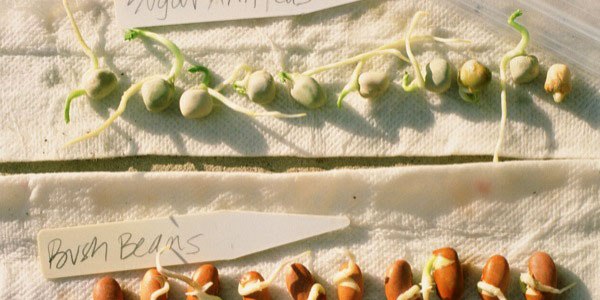
Here’s a tip worth your consideration. Find those seeds and start germination testing. Why? Germination of 50% or below should send you to your 2016 seed catalogs for replacements. Doing this now insures you will find the replacements available instead of “out of stock”.
germination1

Save time and money as a low germination rate will require double the seed sown for an expected yield.

An easy technique for germination:

  • Gather paper towels and zip-lock bags
  • Moisten the paper towel
  • For large seeds a minimum of 10 seeds ( ie.: watermelon, gourd, winter squash, summer squash, sunflower, pumpkin, beans, peas)
  • For small seeds a minimum of 25 seeds ( ie.: eggplant, sweet pepper, hot pepper, tomato, lettuce, cabbage, broccoli, spinach)
  • Place seed in moistened towel with spacing between seeds and fold towel in half. Be sure to label the bag with the seed name.
  • Place in zip-lock bag and seal.
  • Place the zip-lock bag in a warm place providing temperatures of 70-85 degrees.
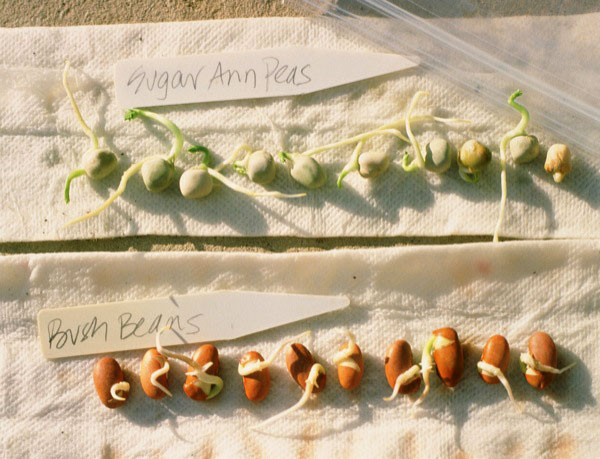
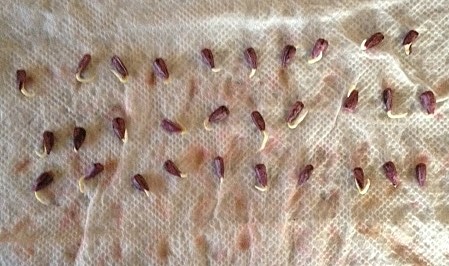
  • Check the bag every 3-5 days for signs of germination.The seed coat should be bursting and either a plant shoot should be on the top of the seed and/or a root on the opposite end.
  • All the seeds in the bag should germinate at the same rate of time for the seed type.germination600
  • A 50% germination rate for 10 seeds would be 5 seeds.
  • A 50% germination rate for 25 seeds would be 13 seeds.

Any questions? Do not hesitate to contact me!!

Papa


Sweet Peas for the Sweet!!!

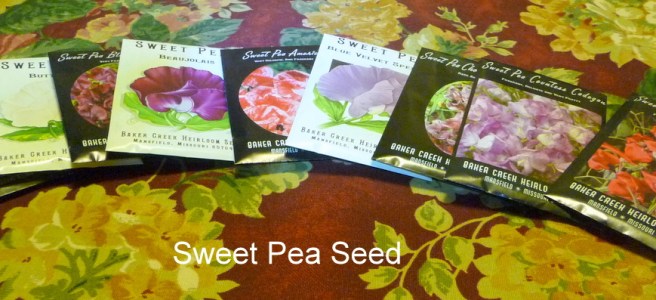
Now is the time to start Sweet Peas for winter and early spring production. Sweet Peas (Lathyrus odoratus) are members of the legume family Fabiaceae which hail from Southern Italy, Sicily and the Aegean Islands.

Henry Eckford of Scotland is responsible for the incredible crosses which produced many of the famous heirloom varieties known today. The noted beauty and fragrance is a direct attribute of the careful breeding by Eckford in the late 1800s through 1906. The breeding production of today focus on stem length and lasting abilities of cut flowers.

Sweet Peas require scarification (nicking or abrading the seed coat to enhance seed germination). Warm water soaking of the seeds may also enhance germination.

Use a nail file or nail clippers to nick the seed coat. The nicking or “chipping” will speed up the germination process. By the way, this is a tedious process. Make sure you give your self plenty of time to keep on schedule for your planting area.

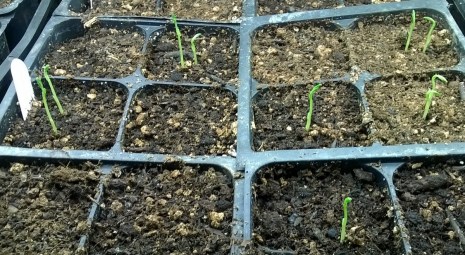
Planting in large cell packs or 4″ pots for transplants is a proper way to plant exactly where you desire. Start the process by using a soiless soil mix with generous compost added. Make sure the soil is adequately moist and plant the seed 1″ deep. I usually plant two seed per cell or pot. Once planted, water in the cell packs/pots and place where the soil temperature is  65° to 68° (F). I know that sounds pretty cold but that is what sweet peas prefer.

The correct germination temperature will insure proper germination in 7 to 10 days. When most of the seeds have germinated move the seed flats to a much cooler area (45° to 55° (F)). A mildly heated greenhouse, coldframe or hoop house will do the trick. Sweet pea seedlings can take it down to 32° (F). The added benefit is stronger and cold tolerant seedlings.

WP_20160106_18_47_46_Pro

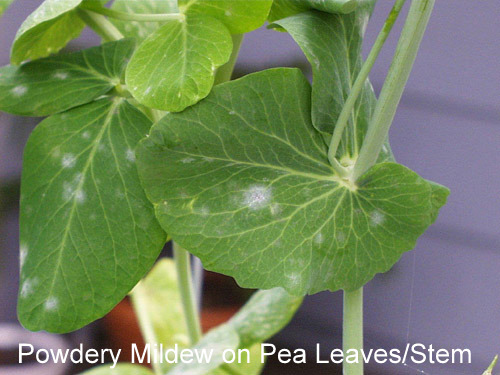
Sweet peas may be bothered by aphids when planted outside. The aphids spread disease and stunt the plants and subsequent production. The other area for concern is powdery mildew. Powdery mildew is caused by too much shade and poor air movement. Watch cultural practices (such as full sun and planting further apart to provide air circulation) to prevent the scourge of this pernicious disease.
peapm

Be careful with sweet pea seeds! They are toxic for consumption. If you have small children the seeds could be enticing!

I will keep you posted on future development.

Papa


Warm Weather Winter Gardening!!

It is hard to believe how fast the veggies grow in the warm temperatures this winter!

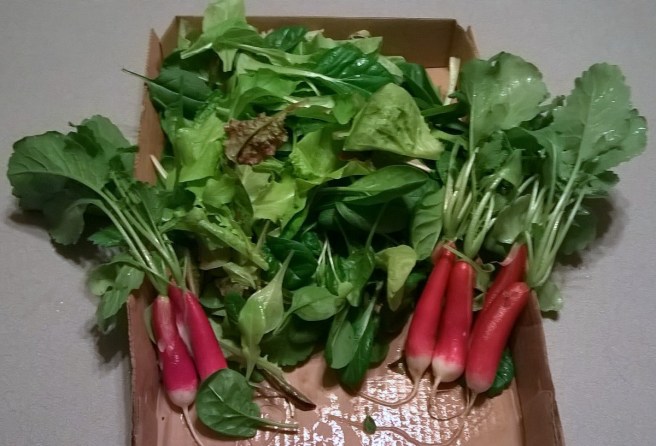
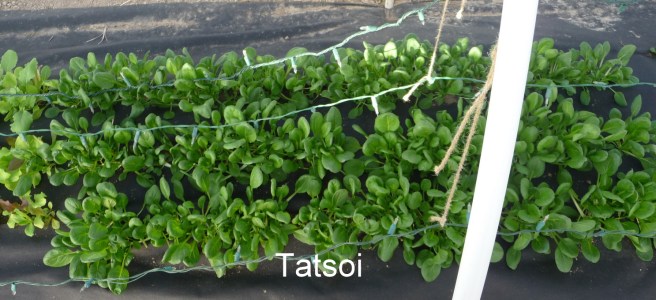
The lettuce, radish, arugula, beets, spinach and Oriental greens seedlings were started November 30th.

The broccoli, cabbage, cauliflower, collard and kale transplants have tripled in size. The color and texture are simply marvelous!

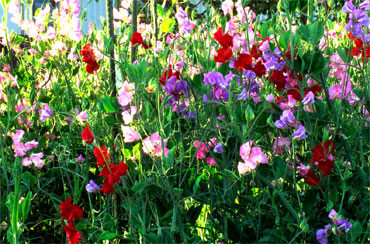
Sweet Peas will be started this weekend and should be ready to pick by late winter/early spring. The transplants will be started in cell packs to be planted by mid-January.

wall-of-sweet-peas

It has been so warm, the rhubarb and strawberries are starting to take off.

You should definitely try your hand at Fall and Winter gardening.

Papa


Further Adventures of Chile de Árbol!!

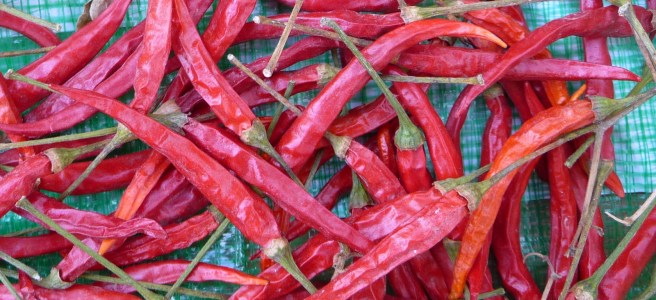
I harvested the Chile de Árbol early in November. They are drying nicely in my Rock Room. Recycling cardboard flat boxes for drying racks is a worthwhile pursuit. The tall “trees” I cut back to 8″ in the hoop house. I covered the plants with several layers of row cover to overwinter.

These giant tree chilies grew 7 feet tall and produced a good crop of 3″ to 4″ Bird’s Beak or Rat’s Tail chilies.


These peppers are not as moist as some varieties. Therefore, they dry exceptionally well.

The next step is to store in a dry place for further use plus I want to try my hand at making ristras.

ristra

Stay tuned! Have a spicy day!

Papa


Papa is Back! Fall and Winter Growing in the Hoop House!
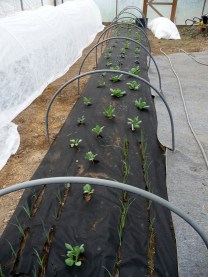
Howdy folks! I am glad to be back. The hoop house is in production for late fall and winter gardening.

P1030984           P1030991

Cabbage, Collards, Broccoli, Kale, Leeks, Lettuce, Oriental Greens, Radishes and Beets have been started and are on the grow. Higher than average temperatures are making the plants grow faster than I expected. Every season is an adventure.

P1030981

Under the row cover, the environment is like an incubator. Germination is slow but sure. Tasty veggies will soon be on the menu!

Leeks for late winter/early spring harvest. Yum!!

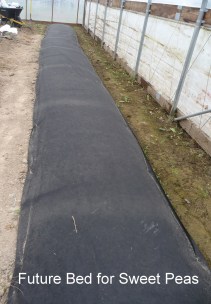
Soon, Sweet peas will be grown on trellises on the northern most bed in the hoop house. Hopefully we will have flowers in late winter/early spring.

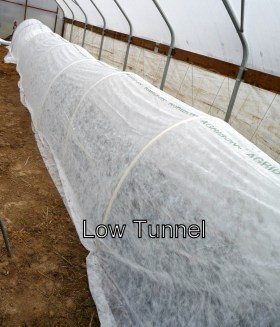
Using Christmas lights will supplement the heat needed to speed up production in the hoop house. The lights will be strung from the low tunnel hoops just above the soil and ground cover.

Stay tuned for continued updates.

Papa

Floating Row Cover Saves the Day!!

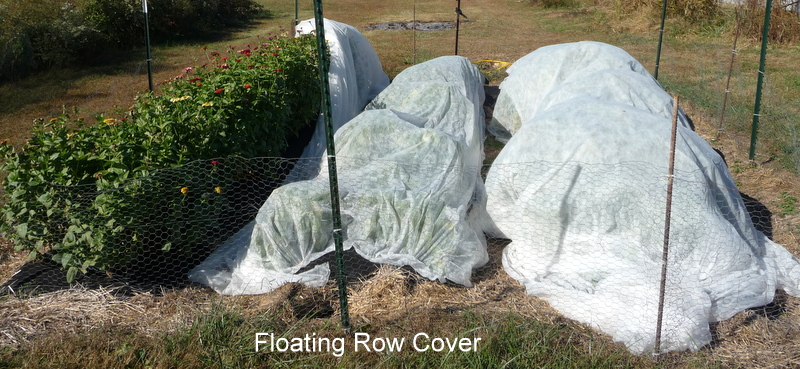
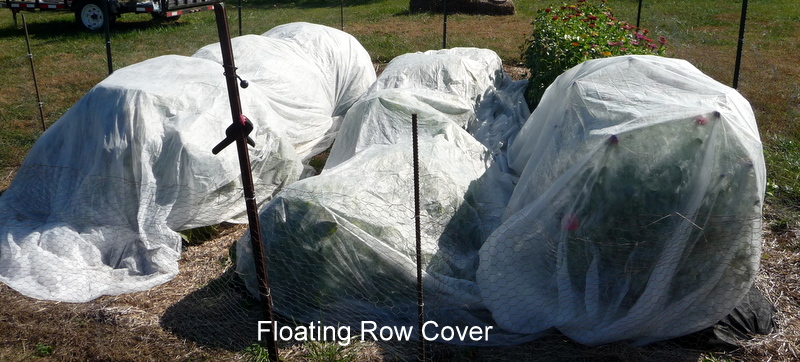
Frost warnings were issued October 16th. Floating row cover saved our crops from cold damage and frost.

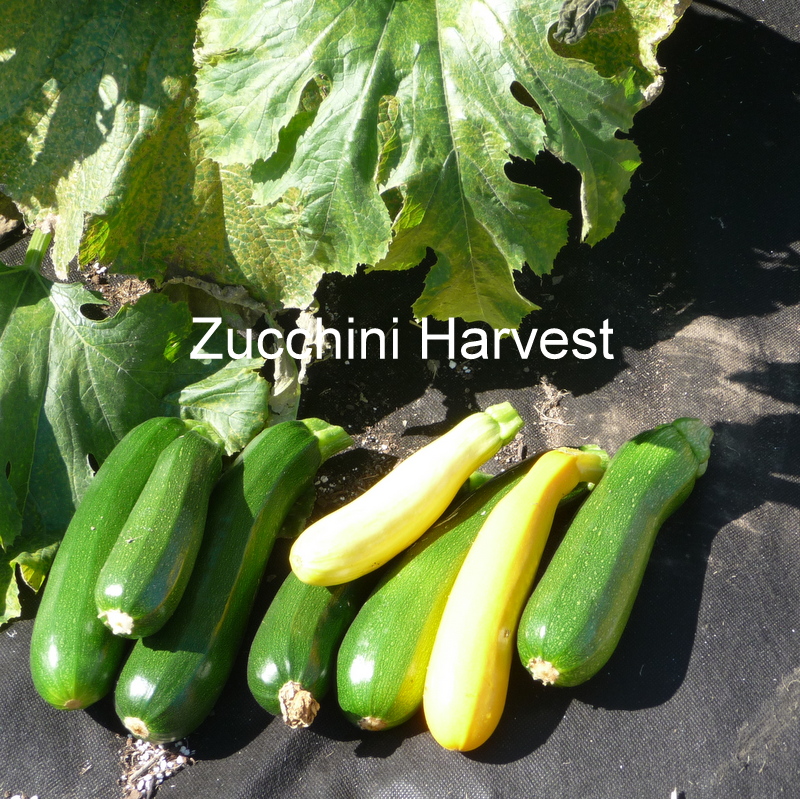
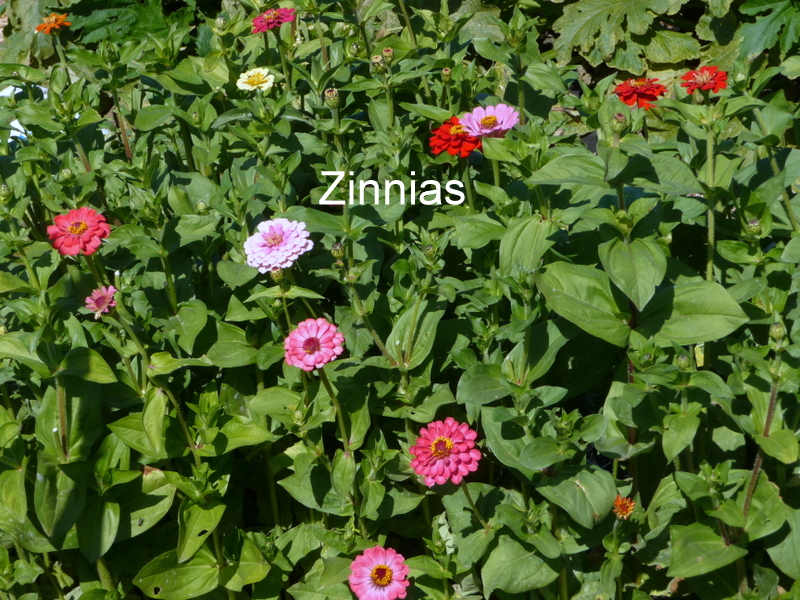
Three days ago we had a freeze in the Missouri Ozarks. Floating row cover saved our zucchini, green beans and zinnias from disaster.

P1030899P1030900

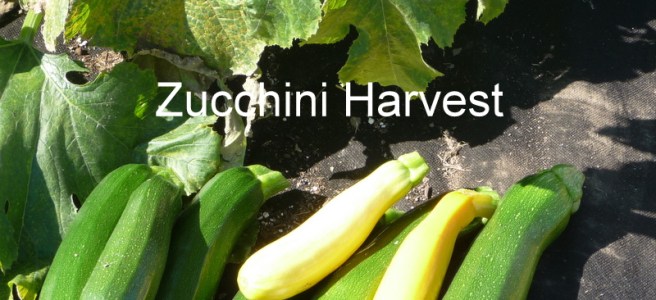
Check out the harvest after the row covers were removed from our green beans and zucchini!

P1030901

P1030904     P1030905

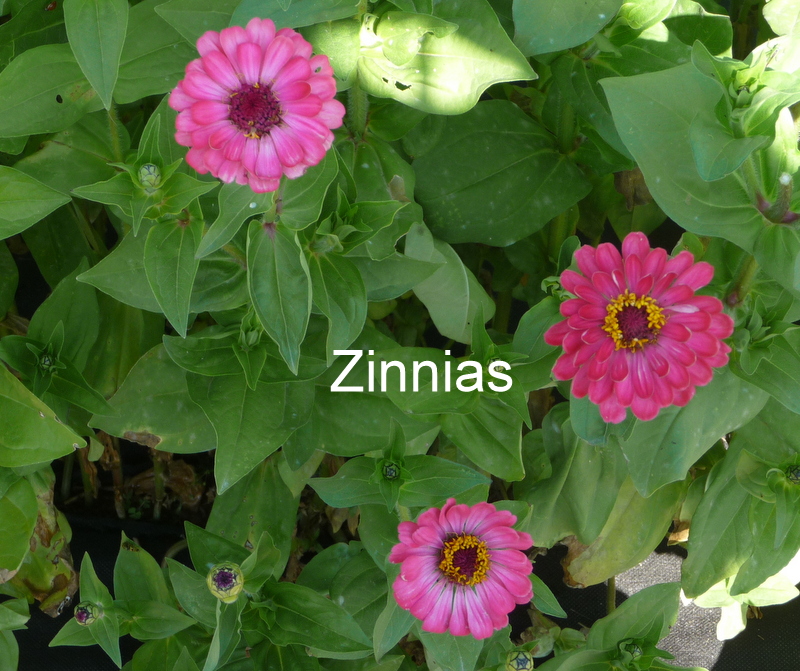
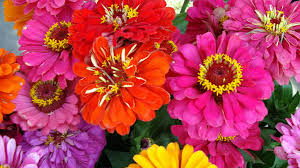
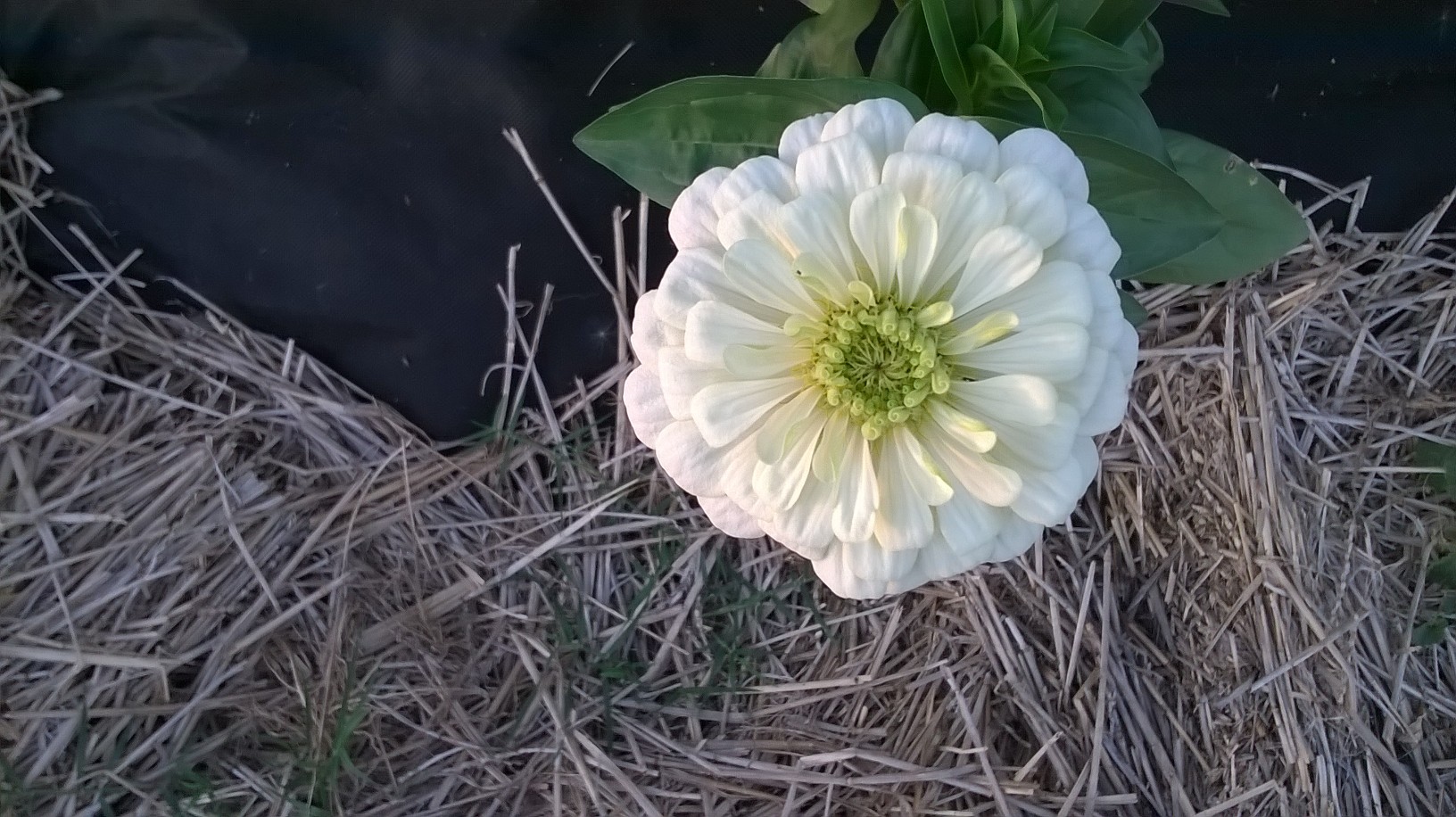
After the row covers were removed our zinnias remain in wonderful condition. There are plenty to cut and additional side shoots are on the way!

P1030908 P1030909

P1030910P1030914

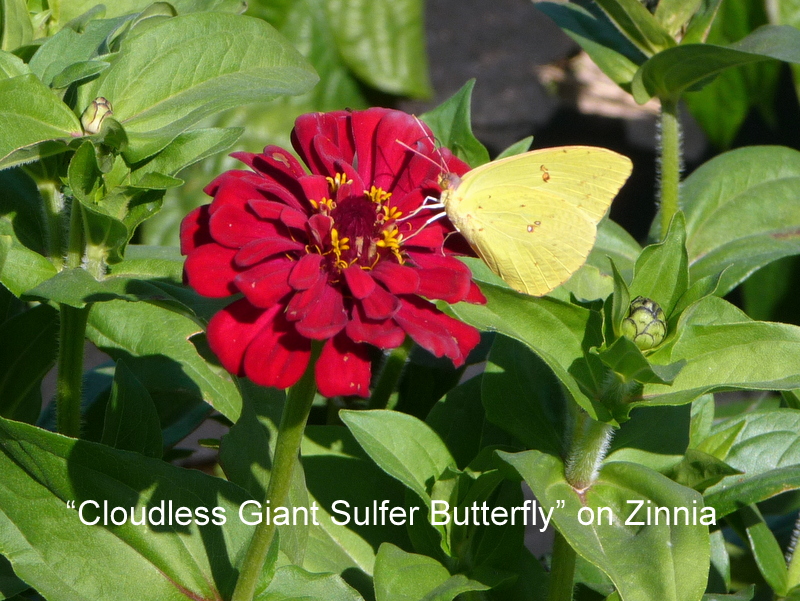
The bees and butterflies are enjoying the flowers too!!

Row covers will extend the growing season up to 2 – 3 weeks!!!  Air and moisture pass through the covers while providing protection from the cold weather and frost.

So, invest in floating row cover, extend your fall harvest and enjoy the fruit of your labor.

Papa

The Garden of Treasures!!

My garden is winding down, but look at the treasures! I have always believed you can find beauty and bounty where you least expect it.

For example:

WP_20150930_18_38_31_Pro-001WP_20150930_18_39_06_Pro-001

WP_20150930_18_40_03_Pro-001WP_20150930_18_42_39_Pro

Look here amongst the weeds:

WP_20150930_18_43_19_Pro-001WP_20150930_18_44_15_Pro-001

WP_20150930_18_44_33_Pro-001WP_20150930_18_45_17_Pro-001

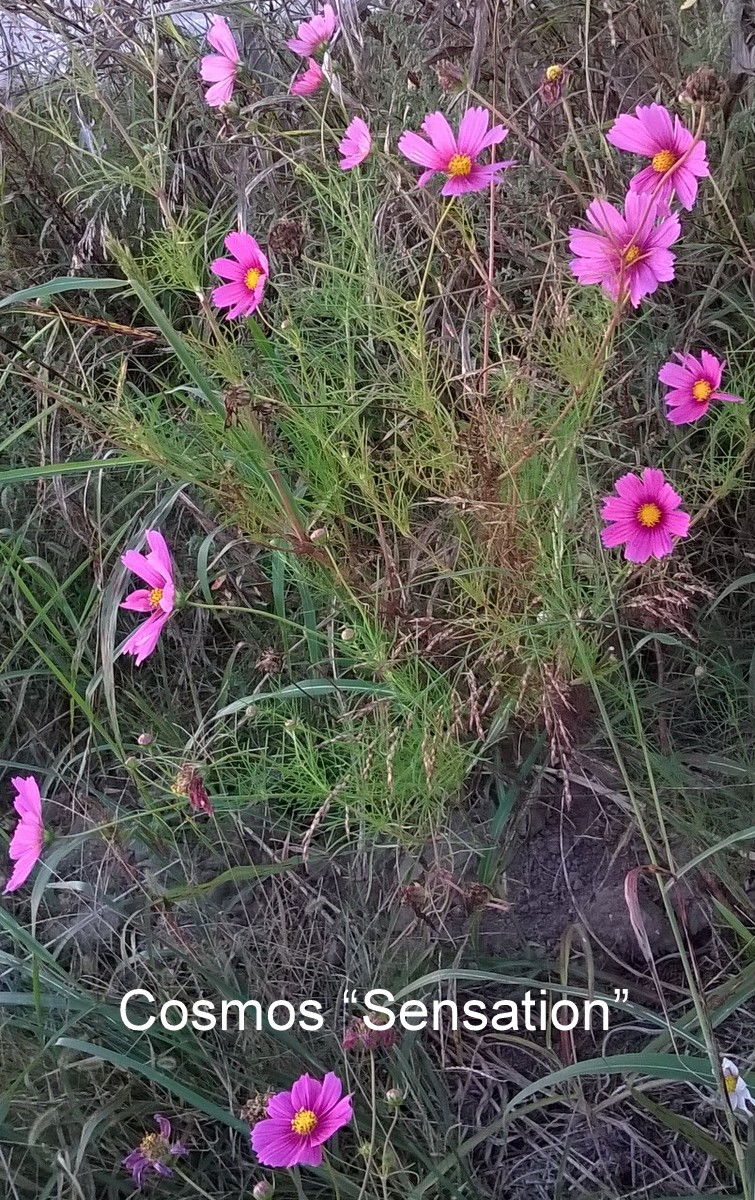
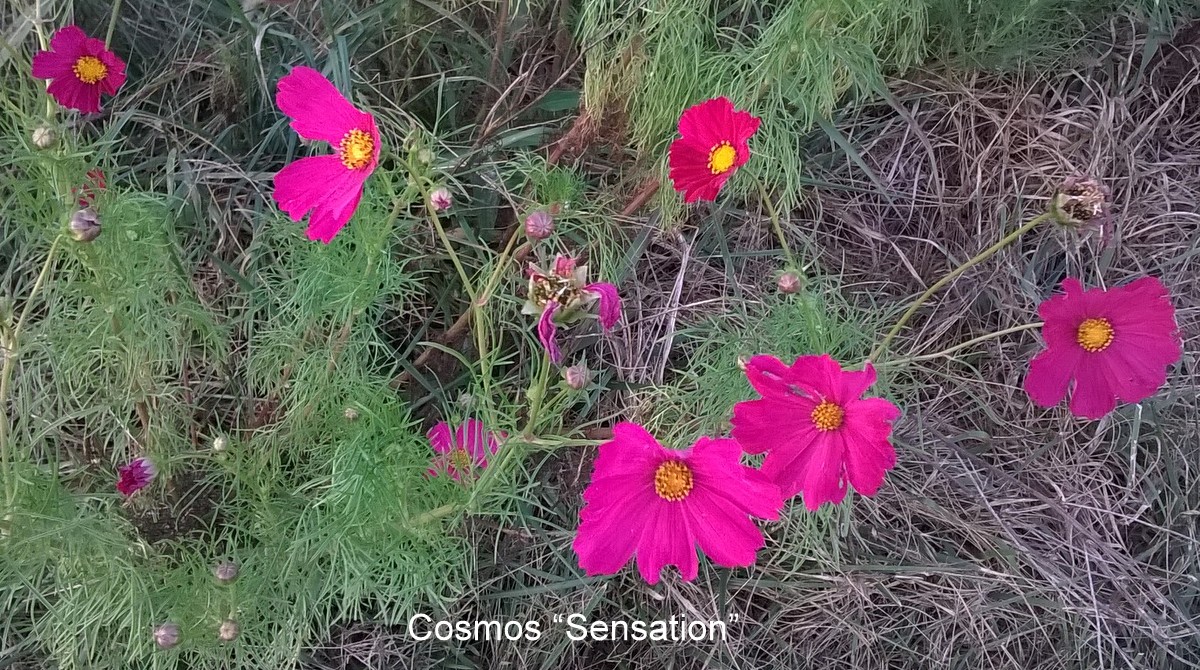
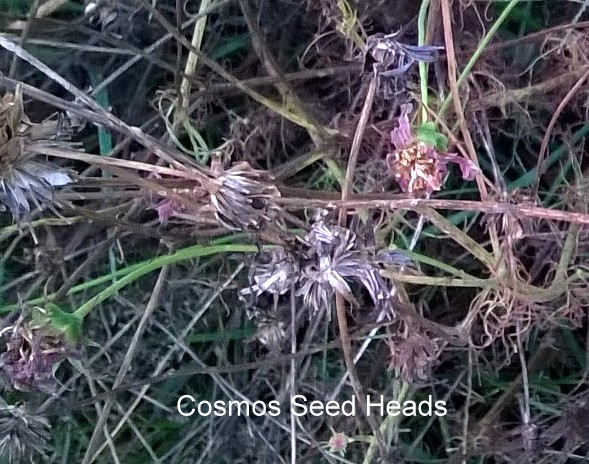
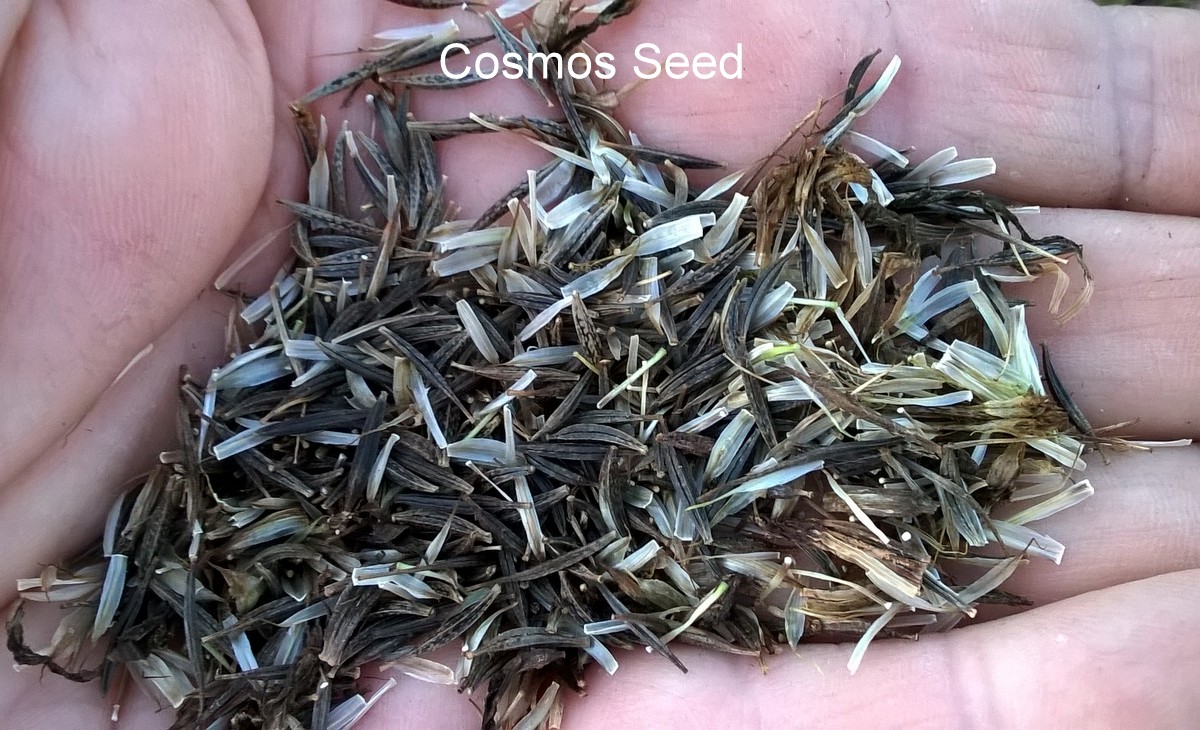
So easy to save seeds from Cosmos!! I go along pulling the seed heads. Several hundred seeds in a matter of a minute!!

WP_20150930_18_47_58_Pro-001

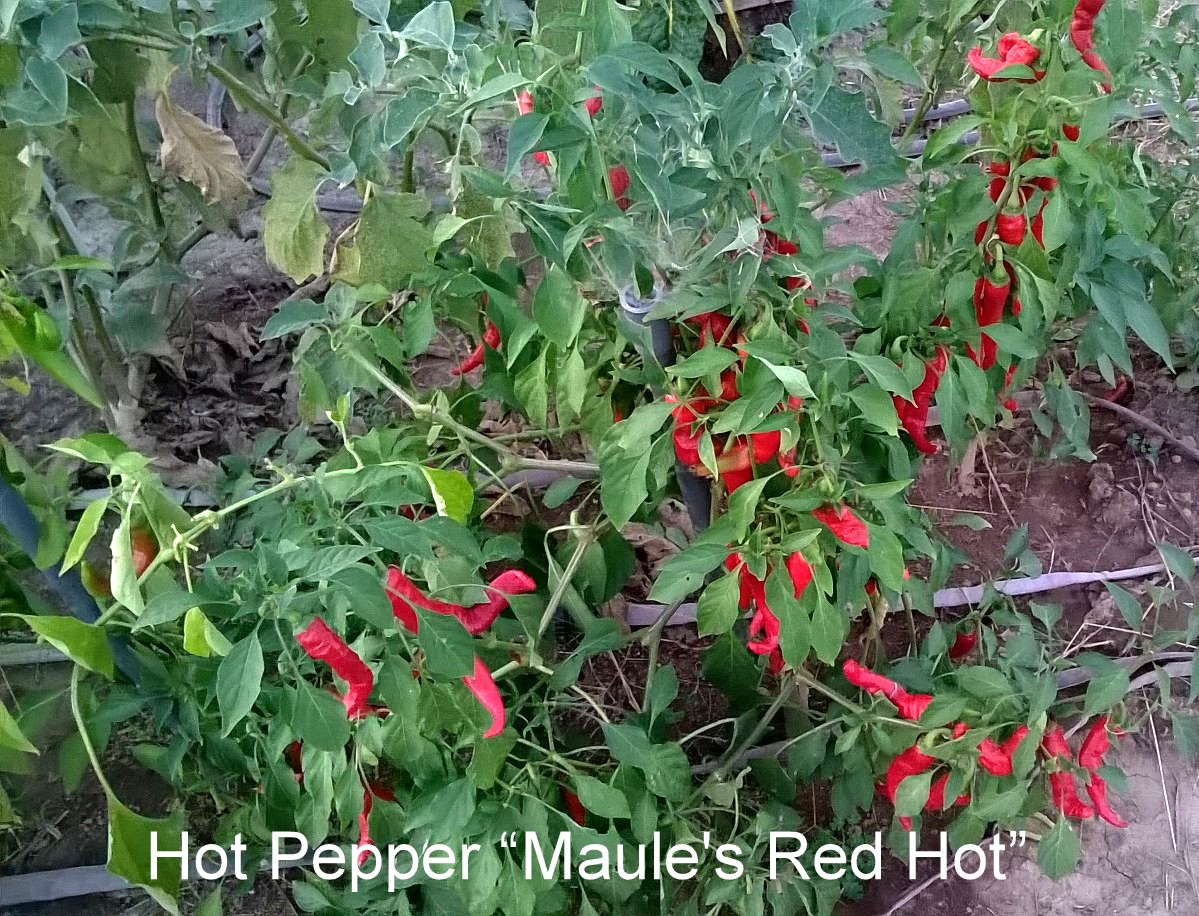
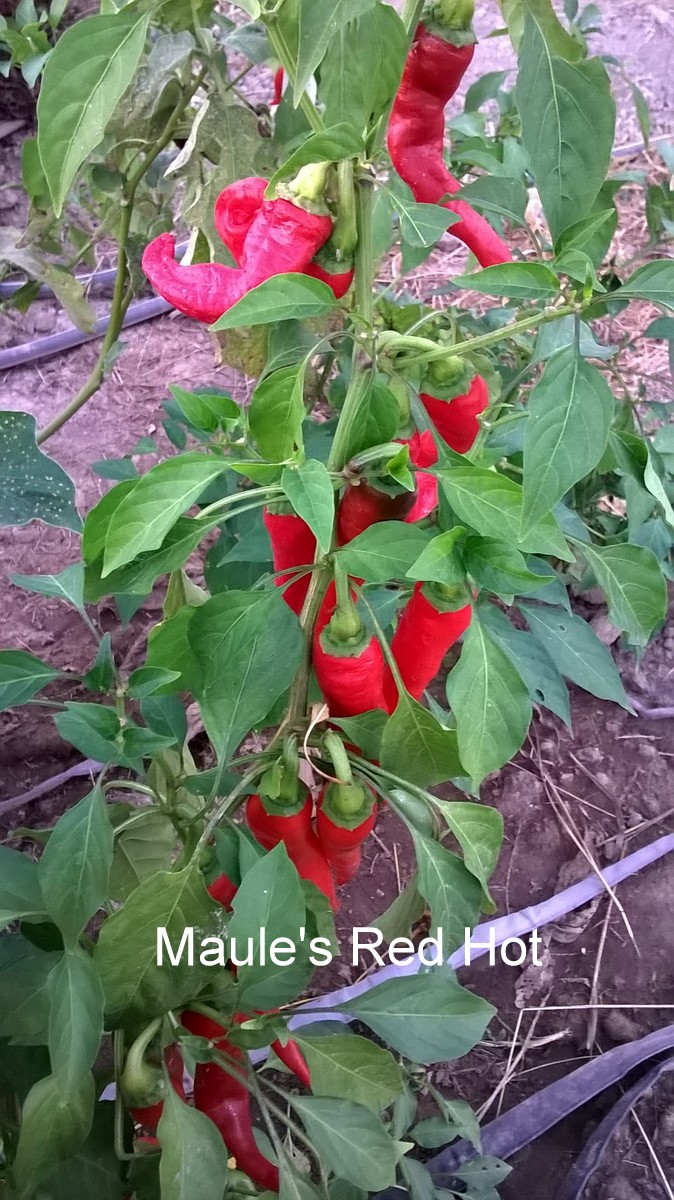
My hot pepper “Maule’s Red Hot” is still producing!!

WP_20150930_18_50_32_Pro-001WP_20150930_18_50_49_Pro-001

Last but not least! Treasure from my compost pile!

WP_20150930_19_07_54_Pro-001

Just look at the bounty!

Papa