Seed Saving Garden? What’s That? Part 4

There is no more popular vegetable than the tomato. The seed is easy to save and well worth while!

  • Tomato: self pollinating

Inserted stigma: the female part of the flower is encased inside the anther    cone in the center of the flower.

-10 – 20 feet between varieties
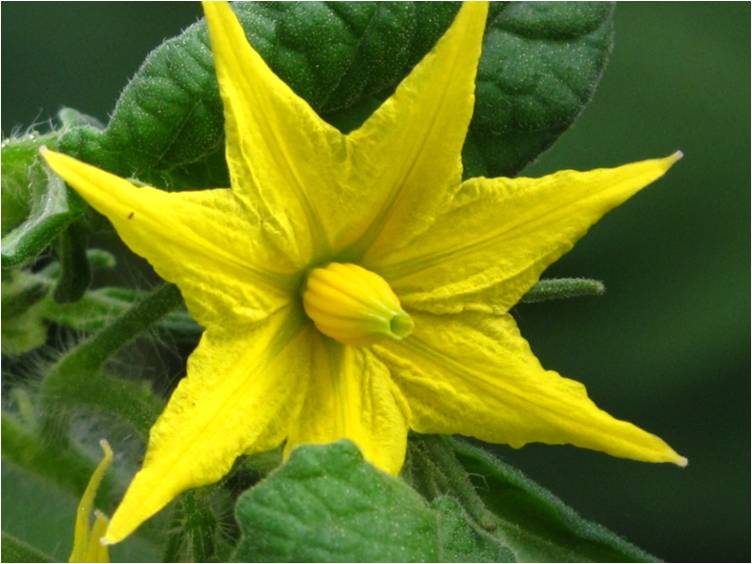
inserted stigma

–Most tomato varieties have this blossom structure.

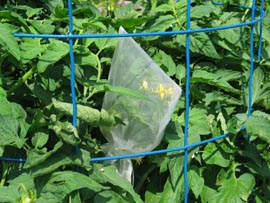
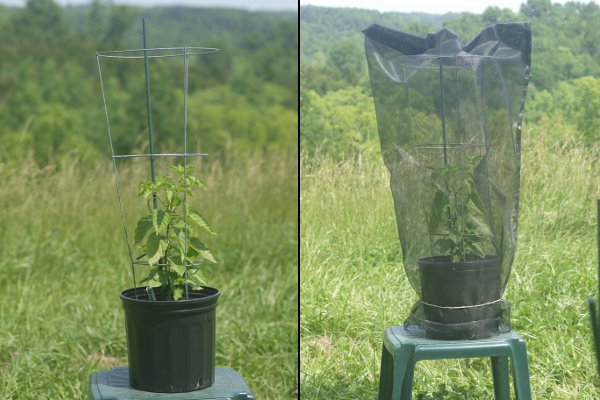
–Blossom bag around cluster if garden is small and isolation distances cannot    be met.

–10 plants for sufficient seed quantities

–Seeds are viable 4 – 6 years

Exposed stigma: the female part of the flower is outside the anther cone in the    center of the flower.

-20 – 50 feet between varieties
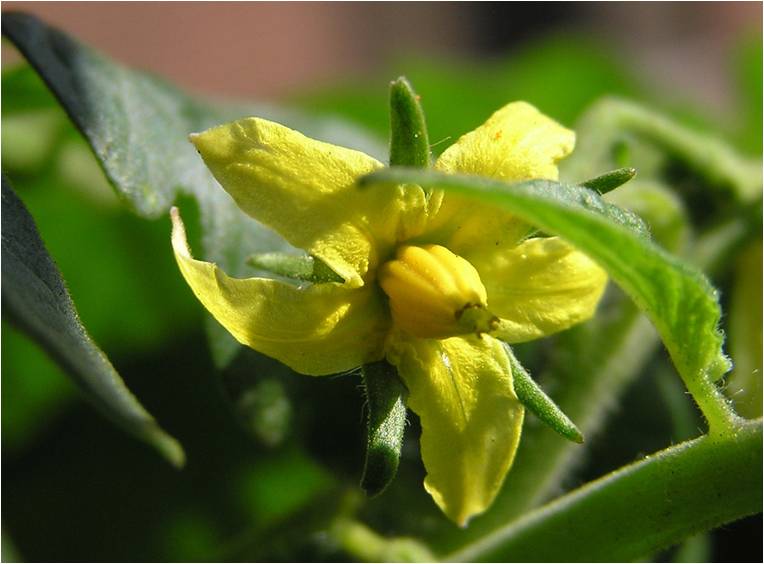
exposed stigma

–Potato leaf and black/purple varieties have this blossom structure.

–Blossom bag around cluster if garden is small and isolation distances cannot  be met.

–10 plants for sufficient seed quantities

–Seeds are viable 4 – 6 years
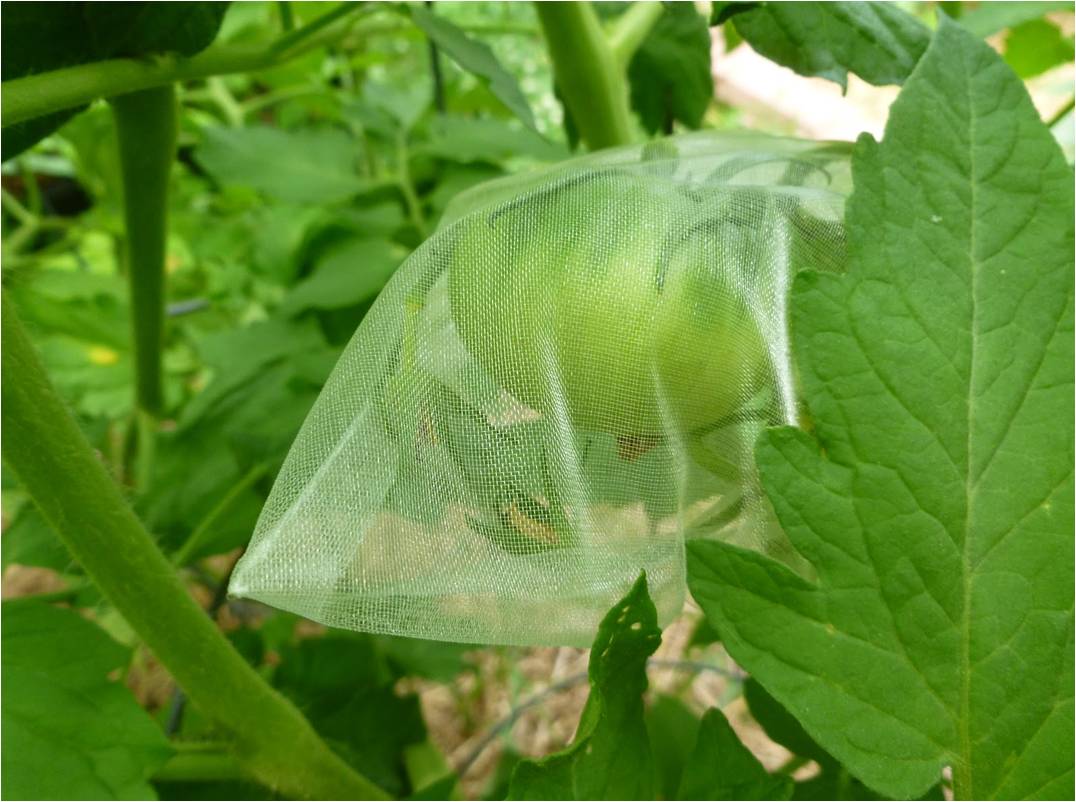
Tomato seed saving     seed saving cages tom flowers 1tomBag1

  • Make sure to label your bagged tomato fruit when removing bag to identify your seed savers.
  • Remember, bags may be removed with evidence of small developing tomato fruit.

Harvest when fruit is fully colored and ripe. Make sure you harvest fruit that comes from healthy plants and fruit (disease free).

Fermentation of tomato seed is required prior to drying. Fermentation removes the gel coat around each seed. The gel coat may inhibit germination.

Crush tomato fruit into a jar or bowl. Add a small amount of water to the pulp.

Tomato seed saving2

Allow pulp to ferment for 2-4 days (2 days if 80°-95° (F), 4 days if below 80° (F)).
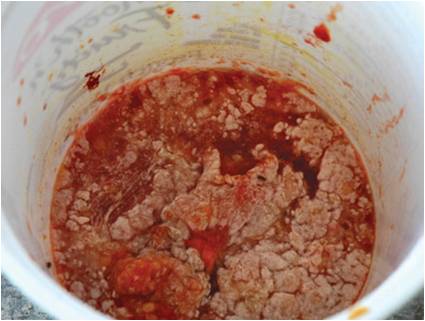
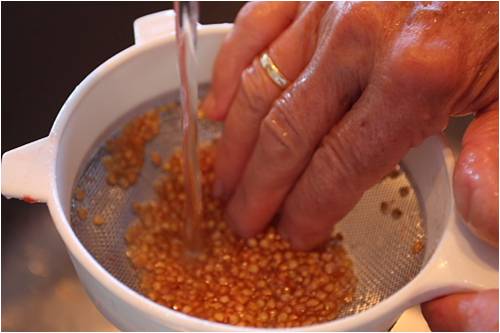
Tomato seed saving3Strain mixture to remove the pulp and fermented material.
Tomato seed saving4

Place the moist seeds on a labeled paper plate and allow to dry for 2 weeks.
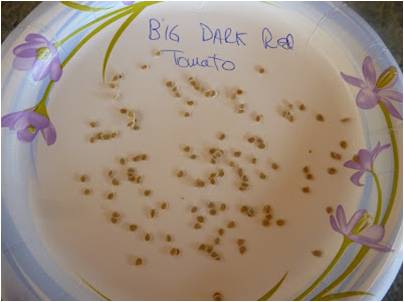
Tomato seed saving1Scrape seed off of the paper plate and place in a labeled paper envelope (place envelope in a freezer zip lock bag) or small glass jar. Place saved seed in a cool, dark and dry place or your freezer.

Saving tomato seed is easily accomplished and low tech. Plus, the saved seed will last for many years.

Papa
Seed Saving Garden? What’s That? Part 3

I met a man in the Baker Creek Heirloom Seed store who lost his personal family heirloom seed in a house fire. He was saddened he could not replace those beloved seeds. All the more reason to embrace the heirlooms we can grow and make them our own.

Growing, Harvesting, Saving Seed

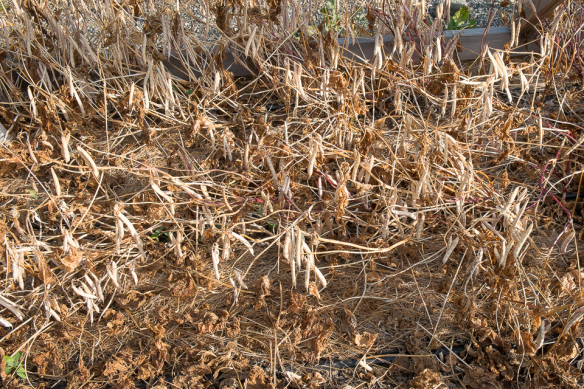
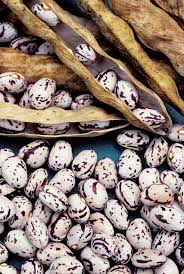
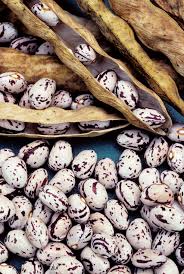
Beans (green, dry/fresh shell out beans), cowpeas/southern peas and peas (garden, snow and sugar snap peas) are the simplest seeds to save!!

  • Beans: 10 – 20 feet between varieties is sufficient to prevent cross pollination (self-pollinating).

–10 plants are needed for sufficient seed quantities.

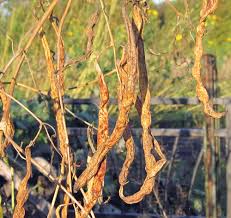
–Harvest when pods are dry.

–Seed are viable 3 – 4 years

beans-dry-bush-closeupDried beans on vineBeans pods2

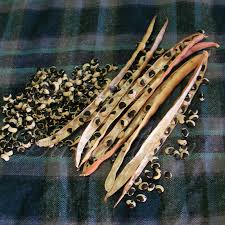
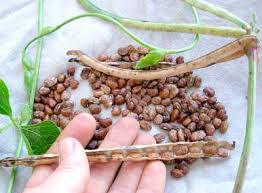
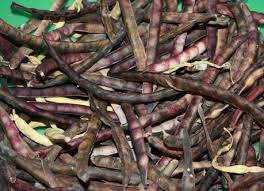
  • Cowpeas: 10 – 20 feet between separation to prevent cross pollination (self-pollinating) .

–10 plants are needed for sufficient seed quantities.

–Harvest when pods are dry.

–Seed are viable 3 – 4 years.

Cowpeas1Cowpeascowpeas2

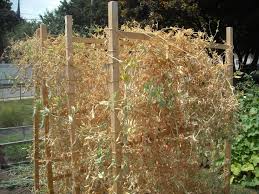
  • Peas: 10 – 20 feet between varieties is sufficient to prevent cross pollination (self-pollinating).

–10 plants are needed for sufficient seed quantities.

–Harvest when pods are dry.

–Seed are viable 3 – 4 years

Dried peas on vineDried peas1Dried peas

  • Remember, this is fun and practical! Any questions?

Papa
Seed Saving Garden? What’s That? Part 2

As heirloom vegetables, herbs and flowers are losing ground by an estimated 10,000 a year, seed saving has become a race for time and the home gardener has a place in this race.

This information was part of a presentation offered during the fall festival at Baker Creek Heirloom Seed Company.

Pepper-Etiuda-PP192-web07-IMG_3150Purple Basil

Seed Saving for the Beginner

  • Self pollinating annuals

–It is wise to perpetuate only open pollinated, heirloom varieties.

  • Beans, lettuce and peas are easy for seed saving production.
  • Tomatoes – bagging tomato hand (truss) or meeting isolation distances between varieties.
  • Cucumber, okra and melons are insect pollinated. One variety allows for production of true to type seed.
  • Pumpkins and squash should be hand pollinated and kept in a bag or cage until fruit is set.
  • Do not take on biennials requiring vernalization.
  • Do not take on those varieties requiring large isolation distances.

Population Size

  • Seeds collected from a number of plants of the same variety, protects the variety’s genetic diversity.
  • Seeds collected from a number of plants of the same variety, is essential to the health and performance of the variety.
  • Seeds collected in your garden are unique to the changing conditions of you area.
  • These seeds are now a one of kind variety for your special use.

Isolation

  • Goal – produce true to type seeds

–Prevent unwanted cross pollination

  • Isolation techniques:

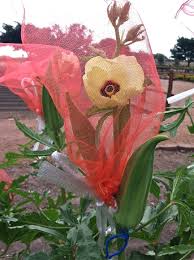
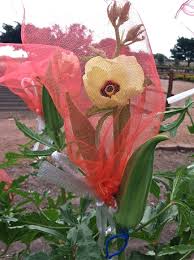
–Blossom bagging – successful fertilization evidenced by development of  fruit.

Save okra seedTomato seed saving

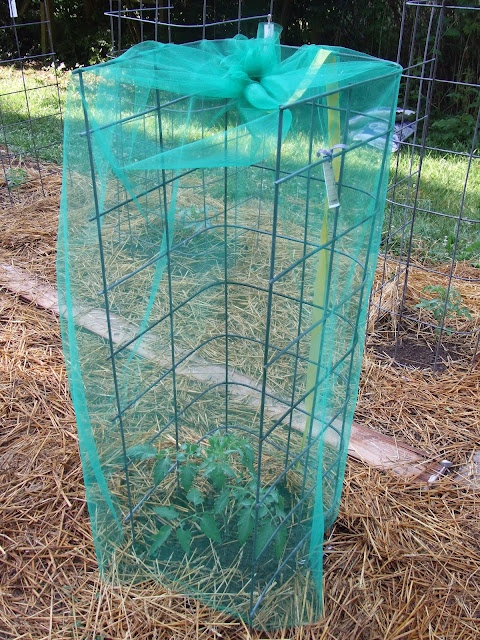
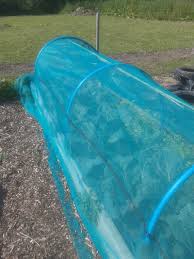
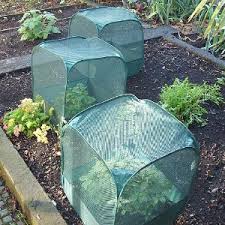
  • Caging – a physical barrier made of a frame and screen to prevent cross pollination of insect pollinated plants.

seed saving cages 2bf220def13c0a7dd7fe13d3e8f860078seed saving cages 3whole

Garden cages4

Bagging and caging are useful for those who have limited space. The netting or row covers will prevent inadvertent cross pollination by wind or vibration.  Plus, the caging method is a great way to contain pollinators (such as bumble bees and mason bees) to pollinate Cucurbit (cucumbers, melons, squash, watermelons) crops.

Please, I am looking forward to answering any of your questions!!

Papa
Seed Saving Garden? What’s That?

Have you considered saving seed from your garden? Saving seed was once an option. Not any more. It is absolutely essential!! With an uncertain economy and a shrinking heirloom seed pool, the time has come to start saving seed. Over 90% of our heirloom seed have been lost to apathy, lack of interest and the advent of hybrids.

I offered a presentation on  Planning a Seed Garden during the September Baker Creek Heirloom Seed Fall Festival. I will be sharing this information over the next few days.

seed saving cages 2bf220def13c0a7dd7fe13d3e8f860078Save okra seedGarden cages3

  • Determine your favorite open pollinated (true to type) vegetables, herbs and flowers.
  • Does your current garden have the space necessary for vegetable and seed saving production?

–Make a garden plan to fit the space available.

Start small, planting a familiar variety that you are comfortable growing.

–What seed crop or crops are worth the space?

  • Isolation requirement, pollination method and plant requirement must be considered.

Annual Crops

  • Will your seed saving choice have time to mature?

–Tomato, winter squash and grains are harvested at maturity.

–Eggplant, cucumber, snap peas and beans need additional time for seed          maturity.

–Leaf crops (Oriental greens, lettuce, spinach), stalk crops (celery, celtuce,      cardoon, Swiss Chard, asparagus, fennel) and root crops (potato, sweet potato)    need additional time for seed maturity.

Biennial Crops

  • Need cold for vernalization requirement.

–Vernalization is a period of chilling before flowering.

  • Winter chilling is critical for flower initiation.
  • Cabbage, carrots, beets, turnips, kale grow foliage the first year.

–Overwintering initiates flowering the following spring, producing seed.

Are there any questions? Please send them!

Papa
2015 University of Illinois Extension Master Gardener Conference

Preparing for the 2015 University of Illinois Extension Master Gardener Conference, O’Fallon , Illinois. I will be speaking on SEED SAVING, Friday, September 18.

https://web.extension.illinois.edu/mg/conference2015/index.cfm

https://web.extension.illinois.edu/mg/conference2015/speaker.cfm

Hopefully, this will be the first of many opportunities to share the absolute importance of saving your own seed. At one time it was an option to save heirloom seed. Now it is essential!!!

Papa
Papa
Growing Lettuce in Your Garden!

Lately, I have heard this statement several times.

“My lettuce is bitter or tasteless or falling over and limp. What varieties of lettuce should I be growing?”  My response is “You’re asking the wrong question. The question should be, how do I properly grow lettuce?”

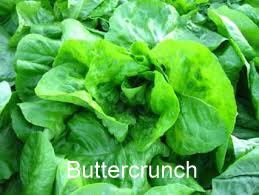
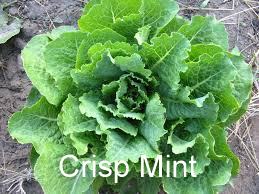
buttercrunch       Crisp Mint1

These are two of my favorites! They are delicious and easy to grow. Buttercrunch has a soft leaf and is very tolerant to heat! Crisp Mint is a Romaine type with a mildly sweet flavor and crisp texture.

There are several issues that must be addressed:

  • Proper soil – sandy loam is best
  • Irrigation – even amount of moisture (drip irrigation preferred)
  • Full sun vs partial shade (when the temperature increases, partial shade is a benefit)
  • Temperature – the ideal temperature range is 35° – 80° (F). Buttercrunch, Oakleaf and Amish Deer Tongue are great hot weather varieties.
  • Proper spacing of plants (if you sow seed too heavy, you must thin the seedlings to prevent overcrowding. Use the thinnings for baby lettuce or micro greens).
  • Fertilization – use moderate amounts of compost. Side dress with seaweed emulsion and fish emulsion.
  • Succession planting – http://papasgardens.com/2015/09/03/succession-planting-for-success/

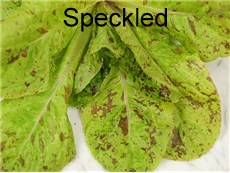
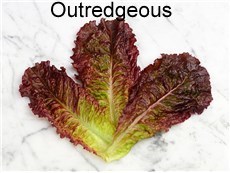
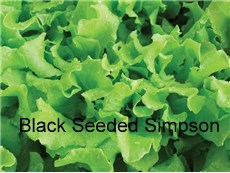
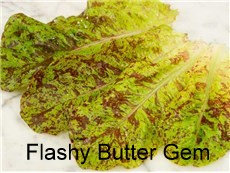
Here are other varieties I have grown and found to be flavorful, dependable and having good texture.

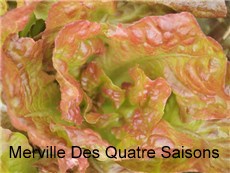
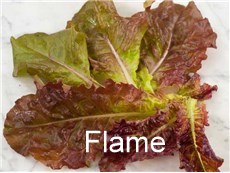
Lettuce-Speckled-LT103-DSC03175 merveille-des-quatre-saisons-lettuce2 Lettuce-Outredgeous-DSC02642         Lettuce-Hendersons-Black-Seeded-Simpson Lettuce-Flashy-Butter-Gem-LT160-web         Lettuce-Flame-LT113-web

Enjoy!!

Papa

The Joy of Garlic!!

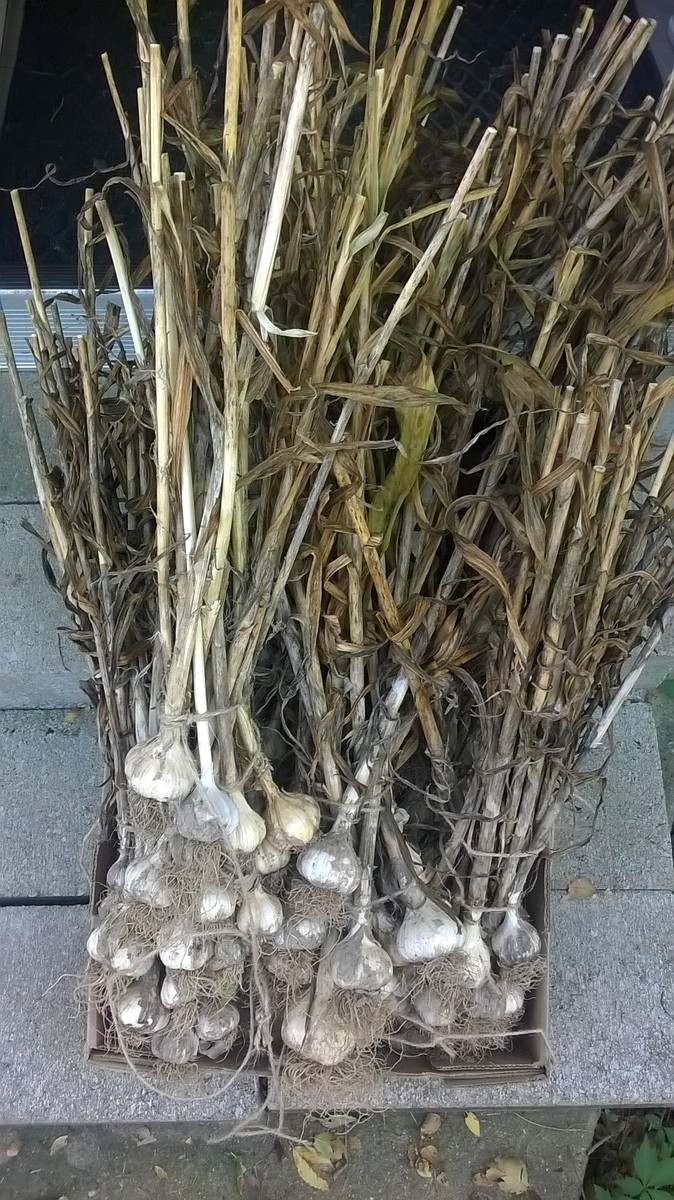
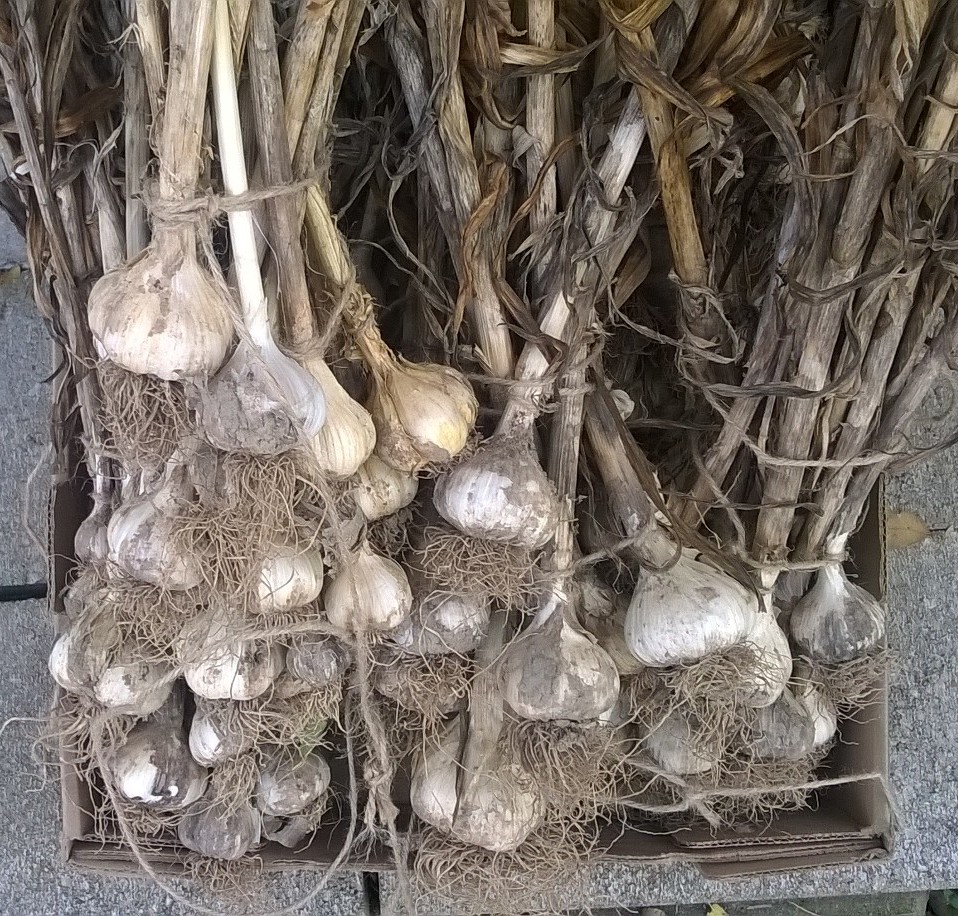
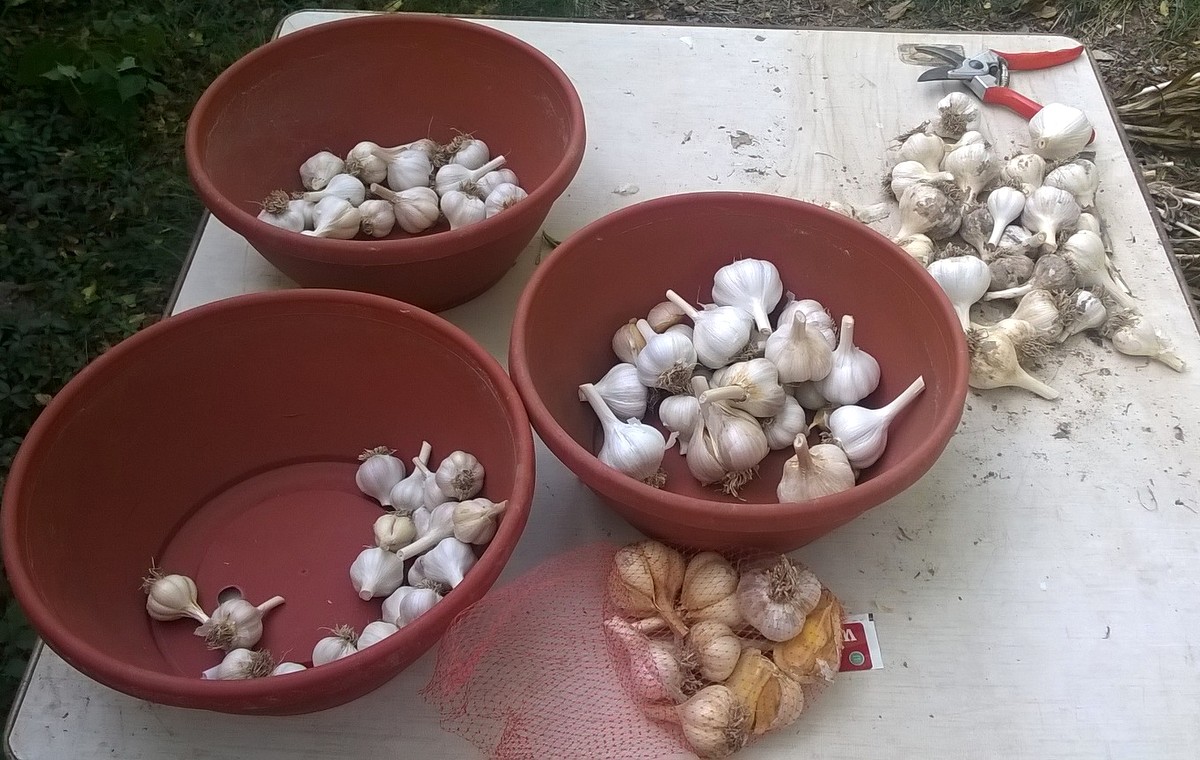
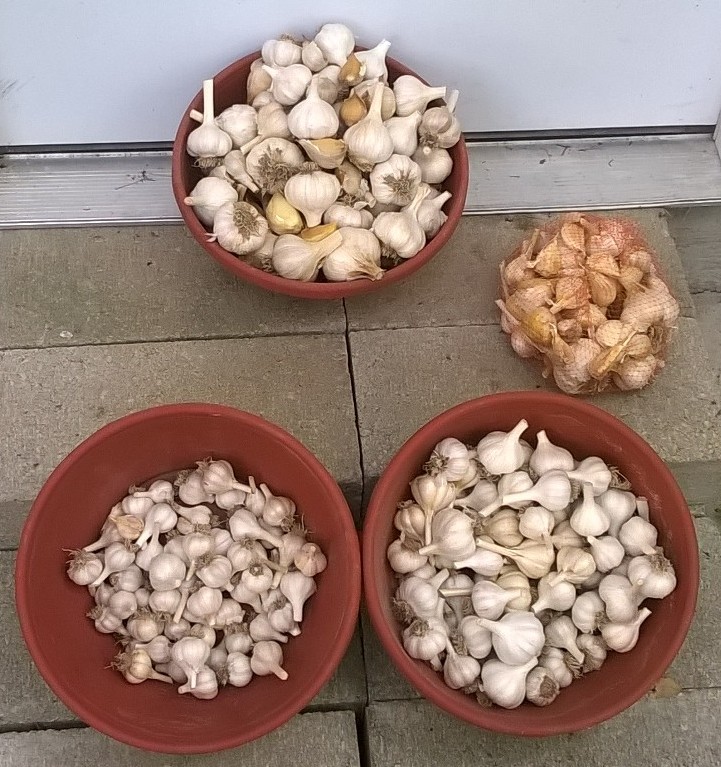
I finally processed the hardneck garlic. A lot of clean up to do. The work is well worth the effort!

WP_20150905_15_54_17_Pro-001     WP_20150905_15_54_23_Pro-001

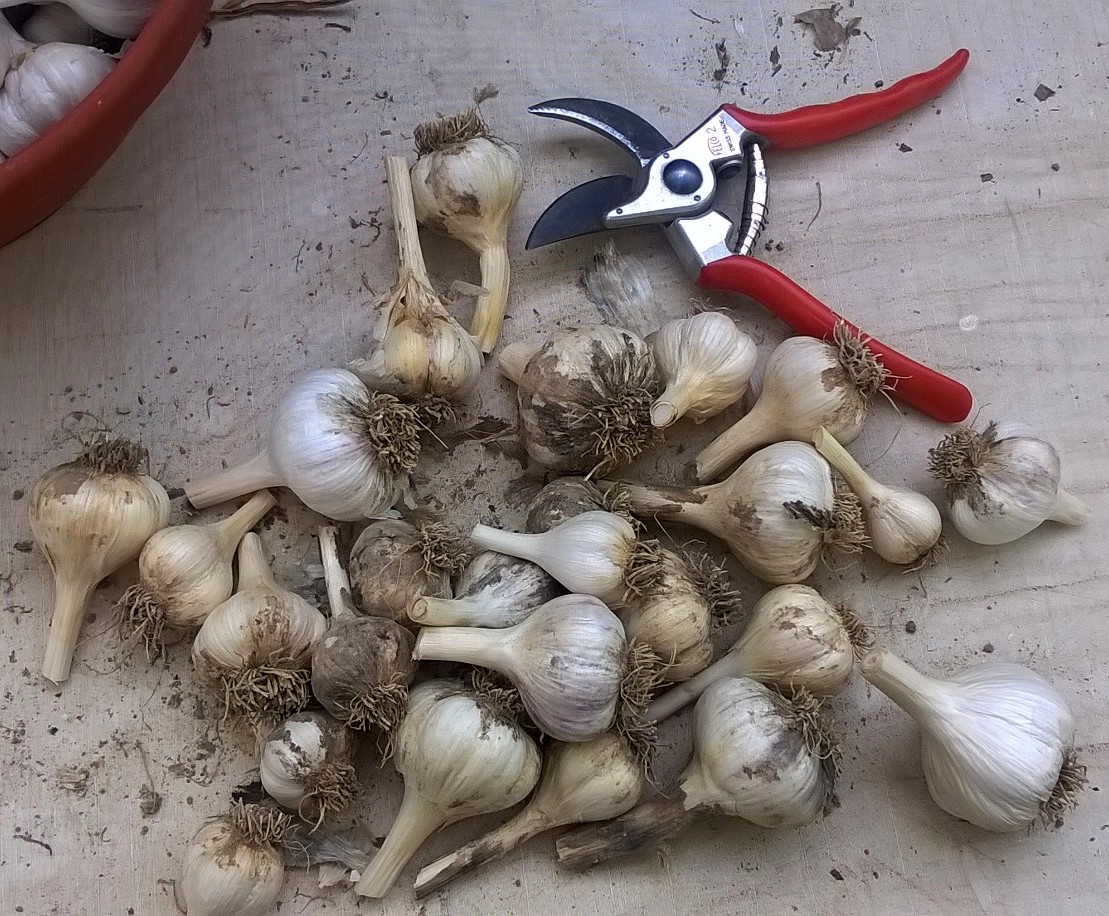
I started by trimming the stalks and roots. Finally, there is the process of removing excess garlic skins and grading.

WP_20150905_15_57_13_Pro-001     WP_20150905_15_56_37_Pro-001

WP_20150905_18_33_39_Pro-001

Last but not least, I put the garlic in net bags. Now I get to eat the fruit of my labor. This garlic is far superior to what you get at the store!

Papa

My Volunteer Butternut Squash Is not Producing! Why??

I received this question from Julie of Charlotte, North Carolina and Diane from Georgia.

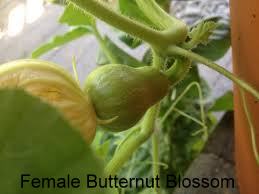
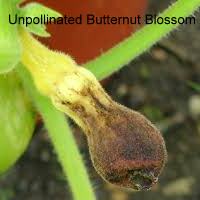
I had a vigorous volunteer butternut squash grow in my garden this year. I had only one beautiful fruit grow to full size. The plant is still growing but each subsequent baby fruit (there have been many) yellows and falls off. It is so disappointing. Any ideas?”

Not  pollinated-001         Hand Pollination

There are many factors that may have caused this issue.

  • Lack of pollination or lack of pollinators.
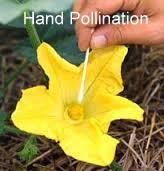
    • The above picture provides a solution when there is a lack of pollinators. Hand pollination is a viable alternative to achieve proper fruiting.
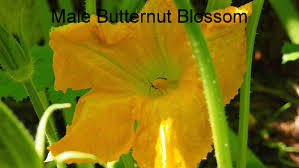
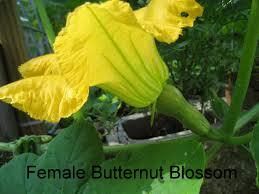
      • Using a Q-tip or a soft paintbrush, you may take pollen from the male flower and apply the pollen to the female flower. Early to mid morning is the best time to pollinate.
      • male blossom-001      Female bloom-001
  • Too much irrigation or flooding causing the roots to be damaged
  • Too little irrigation or drought causing stress and subsequent fruit drop.
  • Disease – bacteria, fungus or virus
  • Blossom end rot – calcium deficiency – http://papasgardens.com/2015/08/14/what-is-blossom-end-rot-is-it-a-disease/
  • Nutrient deficiency
  • Too hot resulting in fruit drop

A good strategy would be to plant your squash early (right after last frost) and again about a month later. One of the two (2) crops may produce because you may avoid excessive rain, drought, disease pressure, cold/heat or insect pressure.

Seaweed emulsion or kelp meal will pick up any nutrient deficiency and aid the plants with stress issues.

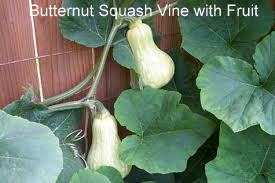
Squash vine-001

It is worth the effort to produce delicious squash!!

Papa

Succession Planting for Success!!

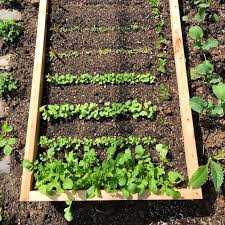
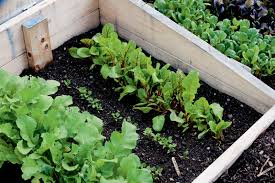
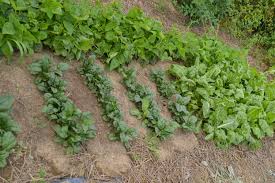
It is amazing how many times I hear of someone’s lack of success for certain crops. When you “put all your eggs in one basket” and only plant one time, that is often the basis for disappointment. If you do several small plantings a week to 10 days apart you have a much better chance for meeting your expectations. Succession planting will fulfill your idea of a good garden!!

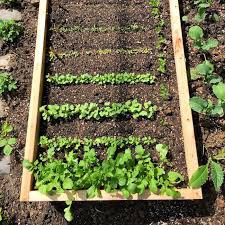
succession planting            succession planting1

There are several strategies that maximize your efforts. You will be astounded when you see how much produce you can get from small areas.

  • Two or more crops in succession: After one crop is harvested, another is planted in the same space. The length of the growing season, climate, and crop selection are important issues.
    • For example, a cool season spring crop (such as Irish potatoes) could be followed by a heat-loving summer crop (bush beans). The beans require less fertilizer and supply free nitrogen to the soil. The  bush beans are not bothered by the potential diseases of the potatoes.
    • Likewise, garden peas ( a legume) could be planted in cooler  weather, followed by tomatoes or squash.
  • Same crop, successive plantings: Several smaller plantings are made at timed intervals, rather than all at once. The plants mature at different dates, providing a continuous harvest over an extended period.
    • Lettuce, spinach and other greens are common crops for this method. The beauty of this approach eliminates the overwhelming effect of too much produce at one time.
      • There are many lettuce types from which to choose:
        • Looseleaf, Butterhead, Cos (romaine), Buttercrunch, Batavian, Heading and Chinese. Some of the Looseleaf and Romaine types may be grown in warmer/hotter temperatures.
  • succession planting3
  • Same crop, different dates of maturity: Planting different varieties (for example broccoli or tomato) that come to harvest at successively later dates.
    • Calabrese Green Sprouting broccoli matures 10 – 14 days earlier than Waltham 29 broccoli.
    • Stupice tomato starts to fruit in 55 days, Roma tomato 70 days and Black Krim tomato 85 days. Plus Stupice and Roma are much smaller plants which can be planted in front of the taller Black Krim.

Using one or all of these methods will give you a greater chance for success in your gardening endeavors. Enjoy your new opportunities!

Papa

Pest Control – Nature’s Way – the Braconid Wasp

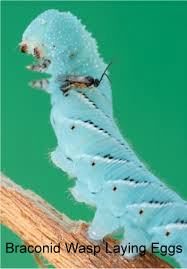
You may have seen this phenomenon at one time or another. Little white cocoons on the back of a tomato hornworm. Those cocoons are from the larvae of the Braconid wasp.

WP_20150830_19_09_27_Pro        WP_20150830_19_10_16_Pro

New adult Braconid wasps will emerge from those little cocoons!

Braconid wasp emerge

These amazing ladies and gents are only 1/8th inch long and rely on the caterpillars of many butterflies and moths to perpetuate the species. A fertile female wasp will use her ovipositor (egg laying lance) to lay eggs in the caterpillar of tomato hornworms and other destructive caterpillars.

Braconid Sting3A-001

The life cycle continues over and over again causing destruction of the caterpillars and rewarding us with juicy tomatoes and undamaged plants!!!!

Papa