
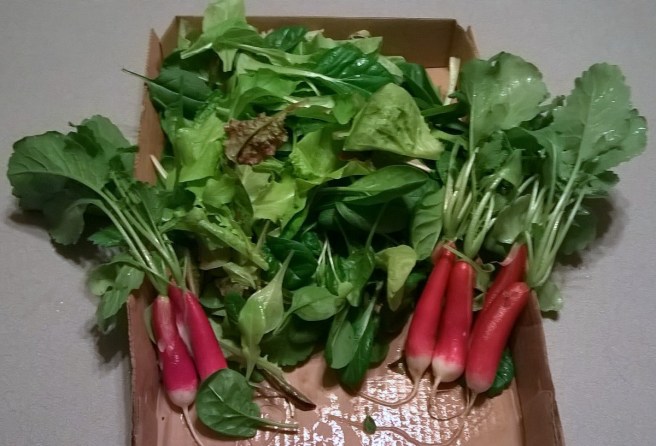
A nice salad for tonight. Mixed lettuce, tatsoi, baby spinach and French Breakfast radishes. YUM!!!!
Add a few carrots, celery and olives. Mix it all together and you have garden fresh salad!
Papa

A nice salad for tonight. Mixed lettuce, tatsoi, baby spinach and French Breakfast radishes. YUM!!!!
Add a few carrots, celery and olives. Mix it all together and you have garden fresh salad!
Papa
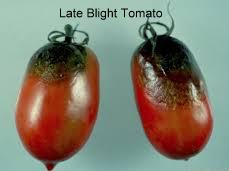
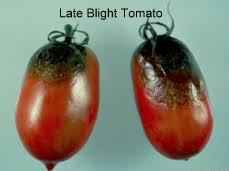
Late blight, which is caused by a fungus Phytophthora infestans, is one of the most destructive and contagious plant diseases directly affecting the fruit and killing the plant. (Phytophthora means ‘plant destroyer’ in Latin)
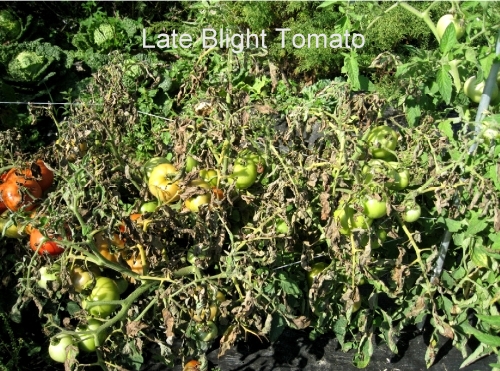
Late blight spreads like a wildfire. This fungus produces spores in abundance and with the help of moist wind they will travel up to 30 miles. It is imperative to destroy infected plants as soon as possible as this disease is easily spread.
This disease shows up in late summer as the hot and warm humid days may be followed by cool and moist nights with accompanying rain, fog and heavy dew. This is a indicator to the home gardener to become watchful for the signs of late blight.
What to look for:
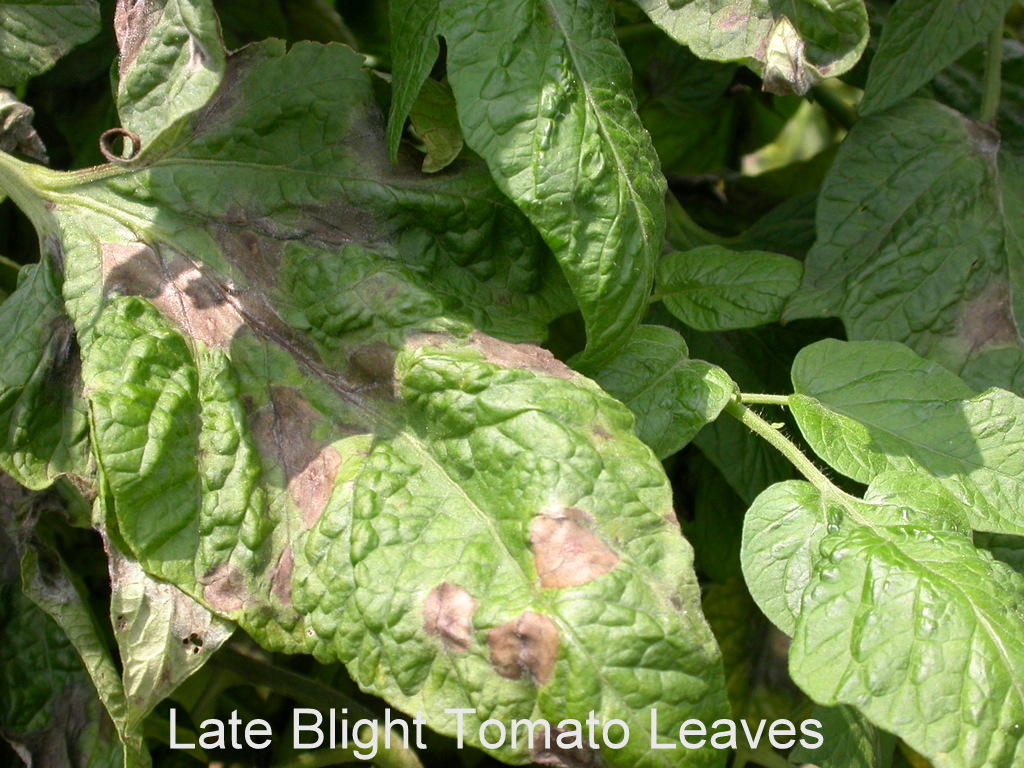
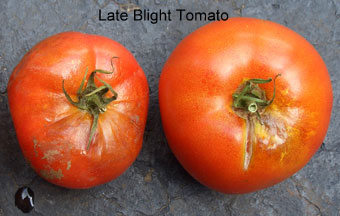
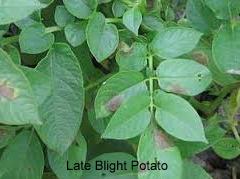
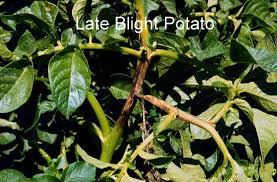
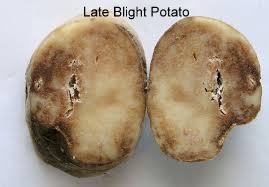
Can this disease be prevented?
Are there blight resistant tomatoes?
An article in growveg.com (January 17, 2014) by Barbara Pleasant offers a list of 9 blight resistant tomato varieties offering excellent to very good resistance.
They are:
Are there blight resistant potatoes?
Harvesting potatoes:
Harvesting tomatoes:
A photo gallery of this disease: http://www.hort.cornell.edu/lateblight
Cleaning the garden of all living debris, tomatoes and potatoes is essential. Burn or bag this debris for disposal. Do not compost. Again, this is a very contagious disease.
Is there a cure?
Late blight has been with us a long time. The potato famine in Ireland of 1845 was caused by late blight. As you have read this disease is highly contagious and your daily observations are necessary to spot the symptoms and act accordingly.
Papa
.
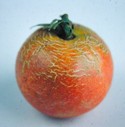
Russeting is characterized by multiple micro cracks in the tomato skin which are often concentric; also called cuticle cracking. This disorder is caused by fluctuations of soil temperature and soil moisture.
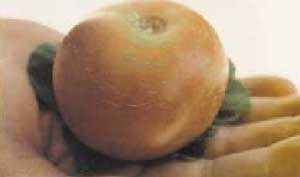
This is a physiological disorder – a problem caused by the growing conditions rather than by a pest or disease agent. Inappropriate levels of water ( drought, fluctuations in watering/rain, flooding), light, temperature (stop and start growing) and nutrients can all cause a variety of physiological disorders in tomatoes.
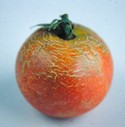
The fruits are especially vulnerable as they are at the growing tips and have to compete with the new shoots for water and nutrients.
The cuticle, the very outside, transparent layer, of the fruiting skin may become less elastic. As the fruit grow, the cells of the fruiting skin loose their elasticity and small cracks start to appear.
Excessive temperature changes during the daytime and nighttime cause the skin of the fruit to react to the air around it. Water condensation within the skin of the fruit may expand and contract causing cracking.
These suggestions may remediate tomato russeting:
Papa
I just uploaded a new video documenting how to make and install floating row covers.
Supplies you will need:
Low tunnels using floating row covers is of great benefit for several reasons.
This is another method and tool for your gardening arsenal!!!
Papa
I’ve grown broccoli for the last two years and all I get are huge plants with either little or no flower heads. What seems to be the problem?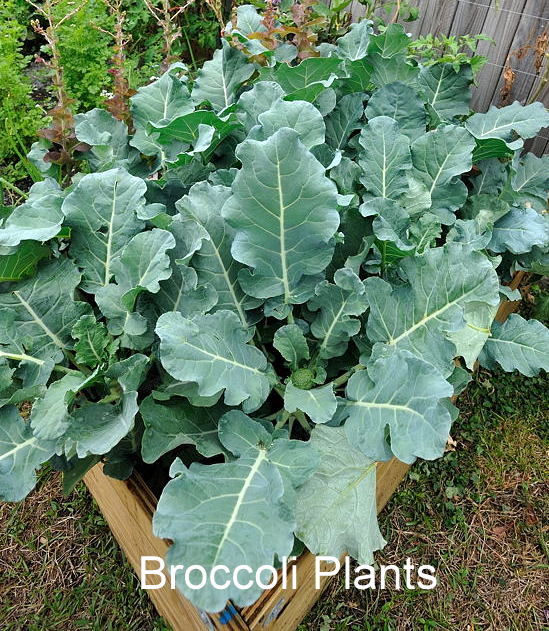
Timing is key!! Broccoli likes to stay cool.
Causes of no or poor flower heading:
Prevention:

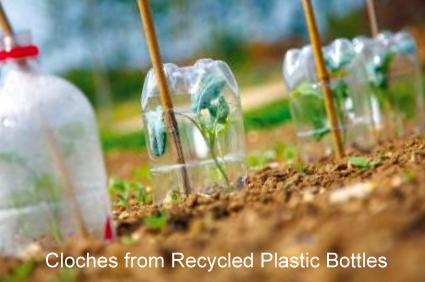 Plant in Fall.
Broccoli are sensitive to their environment. When treated with care, they will reward you!
Papa
 Papas Gardens