It’s Summer Time in the Ozarks!

Welcome to Summer at Papa’s Gardens! The rains continue and everything is green, blooming, fruiting and growing.

IMG_2548-001.JPG

Enjoy what is happening!

IMG_2443

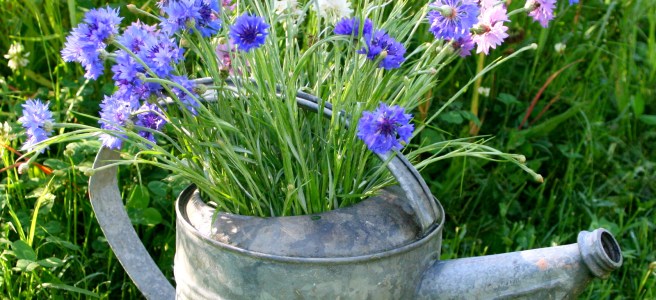
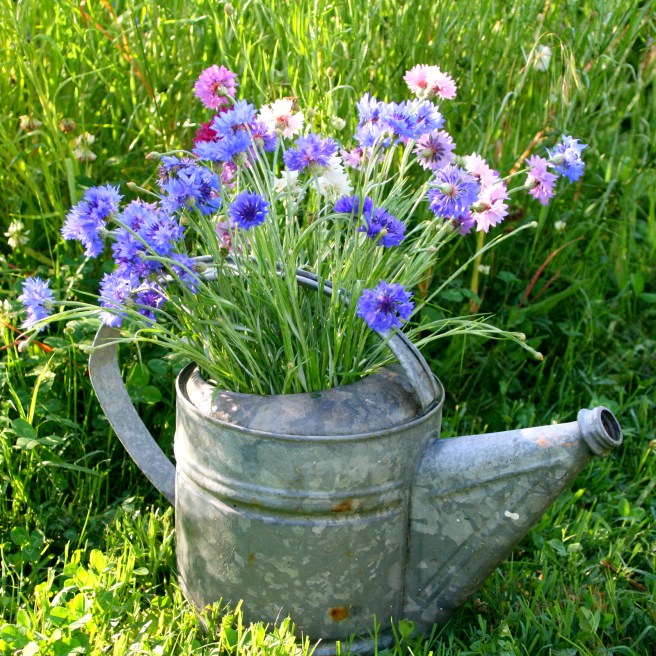
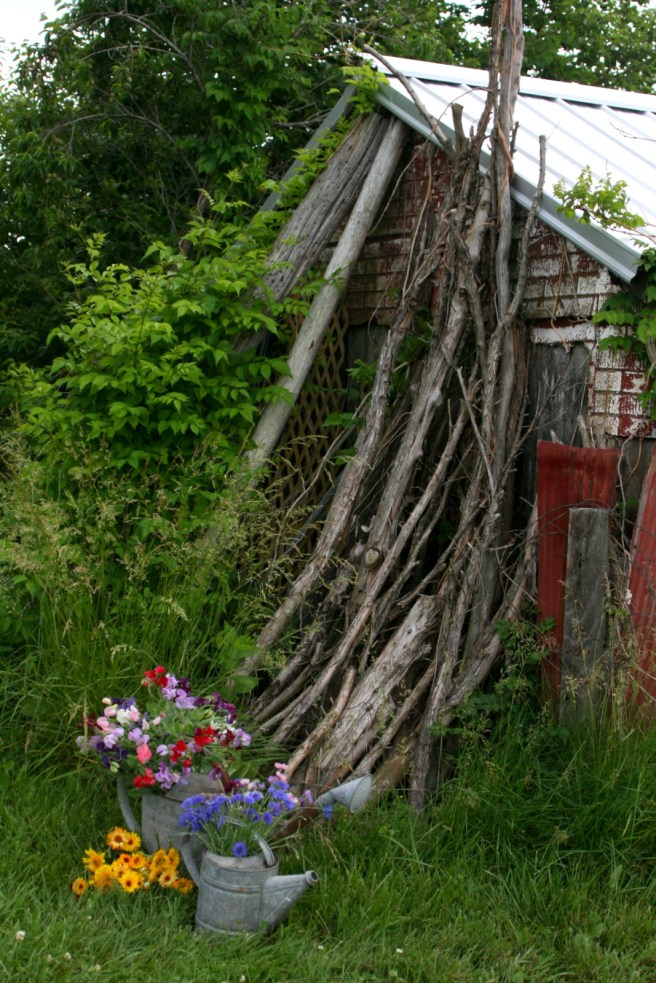
Bachelor’s Buttons self seeded from last year.

IMG_2563

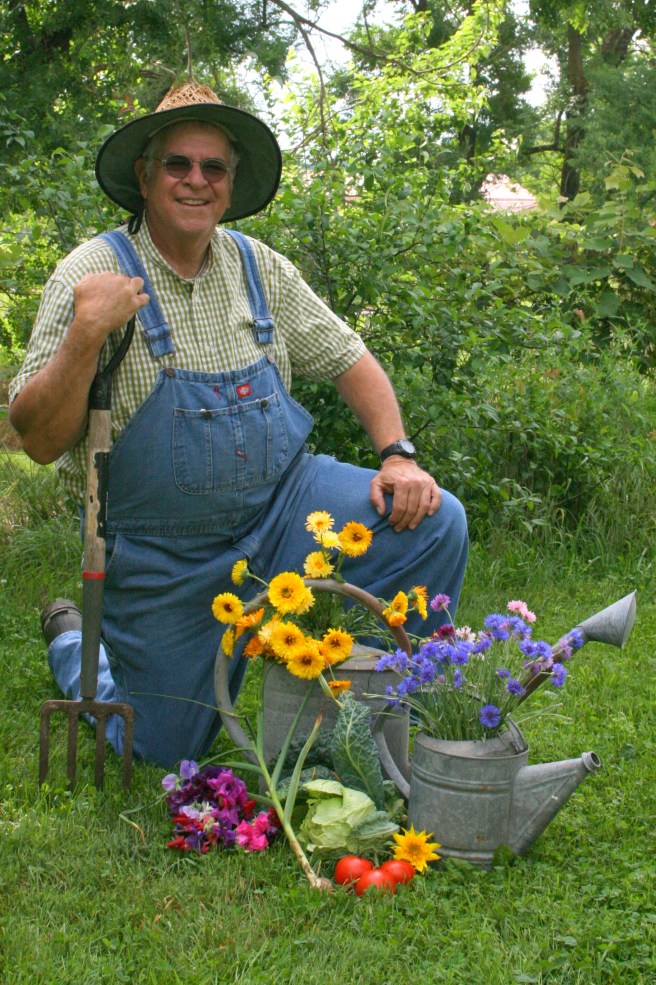
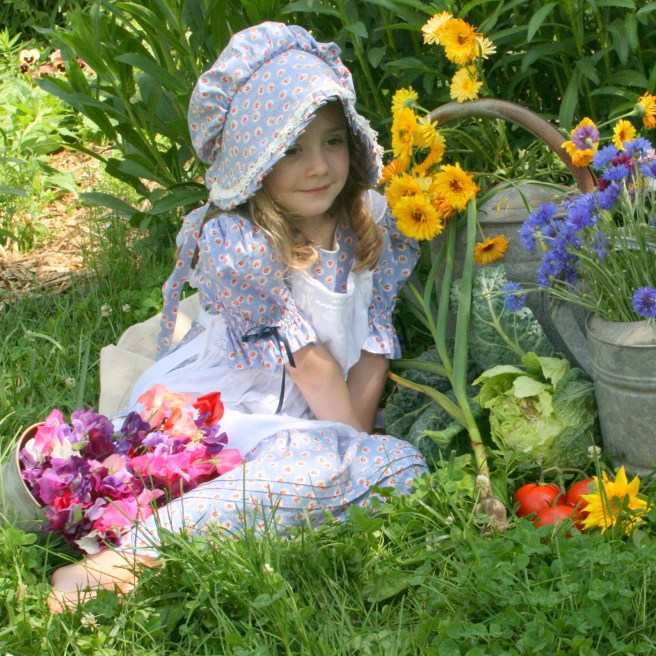
Miss Sunshine enjoying Sweet Peas and Calendulas from the Hoop House.

IMG_2653

The colorful flowers even make our old shed look good!

Enjoy the the sunshine.

~Papa

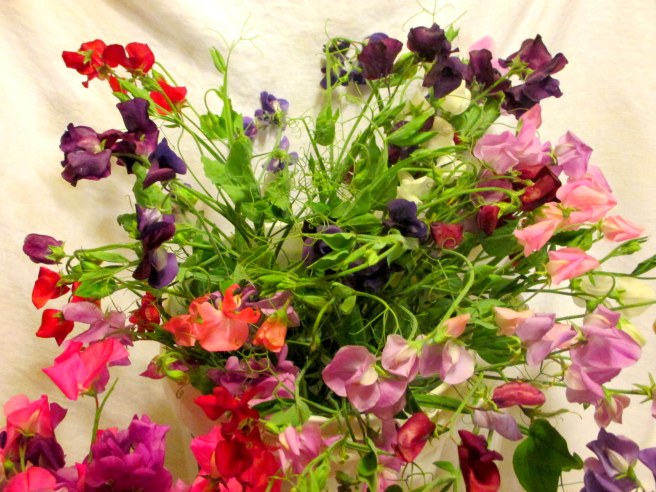
Knockout Colors of Heirloom Sweet Pea Blossoms

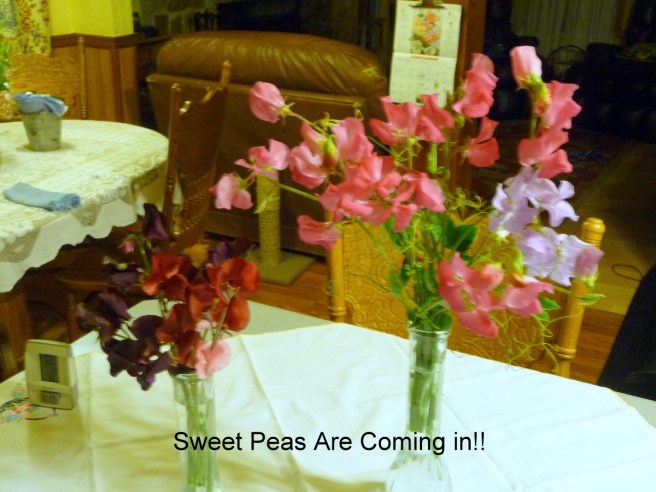
Check out the third cut of our Sweet Peas.

IMG_0623

Visits with local florists have been encouraging and enlightening. Apparently Sweet Peas have not been offered for decades in this area. Many younger designers did not know what they were.

IMG_0627

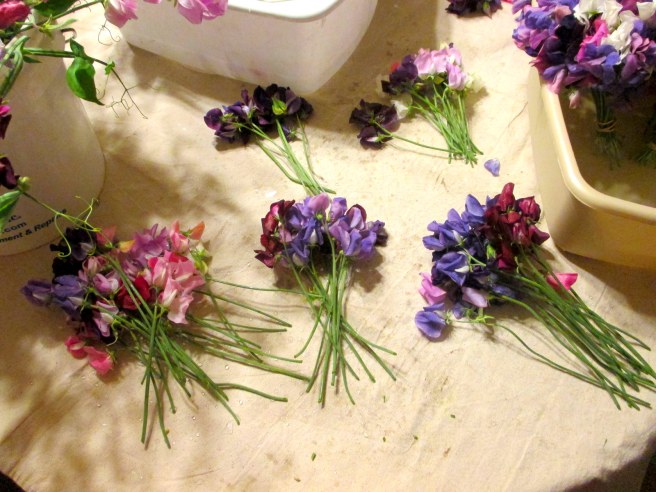
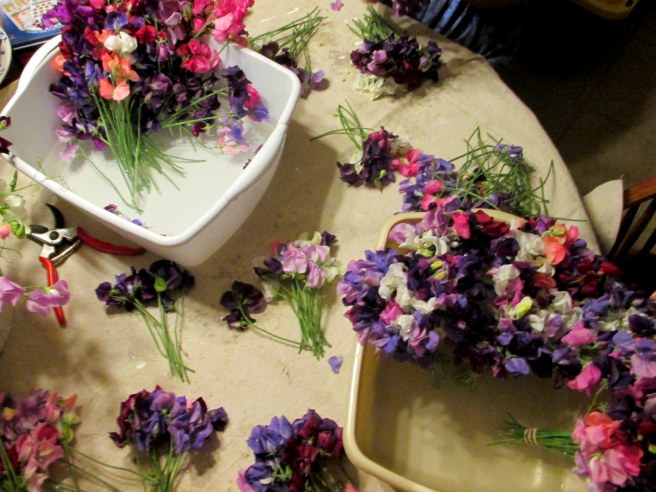
Grading in bundles.

IMG_0626

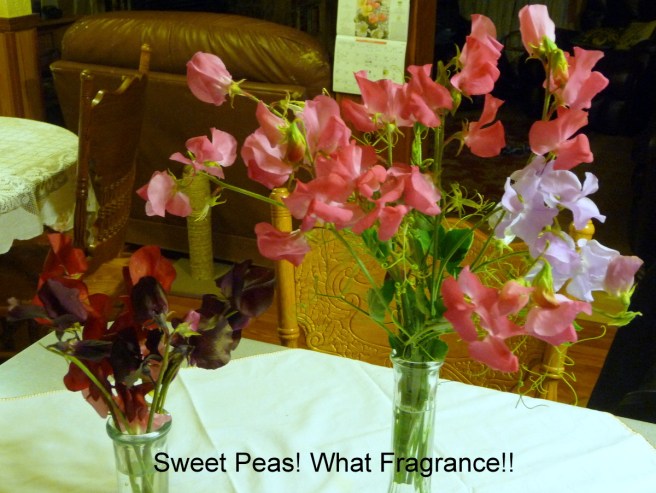
This process allows us to offer the very best of color and freshness. The fragrance fills the room.

IMG_0625

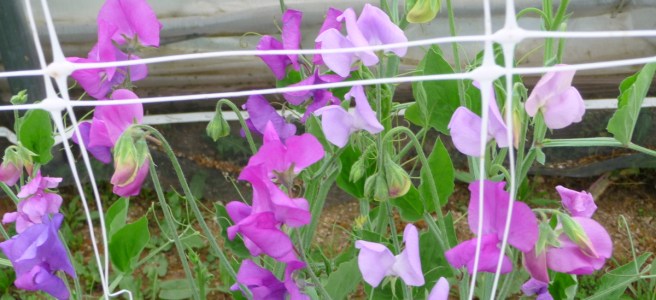
More sweet peas on the vine for floral arrangements.

IMG_0636-001

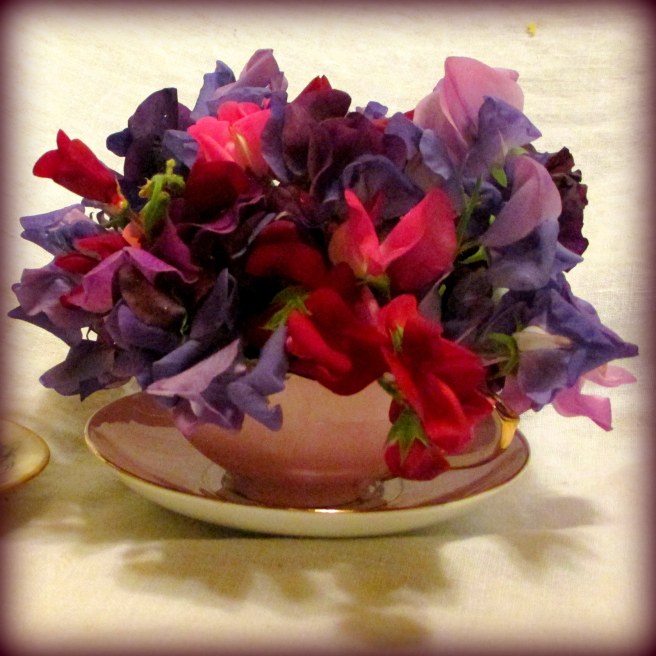
A simple arrangement from irregular and short stems. A tea cup and saucer provided the perfect “look”.

Aren’t they beautiful?

Papa


Sweet Peas Blooming! Dahlias Planted, Finally!

Sweet Peas are definitely worth the wait. I walked into the hoop house the other day and was overwhelmed by an incredible sweet fragrance. Whoa!

The range of colors, diversity and the heady fragrance, are quite a combination! This experience is quite a learning curve. The Elegance Mix and Spencer seedlings were started in cell trays using a compost enhanced potting mix. The seeds best germinated at 60° to 65° (F). The seedlings were placed 6 inches apart in a raised bed with plastic netting to allow the peas to climb to a potential height of 8 feet.

Next year I plan to direct seed some of the sweet peas for a comparison. I believe the plants and subsequent blooms will be stronger.

Next up are seedling dahlias. Started in cell trays with well nourished potting soil, cactus flowered and double flowered mixed colors should be a delightful opportunity for our local florists. The amazing fact is dahlias can grow in 120° (F) heat. Originally from Mexico, dahlias are a natural to grow in a hoop house. I am looking forward to a plentiful harvest.

We will keep you posted on our progress!

Papa


Of Cabbage and Calendula

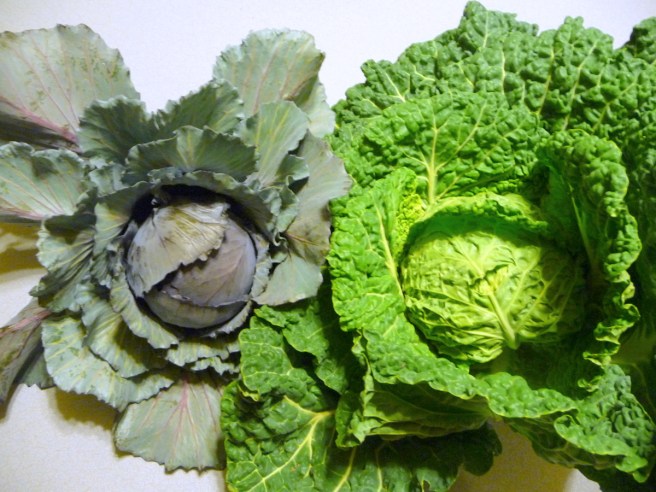
Recently I harvested two varieties of heirloom cabbage.

Red Express cabbage is a compact red cabbage which harvests in 60 – 65 days. The compact nature allow for closer planting which is a plus. Red Express has great resistance to aphids and cabbage worms. The flavor is mildly sweet eaten raw and it is wonderful pickled.

Aubervilliers savoy cabbage produces mature cabbage in 80 days. This beautiful crinkled cabbage has a mild sweet cabbage flavor. The savoy leaves make this variety a good fit for garnishes, stuffed cabbage and coleslaw.

P1040384

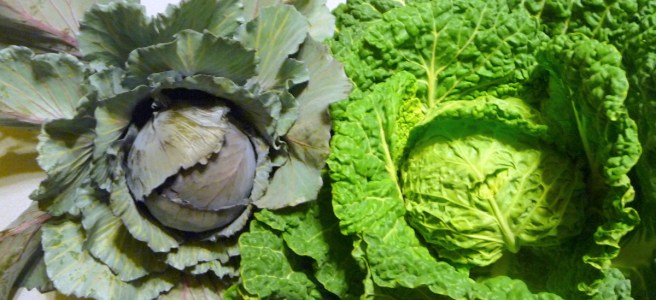
Red Express cabbage and Aubervilliers cabbage.


Calendula Kablouna: Heirloom known for mildew resistance.

Originally, Calendula was called Pot Marigold and used as a cool season flowering plant. However, the Indian Prince series is known for flowering  June through October. It can be used as a bedding and potted plant. I enjoy them as cut flowers in smaller arrangements and bouquets.

Direct seeding to flower is 70 days. Grow with your cole crops [Cauliflower, Broccoli, Cabbage and Greens] . They make a beautiful border and look equally beautiful interplanted in the garden.

Orange petaled varieties are used as a saffron substitute, a “poor man’s saffron”. Please remember, do not use chemical sprays (insecticide) on the plants or flowers, as this will render them inedible.

Yes, Calendula is an edible flower.  Salads, soups and garnishes take on more interest and color when they are incorporated. The greens are edible as well but use sparingly as they can be bitter.

Calendula can been used as a beautiful yellow dye. When the blooms are dried the petals can also be added to potpourris.

Calendula has long been known to sooth the skin and can be used in lotions and oils. Calendula tinctures, ointments, and washes are often applied to the skin to help burns, bruises and cuts heal faster.

This versatile flower is deserving of your garden, don’t you think?

Papa


What’s Happening?

Introducing our newest family member – Oakley (who doesn’t like her picture taken!) She is quite the lady and has started learning the skills of country life.


We like our birds!!!! A small showing of our “regulars”.


Hoop house growing! The spinach and cabbage remain delicious!


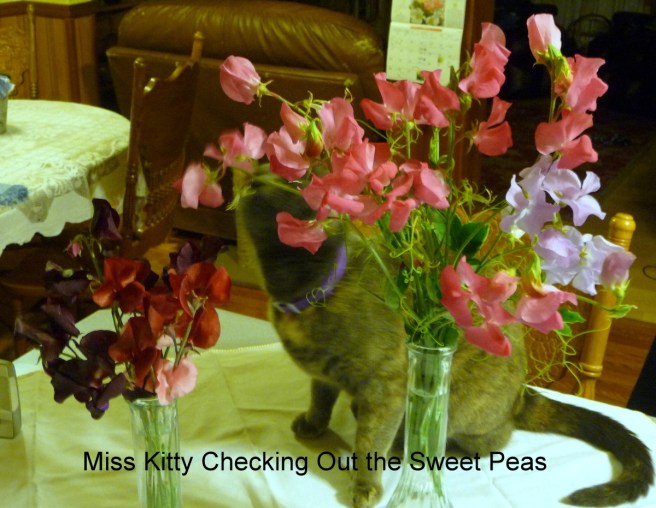
Let’s not forget Miss Kitty, our tomato transplant supervisor. As quick as the transplants were re-potted, she would playfully paw them out of the pot. She is a very curious kitty!!


Papa presenting at the Wabash Valley  Master Gardener Spring Conference in Terre Haute, Indiana. The topic , “Starting a Seed Saving Garden”. This wonderful group of dedicated Master Gardeners is very active in their community. Kudos to all your community service projects!!

Wabash Valley Master Gardeners


Spring  flowers are cheerful! It is a delight seeing colors once again! Real “eye candy” for the soul.


Papa

Spring Has Sprung!!

Plants are blooming early this year in the Missouri Ozarks. Add to that some crazy temperature swings. This morning (Feb. 29) it was 26° and in the 70°s this afternoon.

Papa planted Sugar Ann snap peas in the hoop house.

Check out these veggies growing in the hoop house!!

The Cole crops (broccoli, cabbage, cauliflower, Chinese cabbage & collards) were started January 29 and are now ready to plant.

P1040309-001

Gardening is such fun!!

Papa


Sweet Peas for the Sweet!!!

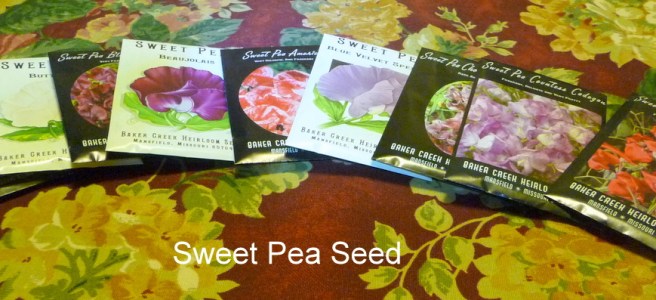
Now is the time to start Sweet Peas for winter and early spring production. Sweet Peas (Lathyrus odoratus) are members of the legume family Fabiaceae which hail from Southern Italy, Sicily and the Aegean Islands.

Henry Eckford of Scotland is responsible for the incredible crosses which produced many of the famous heirloom varieties known today. The noted beauty and fragrance is a direct attribute of the careful breeding by Eckford in the late 1800s through 1906. The breeding production of today focus on stem length and lasting abilities of cut flowers.

Sweet Peas require scarification (nicking or abrading the seed coat to enhance seed germination). Warm water soaking of the seeds may also enhance germination.

Use a nail file or nail clippers to nick the seed coat. The nicking or “chipping” will speed up the germination process. By the way, this is a tedious process. Make sure you give your self plenty of time to keep on schedule for your planting area.

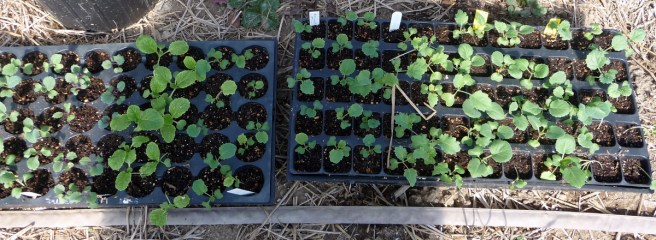
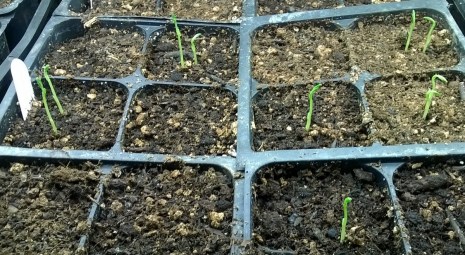
Planting in large cell packs or 4″ pots for transplants is a proper way to plant exactly where you desire. Start the process by using a soiless soil mix with generous compost added. Make sure the soil is adequately moist and plant the seed 1″ deep. I usually plant two seed per cell or pot. Once planted, water in the cell packs/pots and place where the soil temperature is  65° to 68° (F). I know that sounds pretty cold but that is what sweet peas prefer.

The correct germination temperature will insure proper germination in 7 to 10 days. When most of the seeds have germinated move the seed flats to a much cooler area (45° to 55° (F)). A mildly heated greenhouse, coldframe or hoop house will do the trick. Sweet pea seedlings can take it down to 32° (F). The added benefit is stronger and cold tolerant seedlings.

WP_20160106_18_47_46_Pro

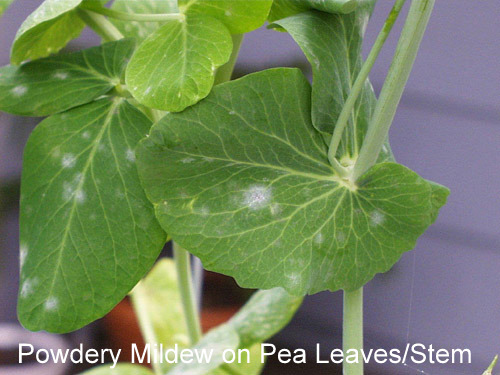
Sweet peas may be bothered by aphids when planted outside. The aphids spread disease and stunt the plants and subsequent production. The other area for concern is powdery mildew. Powdery mildew is caused by too much shade and poor air movement. Watch cultural practices (such as full sun and planting further apart to provide air circulation) to prevent the scourge of this pernicious disease.
peapm

Be careful with sweet pea seeds! They are toxic for consumption. If you have small children the seeds could be enticing!

I will keep you posted on future development.

Papa


The Garden Grew So Fast!!

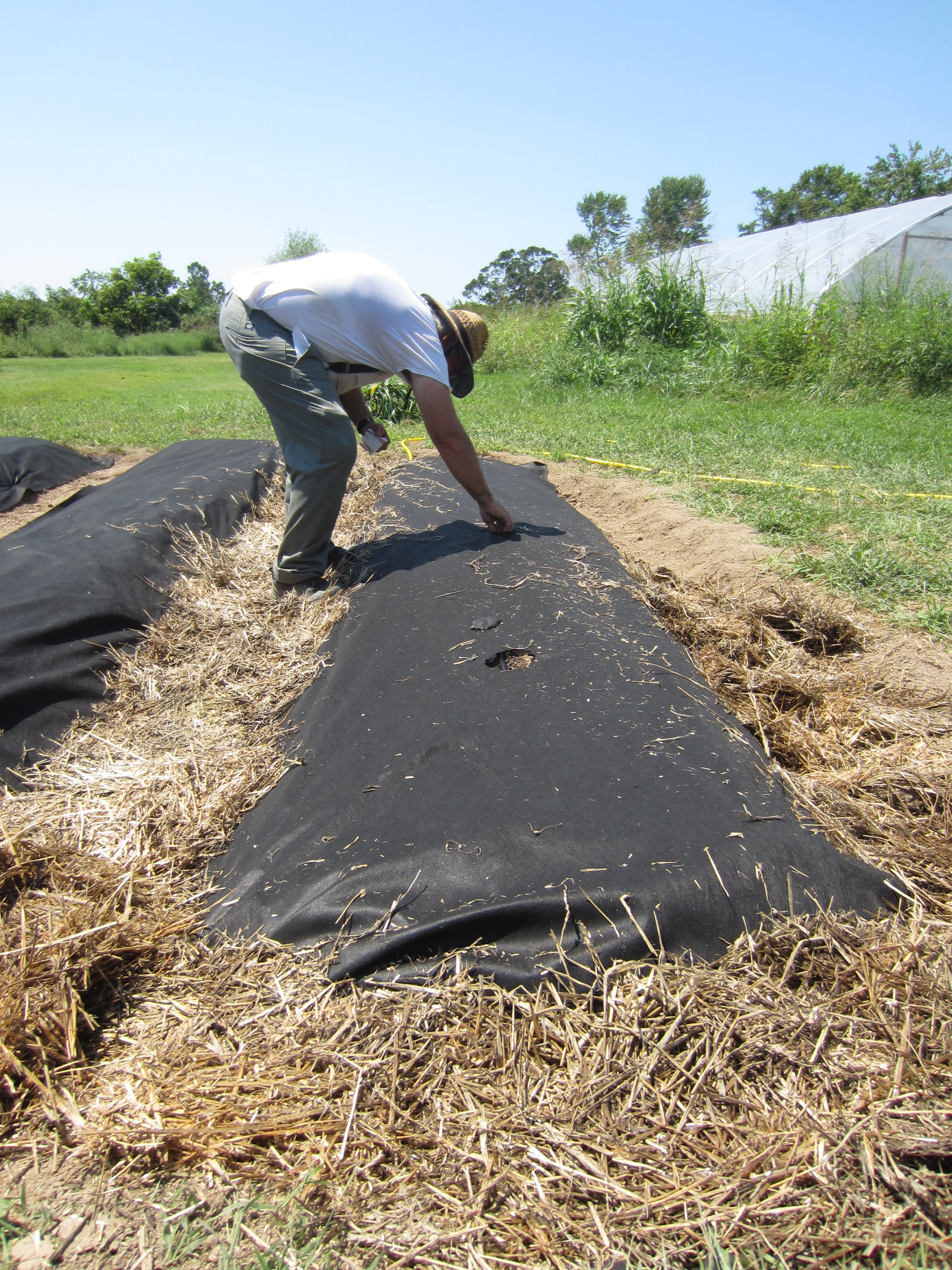
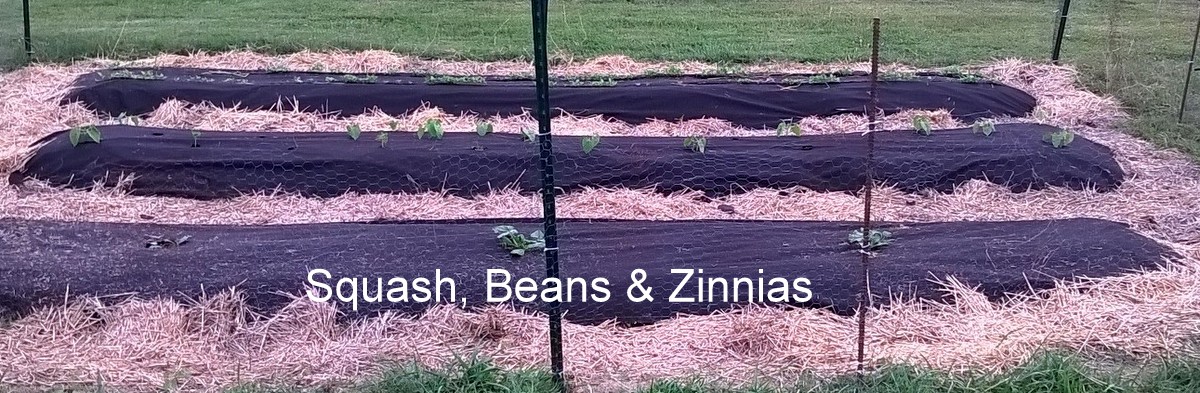
I made three garden raised beds on August 18 and now they are starting to bear fruit! I planted zucchini, green beans and zinnias.

IMG_0058

Here are the beds two weeks later.

WP_20150828_18_37_18_Pro

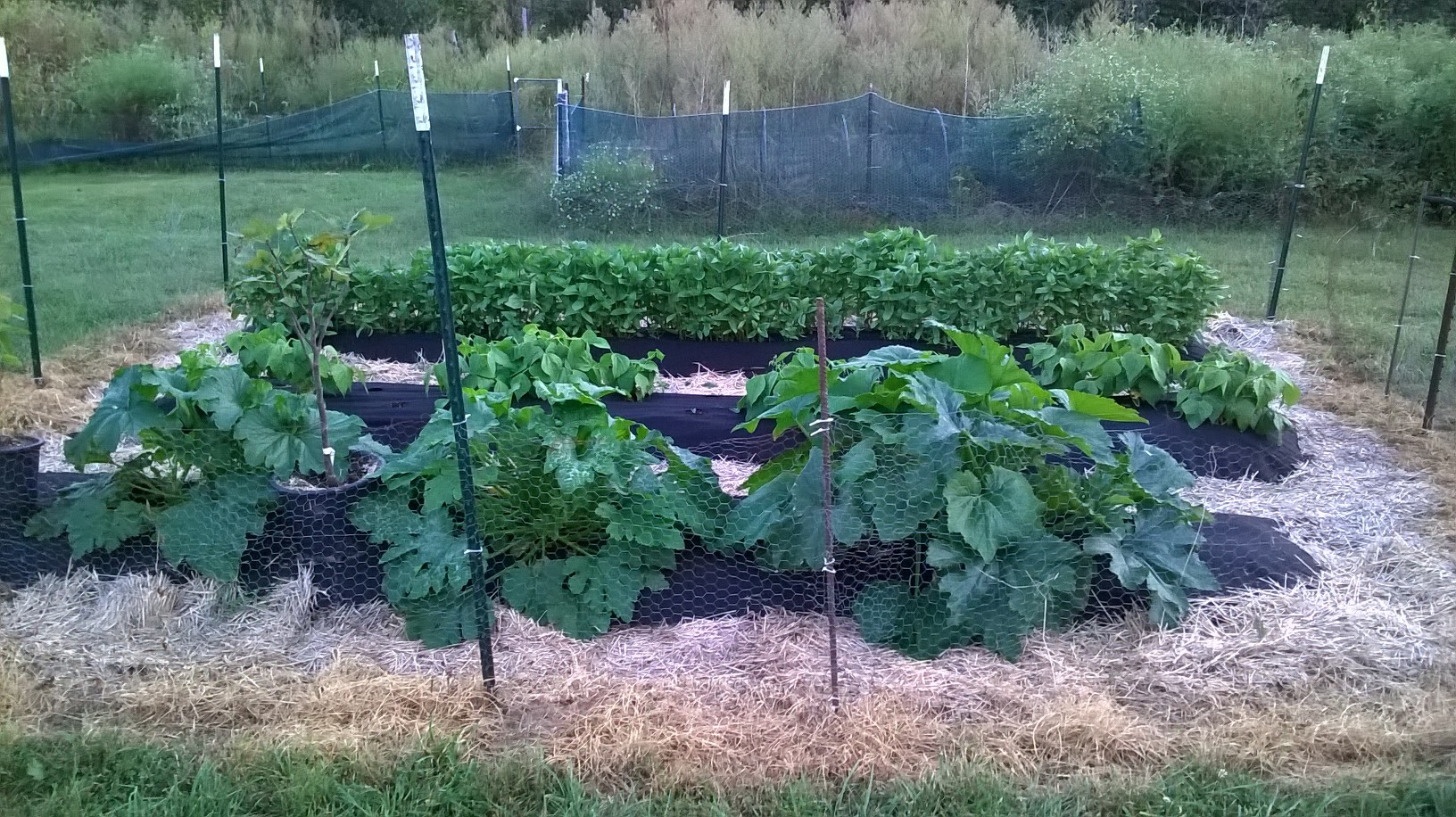
Finally, the same three beds on September 23!

WP_20150922_19_00_18_Pro

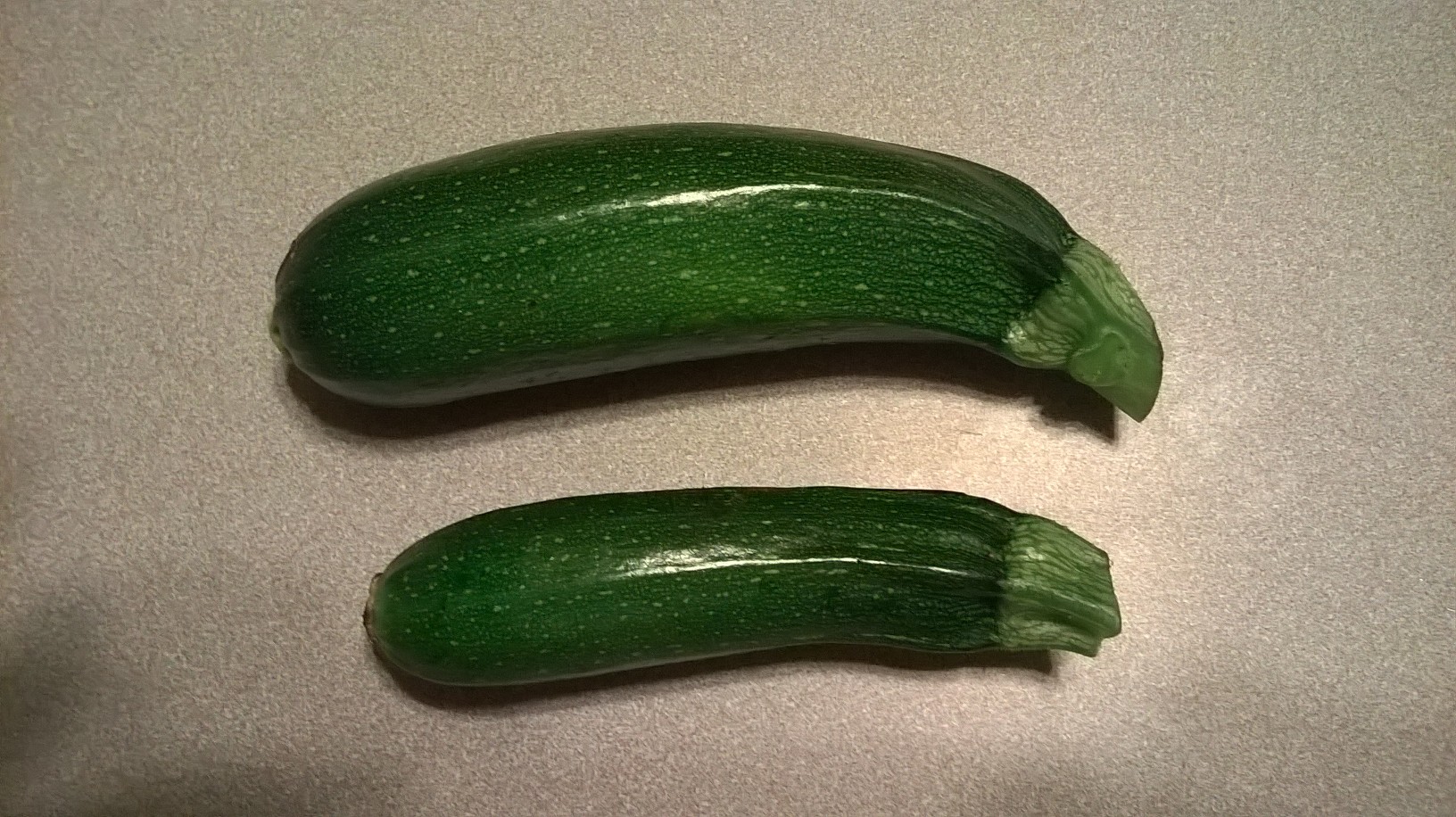
Truly amazing!! Here are the first fruits!

WP_20150922_19_34_15_Pro

37 days from seed to fruit from a 45 day variety of zucchini. Again this proves that warm season vegetables grow faster when the soil is warm and there are proper nutrients. The green beans are beginning to flower and the zinnias have large flower buds!

Planting early is not always the best policy. Plus, now there are less chewing and probing insects. Stay tuned!!

Papa

Seed Saving Garden? What’s That? Part 4

There is no more popular vegetable than the tomato. The seed is easy to save and well worth while!

  • Tomato: self pollinating

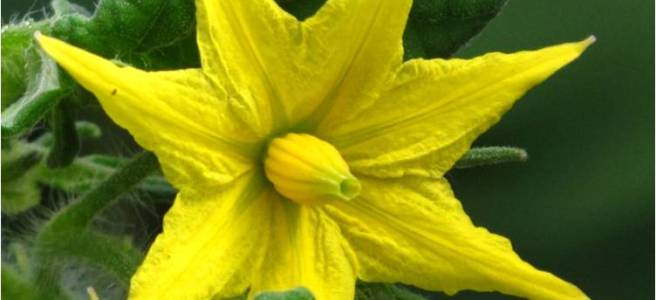
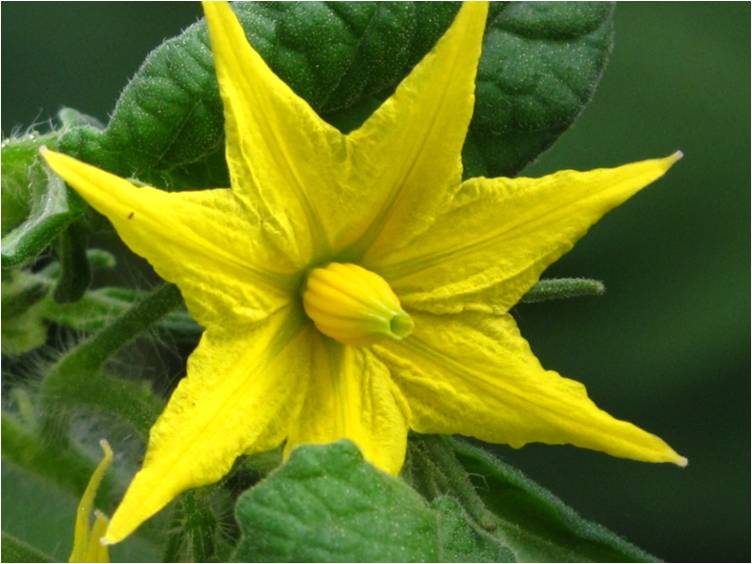
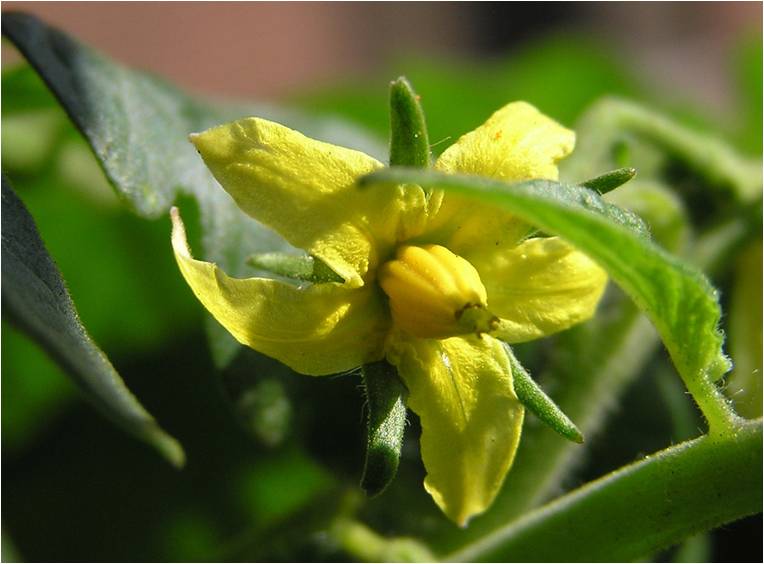
Inserted stigma: the female part of the flower is encased inside the anther    cone in the center of the flower.

-10 – 20 feet between varieties
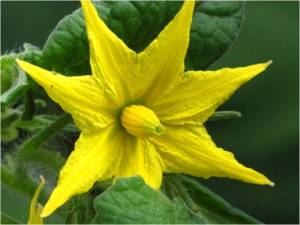
inserted stigma

–Most tomato varieties have this blossom structure.

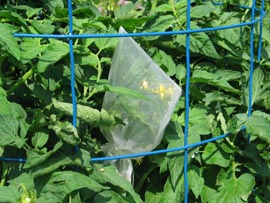
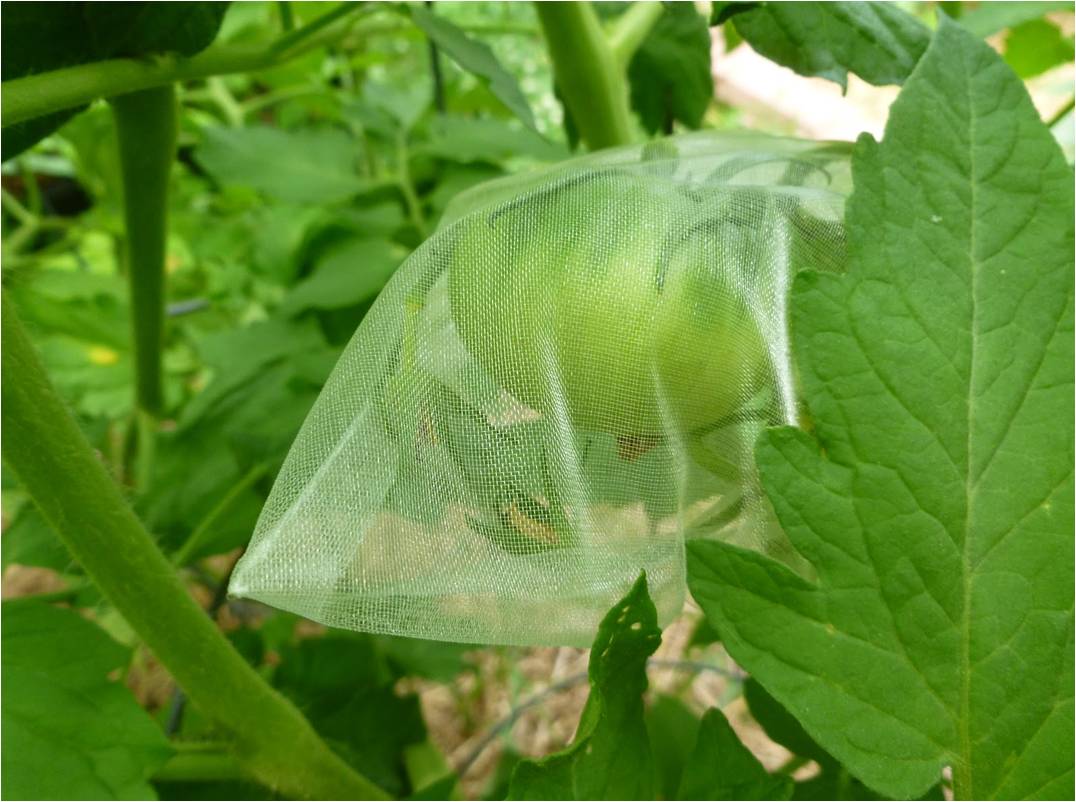
–Blossom bag around cluster if garden is small and isolation distances cannot    be met.

–10 plants for sufficient seed quantities

–Seeds are viable 4 – 6 years

Exposed stigma: the female part of the flower is outside the anther cone in the    center of the flower.

-20 – 50 feet between varieties
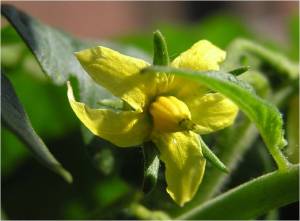
exposed stigma

–Potato leaf and black/purple varieties have this blossom structure.

–Blossom bag around cluster if garden is small and isolation distances cannot  be met.

–10 plants for sufficient seed quantities

–Seeds are viable 4 – 6 years
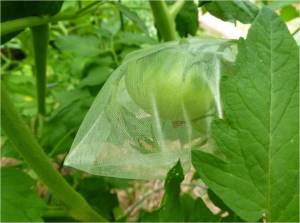
Tomato seed saving     seed saving cages tom flowers 1tomBag1

  • Make sure to label your bagged tomato fruit when removing bag to identify your seed savers.
  • Remember, bags may be removed with evidence of small developing tomato fruit.

Harvest when fruit is fully colored and ripe. Make sure you harvest fruit that comes from healthy plants and fruit (disease free).

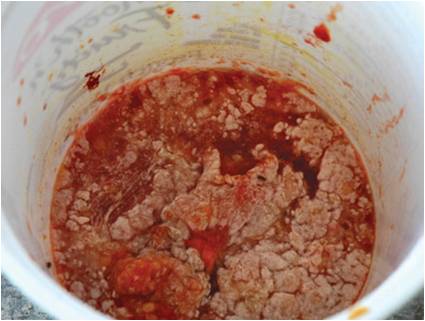
Fermentation of tomato seed is required prior to drying. Fermentation removes the gel coat around each seed. The gel coat may inhibit germination.

Crush tomato fruit into a jar or bowl. Add a small amount of water to the pulp.
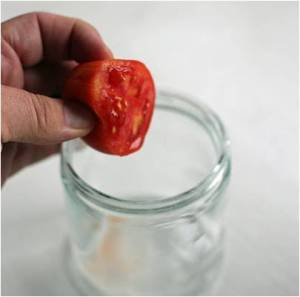
Tomato seed saving2

Allow pulp to ferment for 2-4 days (2 days if 80°-95° (F), 4 days if below 80° (F)).
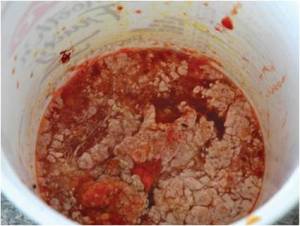
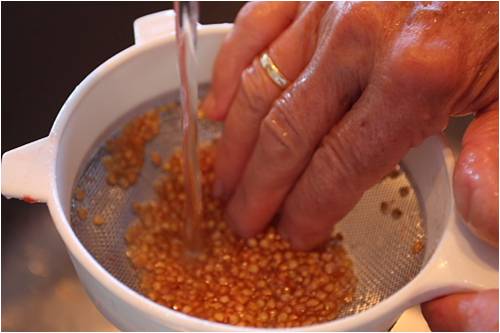
Tomato seed saving3Strain mixture to remove the pulp and fermented material.
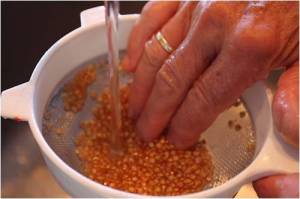
Tomato seed saving4

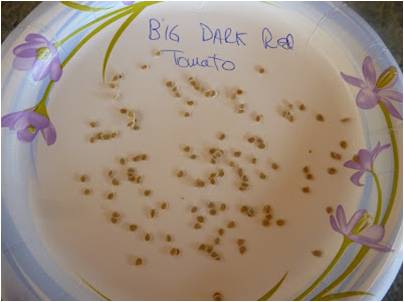
Place the moist seeds on a labeled paper plate and allow to dry for 2 weeks.
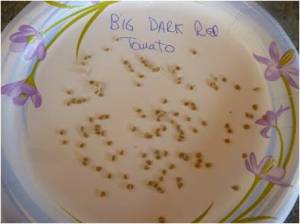
Tomato seed saving1Scrape seed off of the paper plate and place in a labeled paper envelope (place envelope in a freezer zip lock bag) or small glass jar. Place saved seed in a cool, dark and dry place or your freezer.

Saving tomato seed is easily accomplished and low tech. Plus, the saved seed will last for many years.

Papa