Create a hummingbird haven!

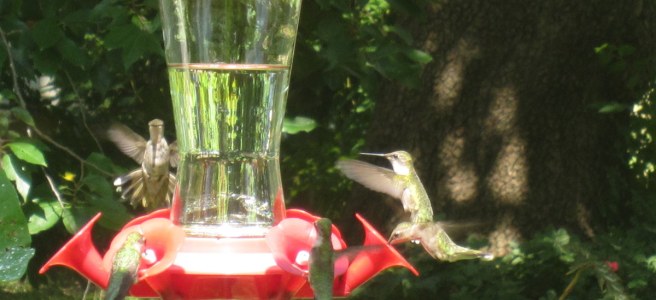
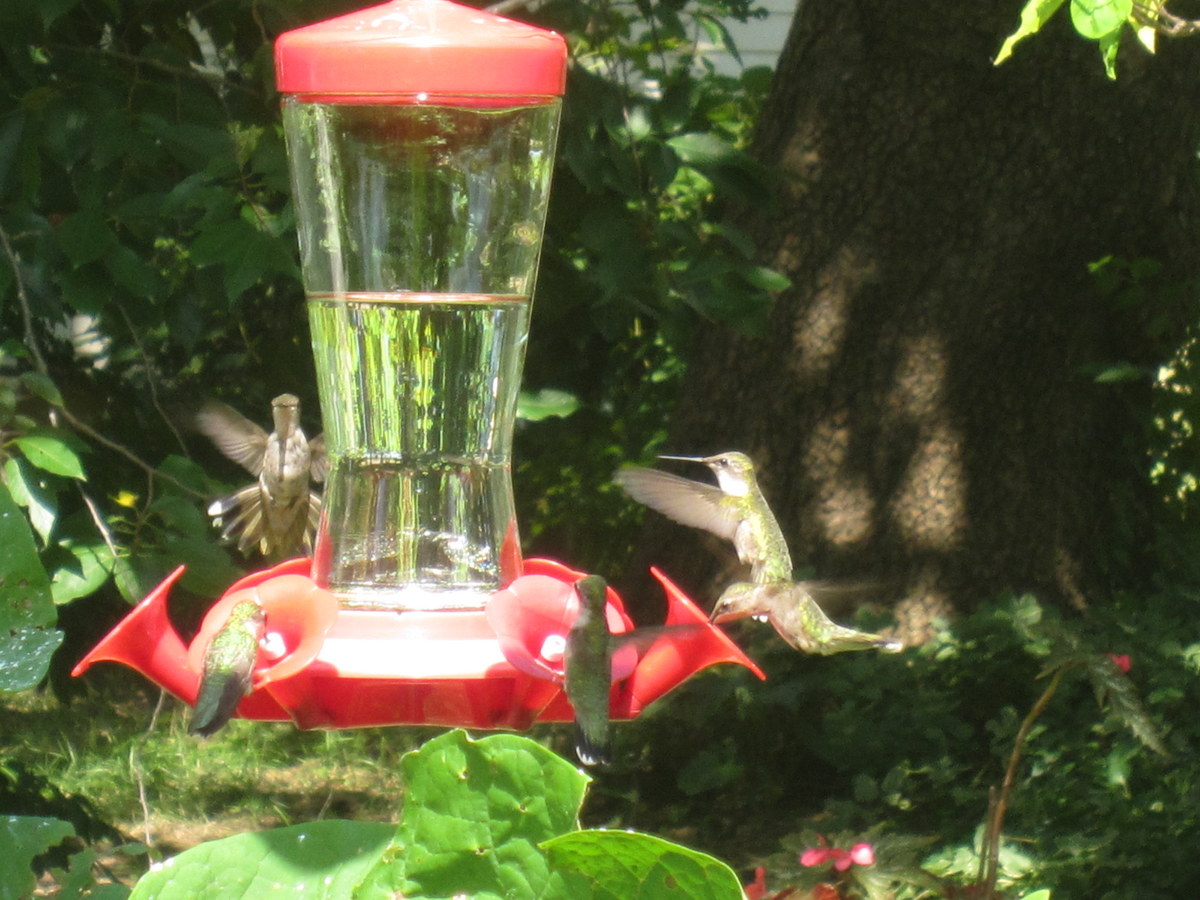
There are so many hummingbirds coming to the feeder this year. I am putting out 6 cups of nectar every 4 hours. Below are flowers in my yard that the birds are enjoying.

Leave a reply to share what flowers you have attracting hummingbirds to your yard.

There are so many hummingbirds coming to the feeder this year. I am putting out 6 cups of nectar every 4 hours. Below is a list of flowers in my yard that the birds are attracted to. Share in the comments what flowers you have that are attracting hummingbirds this year.

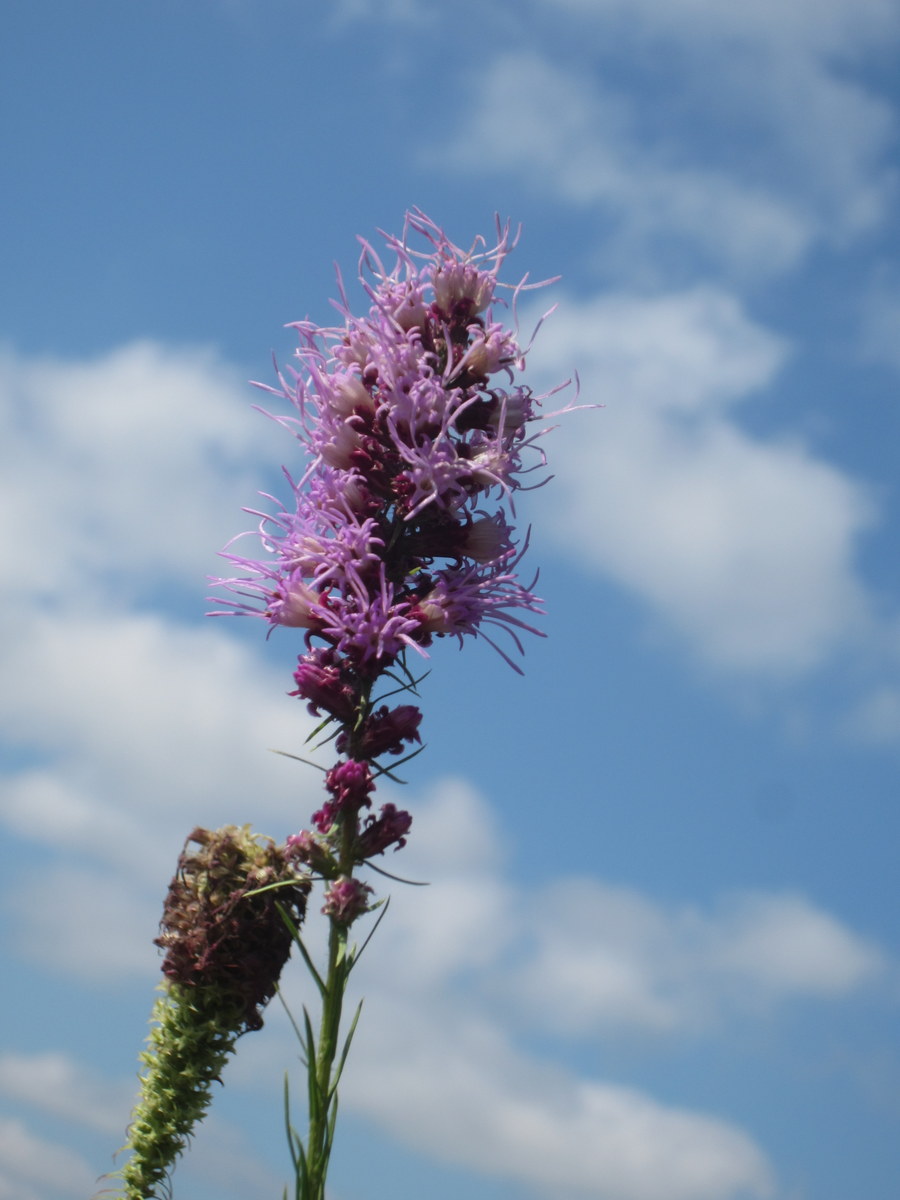
Liatris (Blazing Star)
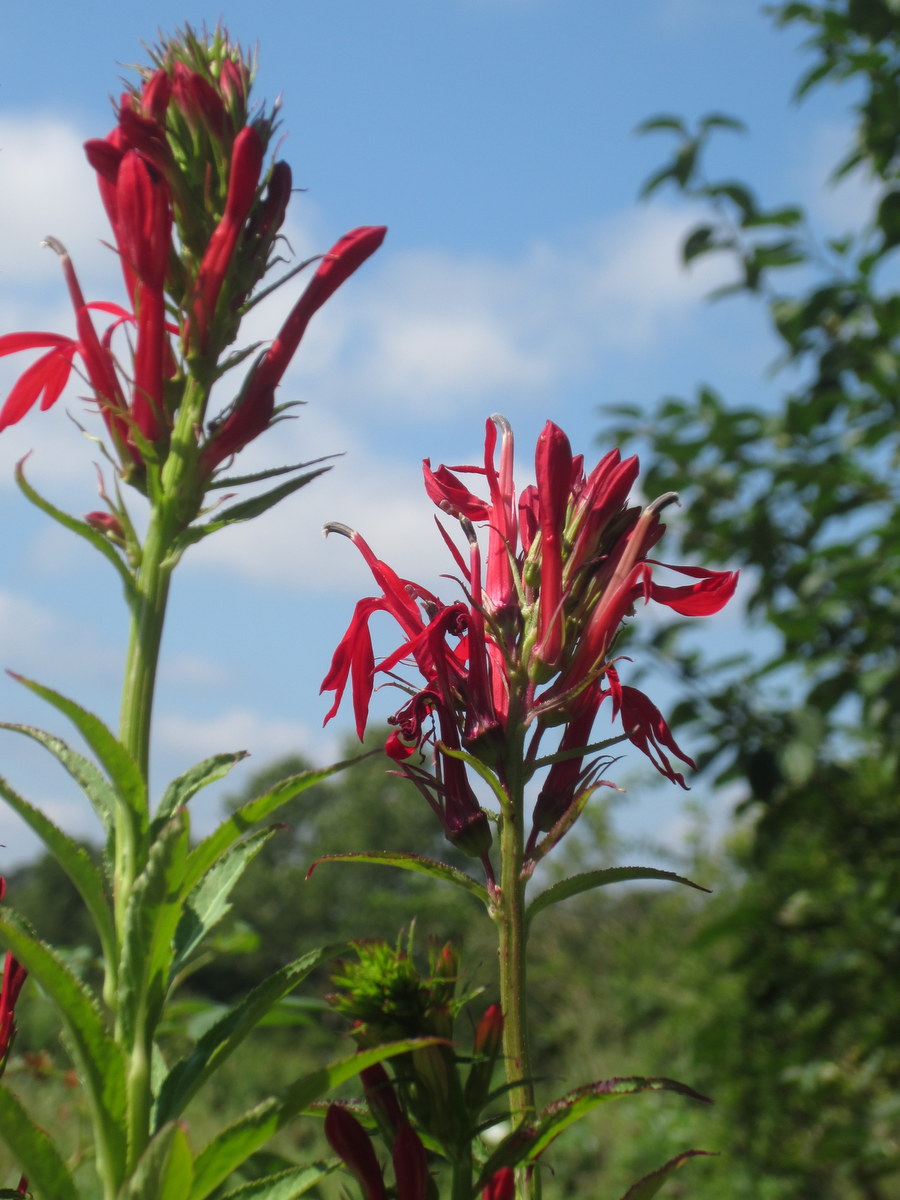
Cardinal flower (Lobelia cardinalis)
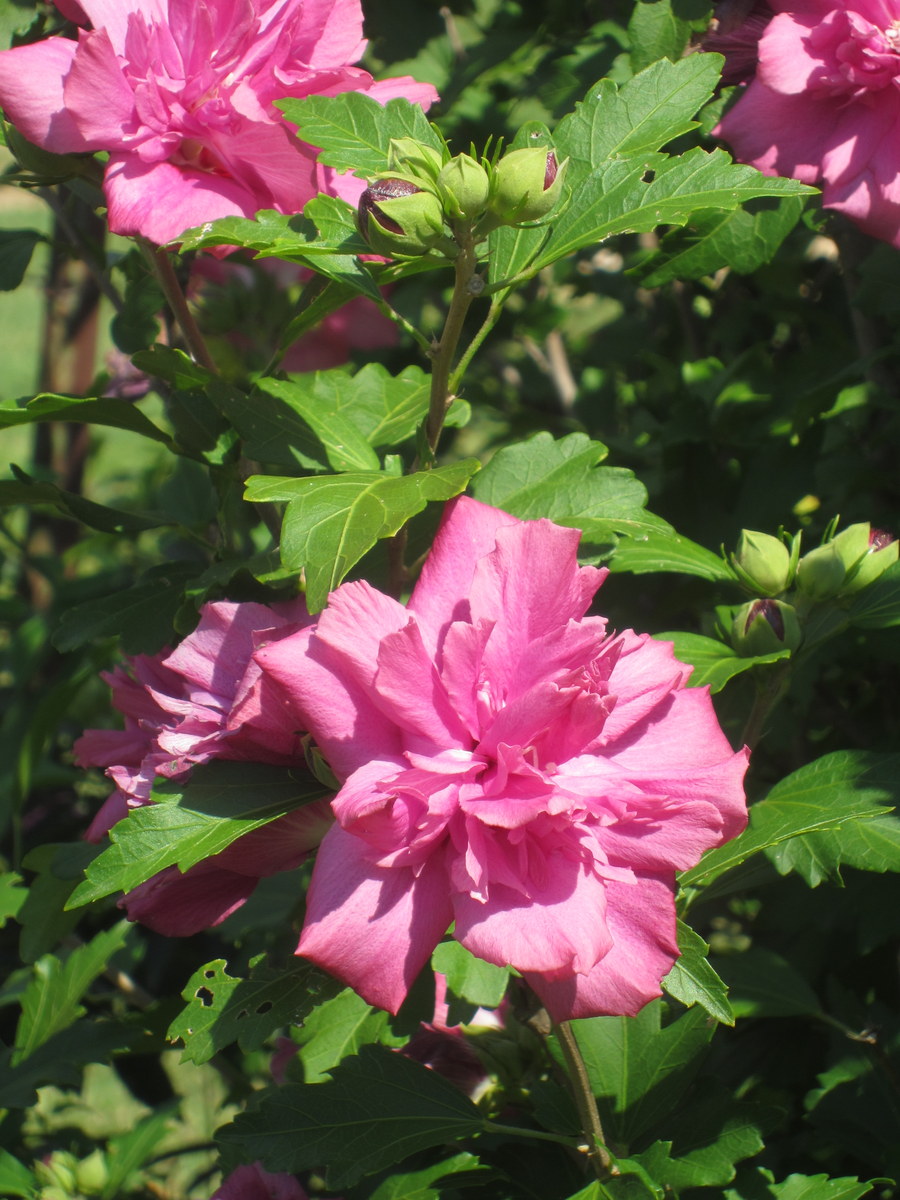
Althaea (Double Rose of Sharon)
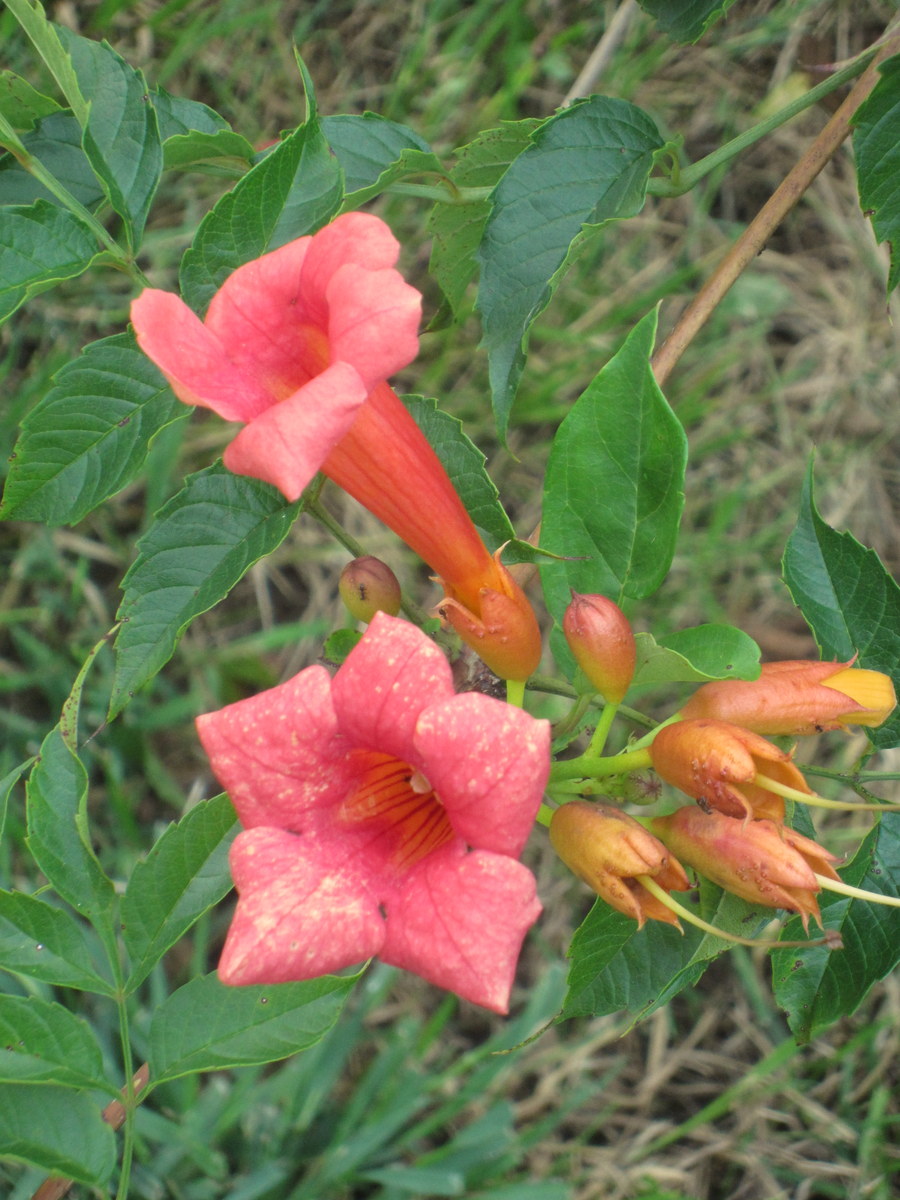
Trumpet vine (Campsis radicans)
Althaea (Rose of Sharon)
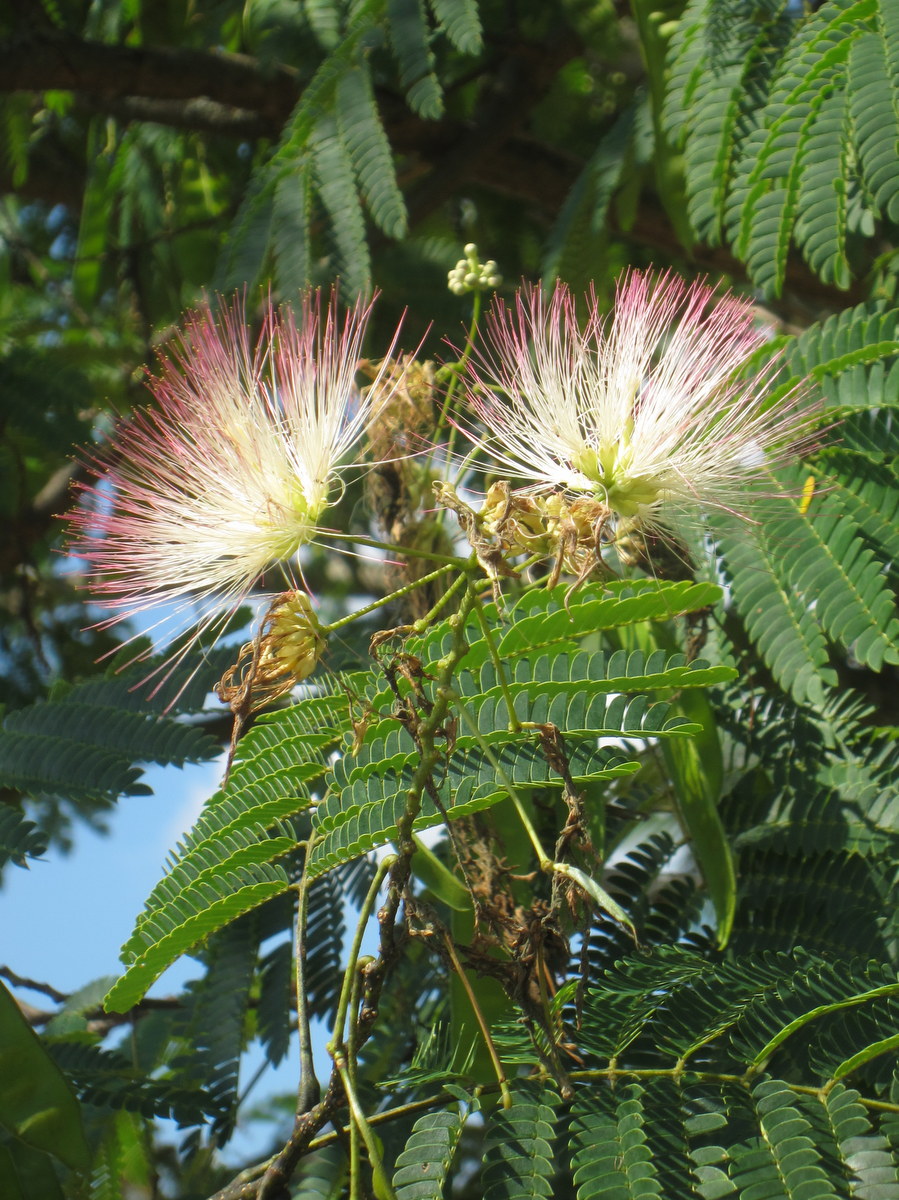
Mimosa or Silk tree
Mimosa or Silk tree
Tall garden phlox (Phlox paniculata)

Papa

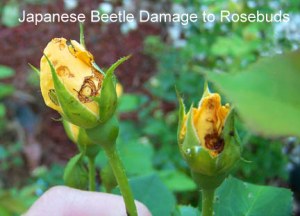
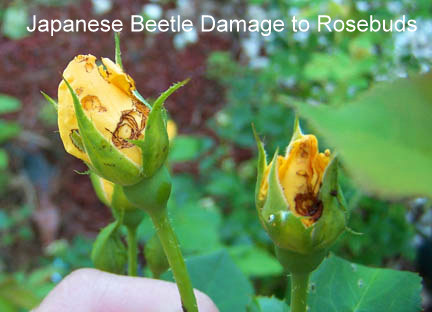
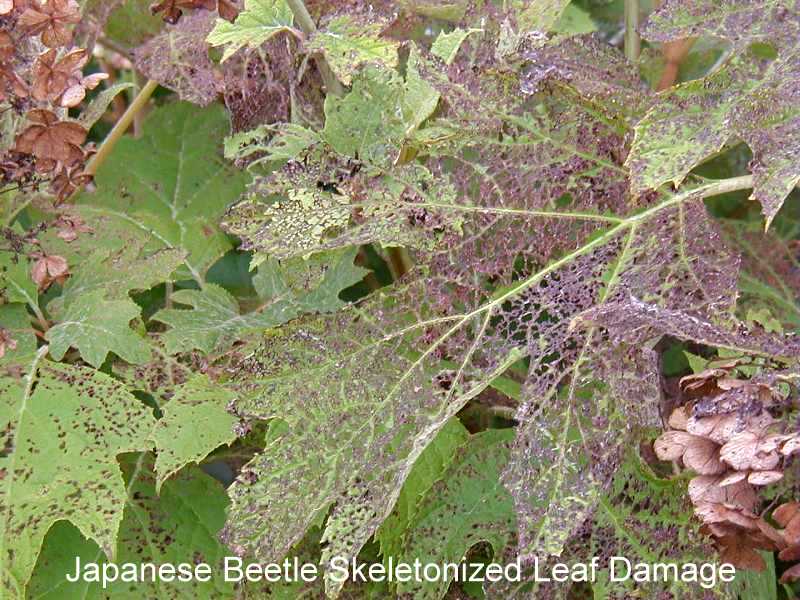
Skeletonized Leaves? Rosebuds with Chewed Petals? = Japanese Beetles (Popillia japonica Newman, 1841)

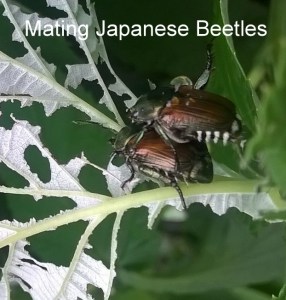
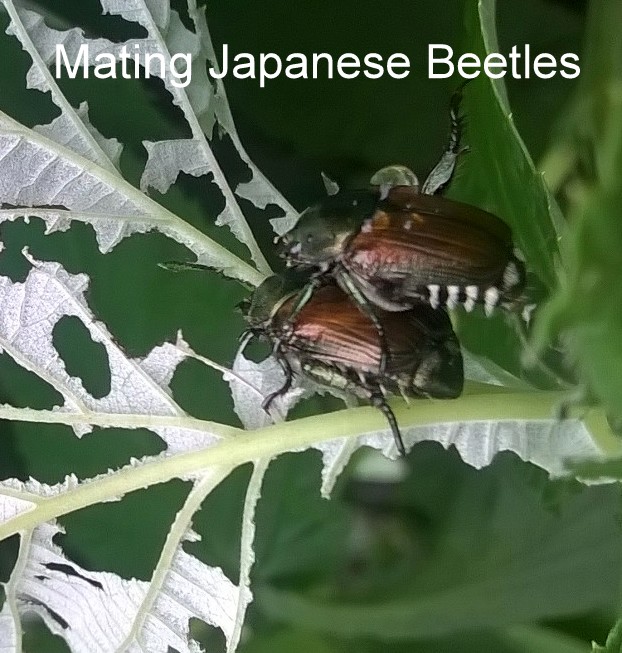
These beautiful creatures have metallic green bodies with copper colored wings. They are 3/8 inch long and 1/4 inch wide. Japanese beetles are quite unique!

beetle - Japanese Beetle (Popillia japonica) [MO 06]

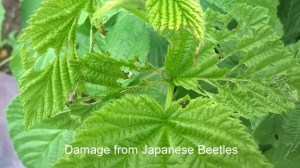
It is amazing the damage these imported invaders can do!
WP_20150616_09_21_40_Pro       beetlerose

This is damage from one or two beetles. Imagine what a few dozen can do!

OLYMPUS DIGITAL CAMERA

Japanese Beetles (Popillia japonica Newman, 1841) came to our shores in 1912 on Japanese iris.

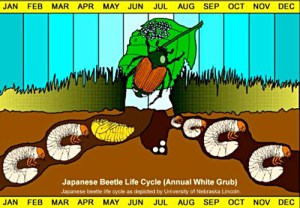
Stages of development are as follows:

  • Egg
  • Larvae (white grub)
  • Pupae (grub transforms into a cream colored/reddish brown cocoon)
  • Adult beetle emerge from soil May through June. It is a voracious eater for 30 to 50 days.
    • Once emerged it searches for food sources.
    • A pheromone (a scent produced by Japanese beetles to attract other Japanese beetles) is sent out to help other Japanese beetles find the food source.
    • Mating is soon to occur.
    • WP_20150616_11_41_10_Pro
    • Females feed for a few days on a plant food source and burrow 3 inches into the soil to lay eggs.
  • Once the eggs are laid the females emerge again to feed, mate and lay eggs again.
    • This cycle is repeated until their season is over, laying upwards to 40 to 60 eggs.
  • Eggs develop depending on soil temperature. The warmer the soil the quicker larval development.
  • Once they are larvae, they move upwards in the soil to feed on organic matter and roots.
  • Soil cooling moves the larvae (grubs) deeper in the soil for winter.
  • Soil warming moves the grubs upwards in the soil where they pupate and transform into an adult Japanese beetles and their life cycle begins again.
japanese beetle life cycle

The most effective natural control of Japanese beetles is daily, hand picking early in the morning as the beetles are lethargic.

  • Your arsenal of weaponry includes a bucket, soapy water and vigilant monitoring daily!
    • Early detection of the scout Japanese beetles is key to this strategy! This will reduce the following years population!!!
  • Place the bucket under the infested plant. Shake the plant and the beetles will fall into the soapy water.
    • Hand pick any beetles not falling into the bucket of soapy water.
  • This action reduces the pheremones of the exploratory first wave of Japanese beetles. This must be done daily!!
  • Leave the beetles to die and decompose in the bucket of soapy water. The odor of dying and decomposing beetles in the soapy water will repel/deter additional beetles from invading your area. (Many thanks to The Herb Gardener for this insight)
  • Place the bucket(s) near areas of previous Japanese beetle attack.
  • Insecticidal soap applied directly to the beetle will cause its demise.
  • Lemon dish soap sprayed directly on the beetle is another effective way to kill these pests!

Prevention: Kill grubs in the soil which turn into the Japanese beetle.

  • Milky Spore Disease (Bacillus popillae) will kill grubs but will take up to a year to inoculate the soil. This inoculation will last up to 10 years in the areas of heavy, consistent infestations.
    • Milky Spore when ingested in the grubs gut germinate, enter the blood and multiply.
    • The build up of spores causes the grub to have a milky white appearance.
    • Grubs continue to ingest the spore, become infected and die, each releasing 1 – 2 billion spores back into the soil.
      • Apply as labeled. May be purchased through biological mail order catalogs.
  • Beneficial nematodes actively seek out grubs in the soil.
    • The nematodes penetrate the grub releasing a bacteria.
      • This bacteria produces quickly feeding on the tissue of the grub.
      • The nematodes feed on the bacteria and continues their life cycle. They reproduce, release bacteria and kill the grubs.
      • Apply as labeled. May be purchased through biological mail order catalogs.

Both of the above methods are encouraged by the USDA and several well known universities as a safe and effective means to control Japanese beetles. These biological controls are species specific!! There are no other creatures affected by these methods.

Just remember you may have great prevention measures but your neighbors may not. Japanese beetles are with us for short 30 -50 day window. Killing them early may reduce the populations in your immediate area!

Birds are another way to deal with these nasty pests. They eat both the beetles and their grubs.

  • Bobwhite
  • Eastern Kingbird
  • Crows
  • Eastern Starling (I knew there must be something good about these birds)
  • Red-winged Blackbirds
  • Catbirds
  • Song Sparrows
  • Robins
  • Grackles (Again, I knew there must be something good about these birds!)

Sanitation is a wonderful way to rid your self of these pests. Clean up all debris around their favored plants. Till in the fall to expose the grubs for birds and other creatures to consume. Till again in the spring to again expose the pupae and emerging adult beetles.

Be diligent and decrease their surplus population!

Papa

For Milkweed Go Native!!

It is very important that you supply the correct varieties of milkweed for your specific location.

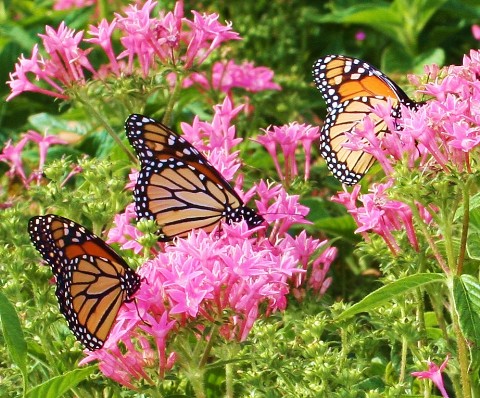
Three-Amazing-Monarchs-on-Milkweed (1)
For instance, I live in the Missouri Ozarks. The recommended varieties are: http://www.xerces.org/wp-content/uploads/2013/07/Milkweeds-of-Central-US_plus-vendors_XercesSociety.pdf

  • Swamp Milkweed (Asclepias incarnata)
  • Common Milkweed (Asclepias syriaca)
  • Butterfly Milkweed (Asclepias tuberosa)
  • Whorled Milkweed (Asclepias verticillata)
  • Green Antelopehorn (Asclepias viridis)
  • Purple Milkweed (Asclepias purpurascens)

Sunset Flower AKA Scarlet Milkweed AKA Tropical Milkweed (Asclepias curassavica) is not recommended for a Monarch butterfly larval plant in North America. Tropical Milkweed is native to South America. It is now becoming an invasive species in the southern states of America. The Monarchs that consume this variety become prey to additional parasites. Subsequently, this variety weakens the larvae and butterfly. Lastly, the Monarchs are not migrating to Mexico because they have a constant supply of the wrong food.

Check out these links for native milkweed in your area:

http://www.xerces.org/wp-content/uploads/2011/03/xerces-nrcs-california-milkweed-guide.pdf

http://www.xerces.org/wp-content/uploads/2011/03/NativeMilkweedsGreatBasin.pdf

http://www.xerces.org/wp-content/uploads/2011/03/SE-Monarch-milkweed-butterfly-host-plant-brochure-final-2012.pdf

http://www.xerces.org/wp-content/uploads/2014/03/Monarch-Butterflies-East-Region.pdf

http://www.xerces.org/wp-content/uploads/2015/03/Monarchs-Milkweeds_Northern_Great_Plains.pdf

Don’t forget nectar producing plants for your Monarchs as well. Some of their favorites include:
Buckwheat (Eriogonum)
Butterfly Bush (Buddleia)
California Lilac (Ceanothus)
Citrus (Citrus)
Coneflower (Echinacea)
Coreopsis (Coreopsis)
Cosmos (Cosmos)
Daisy (Aster and Chrysanthemum)
Dianthus (Dianthus)
Heliotrope (Heliotropium)
Lantana (Lantana)
Marigold (Tagetes)
Milkweed (Asclepias)
Pincushion Flower (Scabiosa)
Rabbit Brush (Chryssothamnus)
Rock Cress (Arabis)
Salvia (Salvia)
Senecio (Senecio)
Star Clusters (Pentas)
Sweet Alyssum (Lobularia)
Verbena (Verbena)
Wall Flower (Erysimum)
Zinnia (Zinnia)

Papa

Got Milkweed? You’ll get Monarchs!!

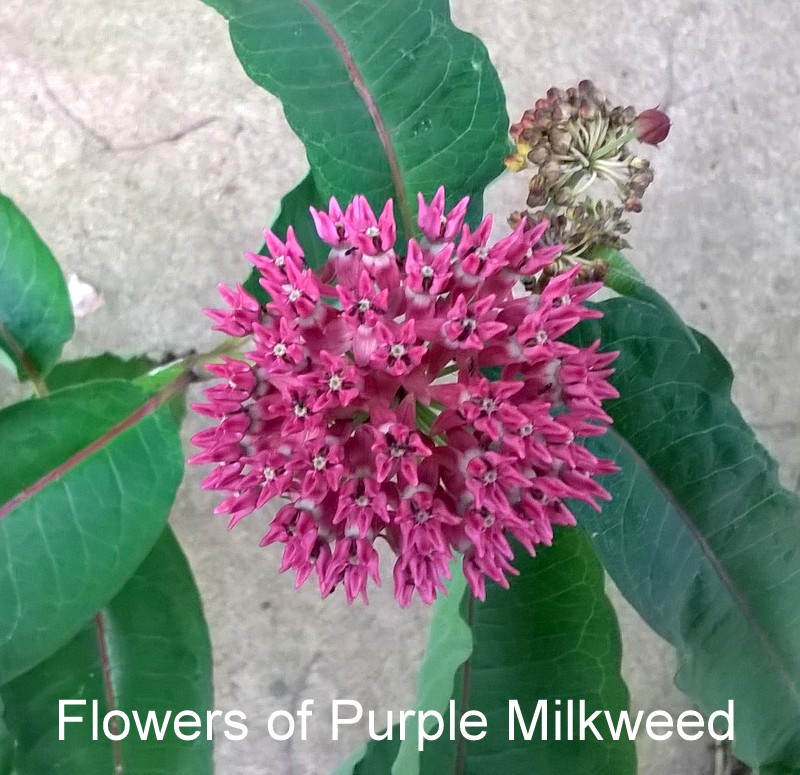
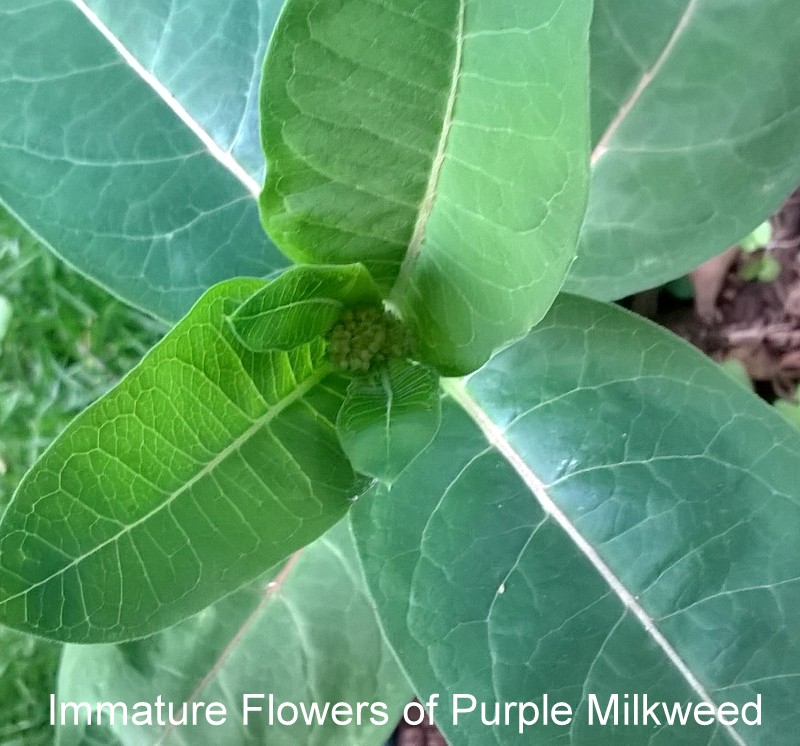
Kathy, a friend at work, dug up three native plants of Milkweed (Asclepias purpurascens) from her farm. They were given to me to transplant on my property. The Purple Milkweed will be used to attract the Monarch butterfly. The plant itself is the larval food for the Monarch. WP_20150601_19_31_48_Pro         WP_20150601_19_32_00_Pro

WP_20150601_19_32_34_Pro

These hardy perennials flower from late May through July. The flowers are adored by many different species of butterflies and moths. I have observed butterflies waiting their turn to enjoy the nectar from these unusual flowers. Monarch numbers are decreasing which makes the planting of milkweed essential. Monarch populations have decreased by 90%. All the more reason to plant milkweed on your property!! Indiscriminate use of herbicide and mowing of roadsides has eliminated much needed plantings of milkweed. A 3′ x 3′ planting of milkweed will go a long way to help the beautiful Monarch butterfly.

Monarch larvae          monarch-butterfly-wallpaper---1920x1200

Monarch on milkweed

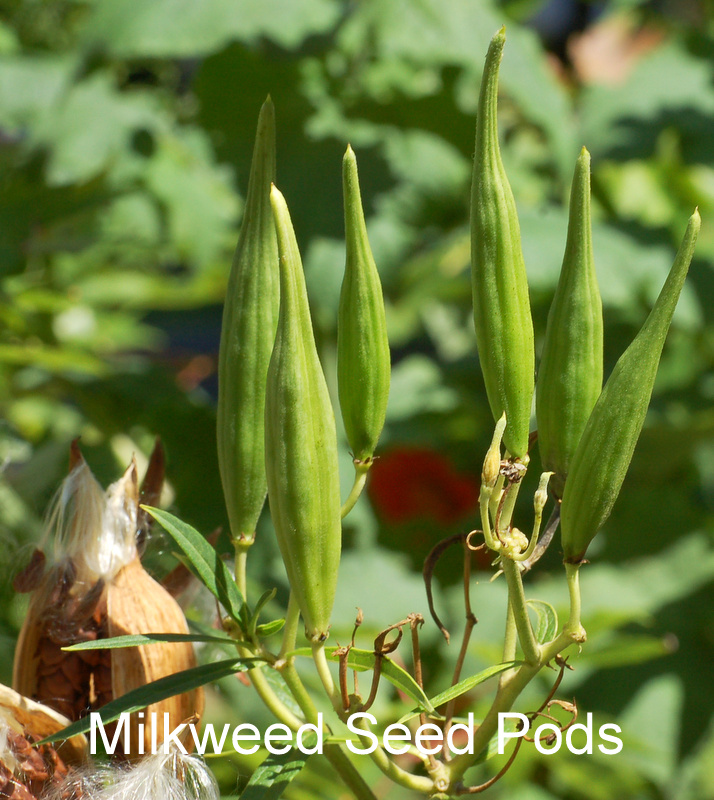
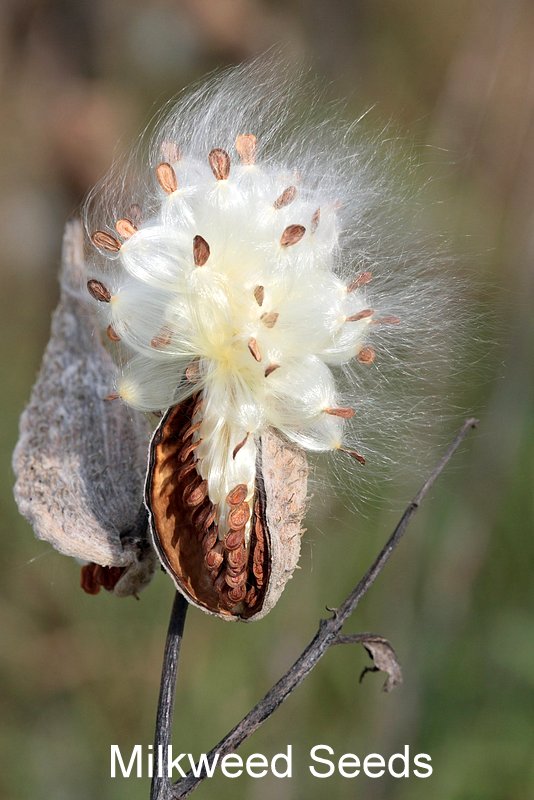
It is wise to collect seeds from your milkweed plants instead of digging them up. Existing plants are established and should be allowed to produce more seed to be released. Nothing could be easier! After the flowers are pollinated, wait for the seed pods to mature and start to open. Cut off a few of the seed pods and place in a paper bag. The seed will fall to the bottom of the bag. Collect the seed and place in a dated, labeled envelope.

Swamp_Milkweed_Asclepias_incarnata_Pods              Swamp_Milkweed_Asclepias_incarnata_'Ice_Ballet'_Open_Pods

Milkweed-in-seed2

Let’s do all we can to insure the protection of the milkweed plant for the survival of the Monarch butterfly!!

To purchase milkweed seed, please check out these links:

http://www.rareseeds.com/milkweed-butterfly-weed/

http://www.rareseeds.com/milkweed-mexican-whorled/

http://www.rareseeds.com/milkweed-red-or-swamp/

Papa

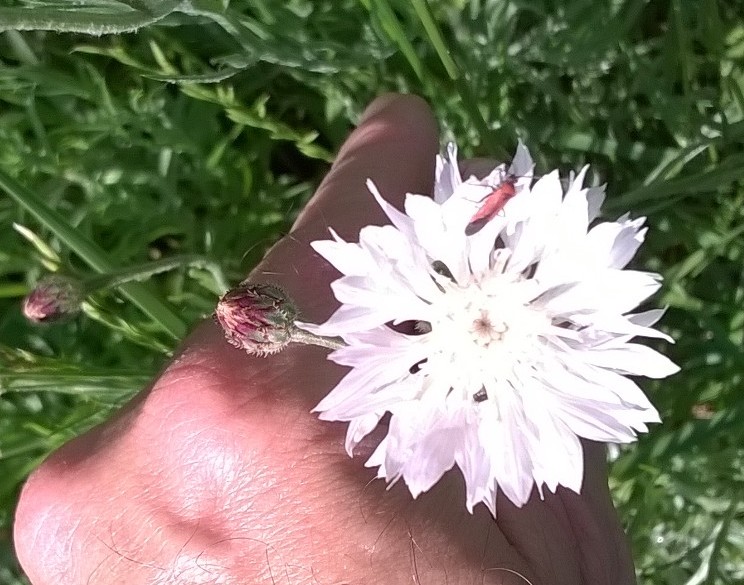
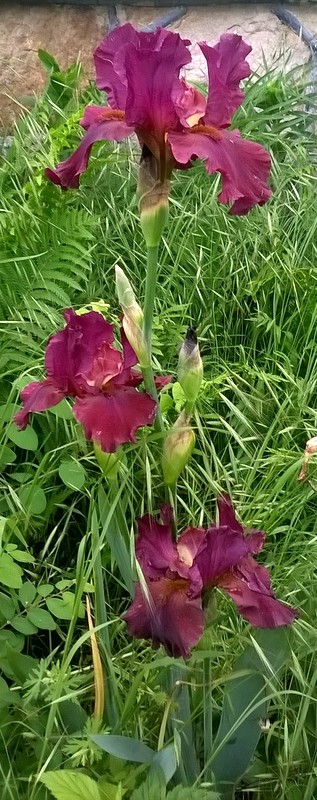
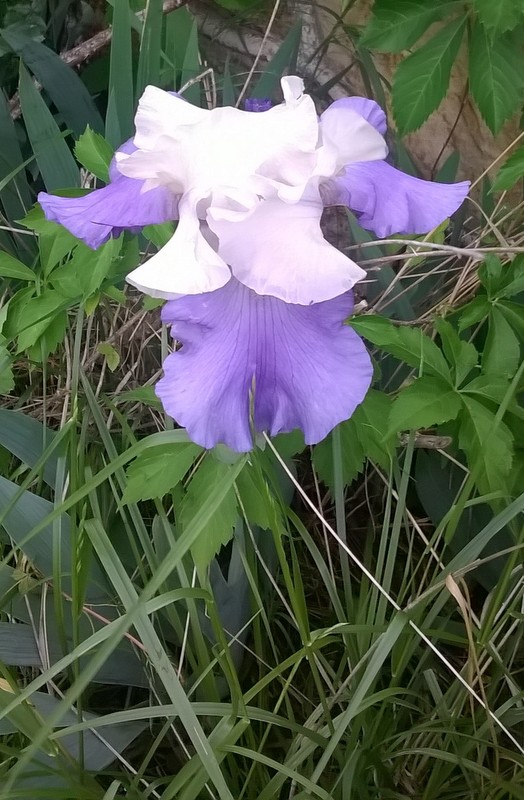
Cheerful, Self Sowing Bachelor’s Buttons

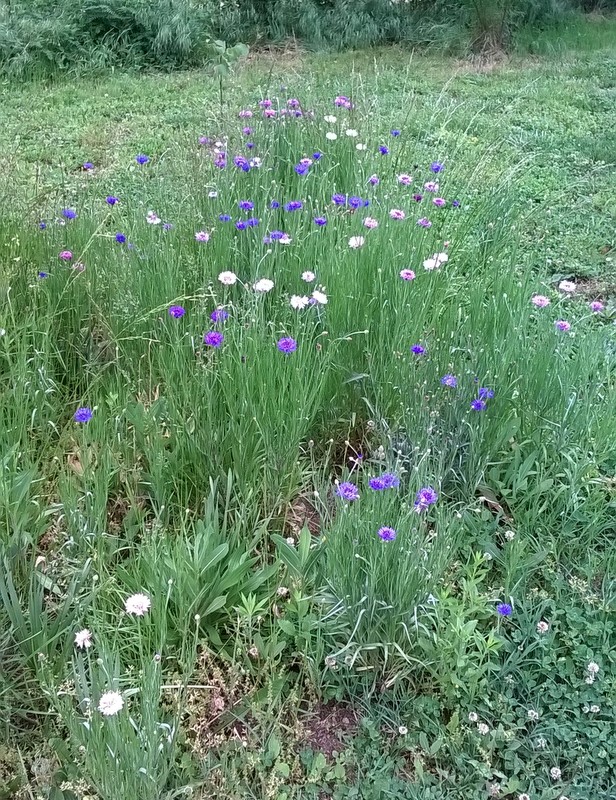
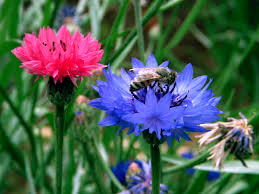
I planted several different varieties of Bachelor’s Buttons last year. The seed heads shattered and self sowed a naturalized planting for this spring and summer. I love the colorful display and the added benefit of sustaining beneficial insects. Try growing Bachelor’s Buttons and you won’t be disappointed!!

WP_20150516_12_40_48_Pro WP_20150516_12_41_03_Pro WP_20150516_12_41_15_ProBachelor button!WP_20150516_16_12_22_Pro

Vegetables are for the body. Flowers are for the soul!!

Papa

The Squash Vine Borer is your Enemy and Here’s How to Defeat Them.

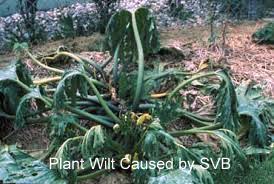
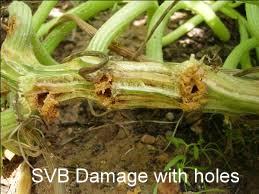
You’ve started your summer squash and zucchini. The plants look great! A couple of weeks later, the plants start to wilt and some die. What did I do wrong? After careful observation, you notice there is something that looks like wet sawdust at the base of the plant. Plus, you see small holes in the bottom stem. What is going on?

SVBwilt  SVBdamage

Your enemy is the Squash Vine Borer!! (SVB)

svb

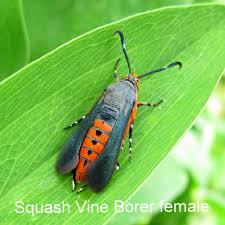
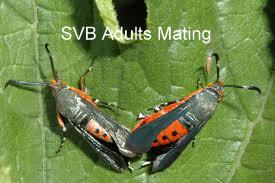
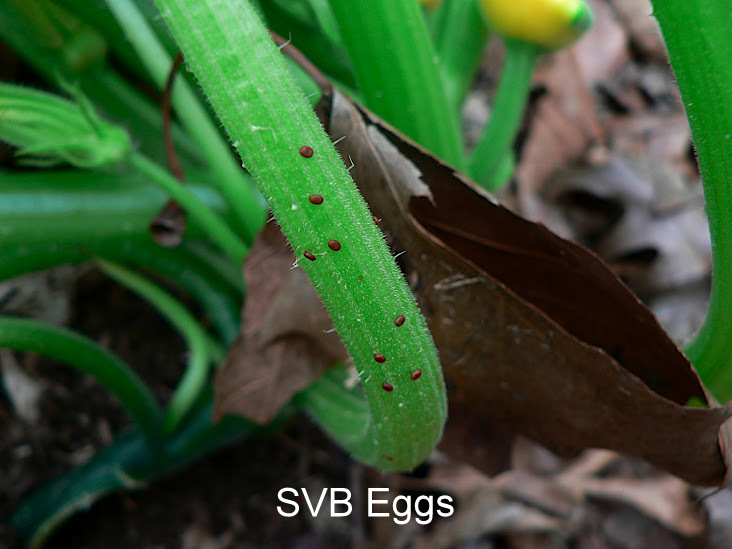
The female Squash Vine Borer moth (Melitta curcurbitae) lay brown eggs especially on the stems, just above the soil line.

squash-vine-borers-3-sm  SVB1SVBmating   SVBeggs2

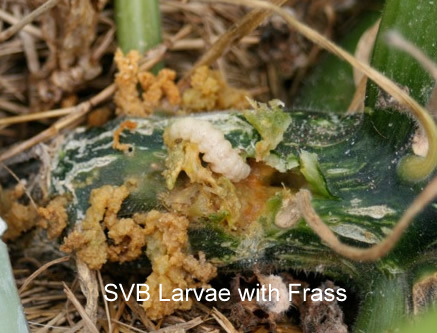
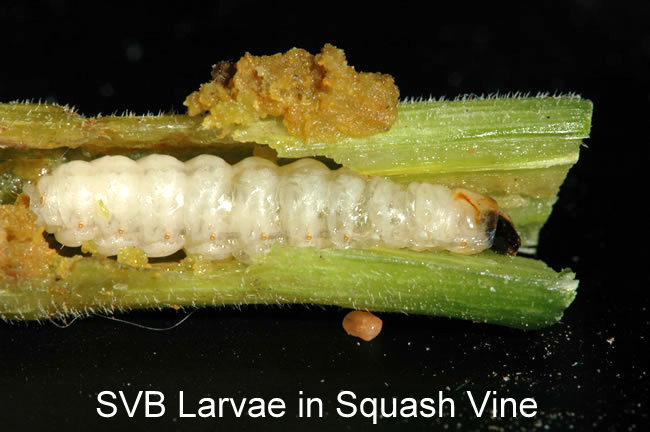
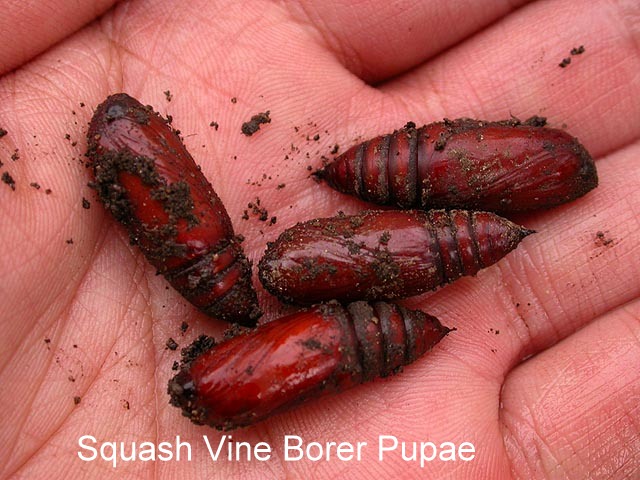
Eggs hatch in 10 days. Once the eggs hatch, they immediately enter the stem, leaving a small hole at the place of entry surrounded by frass (moist sawdust like debris). The larvae (white caterpillars with brown heads) bore into the stem and remain until maturity before pupation (the transformation of the larvae to a pupa(in a cocoon)). They will now stay in the soil (usually 1″-2″) and over winter .

squash-vine-borers-4    SVBmoth_pupae

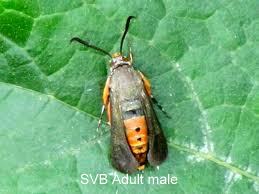
Squash Vine Borer moths emerge from the ground from early spring through mid-summer. The moth looks like a wasp and is a half inch long. The wings are clear and look like a windowpane. Unlike other moths, this one flies during the day and makes a buzzing sound.

Now that you have identified the enemy, what are your weapons of warfare?

  • A preemptive strategy would be to use a floating row cover (sheer, light weight fabric that is placed over a crop to protect from insects). It is secured in place to prevent insects from damaging the crop. The row cover is put on at the time of planting until the plants begin to flower. Squash crops require insect pollination.
  • Monitor by using a yellow colored bucket trap with water, placed near the newly planted squash plants. The yellow color attracts the moths.  Traps must be checked daily. Once you’ve found moths in the traps, start looking for stem damage. This indicates the female moth is out laying eggs.
    • SVBtrap
  • Create a barrier on the lower stem by using materials such as aluminum foil. Wrap the foil around the lower stem to confuse and prevent the moth from  laying eggs.
  • Plant a trap crop of early planted Hubbard squash three (3) weeks prior to planting your preferred squash crop.
  • Use succession planting (weather permitting). Have fresh transplants ready to go. A late crop planted after SVB pressure may offer a harvest. Do not plant your late crop where there has been previous pressure from the SVB. Rotate your planting to an unaffected area.
  • SVB resistant varieties of squash, such as Waltham Butternut, offer a solid stemmed variety to thwart the penetration of the larvae. Cucurbita moschata are their least favorite, as they are solid stemmed. Cucurbita pepo are their most favorite, as they are hollow stemmed. Seed catalogs will list this information for each squash seed offered.
  • When a squash plant has been attacked by the squash vine borer, find the borer by looking for the frass or small holes with frass. Carefully slit open the stem and remove the caterpillar. Cover the wound with fresh soil or compost to encourage the re-rooting of the plant.
  • Remove and destroy any plants that are severely wilted or dead immediately. Do not compost these plants!!
  • Sanitation is key! Immediately remove your squash vines after harvest. Do not compost!! Burn the vines or bag the vines and remove them from your property. The soil must be exposed to reveal the cocoons.
  • Till or fluff the soil up to 2″ to expose SVB cocoons. Songbirds and poultry delight in eating the pupae (cocoons).
  • Always rotate your squash crop to another space each year.

My strategy this year includes the Blue Hubbard trap crop and yellow trap buckets. Plus, I will preemptively spray the ground stems with a mixture of vegetable oil and Dipel (Bacillus thuringiensis). I’ll keep you updated throughout the summer.

Papa