
Hey y’all come and see me at the 2015 Spring Planting Festival. I will be working in the Seed Store. I look forward to meeting you!
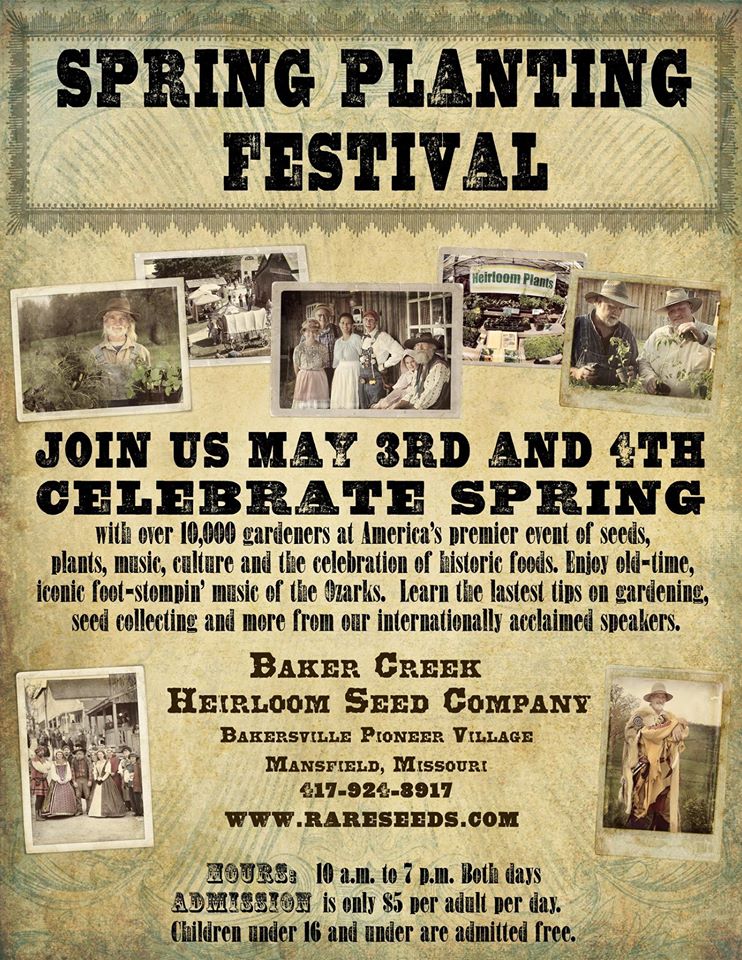
Hey y’all come and see me at the 2015 Spring Planting Festival. I will be working in the Seed Store. I look forward to meeting you!
Jan My organic garden plague is leaf miners! Suggestions?
I get this picture in my mind of a small creature with a miner’s hat and a pick. In reality, they are the larvae of a fly that burrow through leaves. Usually the damage is not aesthetically pleasing. However, if left unchecked, leaf miners can cause major damage.
Here are some solutions:
Getting rid of this pest takes diligence!
Lindsay – Snails! I really REALLY make every effort to garden organically, but I am having an infestation of snails, and am stumped as to what to do about it.
There are many natural solutions for slugs and snails.
That’s quite an arsenal!
Papa
Gardening Question:I am new to gardening and have a few small containers of sweet pea seeds I was attempting to germinate. After realizing that they were not coming up as they should, I poked around in the dirt to find small white maggot type worms attached to the seeds which had pretty well turned to mush. The worms were very very small (only a cm. or 2 in length, but visibly moving). I am wondering what this pest is, and how it may have gotten into my seeds. I purchased a seed-starting mix from a reputable nursery in my area and they assured me it was what they use to start all of their seeds. All of my other plants have thrived and I’ve not had this issue arise. Could they have come along with that particular package of seeds since my other plants came up with no problems? Any information would be greatly appreciated. I, of course, tossed out the containers and sterilized them in hopes of preventing contamination to my other plants.
Hi, my name is Kristina . I have a question concerning my peach tree. Last summer it got infected with borers (I was told these are a type of moth??). Anyway, the tree company I was with at the time couldn’t do anything about the borers since it wasn’t until late July early August that we saw the sap coming out of my tree. So I poured nematodes on the soil around my tree and in to the holes that were sapping. I did this 3 different times 3 weeks apart while I hung moth balls in a sock on the tree too. I am being told now by a new tree company that they don’t do pesticides for borers until June, since the borers aren’t active until then. My question is, what would you do for this peach tree? Should I just wait until June or can I be doing something more to help my tree that I don’t want to lose. Thanks
It is time to plant our pansies in bowls and decorative pots.
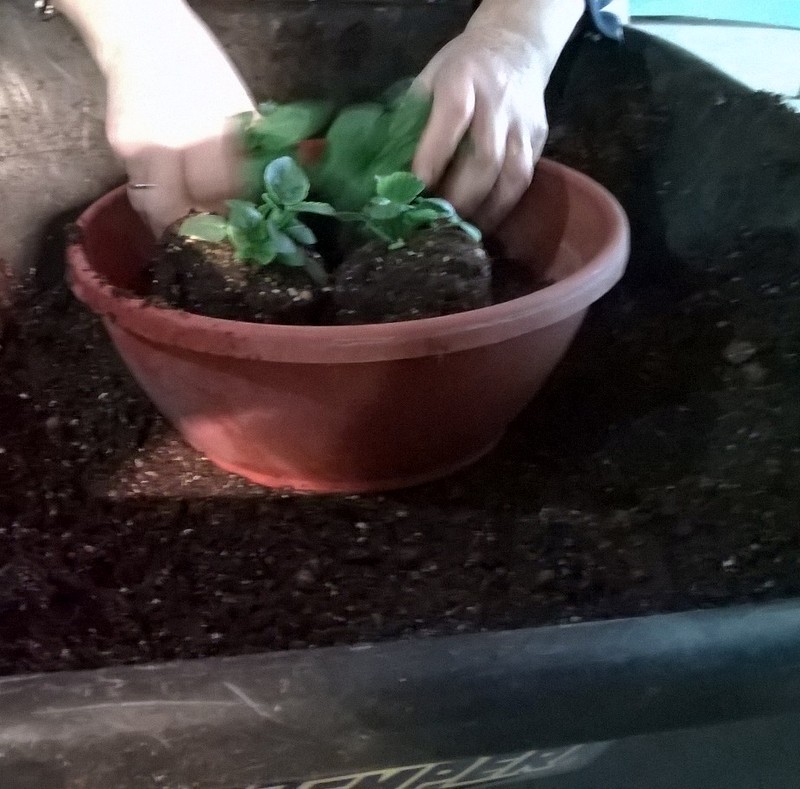
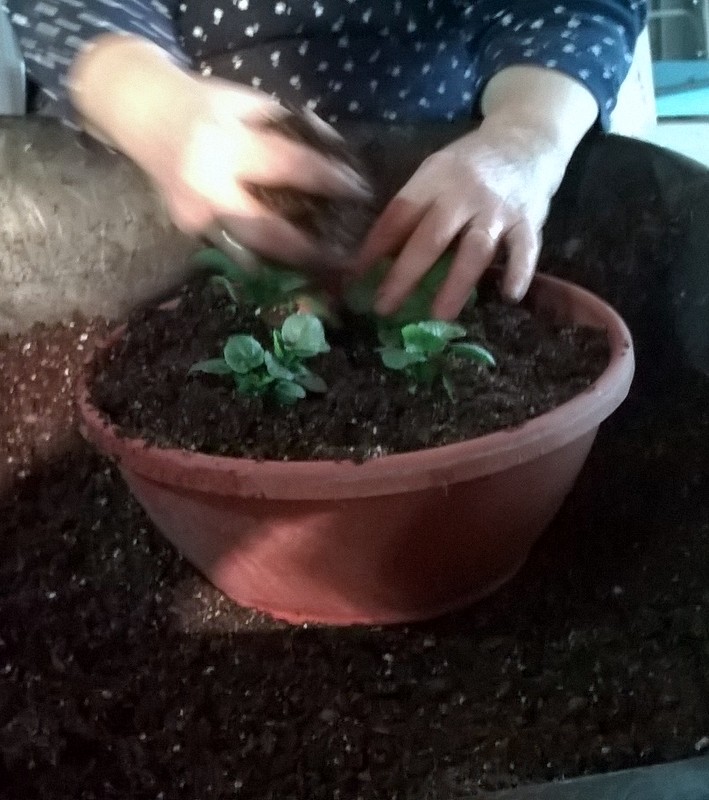
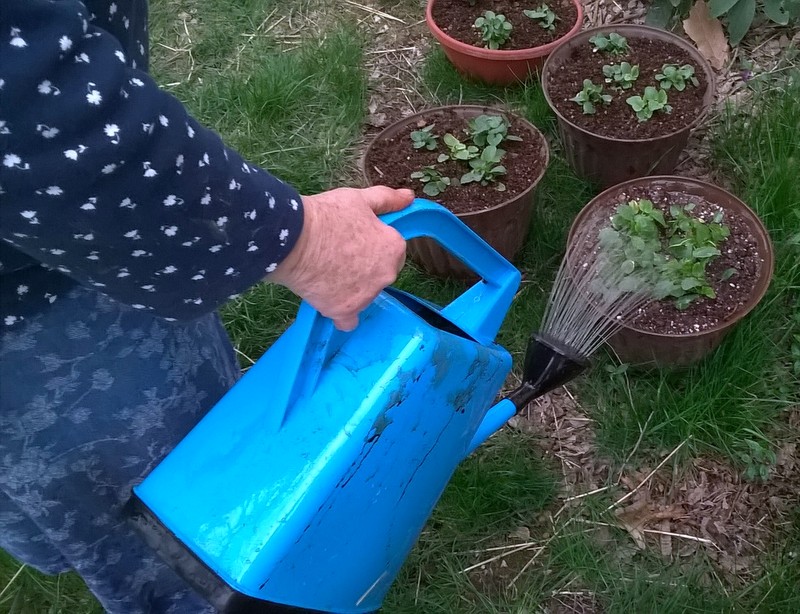
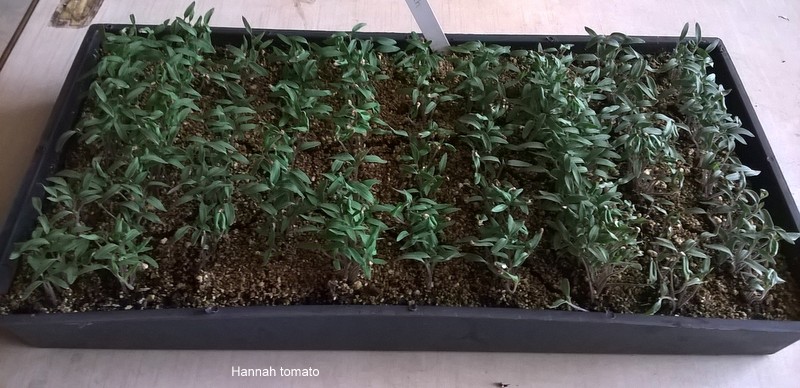
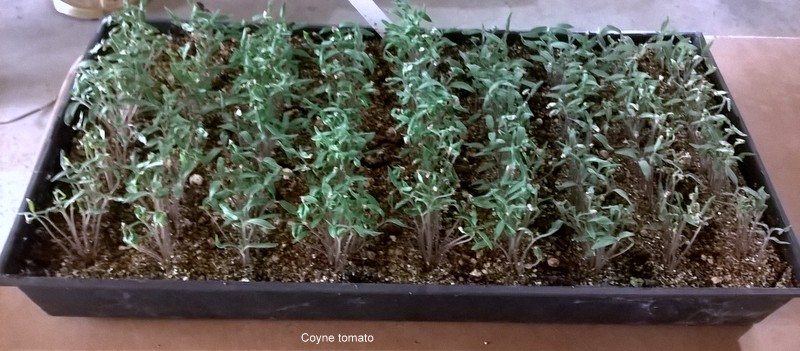
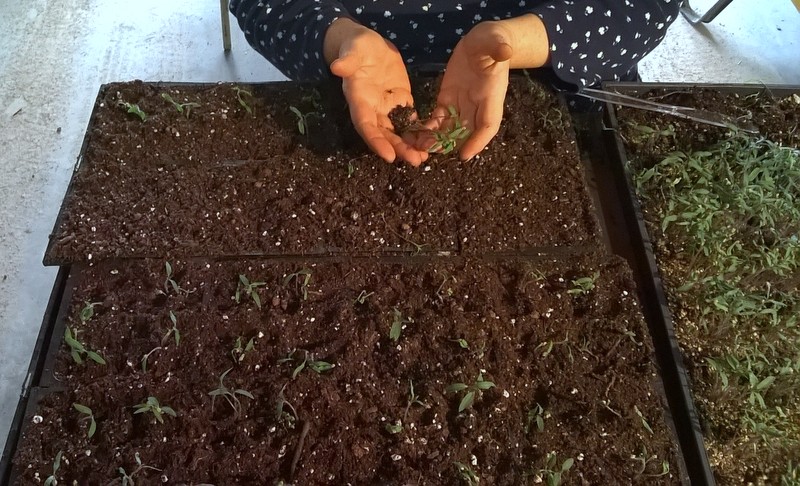
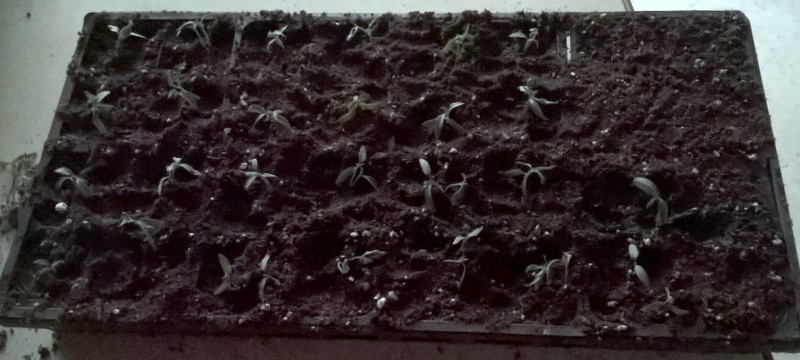
Right on schedule, the Coyne and Hannah heirloom tomatoes were transplanted from the seed flats into cell packs.
A question came today – Why won’t my Basil and Sage Germinate?
Some seeds require light to germinate. Basil, lettuce, marjoram, mint, oregano, sage and thyme need to be planted with no covering of soil to germinate. Sow seed directly on top of the soil, water in and cover the flats or pots with glass, plastic or plastic domes to retain humidity. Within a few days the seed will germinate into the soil. The clear covering may then be removed after a few more days.
-Art
I recently was invited to speak on the Urban Farm and Garden Podcast about Baker Creek and Heirloom Seeds.
Art Davidson may be heard at the 16:45 mark of the Podcast.

http://app.stitcher.com/splayer/f/55112/36556756
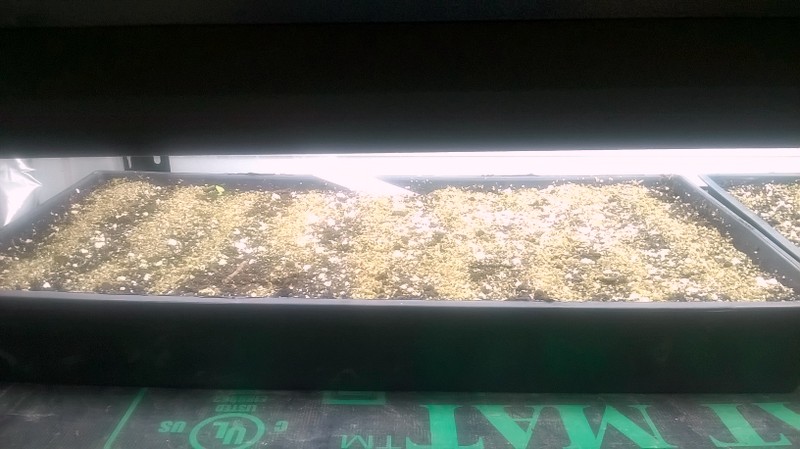
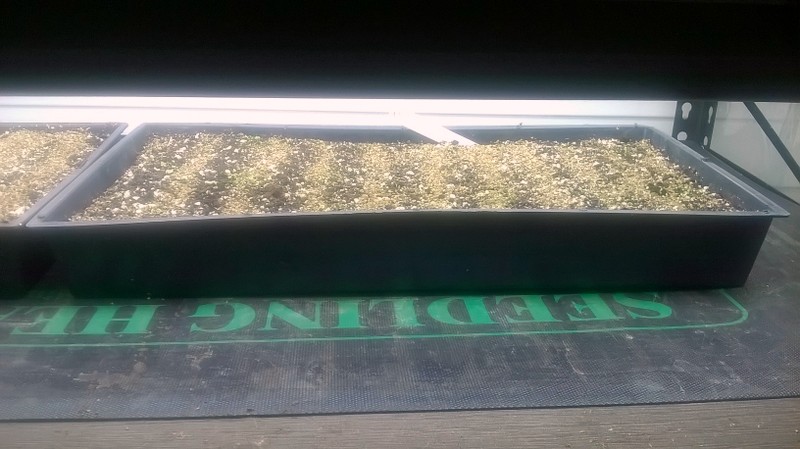
I am doing a seed growout for Baker Creek Heirloom Seed Company. These tomato varieties have never been offered for sale to the public. The seeds have passed from generation to generation. These two German heirloom tomatoes will be grown for seed and sold in the coming years. Hannah, a delicious oxheart shaped pink variety, is meaty, with few seeds. The other variety is named Coyne, a huge Roma type tomato for salsa and canning.
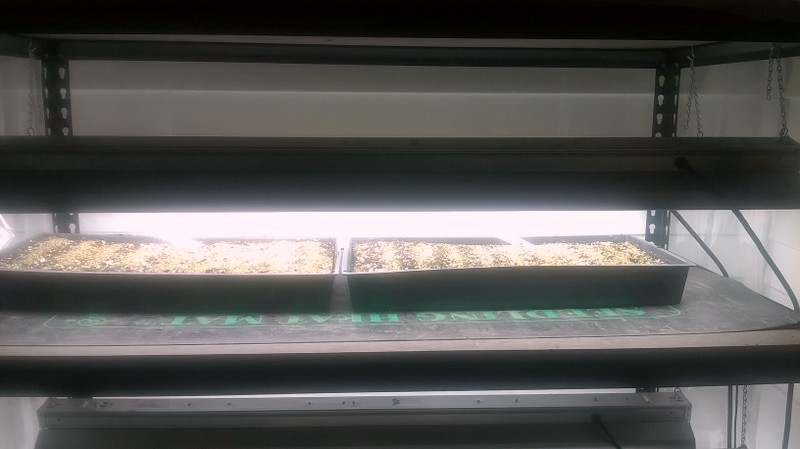
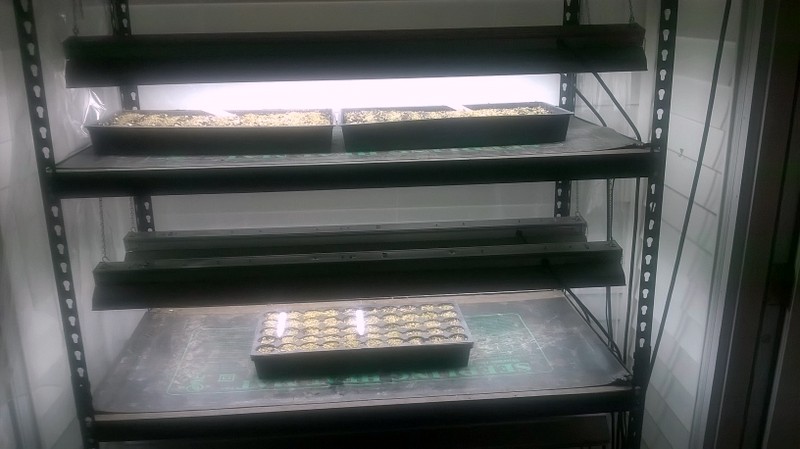
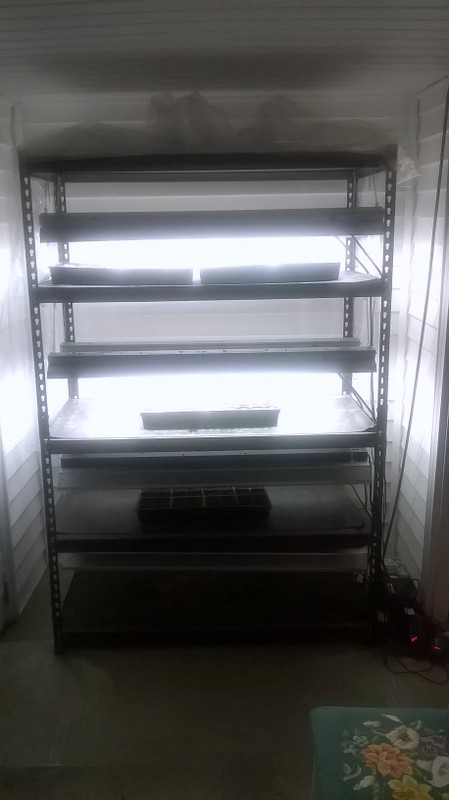
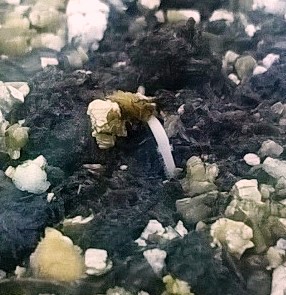
My homemade germination chamber is being used to start the seed. The chamber consists of four shelves with florescent lights and electric heat mats with thermostatic controls. By supplying the correct rooting temperature, a few of the seeds have started to germinate in just three days!!
Just uploaded another YouTube video describing how to plant potatoes in old tires to boost production in a small space.
 Papas Gardens