Question and Observation About Saving Seed.

Nathan writes, “Why do you need to put bags on your veggies if you want to get their seeds?”

Great question!

  • First and foremost, blossom bagging is an excellent way to prevent pollinating insects from cross pollinating varieties from which you want to save seed.
    • The netting material is a physical barrier to insects that are drawn to the flowers of vegetables that you intend for seed saving.
    • This method is preferred where one has limited space and resources.
    • Air and moisture is allowed to pass through the netting to maintain a healthy environment for the subsequent fruit to be used for saving seed.
    • Online horticultural supply distributors and high end garden centers will be your resource for the net bags.
    • Reba writes, “I’m growing 5 varieties of heirloom tomatoes in my garden this year. I was planning to save the seed but now realize I have a bit more prep to do in order to make that possible. If I saved it now there would be cross pollination between all the varieties. Thank you for making this more clear. Next year I’ll be ready!”
  • There are two (2) types of flowers for tomatoes. It is important to know the distinction between the two.
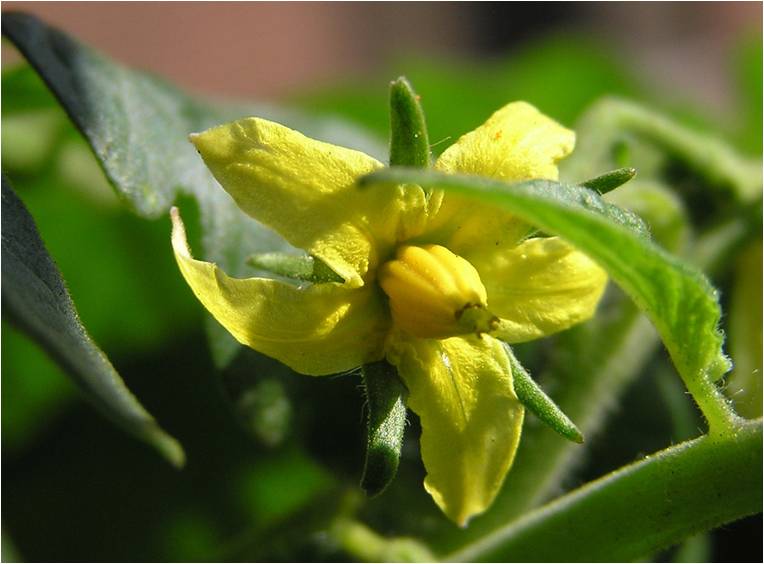
  • Inserted stigma: the female part of the flower is encased inside the anther cone in the center of the flower.
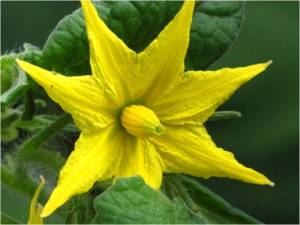
    • inserted stigma You will notice in this picture a small hole in the tapered tube (corolla tube) in the center of the flower. The stigma (the female receptive part of the flower) is inside that small hole. The stigma is protected in the corolla tube which makes it unlikely that the flower will be cross pollinated.
    • Most tomato varieties have this blossom structure.
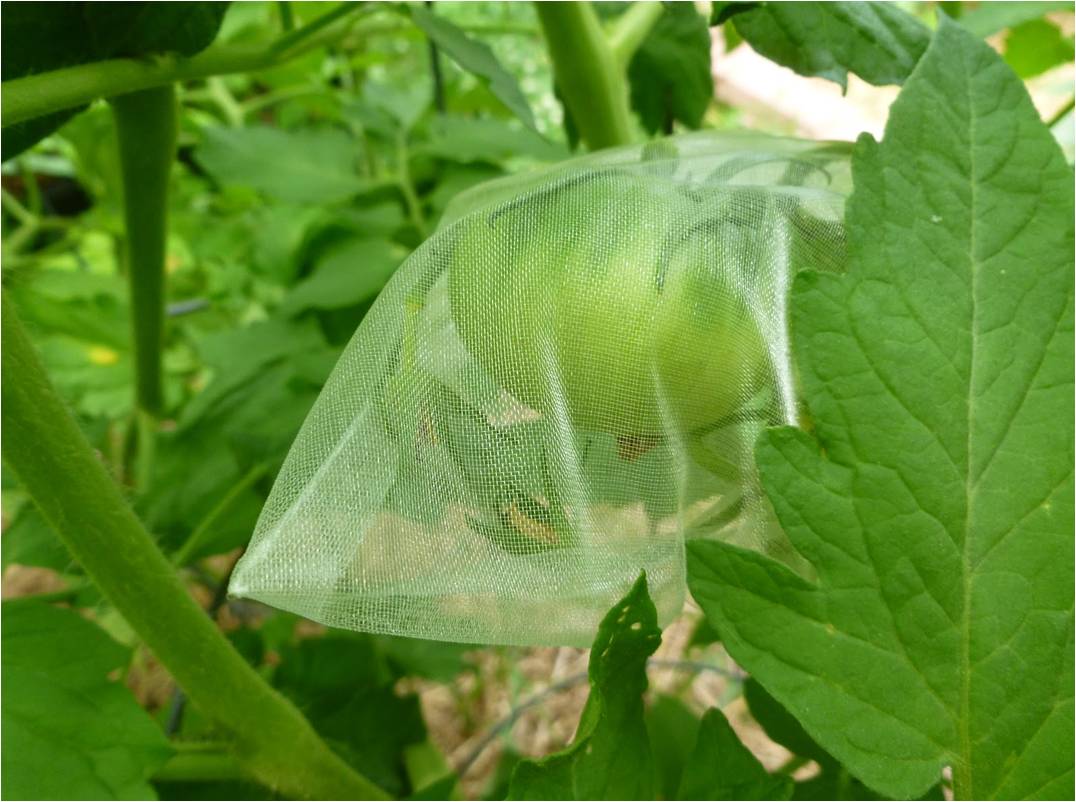
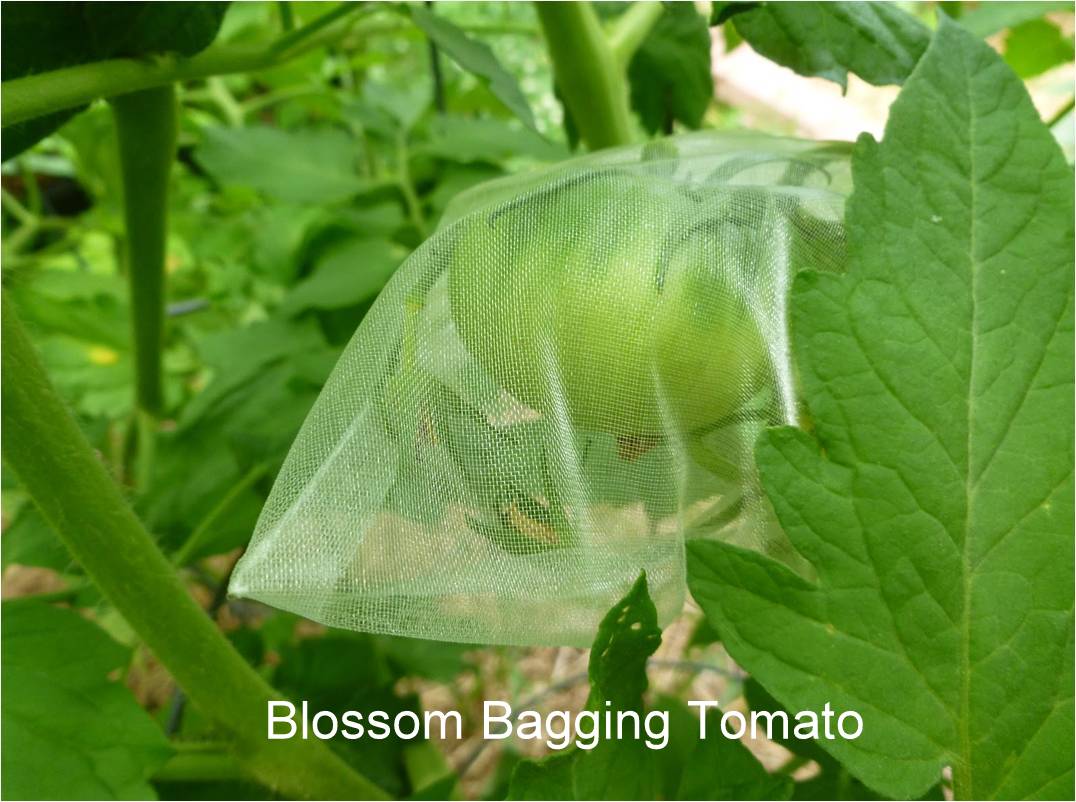
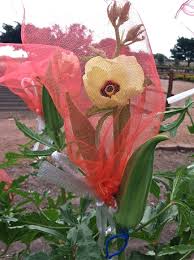
    • Blossom bag around the blossom cluster if garden is small and isolation distances cannot be met. (10 – 20 feet is the required isolation distance between tomato varieties)
    • Normally, 10 plants are sufficient to save adequate amounts of seed. However, you may only have space for a few of each variety you choose to save.
      • Under the above circumstances you will have to blossom bag all the blossom clusters to garner adequate seed supplies.
    • Blossom Bags may be purchase online or at horticultural supplies and high end garden centers.
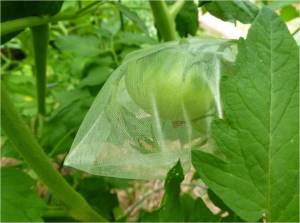
    • Blossom Bagging of Tomato
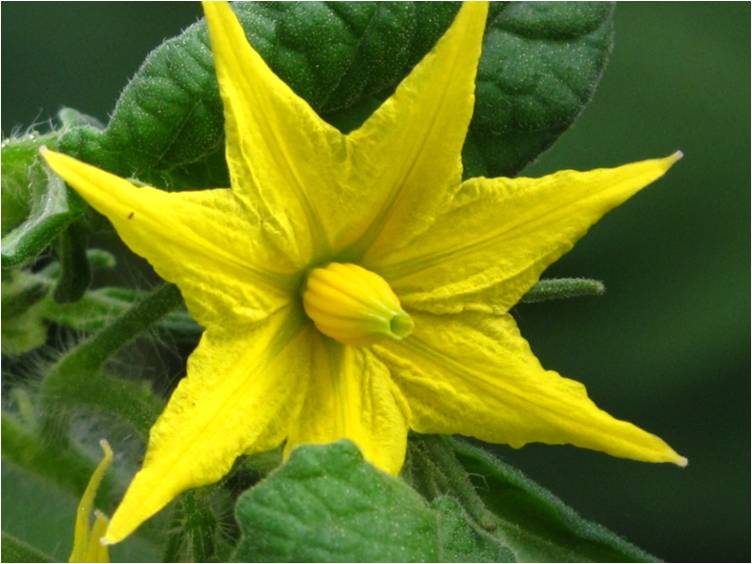
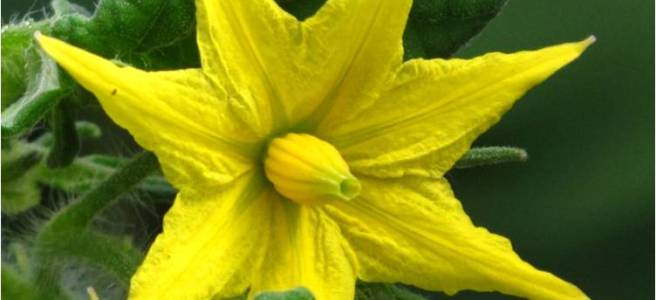
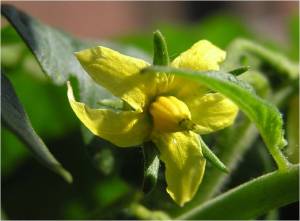
  • Exposed stigma: the female part (stigma) of the flower is outside the anther cone in the center of the flower.
    • exposed stigma
    • In this picture you will see the stigma is clearly protruding out of the corolla tube. This type of flower is very susceptible to cross pollination from other tomato varieties.
    • Potato leaf and black/purple varieties of tomatoes have this blossom structure.
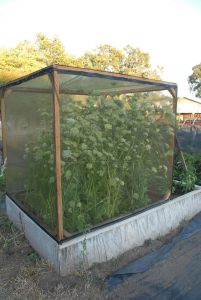
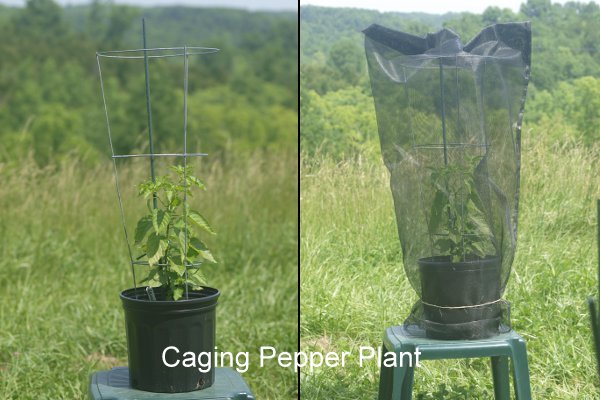
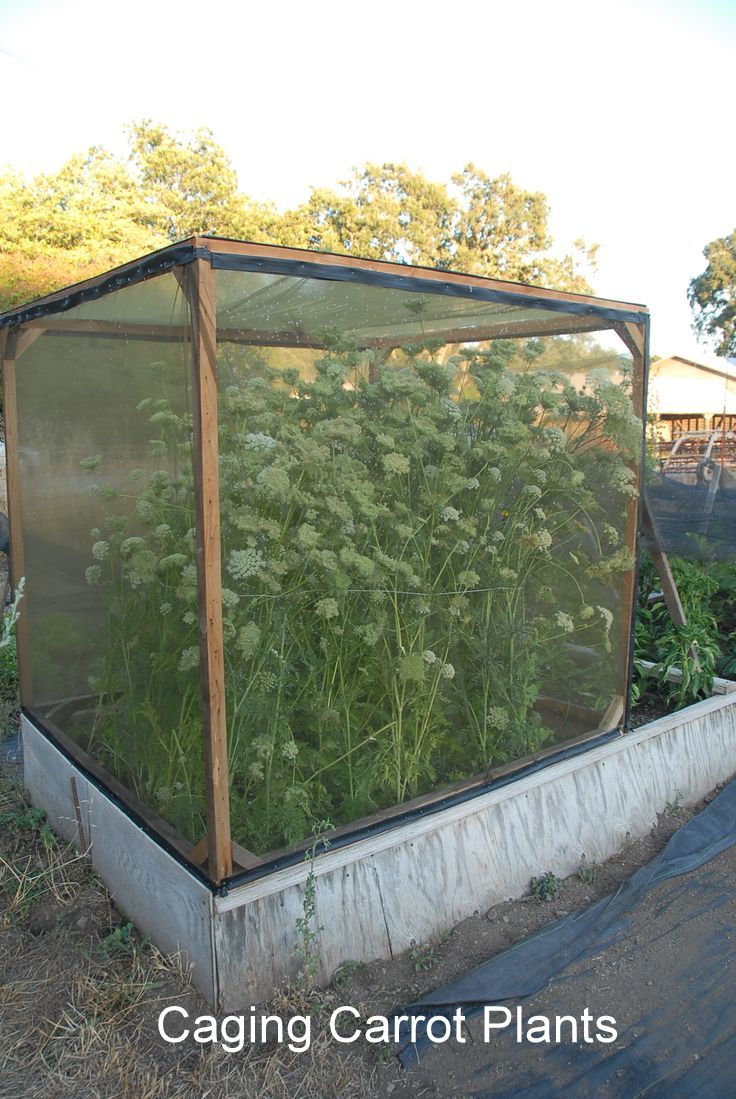
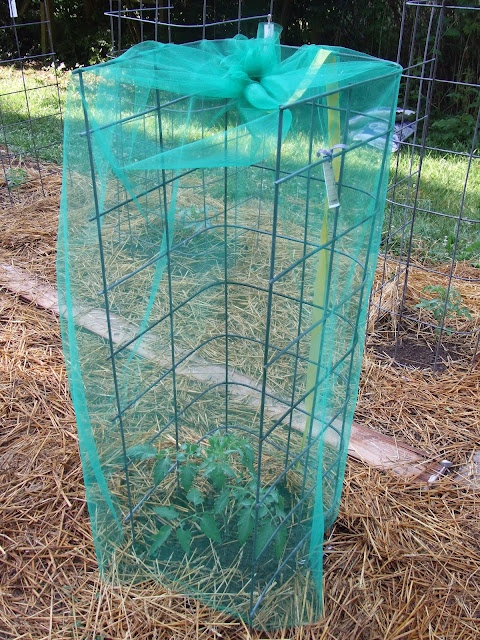
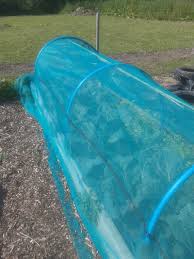
    • Caging is the preferred method if the garden is small and isolation distances cannot  be met. The use of floating row cover (similar to dryer sheet material) will absolutely insure there will be no cross pollination from other tomato varieties. The floating row cover will allow for air and moisture to pass  freely to the caged plants. (20 – 50 feet is the required isolation distance between tomato varieties) Ten (10) plants are the requirement for saving seed from your caged tomato plants.
    • Floating Row Cover may be purchased online from horticultural suppliers or high end garden centers.
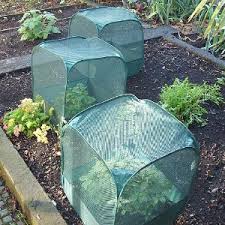
    • seed saving cages 3whole     seed saving cages 5bce525c5436aa03bad5992585ea16d21-001

And to all a good night!!

Papa
Seed Saving Garden? Basics for the Beginner!

Can a backyard gardener save their own vegetable, herb and flower seed? Absolutely!

Saving your own heirloom seed is fun and rewarding. Only open pollinated, heirloom seed has the ability to reproduce itself. Who is better to trust saving seed but yourself. Think of the accomplishment!

What are your favorite vegetables, herbs and flowers? Focus on those varieties that bring back fond memories. Make a goal to start small and add more varieties when you are comfortable doing so.

  • How much space do you have available? Be realistic. Don’t try to cram a lot of plants into a small area. One option is to plant in containers. Some varieties only require limited space for proper growth and root structure (i.e. lettuce).
  • Take into consideration pollination required (wind [corn, wheat], insect [squash, watermelon], vibration [tomato], mechanical [hand pollination])
  • Isolation techniques:
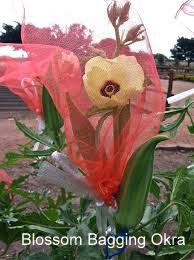
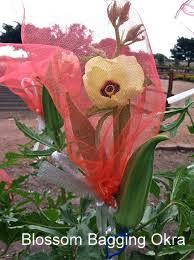
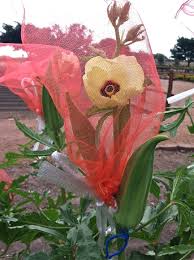
    • Blossom bagging (such as individual fruit of tomato, squash, okra) using fine screening material to keep out pollinating insects.
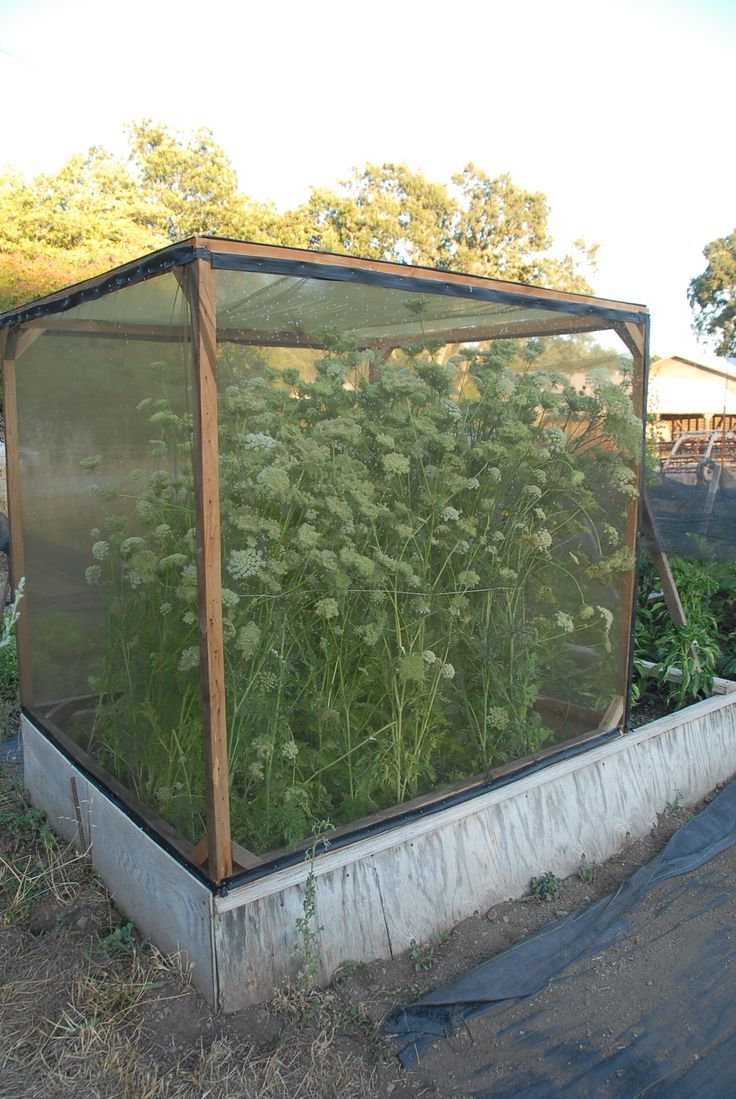
    • Caging entire groups of plants (broccoli, cauliflower, beets, Swiss chard) using fine screening material to keep out pollinating insects.
    • Save okra seed       Tomato seed saving
    • seed saving cages 3whole    seed saving cages 5bce525c5436aa03bad5992585ea16d21

I hope this is more clearly understood. It is absolutely essential to grasp these concepts!

Papa

A Lesson in Communication!

I am rewriting the Seed Saving Garden posts with more explanations and photos. Thank you for your questions and comments.

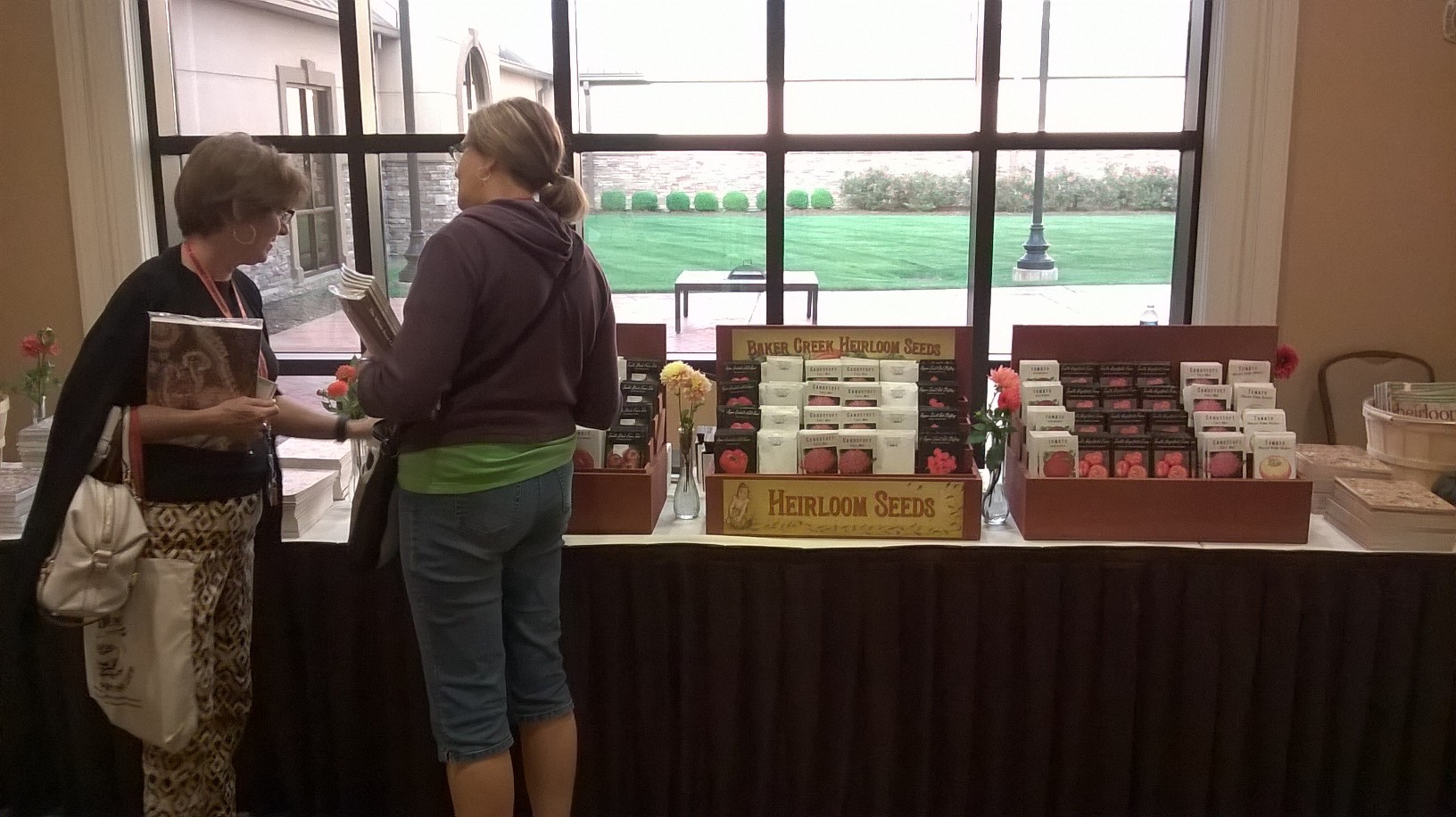
Look for the updated rewrites starting Monday, September 21.06-IMG_3137 Watch for photos and updates from the University of Illinois Extension Master Gardener Conference starting Thursday, September 17.

Thank you again for your comments. You are helping me communicate usable information for your gardening needs.

Papa

Seed Saving Garden? What’s That? Part 4

There is no more popular vegetable than the tomato. The seed is easy to save and well worth while!

  • Tomato: self pollinating

Inserted stigma: the female part of the flower is encased inside the anther    cone in the center of the flower.

-10 – 20 feet between varieties

inserted stigma

–Most tomato varieties have this blossom structure.

–Blossom bag around cluster if garden is small and isolation distances cannot    be met.

–10 plants for sufficient seed quantities

–Seeds are viable 4 – 6 years

Exposed stigma: the female part of the flower is outside the anther cone in the    center of the flower.

-20 – 50 feet between varieties

exposed stigma

–Potato leaf and black/purple varieties have this blossom structure.

–Blossom bag around cluster if garden is small and isolation distances cannot  be met.

–10 plants for sufficient seed quantities

–Seeds are viable 4 – 6 years

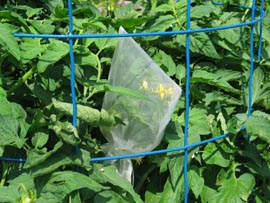
Tomato seed saving     seed saving cages tom flowers 1tomBag1

  • Make sure to label your bagged tomato fruit when removing bag to identify your seed savers.
  • Remember, bags may be removed with evidence of small developing tomato fruit.

Harvest when fruit is fully colored and ripe. Make sure you harvest fruit that comes from healthy plants and fruit (disease free).

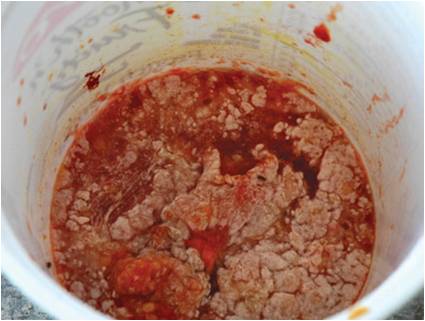
Fermentation of tomato seed is required prior to drying. Fermentation removes the gel coat around each seed. The gel coat may inhibit germination.

Crush tomato fruit into a jar or bowl. Add a small amount of water to the pulp.

Tomato seed saving2

Allow pulp to ferment for 2-4 days (2 days if 80°-95° (F), 4 days if below 80° (F)).

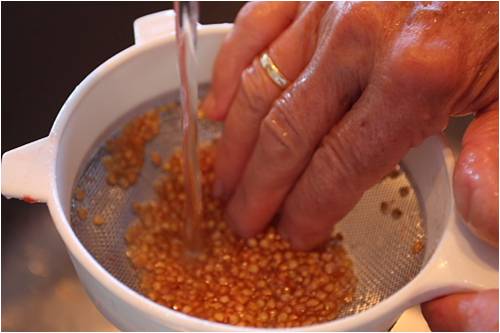
Tomato seed saving3Strain mixture to remove the pulp and fermented material.

Tomato seed saving4

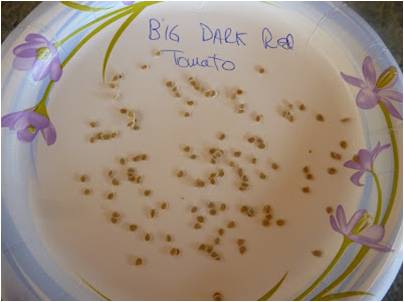
Place the moist seeds on a labeled paper plate and allow to dry for 2 weeks.

Tomato seed saving1Scrape seed off of the paper plate and place in a labeled paper envelope (place envelope in a freezer zip lock bag) or small glass jar. Place saved seed in a cool, dark and dry place or your freezer.

Saving tomato seed is easily accomplished and low tech. Plus, the saved seed will last for many years.

Papa

Seed Saving Garden? What’s That? Part 3

I met a man in the Baker Creek Heirloom Seed store who lost his personal family heirloom seed in a house fire. He was saddened he could not replace those beloved seeds. All the more reason to embrace the heirlooms we can grow and make them our own.

Growing, Harvesting, Saving Seed

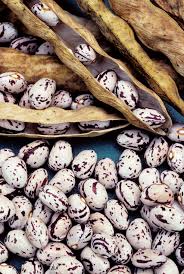
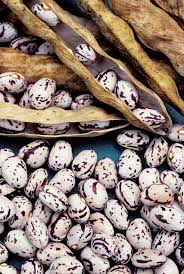
Beans (green, dry/fresh shell out beans), cowpeas/southern peas and peas (garden, snow and sugar snap peas) are the simplest seeds to save!!

  • Beans: 10 – 20 feet between varieties is sufficient to prevent cross pollination (self-pollinating).

–10 plants are needed for sufficient seed quantities.

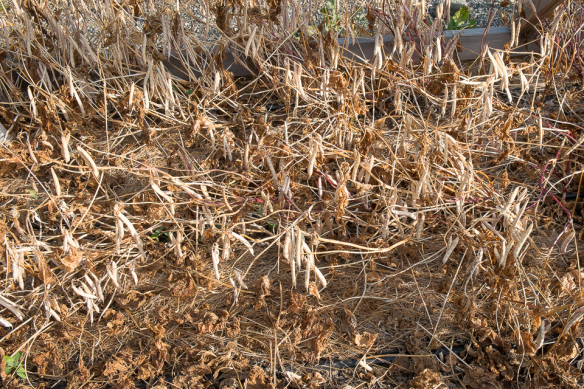
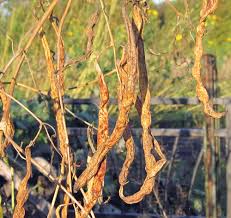
–Harvest when pods are dry.

–Seed are viable 3 – 4 years

beans-dry-bush-closeupDried beans on vineBeans pods2

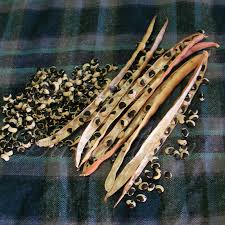
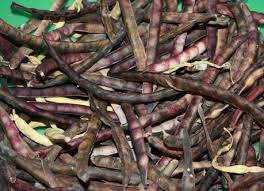
  • Cowpeas: 10 – 20 feet between separation to prevent cross pollination (self-pollinating) .

–10 plants are needed for sufficient seed quantities.

–Harvest when pods are dry.

–Seed are viable 3 – 4 years.

Cowpeas1Cowpeascowpeas2

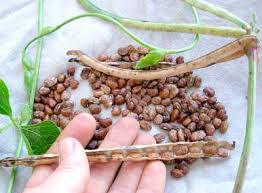
  • Peas: 10 – 20 feet between varieties is sufficient to prevent cross pollination (self-pollinating).

–10 plants are needed for sufficient seed quantities.

–Harvest when pods are dry.

–Seed are viable 3 – 4 years

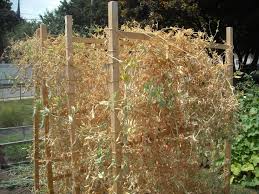
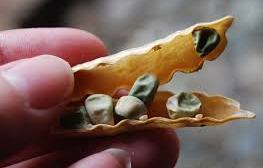
Dried peas on vineDried peas1Dried peas

  • Remember, this is fun and practical! Any questions?

Papa

Seed Saving Garden? What’s That? Part 2

As heirloom vegetables, herbs and flowers are losing ground by an estimated 10,000 a year, seed saving has become a race for time and the home gardener has a place in this race.

This information was part of a presentation offered during the fall festival at Baker Creek Heirloom Seed Company.

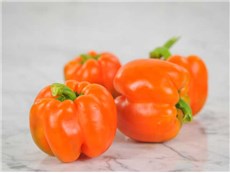
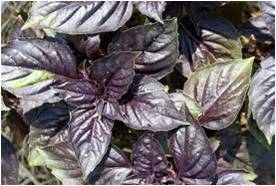
Pepper-Etiuda-PP192-web07-IMG_3150Purple Basil

Seed Saving for the Beginner

  • Self pollinating annuals

–It is wise to perpetuate only open pollinated, heirloom varieties.

  • Beans, lettuce and peas are easy for seed saving production.
  • Tomatoes – bagging tomato hand (truss) or meeting isolation distances between varieties.
  • Cucumber, okra and melons are insect pollinated. One variety allows for production of true to type seed.
  • Pumpkins and squash should be hand pollinated and kept in a bag or cage until fruit is set.
  • Do not take on biennials requiring vernalization.
  • Do not take on those varieties requiring large isolation distances.

Population Size

  • Seeds collected from a number of plants of the same variety, protects the variety’s genetic diversity.
  • Seeds collected from a number of plants of the same variety, is essential to the health and performance of the variety.
  • Seeds collected in your garden are unique to the changing conditions of you area.
  • These seeds are now a one of kind variety for your special use.

Isolation

  • Goal – produce true to type seeds

–Prevent unwanted cross pollination

  • Isolation techniques:

–Blossom bagging – successful fertilization evidenced by development of  fruit.

Save okra seedTomato seed saving

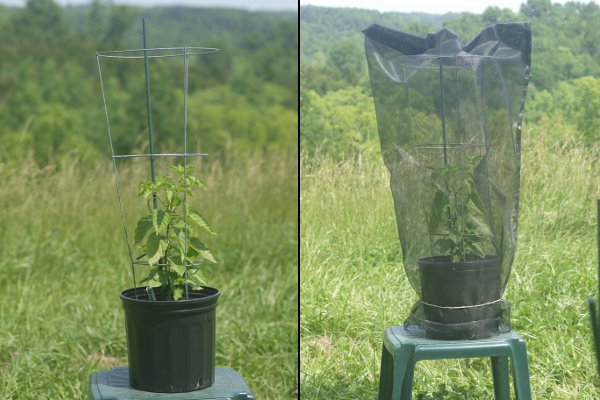
  • Caging – a physical barrier made of a frame and screen to prevent cross pollination of insect pollinated plants.

seed saving cages 2bf220def13c0a7dd7fe13d3e8f860078seed saving cages 3whole

Garden cages4

Bagging and caging are useful for those who have limited space. The netting or row covers will prevent inadvertent cross pollination by wind or vibration.  Plus, the caging method is a great way to contain pollinators (such as bumble bees and mason bees) to pollinate Cucurbit (cucumbers, melons, squash, watermelons) crops.

Please, I am looking forward to answering any of your questions!!

Papa
Seed Saving Garden? What’s That?

Have you considered saving seed from your garden? Saving seed was once an option. Not any more. It is absolutely essential!! With an uncertain economy and a shrinking heirloom seed pool, the time has come to start saving seed. Over 90% of our heirloom seed have been lost to apathy, lack of interest and the advent of hybrids.

I offered a presentation on  Planning a Seed Garden during the September Baker Creek Heirloom Seed Fall Festival. I will be sharing this information over the next few days.

seed saving cages 2bf220def13c0a7dd7fe13d3e8f860078Save okra seedGarden cages3

  • Determine your favorite open pollinated (true to type) vegetables, herbs and flowers.
  • Does your current garden have the space necessary for vegetable and seed saving production?

–Make a garden plan to fit the space available.

Start small, planting a familiar variety that you are comfortable growing.

–What seed crop or crops are worth the space?

  • Isolation requirement, pollination method and plant requirement must be considered.

Annual Crops

  • Will your seed saving choice have time to mature?

–Tomato, winter squash and grains are harvested at maturity.

–Eggplant, cucumber, snap peas and beans need additional time for seed          maturity.

–Leaf crops (Oriental greens, lettuce, spinach), stalk crops (celery, celtuce,      cardoon, Swiss Chard, asparagus, fennel) and root crops (potato, sweet potato)    need additional time for seed maturity.

Biennial Crops

  • Need cold for vernalization requirement.

–Vernalization is a period of chilling before flowering.

  • Winter chilling is critical for flower initiation.
  • Cabbage, carrots, beets, turnips, kale grow foliage the first year.

–Overwintering initiates flowering the following spring, producing seed.

Are there any questions? Please send them!

Papa
2015 University of Illinois Extension Master Gardener Conference

Preparing for the 2015 University of Illinois Extension Master Gardener Conference, O’Fallon , Illinois. I will be speaking on SEED SAVING, Friday, September 18.

https://web.extension.illinois.edu/mg/conference2015/index.cfm

https://web.extension.illinois.edu/mg/conference2015/speaker.cfm

Hopefully, this will be the first of many opportunities to share the absolute importance of saving your own seed. At one time it was an option to save heirloom seed. Now it is essential!!!

Papa
Papa
Growing Lettuce in Your Garden!

Lately, I have heard this statement several times.

“My lettuce is bitter or tasteless or falling over and limp. What varieties of lettuce should I be growing?”  My response is “You’re asking the wrong question. The question should be, how do I properly grow lettuce?”

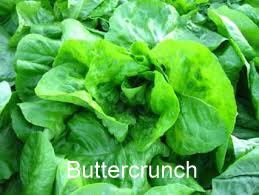
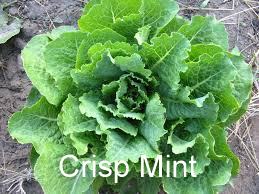
buttercrunch       Crisp Mint1

These are two of my favorites! They are delicious and easy to grow. Buttercrunch has a soft leaf and is very tolerant to heat! Crisp Mint is a Romaine type with a mildly sweet flavor and crisp texture.

There are several issues that must be addressed:

  • Proper soil – sandy loam is best
  • Irrigation – even amount of moisture (drip irrigation preferred)
  • Full sun vs partial shade (when the temperature increases, partial shade is a benefit)
  • Temperature – the ideal temperature range is 35° – 80° (F). Buttercrunch, Oakleaf and Amish Deer Tongue are great hot weather varieties.
  • Proper spacing of plants (if you sow seed too heavy, you must thin the seedlings to prevent overcrowding. Use the thinnings for baby lettuce or micro greens).
  • Fertilization – use moderate amounts of compost. Side dress with seaweed emulsion and fish emulsion.
  • Succession planting – http://papasgardens.com/2015/09/03/succession-planting-for-success/

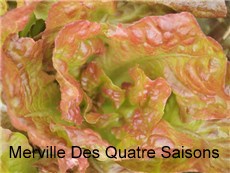
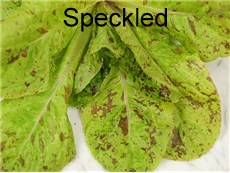
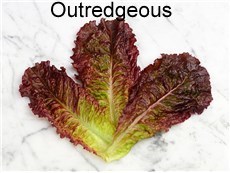
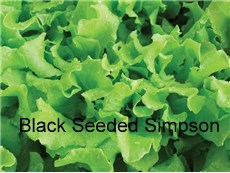
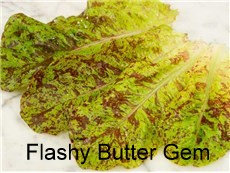
Here are other varieties I have grown and found to be flavorful, dependable and having good texture.

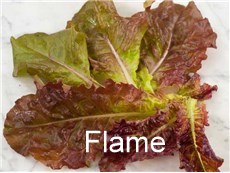
Lettuce-Speckled-LT103-DSC03175 merveille-des-quatre-saisons-lettuce2 Lettuce-Outredgeous-DSC02642         Lettuce-Hendersons-Black-Seeded-Simpson Lettuce-Flashy-Butter-Gem-LT160-web         Lettuce-Flame-LT113-web

Enjoy!!

Papa