Warm Weather Winter Gardening!!

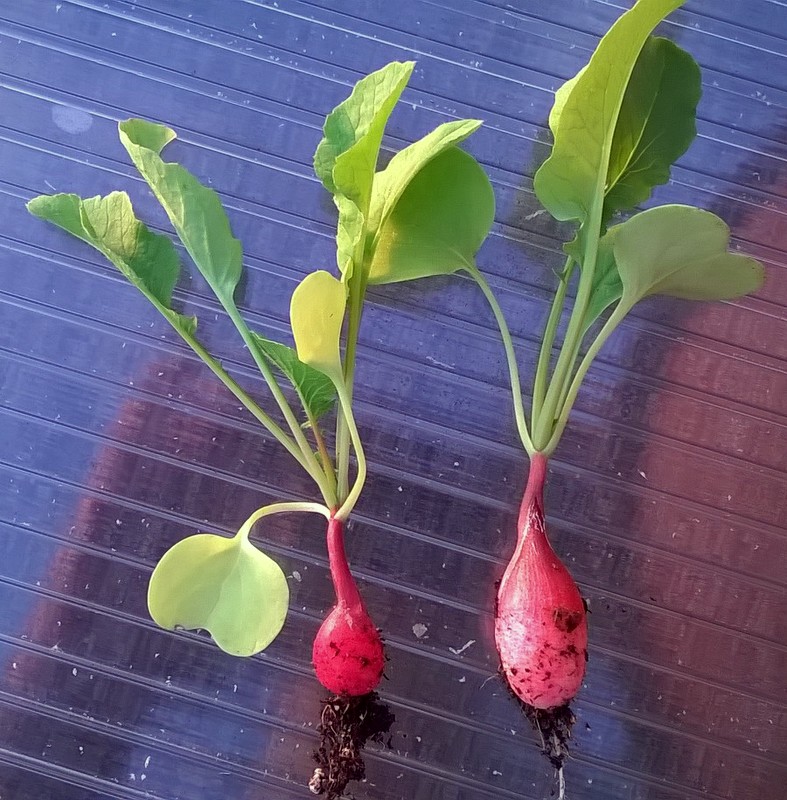
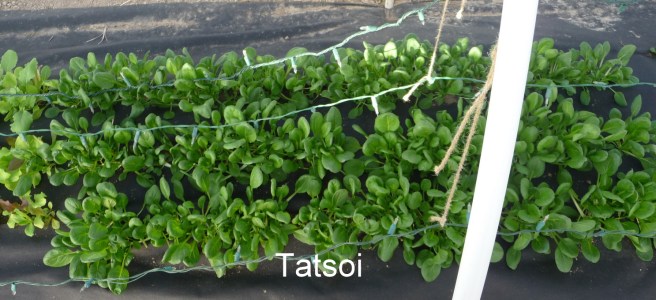
It is hard to believe how fast the veggies grow in the warm temperatures this winter!

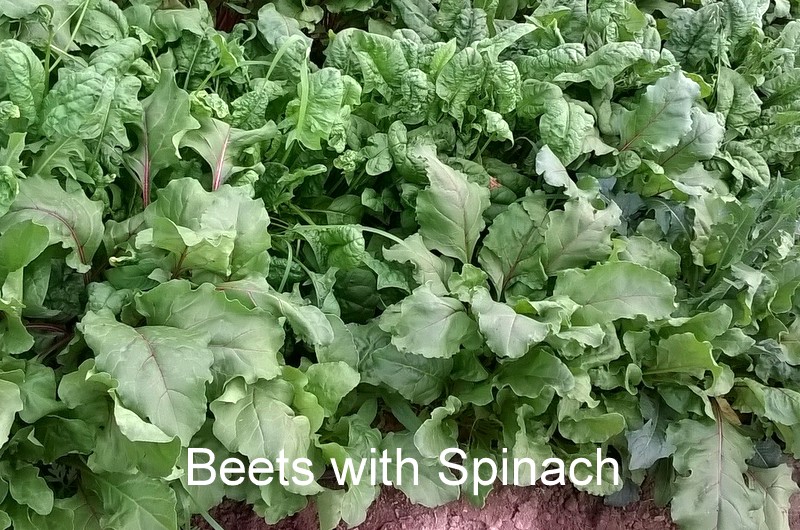
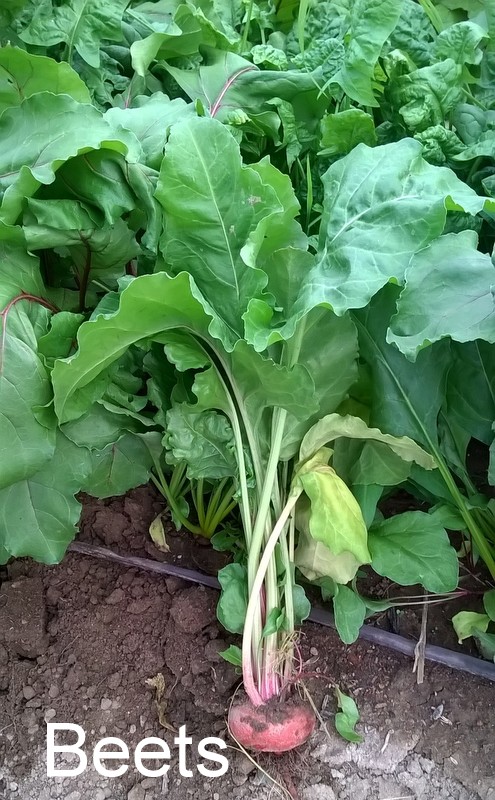
The lettuce, radish, arugula, beets, spinach and Oriental greens seedlings were started November 30th.

The broccoli, cabbage, cauliflower, collard and kale transplants have tripled in size. The color and texture are simply marvelous!

Sweet Peas will be started this weekend and should be ready to pick by late winter/early spring. The transplants will be started in cell packs to be planted by mid-January.

wall-of-sweet-peas

It has been so warm, the rhubarb and strawberries are starting to take off.

You should definitely try your hand at Fall and Winter gardening.

Papa


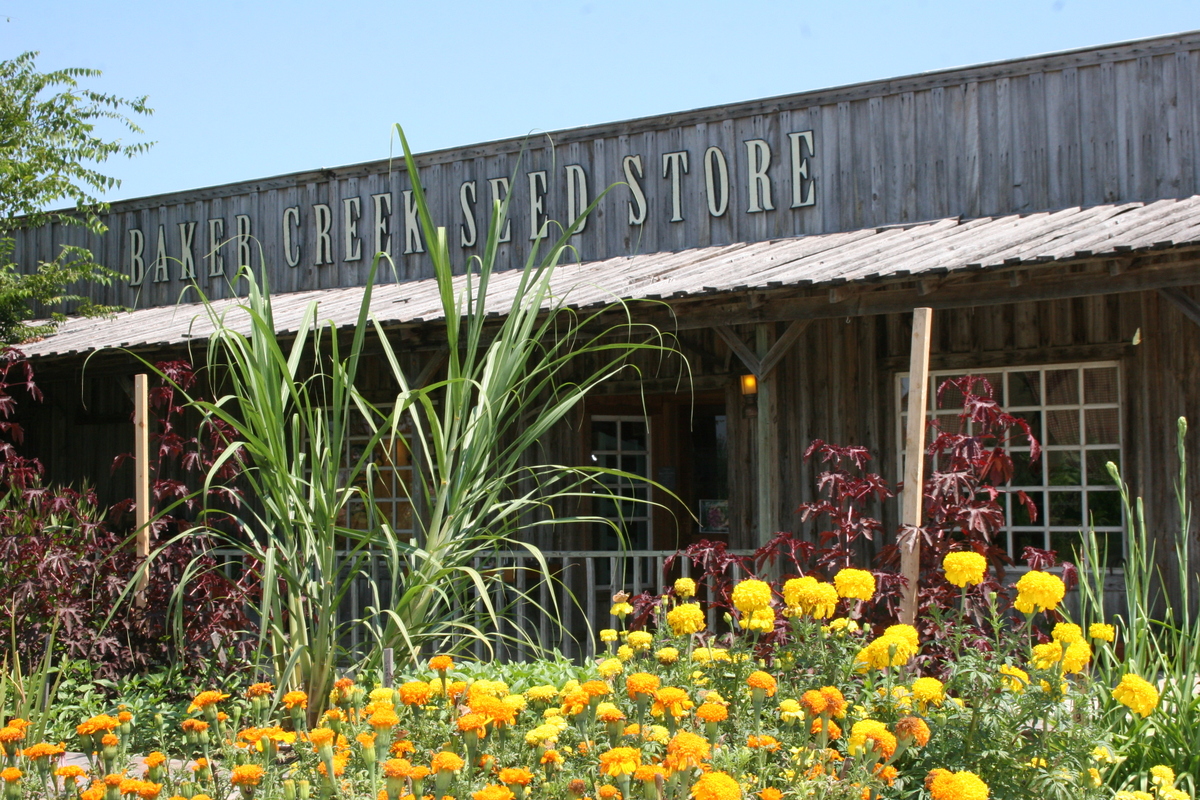
A Summer Stroll at Baker Creek Heirloom Seed Company

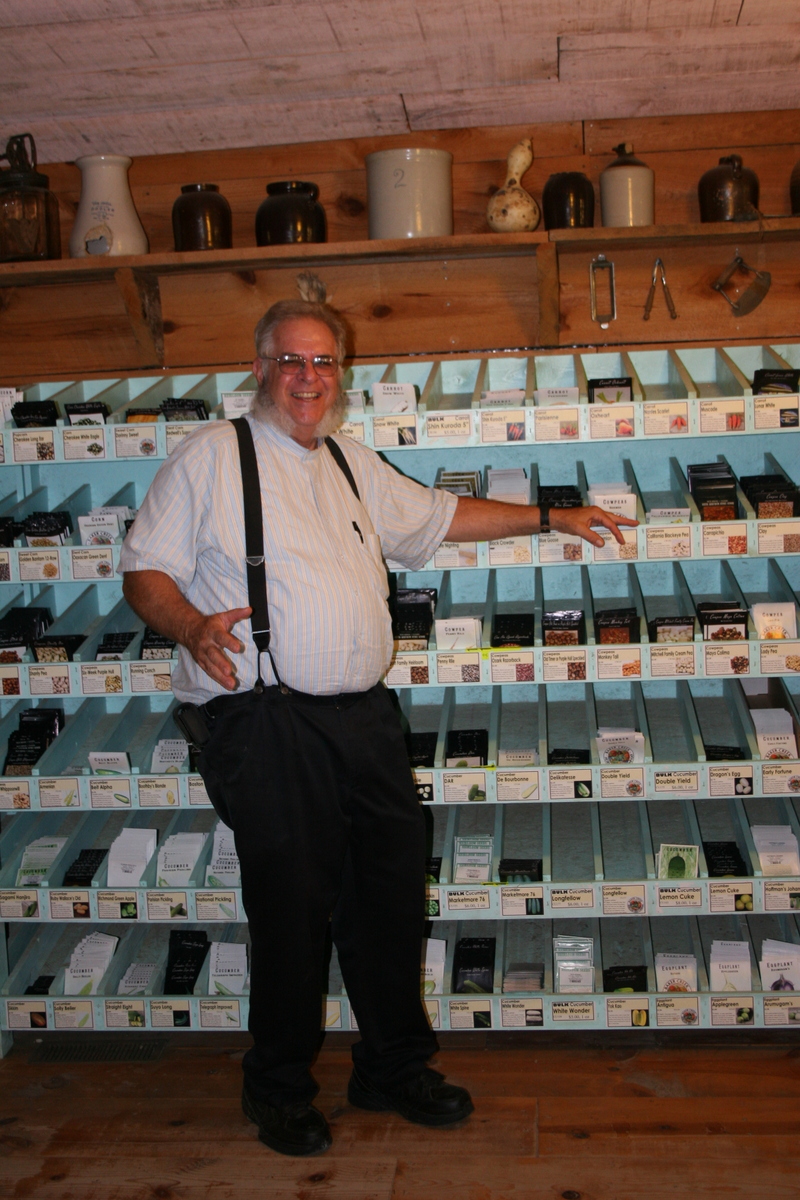
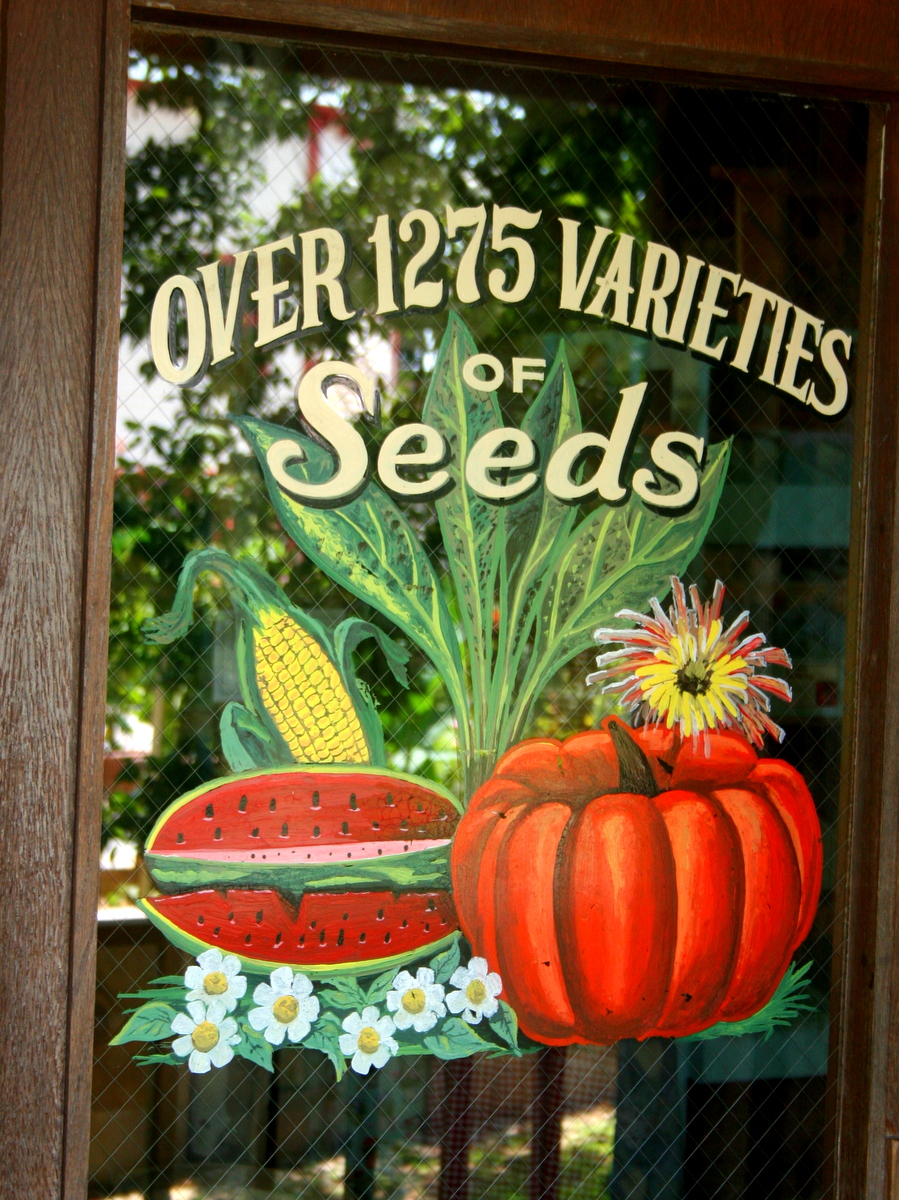
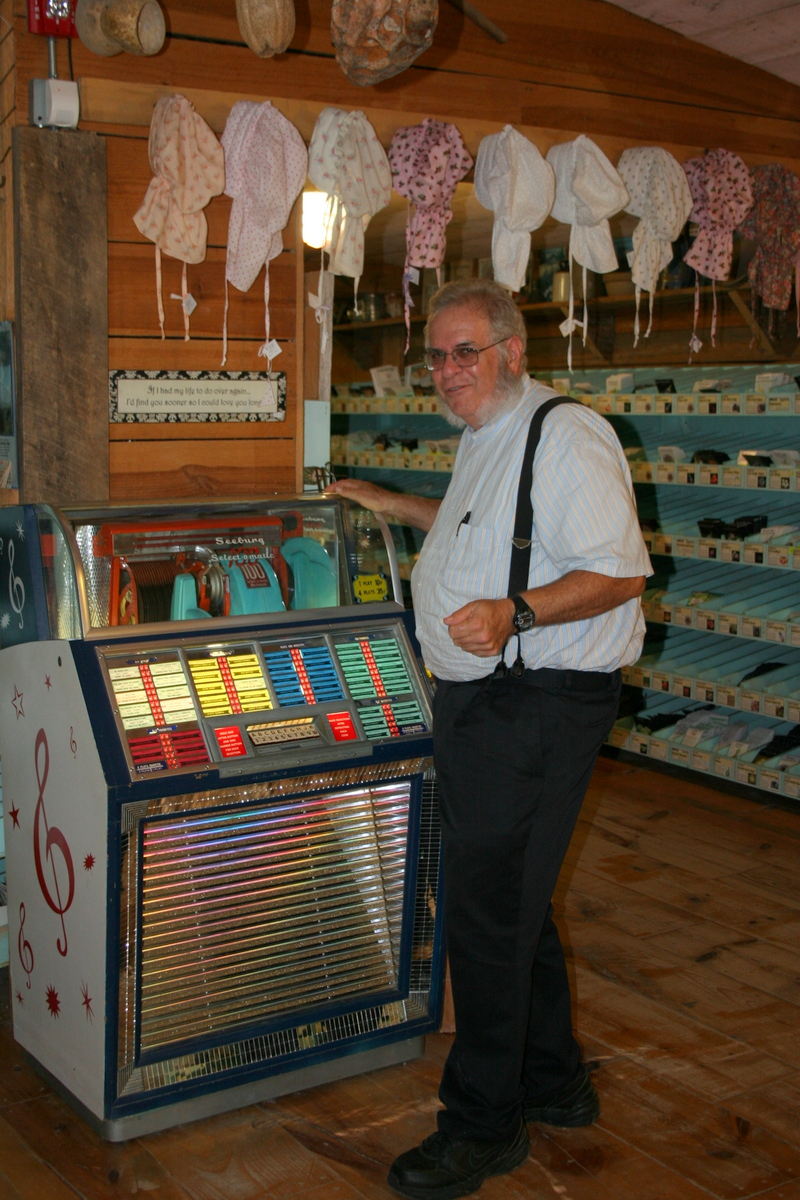
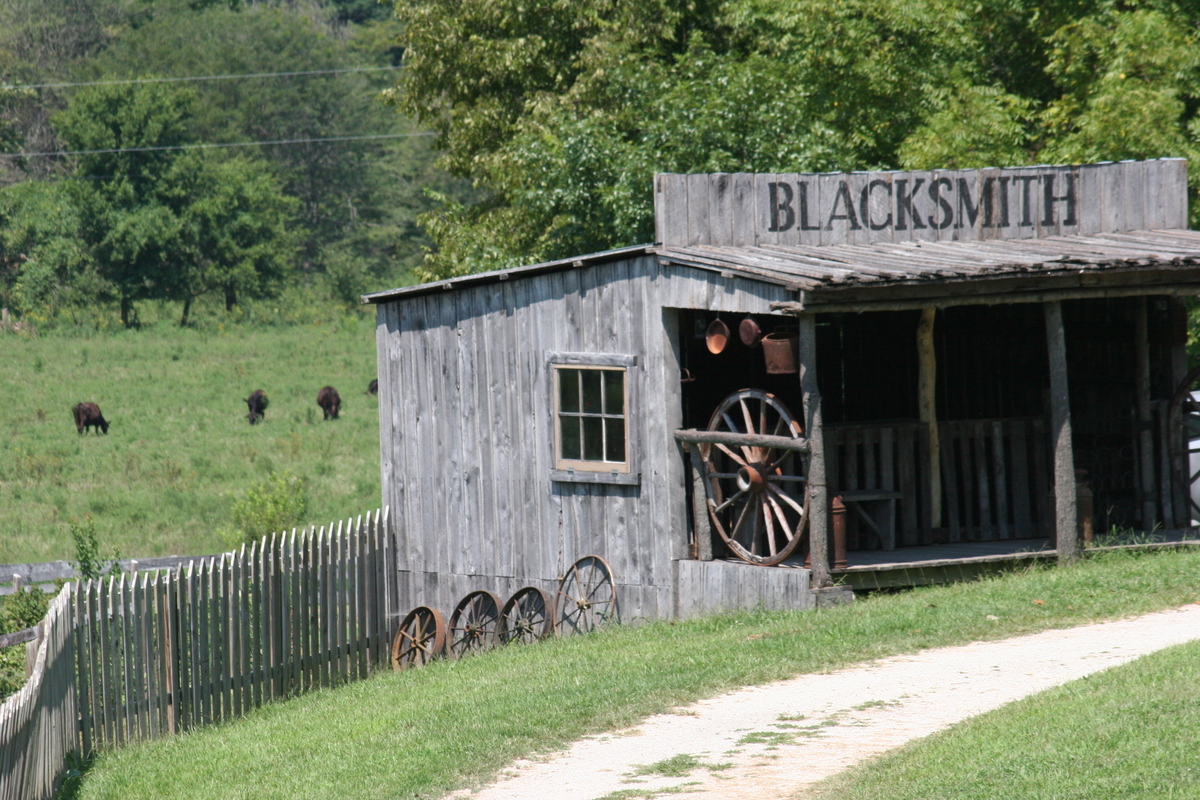
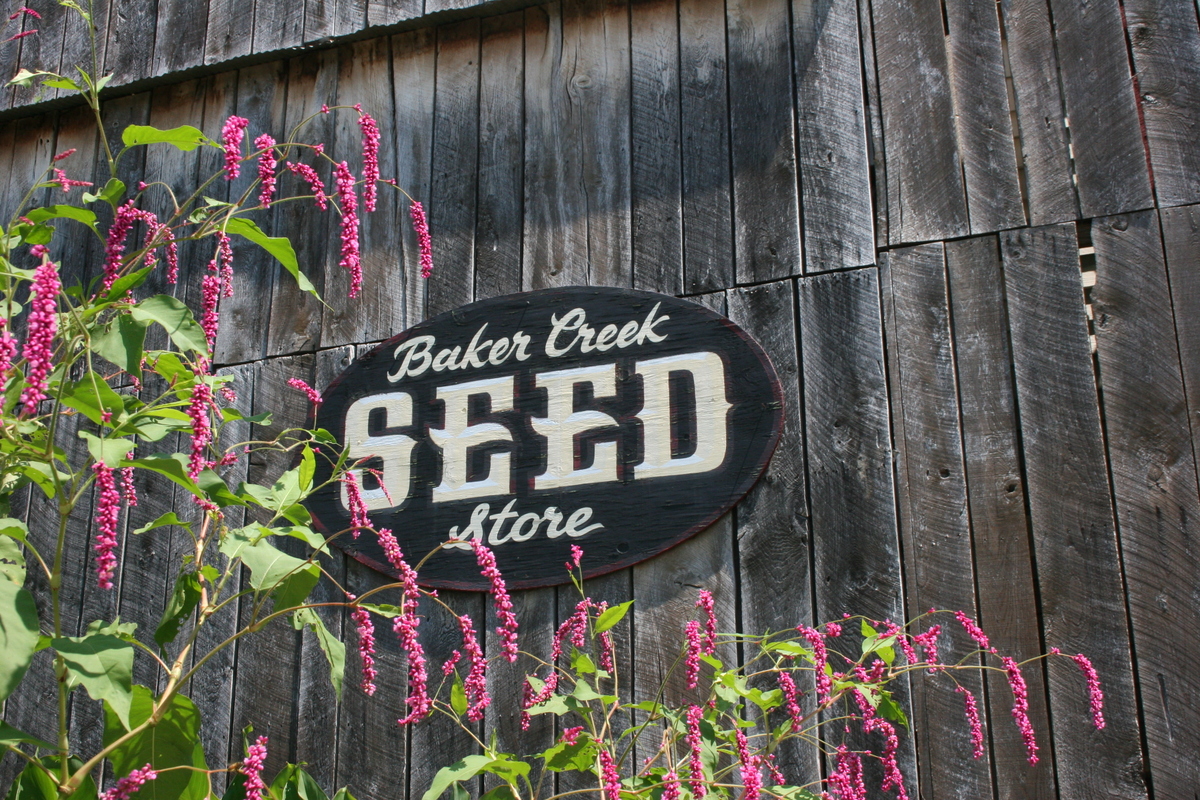
If you are ever near Springfield or Branson, Missouri, you should check out Bakersville Pioneer Village. Home of the Baker Creek Heirloom Seed Company, it offers an amazing Seed Store with over 1700 varieties of heirloom, hard to find seeds, gardening books, hand made items from the local Amish community, and items found in an old time Mercantile.

16-IMG_3194 22-IMG_3098

03-IMG_3130 23-IMG_3204

02-IMG_3121 IMG_3128

05-IMG_3135 19-IMG_3091

There are monthly festivals the first Sunday of each month (March through October) featuring local produce and herbs, Blue Grass and old time country music from local musicians and artisans selling home made soaps, jewelry, quilts and various crafts.

I often speak about Seed Starting or some aspect of gardening in the theater.

The next festival is coming up Sunday, September 6, 2015.

25-IMG_3215 04-IMG_3133

15-IMG_3192 20-IMG_309321-IMG_3096

10-IMG_3176 07-IMG_315012-IMG_3180

The hotel is open as an eatery offering vegan cuisine from produce grown at Baker Creek by our Chef Quintin Eason.

11-IMG_3179 06-IMG_313714-IMG_3187

Enjoy strolling through the gardens of this quaint little “town” and enjoy the flowers in their full summer bloom.

Stop by the Flour Mill (Friday and Sunday) to get the best cinnamon bun you have ever eaten!

18-IMG_319917-IMG_3196

13-IMG_3186 24-IMG_3211

Make sure you stop by the Seed Store and say Hey!

Papa

For Milkweed Go Native!!

It is very important that you supply the correct varieties of milkweed for your specific location.

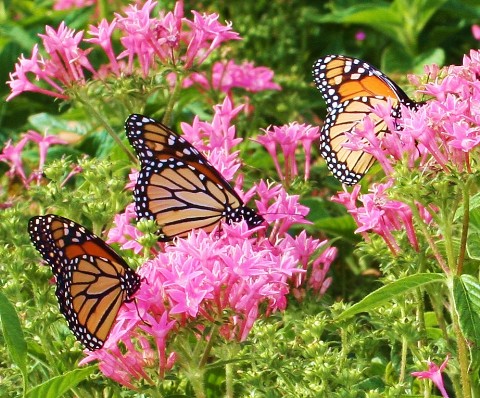
Three-Amazing-Monarchs-on-Milkweed (1)

For instance, I live in the Missouri Ozarks. The recommended varieties are: http://www.xerces.org/wp-content/uploads/2013/07/Milkweeds-of-Central-US_plus-vendors_XercesSociety.pdf

  • Swamp Milkweed (Asclepias incarnata)
  • Common Milkweed (Asclepias syriaca)
  • Butterfly Milkweed (Asclepias tuberosa)
  • Whorled Milkweed (Asclepias verticillata)
  • Green Antelopehorn (Asclepias viridis)
  • Purple Milkweed (Asclepias purpurascens)

Sunset Flower AKA Scarlet Milkweed AKA Tropical Milkweed (Asclepias curassavica) is not recommended for a Monarch butterfly larval plant in North America. Tropical Milkweed is native to South America. It is now becoming an invasive species in the southern states of America. The Monarchs that consume this variety become prey to additional parasites. Subsequently, this variety weakens the larvae and butterfly. Lastly, the Monarchs are not migrating to Mexico because they have a constant supply of the wrong food.

Check out these links for native milkweed in your area:

http://www.xerces.org/wp-content/uploads/2011/03/xerces-nrcs-california-milkweed-guide.pdf

http://www.xerces.org/wp-content/uploads/2011/03/NativeMilkweedsGreatBasin.pdf

http://www.xerces.org/wp-content/uploads/2011/03/SE-Monarch-milkweed-butterfly-host-plant-brochure-final-2012.pdf

http://www.xerces.org/wp-content/uploads/2014/03/Monarch-Butterflies-East-Region.pdf

http://www.xerces.org/wp-content/uploads/2015/03/Monarchs-Milkweeds_Northern_Great_Plains.pdf

Don’t forget nectar producing plants for your Monarchs as well. Some of their favorites include:
Buckwheat (Eriogonum)
Butterfly Bush (Buddleia)
California Lilac (Ceanothus)
Citrus (Citrus)
Coneflower (Echinacea)
Coreopsis (Coreopsis)
Cosmos (Cosmos)
Daisy (Aster and Chrysanthemum)
Dianthus (Dianthus)
Heliotrope (Heliotropium)
Lantana (Lantana)
Marigold (Tagetes)
Milkweed (Asclepias)
Pincushion Flower (Scabiosa)
Rabbit Brush (Chryssothamnus)
Rock Cress (Arabis)
Salvia (Salvia)
Senecio (Senecio)
Star Clusters (Pentas)
Sweet Alyssum (Lobularia)
Verbena (Verbena)
Wall Flower (Erysimum)
Zinnia (Zinnia)

Papa

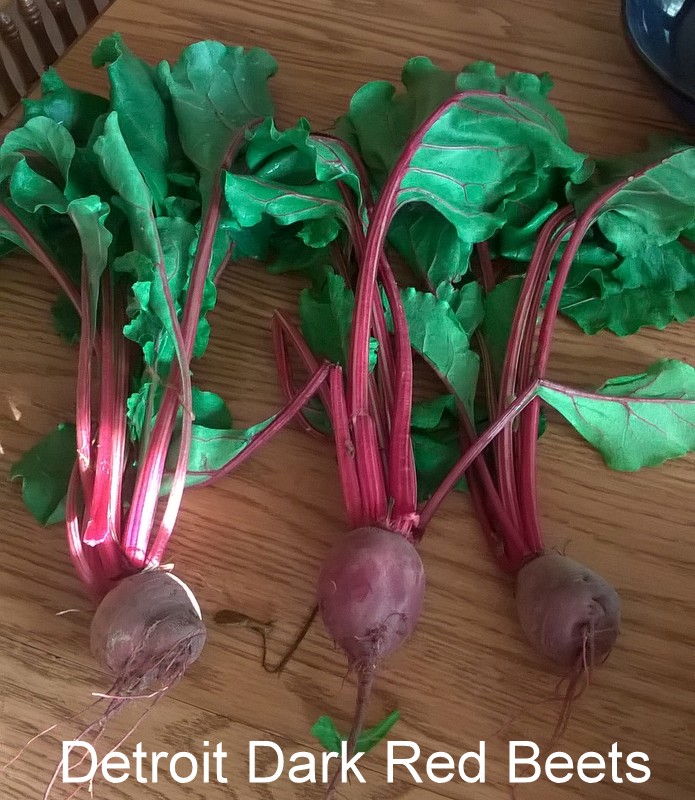
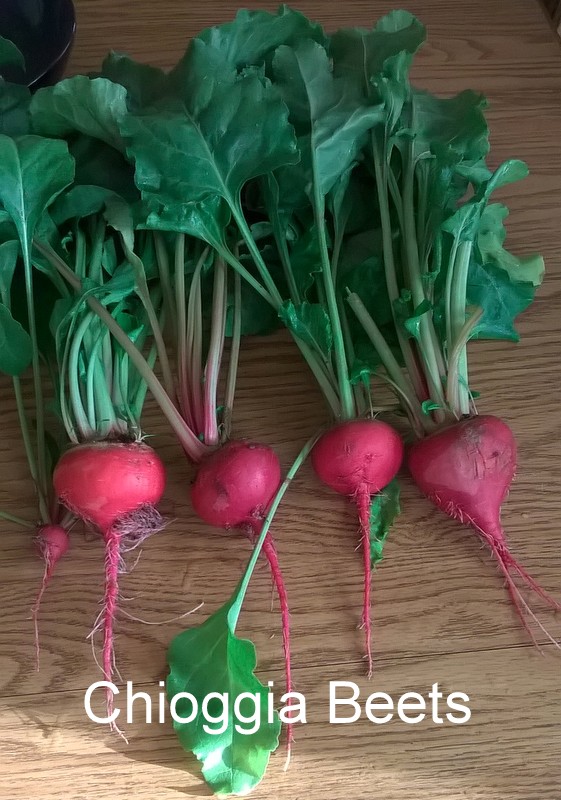
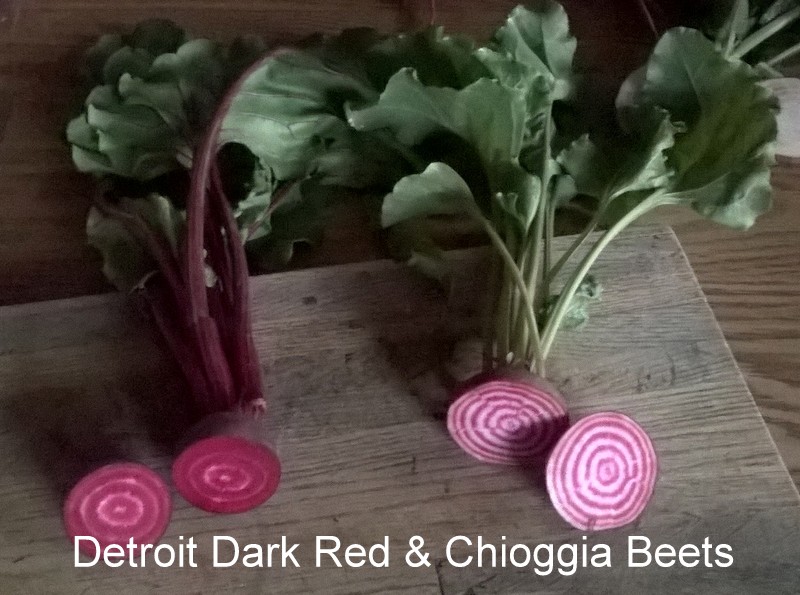
Beets from the Hoop House Two Weeks Early!

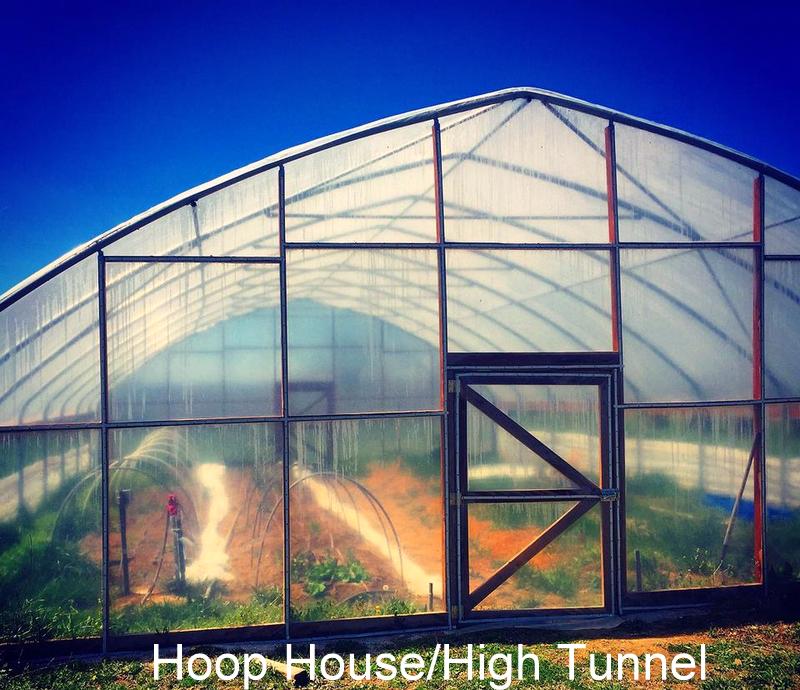
Garden beets grown in a hoop house are ready to harvest two weeks before those grown outside. The beet plants and beets are more tender. The protection from the outside elements accelerate the growth for an early crop.

Hoop HouseWP_20150519_19_14_50_Pro

WP_20150519_19_18_07_Pro                     WP_20150518_18_51_58_Pro     WP_20150518_18_52_23_Pro              WP_20150518_20_10_35_Pro

The beauty and flavor of these beets are unbeatable (excuse the pun!)!!

Papa

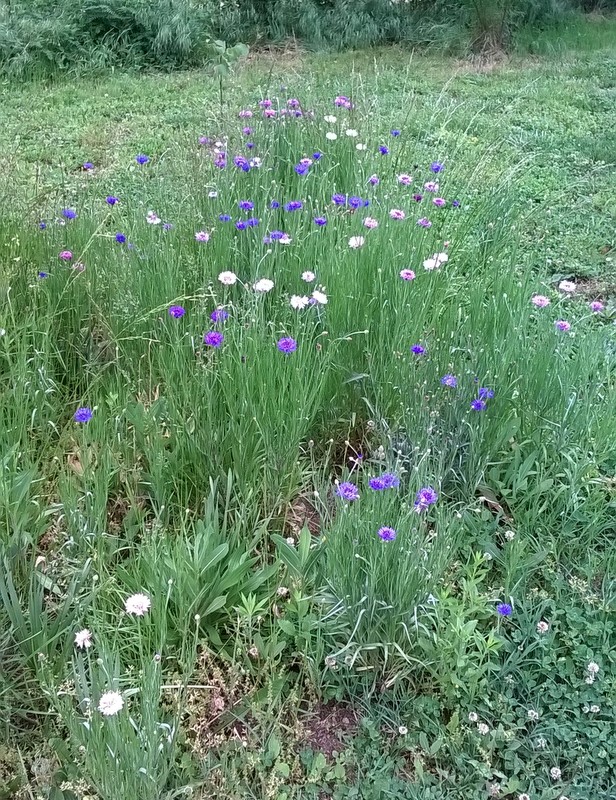
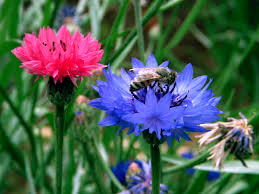
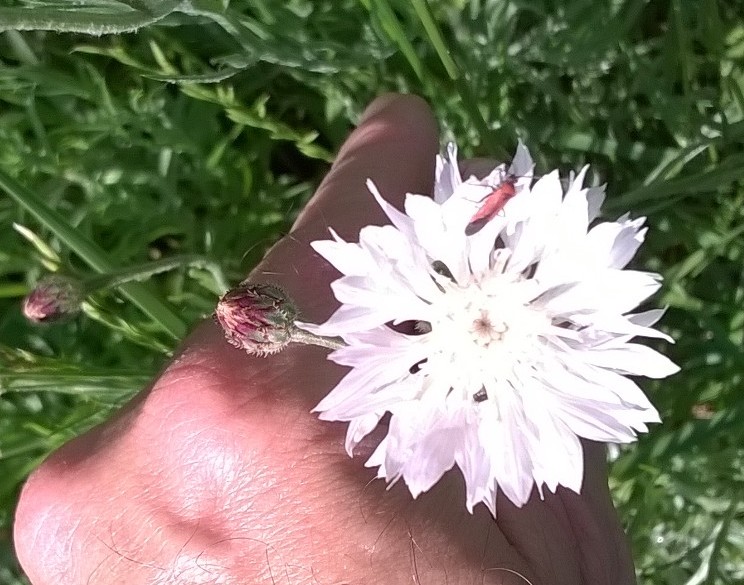
Cheerful, Self Sowing Bachelor’s Buttons

I planted several different varieties of Bachelor’s Buttons last year. The seed heads shattered and self sowed a naturalized planting for this spring and summer. I love the colorful display and the added benefit of sustaining beneficial insects. Try growing Bachelor’s Buttons and you won’t be disappointed!!

WP_20150516_12_40_48_Pro WP_20150516_12_41_03_Pro WP_20150516_12_41_15_ProBachelor button!WP_20150516_16_12_22_Pro

Vegetables are for the body. Flowers are for the soul!!

Papa

The Squash Vine Borer is your Enemy and Here’s How to Defeat Them.

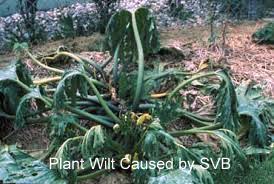
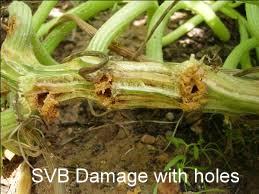
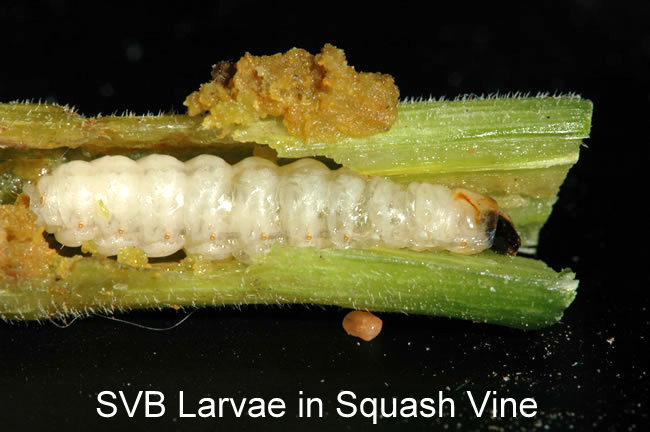
You’ve started your summer squash and zucchini. The plants look great! A couple of weeks later, the plants start to wilt and some die. What did I do wrong? After careful observation, you notice there is something that looks like wet sawdust at the base of the plant. Plus, you see small holes in the bottom stem. What is going on?

SVBwilt  SVBdamage

Your enemy is the Squash Vine Borer!! (SVB)

svb

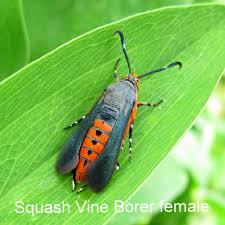
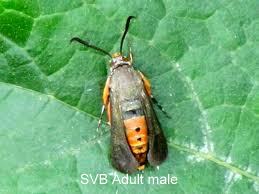
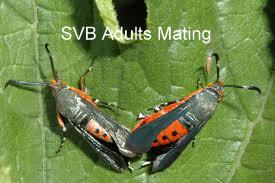
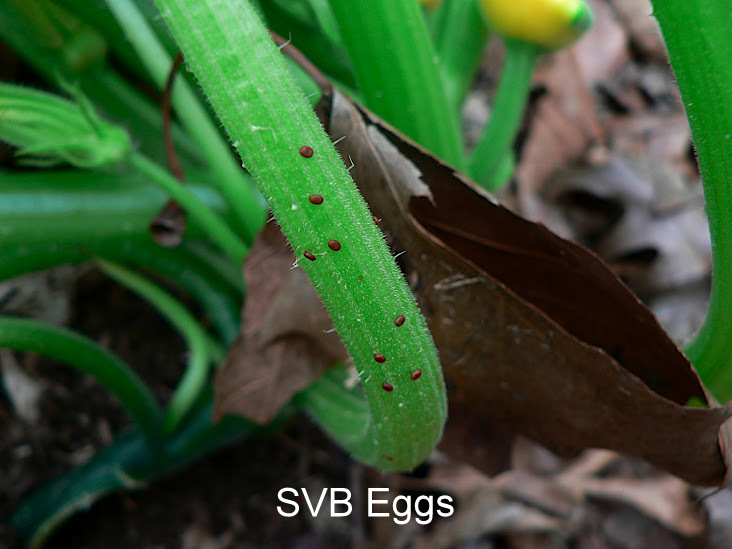
The female Squash Vine Borer moth (Melitta curcurbitae) lay brown eggs especially on the stems, just above the soil line.

squash-vine-borers-3-sm  SVB1SVBmating   SVBeggs2

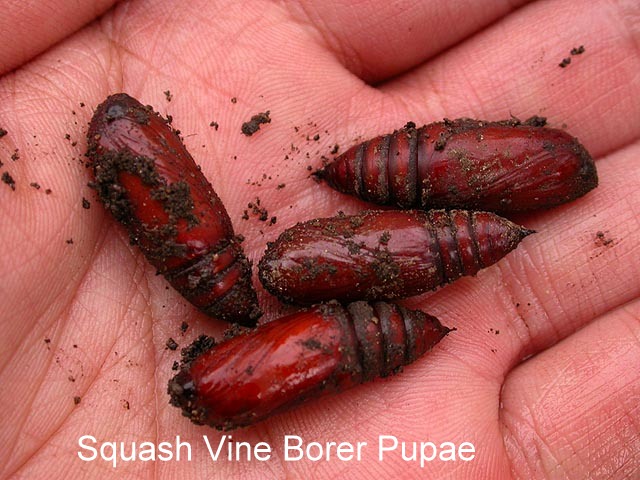
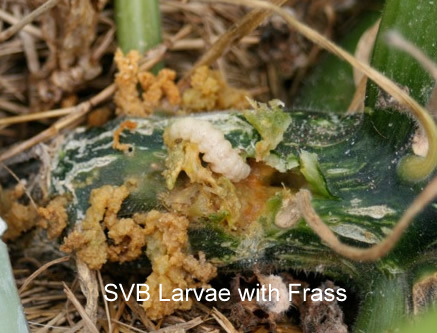
Eggs hatch in 10 days. Once the eggs hatch, they immediately enter the stem, leaving a small hole at the place of entry surrounded by frass (moist sawdust like debris). The larvae (white caterpillars with brown heads) bore into the stem and remain until maturity before pupation (the transformation of the larvae to a pupa(in a cocoon)). They will now stay in the soil (usually 1″-2″) and over winter .

squash-vine-borers-4    SVBmoth_pupae

Squash Vine Borer moths emerge from the ground from early spring through mid-summer. The moth looks like a wasp and is a half inch long. The wings are clear and look like a windowpane. Unlike other moths, this one flies during the day and makes a buzzing sound.

Now that you have identified the enemy, what are your weapons of warfare?

  • A preemptive strategy would be to use a floating row cover (sheer, light weight fabric that is placed over a crop to protect from insects). It is secured in place to prevent insects from damaging the crop. The row cover is put on at the time of planting until the plants begin to flower. Squash crops require insect pollination.
  • Monitor by using a yellow colored bucket trap with water, placed near the newly planted squash plants. The yellow color attracts the moths.  Traps must be checked daily. Once you’ve found moths in the traps, start looking for stem damage. This indicates the female moth is out laying eggs.
    • SVBtrap
  • Create a barrier on the lower stem by using materials such as aluminum foil. Wrap the foil around the lower stem to confuse and prevent the moth from  laying eggs.
  • Plant a trap crop of early planted Hubbard squash three (3) weeks prior to planting your preferred squash crop.
  • Use succession planting (weather permitting). Have fresh transplants ready to go. A late crop planted after SVB pressure may offer a harvest. Do not plant your late crop where there has been previous pressure from the SVB. Rotate your planting to an unaffected area.
  • SVB resistant varieties of squash, such as Waltham Butternut, offer a solid stemmed variety to thwart the penetration of the larvae. Cucurbita moschata are their least favorite, as they are solid stemmed. Cucurbita pepo are their most favorite, as they are hollow stemmed. Seed catalogs will list this information for each squash seed offered.
  • When a squash plant has been attacked by the squash vine borer, find the borer by looking for the frass or small holes with frass. Carefully slit open the stem and remove the caterpillar. Cover the wound with fresh soil or compost to encourage the re-rooting of the plant.
  • Remove and destroy any plants that are severely wilted or dead immediately. Do not compost these plants!!
  • Sanitation is key! Immediately remove your squash vines after harvest. Do not compost!! Burn the vines or bag the vines and remove them from your property. The soil must be exposed to reveal the cocoons.
  • Till or fluff the soil up to 2″ to expose SVB cocoons. Songbirds and poultry delight in eating the pupae (cocoons).
  • Always rotate your squash crop to another space each year.

My strategy this year includes the Blue Hubbard trap crop and yellow trap buckets. Plus, I will preemptively spray the ground stems with a mixture of vegetable oil and Dipel (Bacillus thuringiensis). I’ll keep you updated throughout the summer.

Papa

Decisions, Decisions Buying Packs of Seed!

You’re poring over your seed catalog, looking at seed online or better yet choosing your seed in the seed store. Hopefully, you’ve narrowed your choices. Making a list is a wise way to finally make your decision.
Let’s see what the seed packet says. The description should entice you to consider your options.

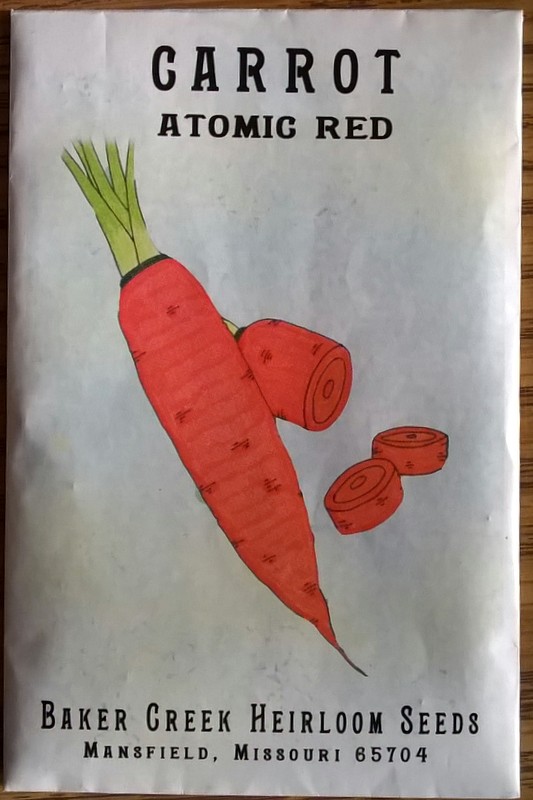
  • Title of pack – the variety and color
  • Catalog number, Lot number, amount of seed, cost, sell by date
  • Days to maturity –
    • Direct sowing of  seeds- days from the time you sow the seeds to the time of harvest. i.e. – beets, carrots, beans, peas, kale, lettuce, borage, dill, zinnia, sunflower
    • Transplants from germinated seed – days from time of transplanting into garden to the time of harvest. i.e. – cabbage, broccoli, cauliflower, brussels sprouts, tomato, pepper, eggplant, basil, thyme, petunia, snapdragon
  • A more detailed description of variety – color, height/length, weight, health benefit and overall appeal.
  • Detailed planting instructions – seasons for sowing, planting depth, seedling care, possible succession planting (timed, multiple sowing), soil requirements, temperature requirements, moisture requirements.
  • Seed company – pertinent company information

Happy Planting!!!!!

WP_20150428_18_47_24_ProWP_20150428_18_47_36_Pro

Transplant Progress of Coyne and Hannah Tomatoes

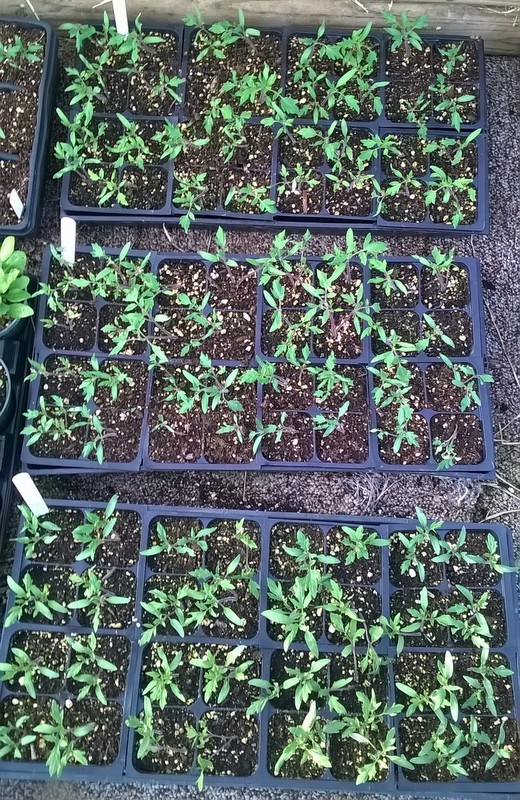
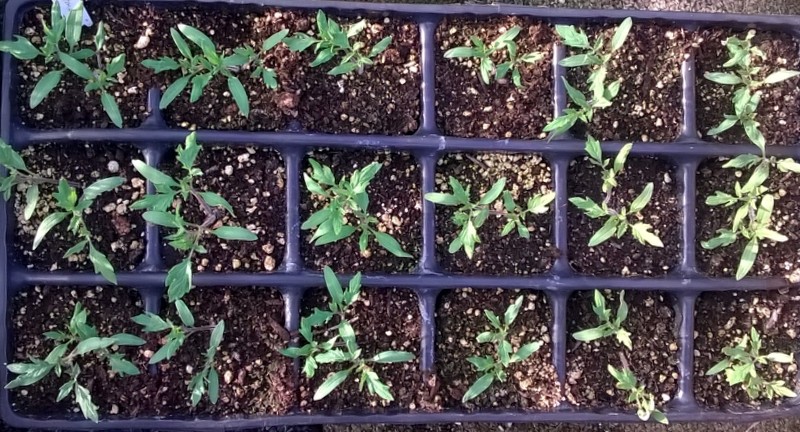
The Coyne and Hannah German Heirloom tomatoes were started on April 4th. It is amazing to see the progress from seed into seed flats, then transplanted into cell flats. They are continuing to grow in the cold frames. Plus, the cooler growing temperatures and fresh air is making the transplants more sturdy. Hopefully, the transplants will be short and stocky when it comes time to plant directly in the garden.

Below you will see the original seed flats and then the transplanted cell flats. Quite a transformation!


WP_20150423_18_46_47_ProWP_20150423_18_46_28_ProWP_20150423_18_52_59_Pro      WP_20150423_18_52_07_Pro

Salad Made Easy!!

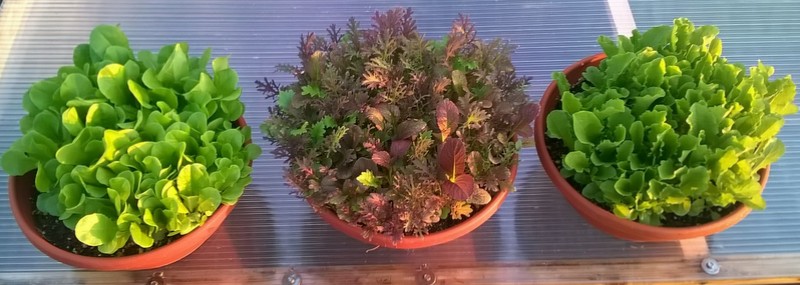
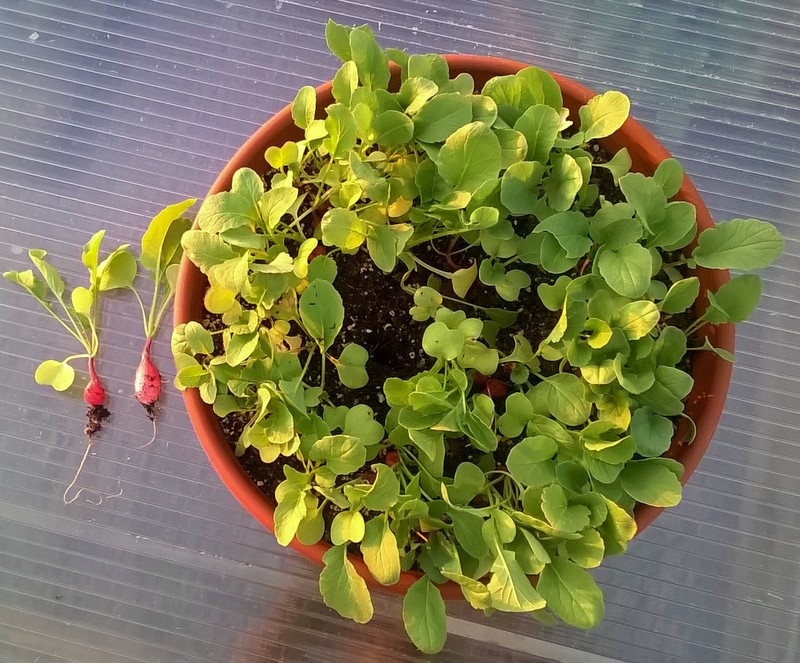
Spring time is for salads! An easy way to grow your own salads, use bowls and other decorative containers. Fill the containers with good potting soil and some compost, sow your lettuce or salad mix seeds, water the seed in and watch it grow! Grow in full sun or partial shade, with temperatures between 45 degrees to 70 degrees (F).  Cut the greens one (1) inch above the soil and the greens will grow again. We call this “cut and come again”. Sometimes you can do this twice!! You can even raise your own radishes.

WP_20150421_19_37_51_ProWP_20150421_19_41_01_Pro WP_20150421_19_40_16_Pro WP_20150421_19_40_26_Pro