Papa is Back! Fall and Winter Growing in the Hoop House!

Howdy folks! I am glad to be back. The hoop house is in production for late fall and winter gardening.
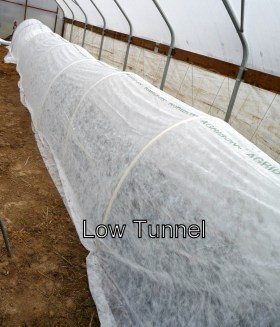
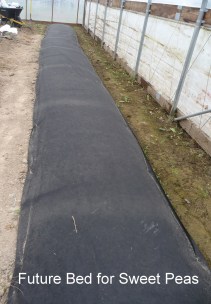
P1030984           P1030991

Cabbage, Collards, Broccoli, Kale, Leeks, Lettuce, Oriental Greens, Radishes and Beets have been started and are on the grow. Higher than average temperatures are making the plants grow faster than I expected. Every season is an adventure.
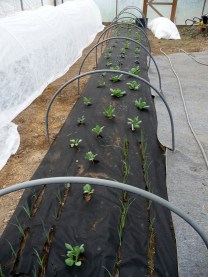
P1030981

Under the row cover, the environment is like an incubator. Germination is slow but sure. Tasty veggies will soon be on the menu!

Leeks for late winter/early spring harvest. Yum!!

Soon, Sweet peas will be grown on trellises on the northern most bed in the hoop house. Hopefully we will have flowers in late winter/early spring.

Using Christmas lights will supplement the heat needed to speed up production in the hoop house. The lights will be strung from the low tunnel hoops just above the soil and ground cover.

Stay tuned for continued updates.

Papa

Why Does the Pepper Seed Take So Long to Germinate?

I started my peppers at the same as the tomatoes. Some of the peppers did not come up until 2 weeks later than the tomatoes. Why is this happening?

Pepper seedlings

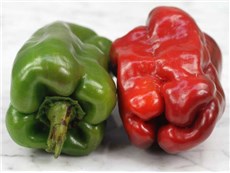
Pepper-Doux-DEspagne-PP138-web

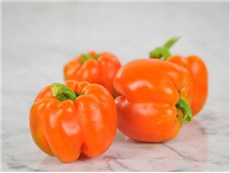
Pepper-Etiuda-PP192-web

Peppers are related to tomatoes, but have different requirements for germination. Sweet pepper requires a germination temperature of 75° – 80° (F). The seed trays benefit from being covered with plastic domes or plastic wrap to retain humidity until germination. A minimum of 6 hours of sunlight will allow your seedlings to have shorter, stockier stems.

To meet these requirements you will have to supply:

  • Heat source
    • On top of the refrigerator, where the defrosting coils are located.
    • On top of an electric water heater.
    • A wire shelf with an incandescent light fixture placed underneath.
    • A thermostatically controlled electric heat mat placed under the flat.
  • Light source
    • Natural sunlight – 6 hours minimum
    • Artificial light
      • Fluorescent fixture – seed trays 1 inch from the bulbs for 16 hours a day
      • LED fixture – seed trays 1 inch from the bulbs for 14 – 16 hours a day
  • Humidity retention source
  • Soil
    • Soil vs. soilless mix
    • Jiffy planter pellets – peat moss or coconut coir
    • Soil blocks made from compost and other natural amendments (blood meal, bone meal, green sand, rock phosphate, etc.)
  • Water
    • Tap water
    • Well water
    • Filtered water
    • Rain water

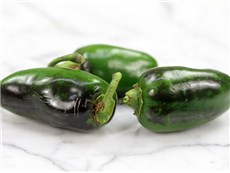
Trinidad-Scorpion-Hot-PepperCraigs-Grande-Jalapeno

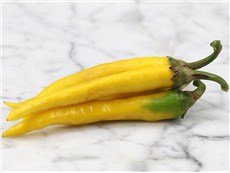
Golden-Cayenne-web

Hot peppers require a germination temperature of 80° – 85° (F). The hotter germination temperature is necessary for tropical pepper types. Some varieties such as Ghost Pepper, Habanero and Trinidad Scorpion (all 3 are Capsicum chinense) require a longer germination time. You need patience to grow these types of hot pepper. You may be able to speed up the germination process by soaking the seed overnight. By re-hydrating the seed, the plants may emerge more quickly!!

The basic requirements for hot pepper are the same as the sweet pepper mentioned above.

Papa