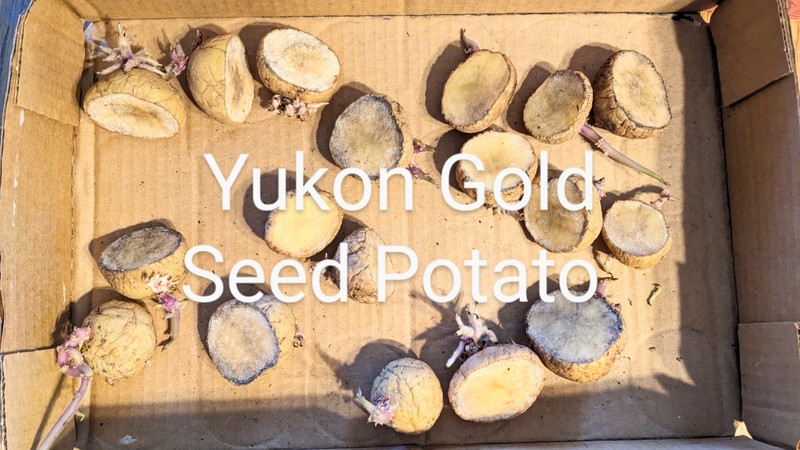
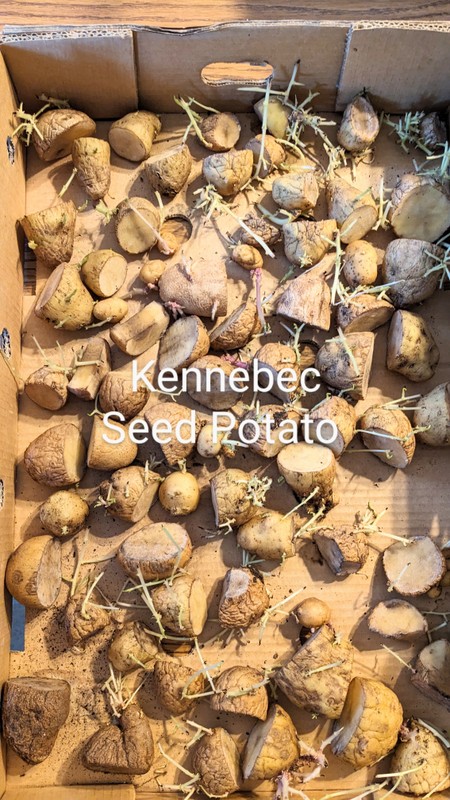
Can anyone tell me please if there is an advantage to not planting them until the cut sides are dry? I heard that it helps to let the cut sides dry? Thanks.
Answer: From Papa
The advantage to waiting for cut seed potatoes to heal, is to discourage disease and mold from infecting the cuttings. Plus, I recommend you sterilize the knife you use to make your cuttings to reduce the chance for disease!
Nine years ago I did a video on YouTube with my grandkids! It is amazing the interest this presentation has garnered.
Spring is early this year. Let’s get busy! You see what’s going on in the grocery stores and supermarkets. All the more reason to start and maintain a vegetable, herb, and flower garden!
I apologize for the time away. Let’s not look back, but forward. I’m ready, when you are!
The groundhog did not see his shadow. So, we have an early spring.
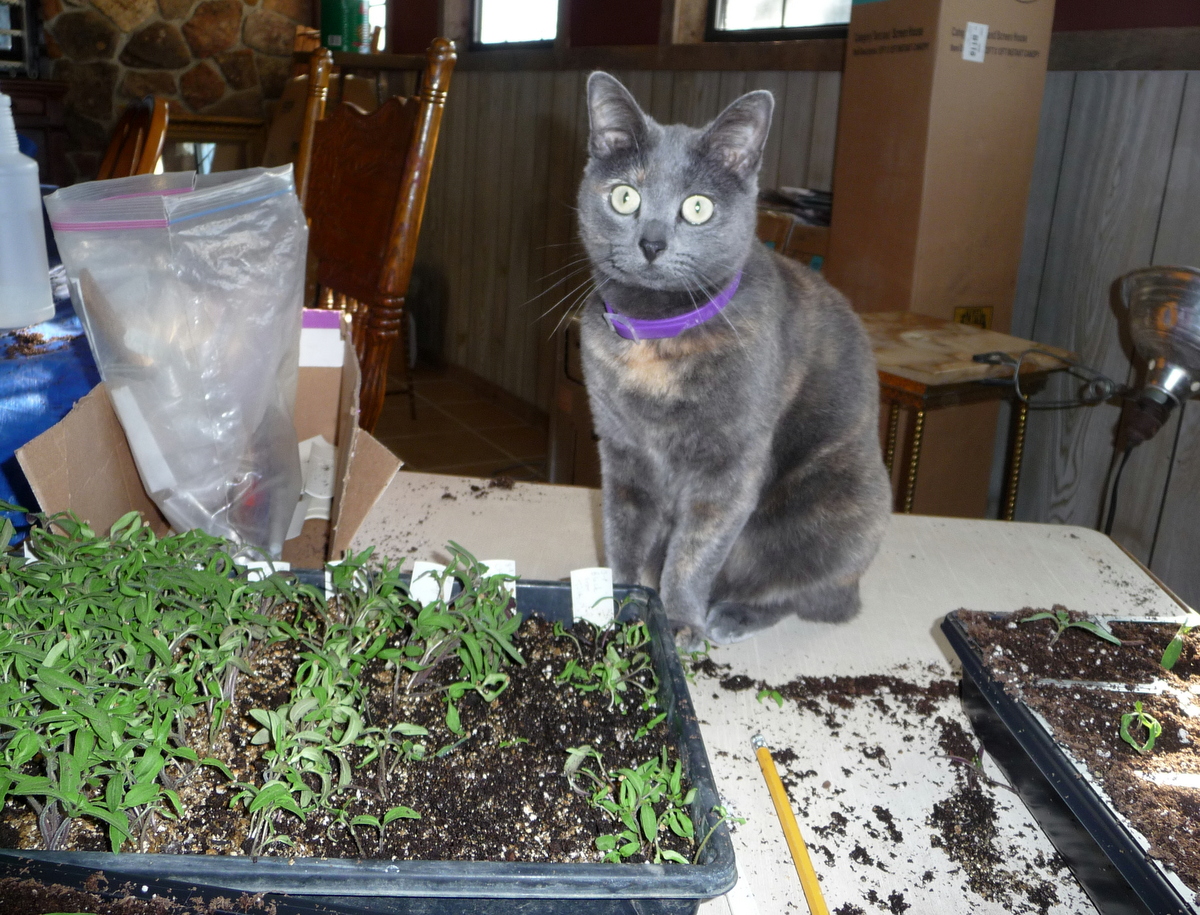
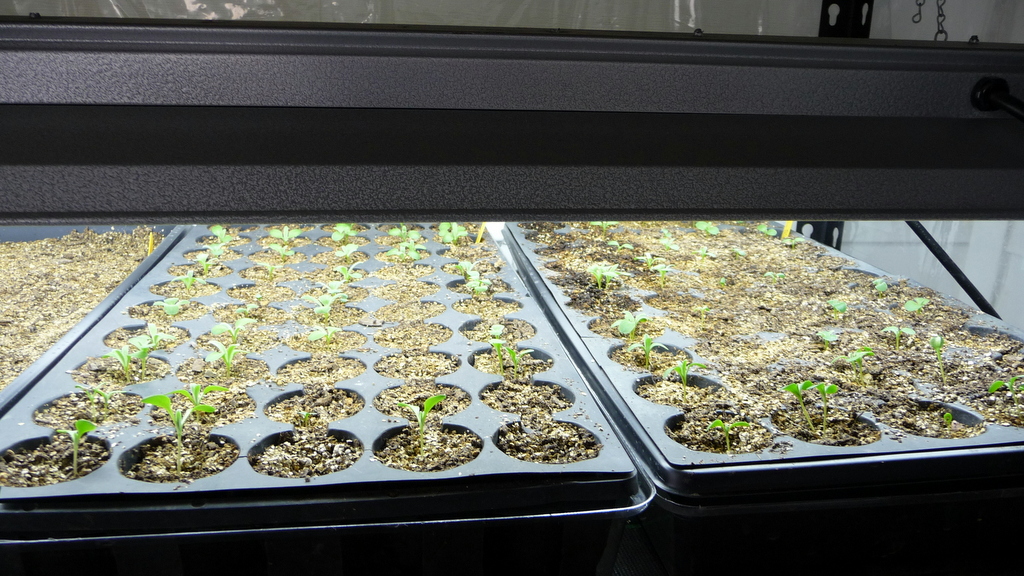
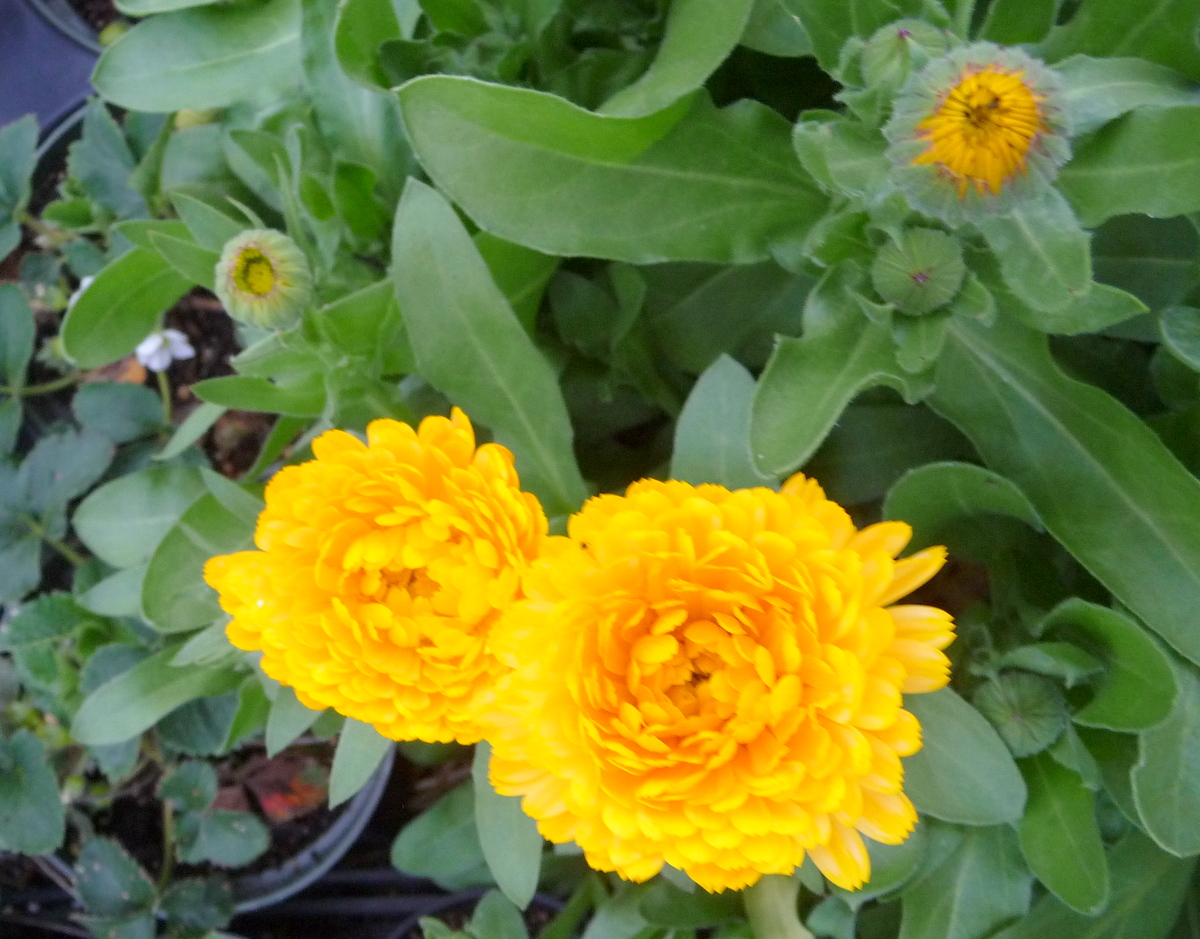
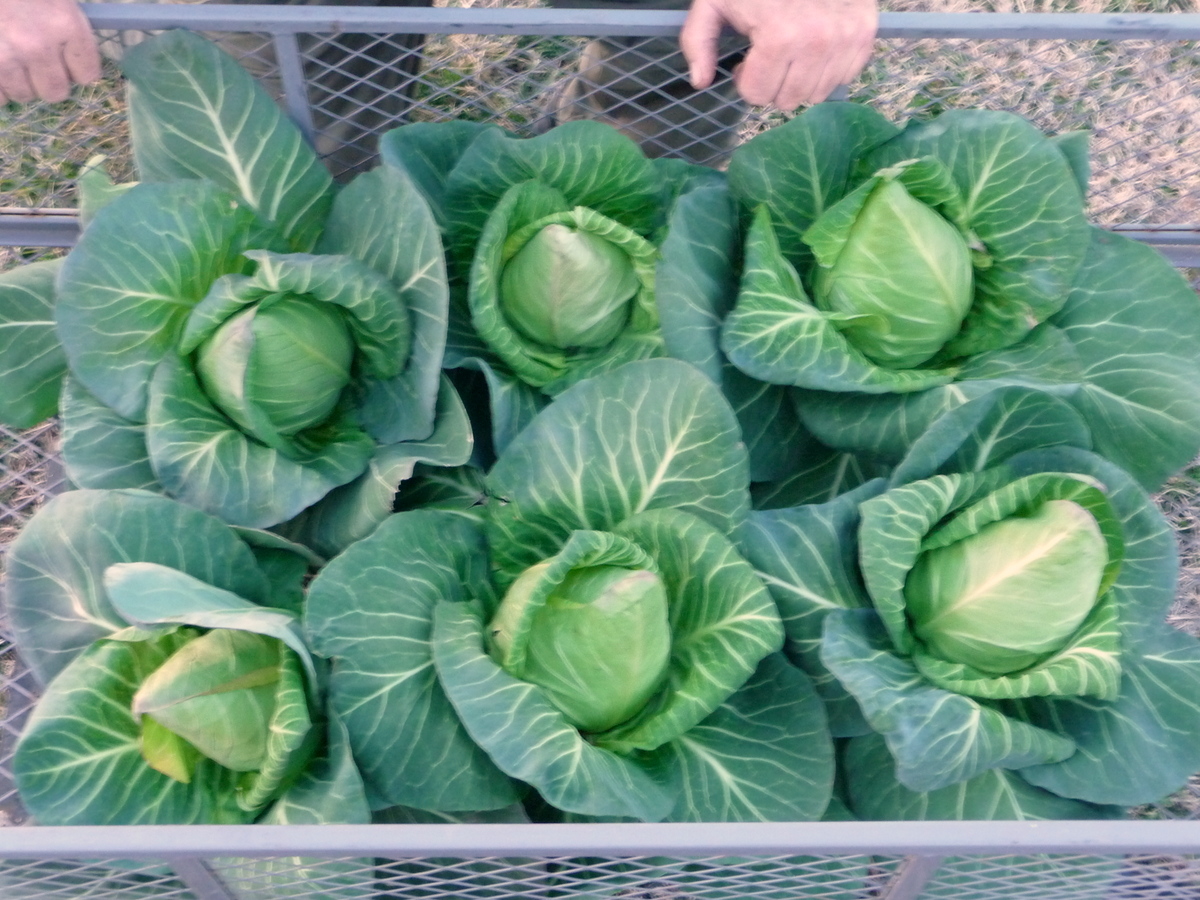
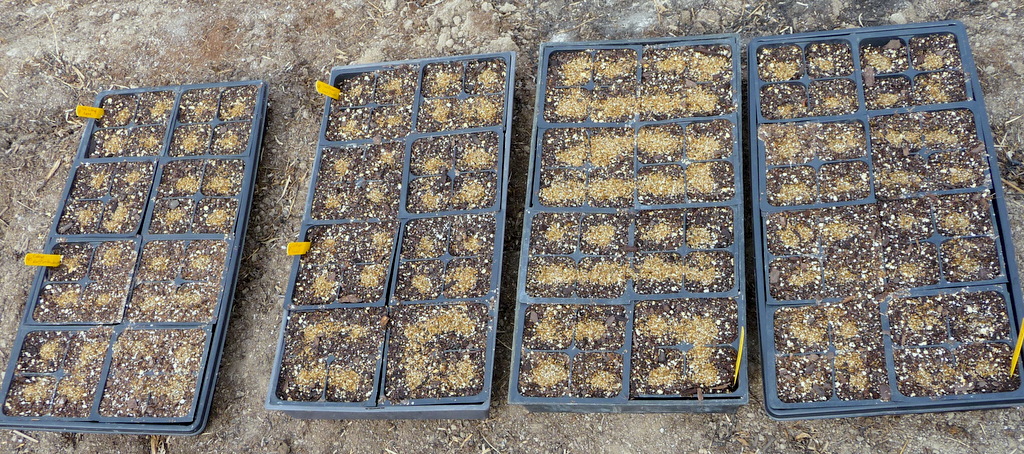
I have started some of my spring flower and vegetable seeds (with the help of Miss Kitty). Let’s see; broccoli, cabbage, cauliflower, and kale for the veggies and bachelor buttons, calendula, dianthus (pinks), hollyhocks, Johnny Jump-Up, Painted Tongue, Zebrina (hibiscus) and pansies for the flowers.
We’re going to be seeing these beauties in the near future. I can’t wait and I’m getting impatient!
What Will Be Your Next Step
Do you have areas marked out for planting? Have you bought your garden seeds and plants? How about your additional supplies? Garden lime, fertilizer, row covers, potting soil, pots, trays, trowels, shovels, etc. will be needed to make your garden a success.
As soon as the ground can be worked, bring in the hoe, rake, tractor and/or rototiller. This is going to take physical effort, so please pace yourselves. By the way, don’t forget your post hole digger, fence posts, and garden wire. The critters will soon be active.
A Quiz for You to Ponder
What are your favorite flowers and vegetables? Do you have a particular tomato that you cannot live without? Almost forgot the herbs! My favorite is Sweet Marjoram. I love the aroma, it is calming to me. Do you know about sweet marjoram flowers? Many of the pollinators are parasitic and parasitoid wasps, which are key at destroying many types of caterpillars.
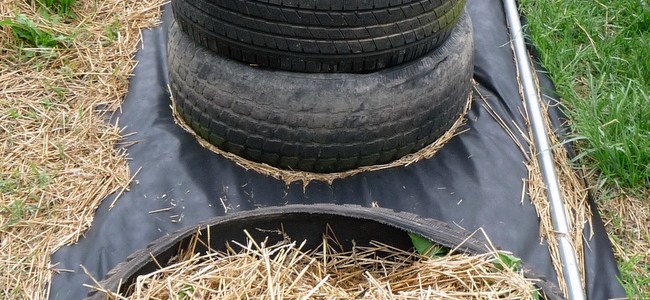
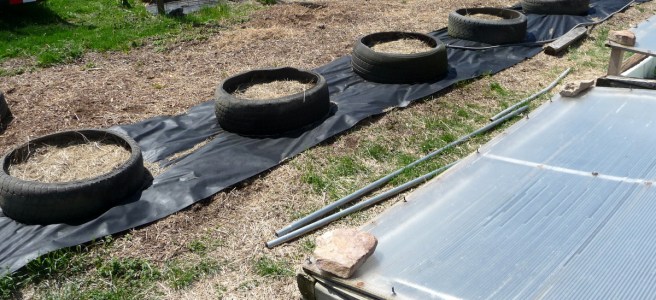
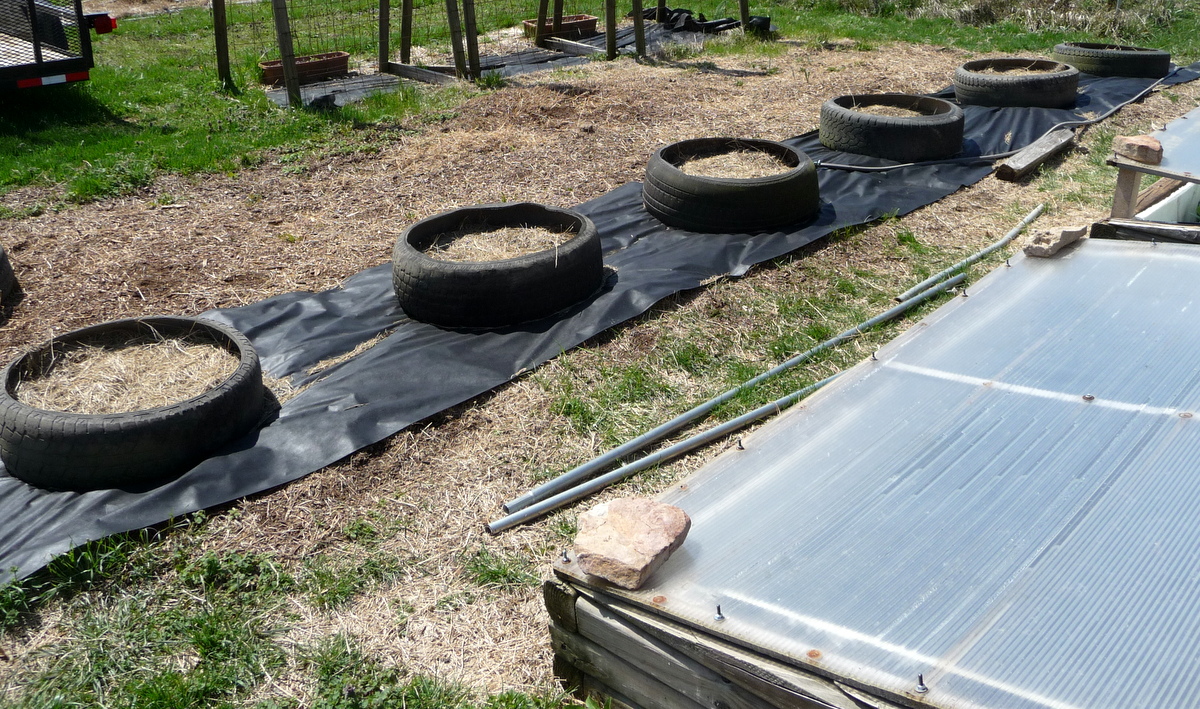
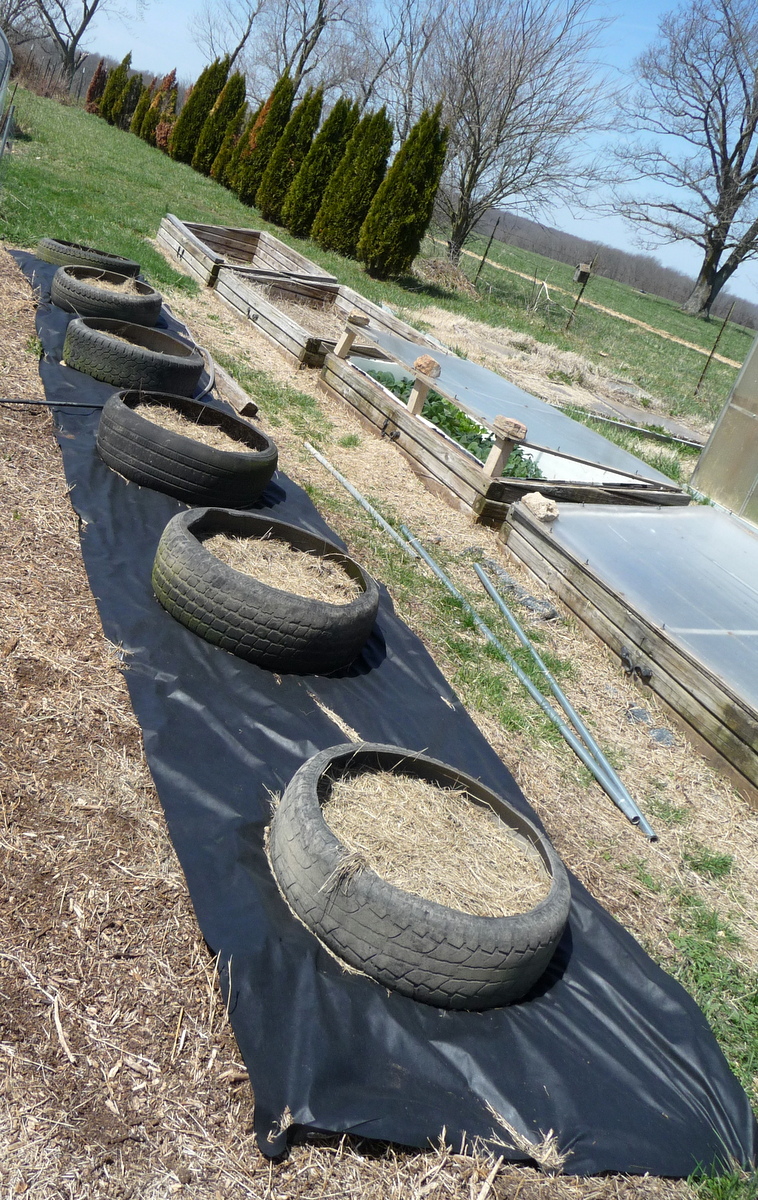
When my son Nathan was here, we planted potatoes in used tires with the sidewalls cut out. Three tires were planted with Red Norland and three tires were planted with Yukon Gold.
We have an issue with standing water from time to time. Piles of composted tree trimmings were leveled out and covered with weed cloth. The tires were placed and the bottoms were filled with sand. The hardened off potato cuttings were placed in the bottom of each tire on top of the sand. Compost mixed with soil was placed on top of the cuttings to cover the cuttings. Subsequently, composted grass cutting were placed on top.
I will keep you posted on the continuing results of this Spring project.
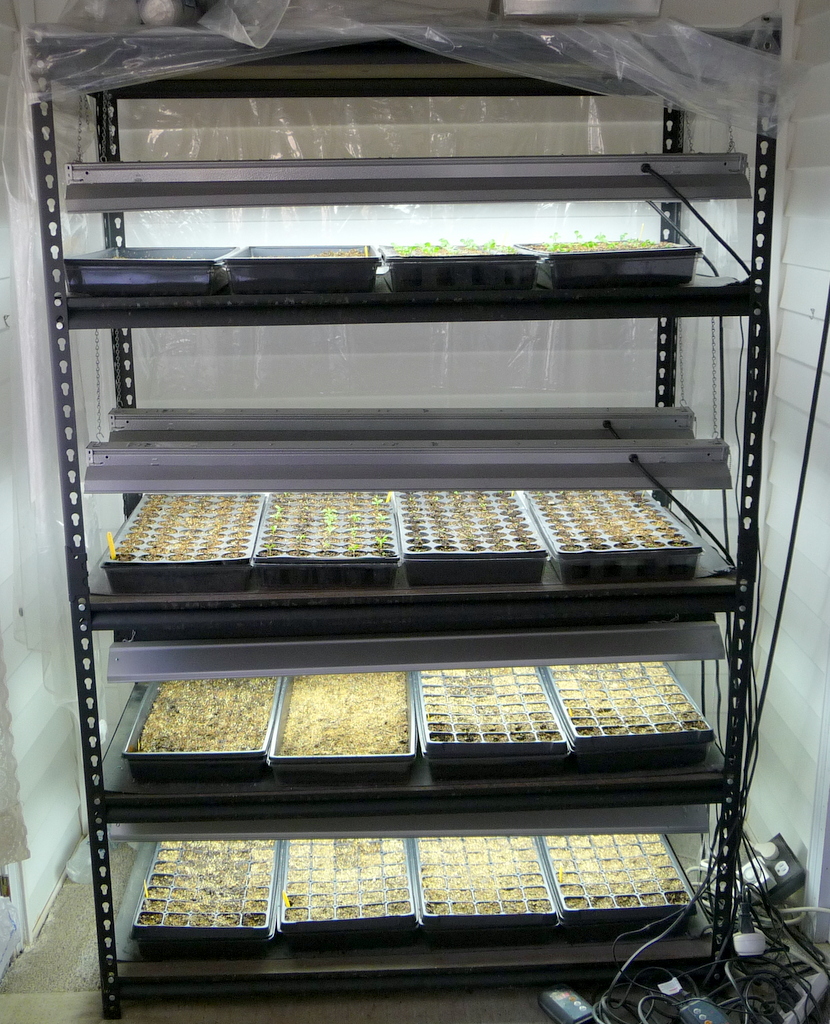
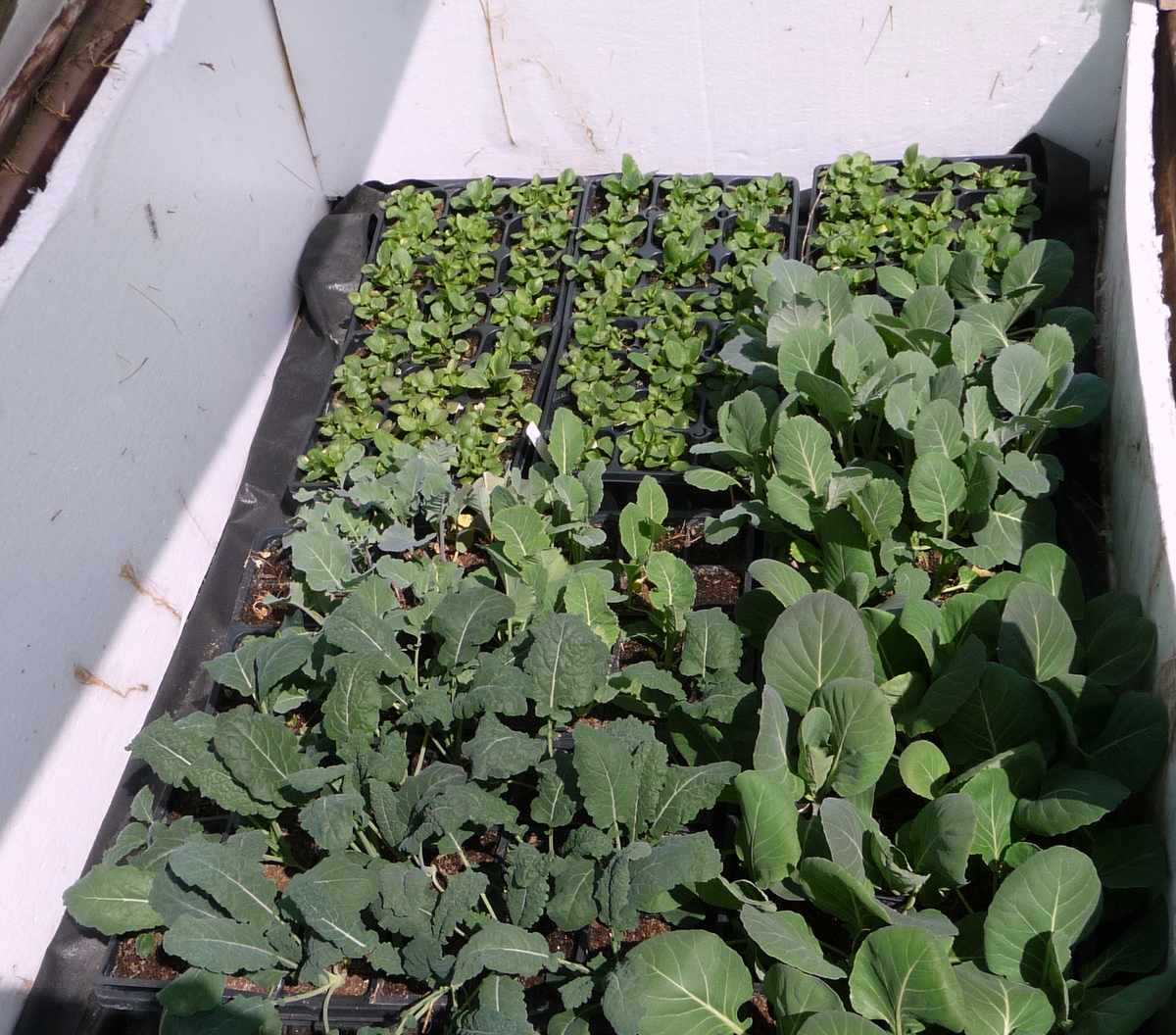
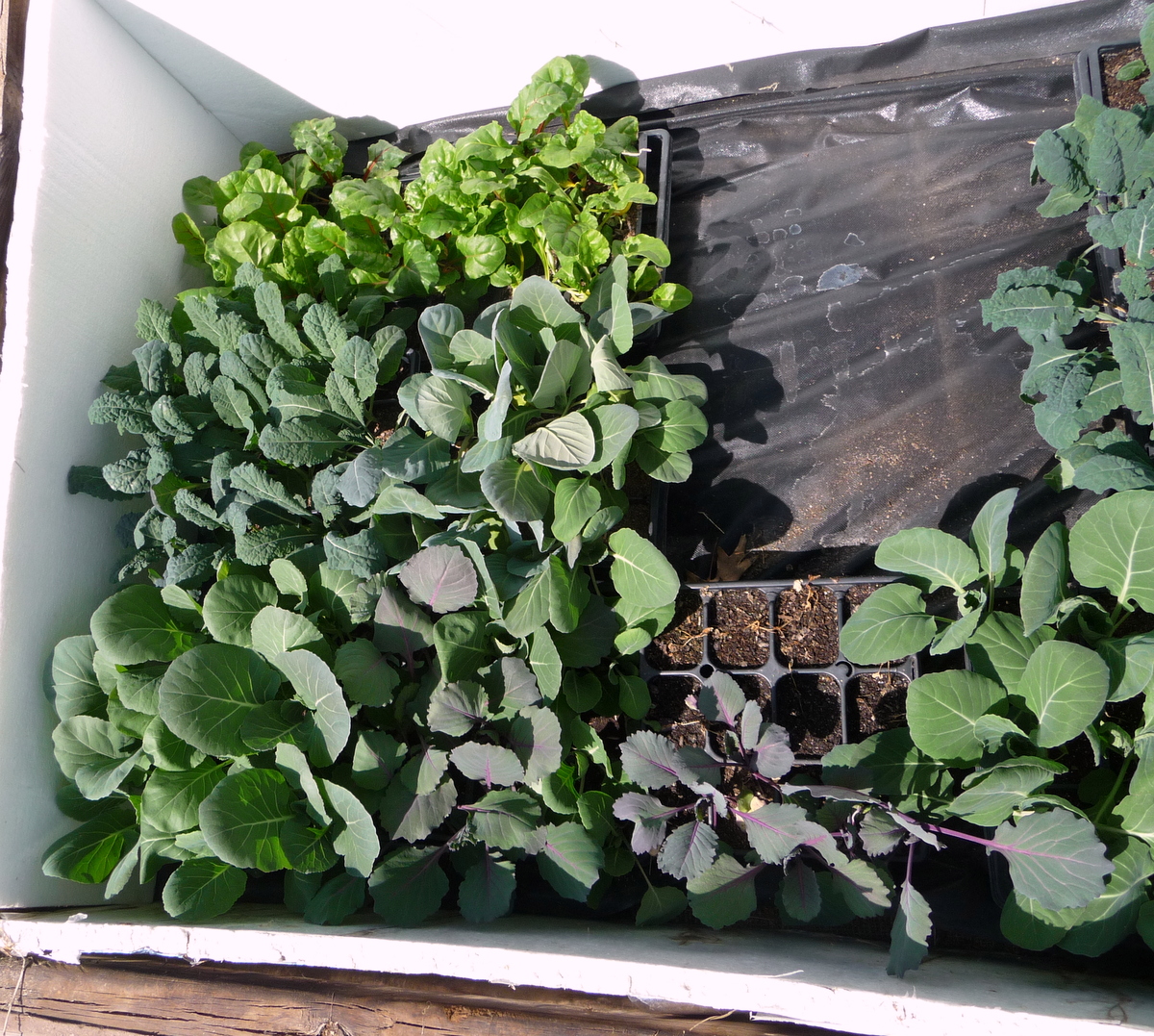
Cole crops, Swiss Chard and pansies (started in January) were started in early February using heat mats and LED lights. (BTW, Cole crops are veggies like broccoli, cabbage, cauliflower, kale and the like). Mid March the transplants went out to the cold frame. Subsequently, most of the plants took off like a rocket!
The cold frames are made of landscape timbers, lined with one inch foam board. Weed cloth is placed on the ground bottom and the top is hinged 1/4 inch poly carbonate panels.
I use bricks to prop open the top panels when weather allows. All of the crops in the cold frame are now hardened off to moderate cold temperatures 27° – 32° (F).
Fertilizing with seaweed emulsion is the only additional feed used to enhance growth and to immunize for stress.
All of these transplants will be in the ground shortly. They should take off quickly in the cooler soil!
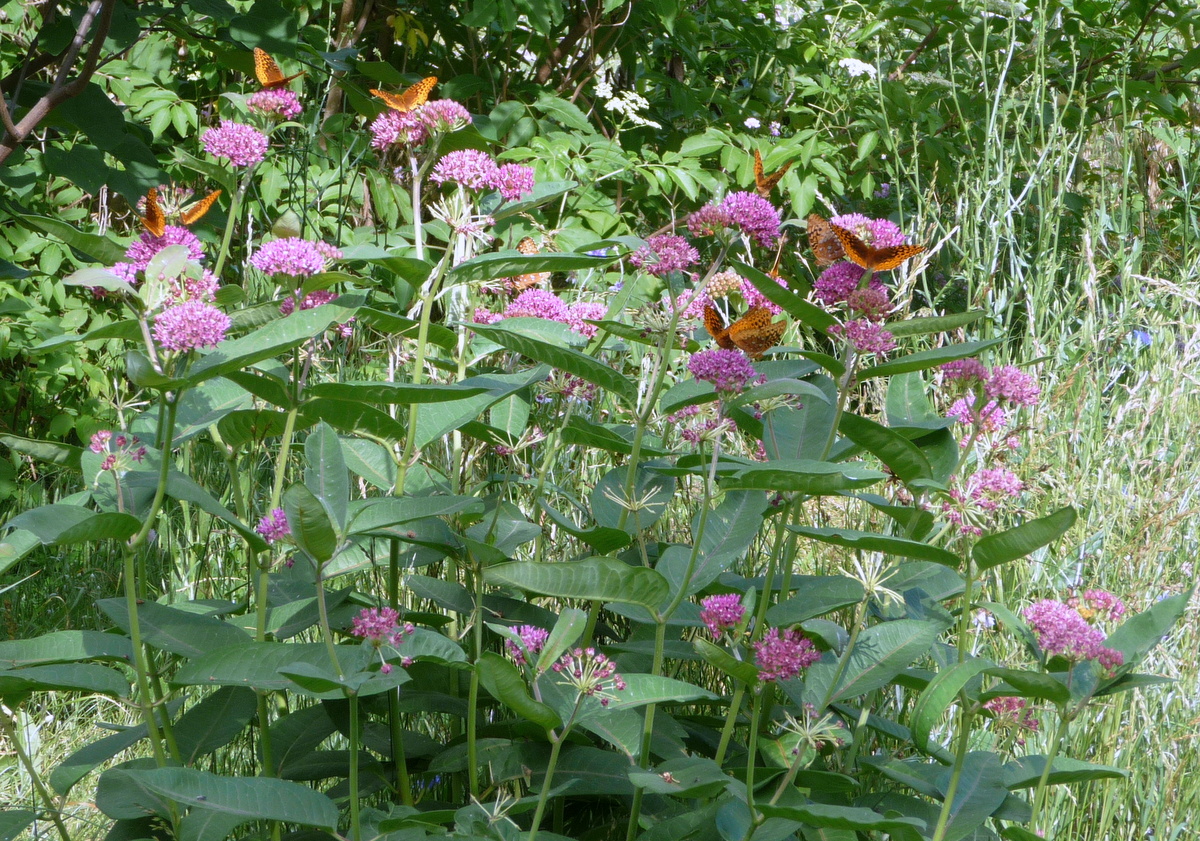
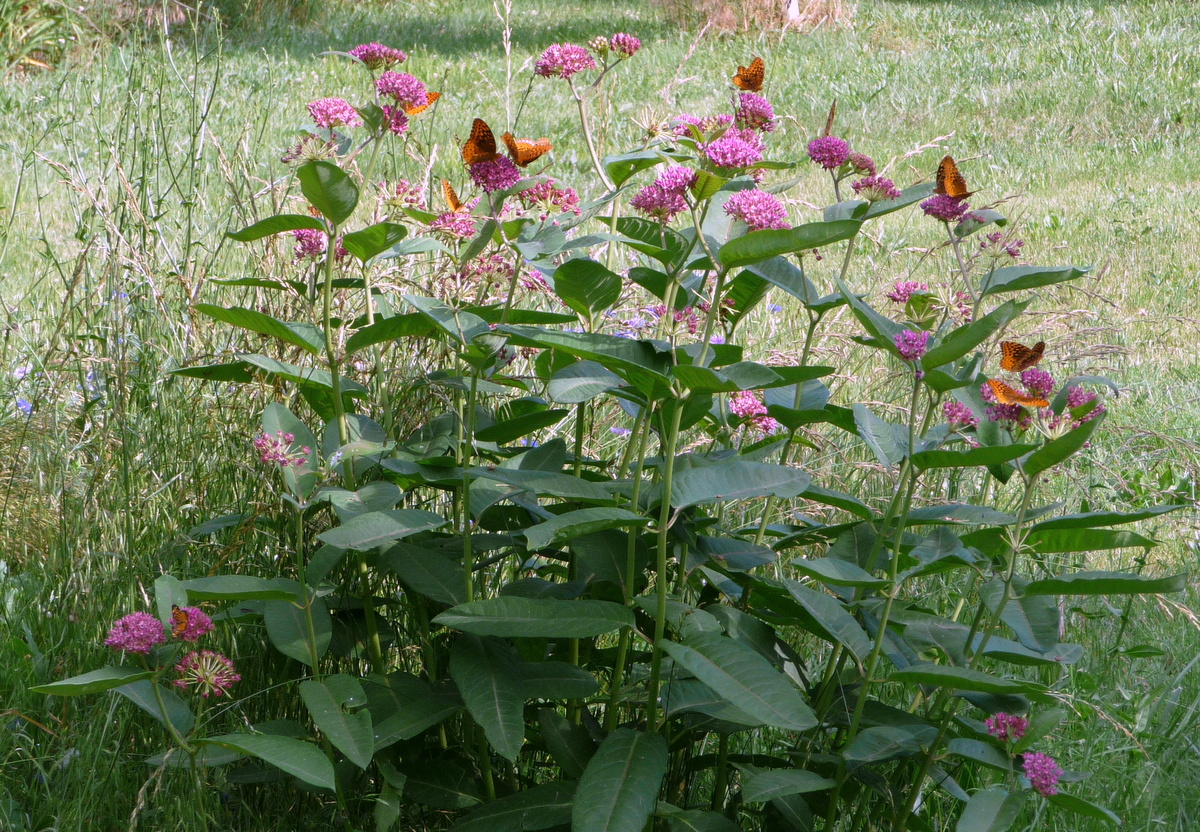
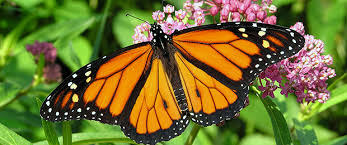
The Common Milkweed (Asclepias syriaca) was a familiar sight in the Missouri Ozarks. Between mowing and spraying herbicide this beautiful plant has become more scarce.
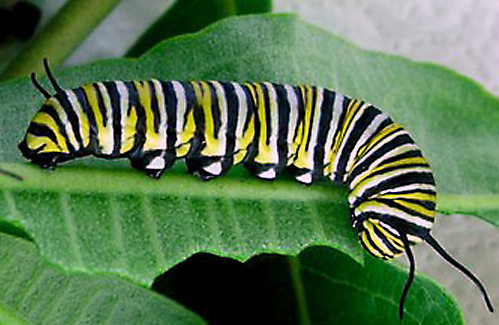
This particular milkweed can grow very large (up to 6 1/2 feet tall). The profuse flowers vary from pinkish to purplish in color. The coveted Monarch Butterfly caterpillars are the chief consumer of the leaves and stems. The caterpillars prefer the more tender newer smaller leaves.
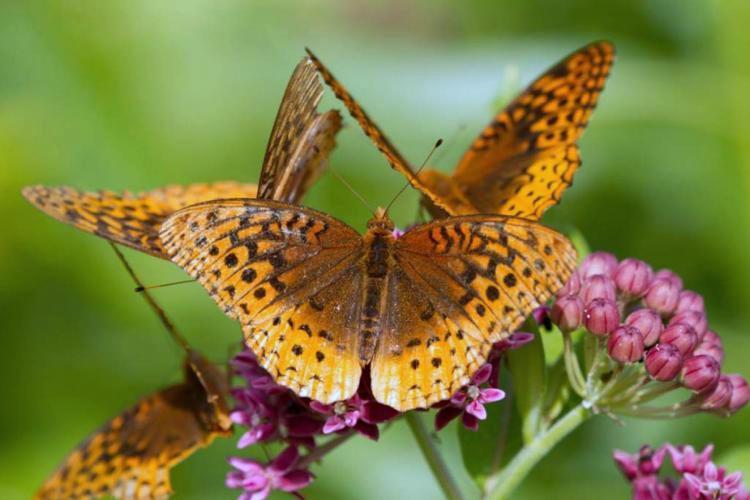
The Great Spangled Fritillary adores this plant! Today I counted 20 butterflies on one plant!
It is an amazing spectacle to see how the Fritillaries covet this “common” plant!
Do yourself a favor and plant as many of these special plants to perpetuate the threatened Monarch Butterfly and enjoy a truly beautiful perennial plant!
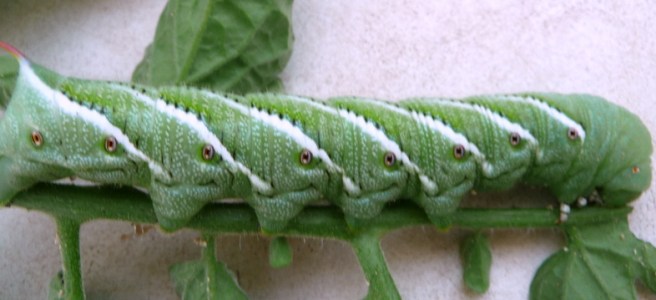
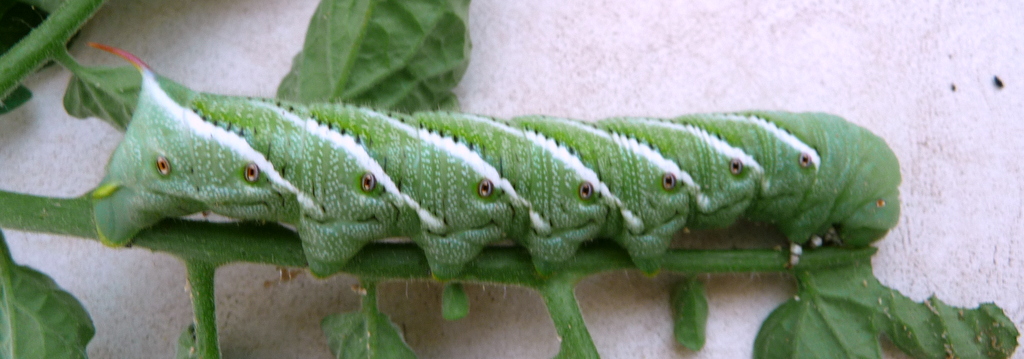
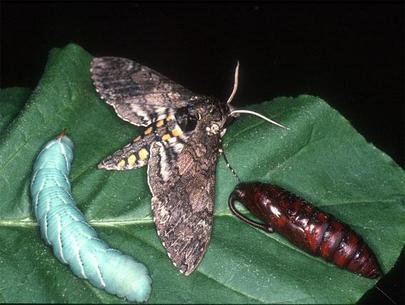
My old nemesis the Tomato Hornworm is back! They certainly are an impressive creature!
When the Five Spotted Hawk (Manduca quinquemaculata) moth finds a tomato plant, it will lay one or several eggs on the tomato plant. When the eggs hatch, the little caterpillar will eat its egg case and starts to eat like crazy! The caterpillar will molt several times until it becomes mature and ready to burrow in the ground and metamorphize into a chrysalis. By late spring the chrysalis will open and a new moth appears in late spring/early summer. Finally the cycle starts all over again.
It is incredible how fast an almost mature caterpillar can strip a tomato plant. I recommend removing the worms by hand. Usually the creatures are found alone hiding amongst the damage. Beware, there color is a great camouflage! Check out the size of this critter!!
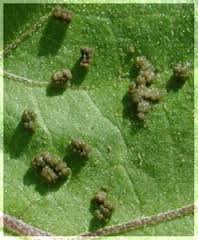
BTW, here is another indicator of their escapades. Giant worm poop!!!
Last year green beans were out of the question due to a plague of Japanese beetles. This year started out, pretty much the same. I am determined to get a good crop of green beans. To accomplish this feat, I have to get rid of the dreaded Japanese beetles by mid July.
Just look at the damage they do!!
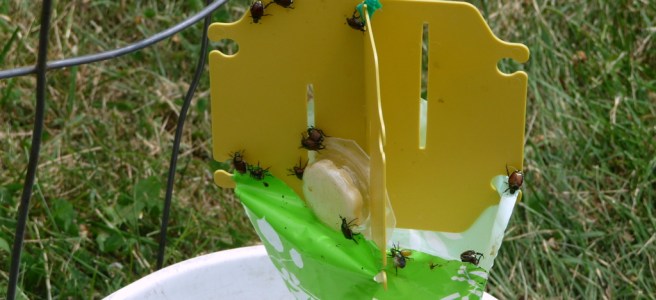
I decided to try Japanese beetle traps. (If you need traps, I can recommend these over on Amazon.com: Japanese Beetle Trap.) The trap consists of two plastic rectangles (holes punched and slotted), pheromone lure, plastic bags and a twist tie. I have made a modification to the collection bag by cutting off the bottom of the bag and suspending the trap in a 5 gallon bucket filled with one to two gallons of soapy water.
The beetles are lured to the pheromone, fall into the bag and drop to the soapy water.
A large tomato cage was used to suspend the trap above the soapy water. I use dish soap vs dish detergent. The soap bio-degrades and is friendly to the environment.
If I used just the bags, I would easily go through three to four bags per day. What a waste! You can use the same bag over and over again. The bucket is emptied once a day. The soapy water kills the beetles within minutes. I toss the dead beetles out in an out of the way place to break down and compost on their own.
The two traps have easily killed thousands of Japanese beetles. YES!!!!!!! I am already seeing a difference. There seems to be fewer beetles.
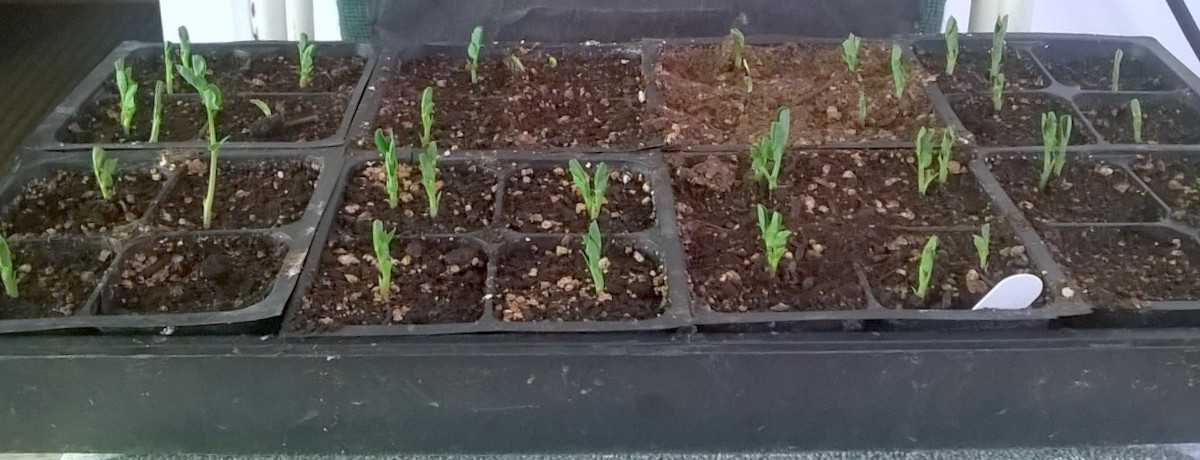
Garden peas and sugar snap peas were planted a week ago! They should be up in about a week.
Bachelor Buttons, Shasta Daisy, Pansies, Snap Dragons, Marigolds, Foxglove and other flower seed were planted in cell trays. Broccoli, Cabbage and Cauliflower were started as well.
Tomato and Pepper seed will be planted tomorrow. Full production has started in earnest!
Flowers have started to bloom. The Crocus and jonquils are showing their lovely blooms!














![beetle - Japanese Beetle (Popillia japonica) [MO 06]](https://papas.garden/wp-content/uploads/2015/05/beetle-japanese-beetle-popillia-japonica-mo-06.jpg)


 .) The trap consists of two plastic rectangles (holes punched and slotted), pheromone lure, plastic bags and a twist tie. I have made a modification to the collection bag by cutting off the bottom of the bag and suspending the trap in a 5 gallon bucket filled with one to two gallons of soapy water.






 Papas Gardens