I uploaded a YouTube video showing my grandson and I planting some heirloom tomato seeds. I show how to plant in a seed flat and a cell flat.
These are the same seeds that you can see growing up in previous posts:
I uploaded a YouTube video showing my grandson and I planting some heirloom tomato seeds. I show how to plant in a seed flat and a cell flat.
It was an absolute pleasure serving and presenting at the 2015 Texas Master Gardener Conference in Belton, Texas. Kudos to Baker Creek Heirloom Seed Company for sending me as an ambassador and teacher. I enjoyed attending and making new friends who have a passion for all things gardening.
Saving Heirloom Seed was my presentation this afternoon. The Master Gardeners were very attentive and had many questions. What an appreciative group!
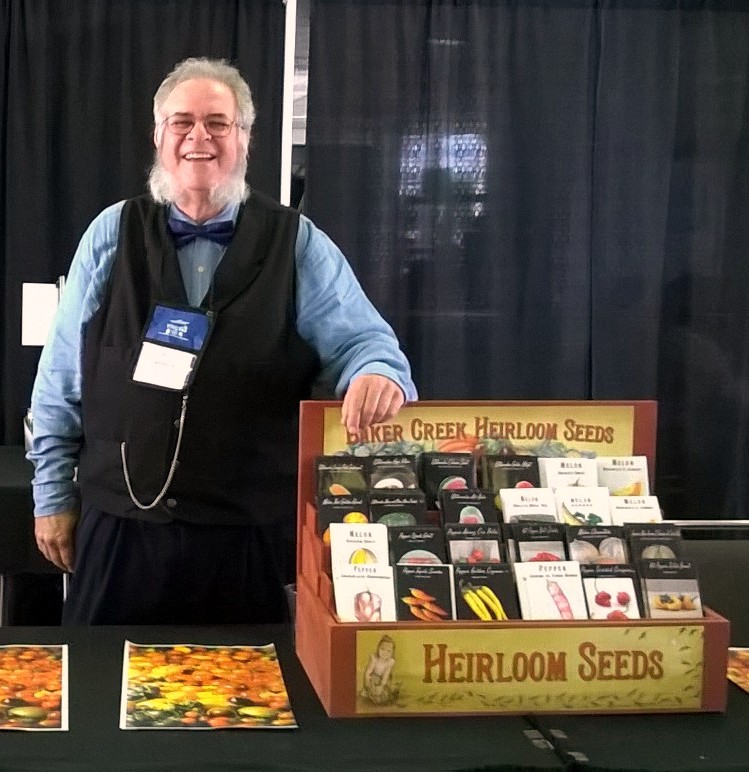
Hey y’all come and see me at the 2015 Spring Planting Festival. I will be working in the Seed Store. I look forward to meeting you!
Jan My organic garden plague is leaf miners! Suggestions?
I get this picture in my mind of a small creature with a miner’s hat and a pick. In reality, they are the larvae of a fly that burrow through leaves. Usually the damage is not aesthetically pleasing. However, if left unchecked, leaf miners can cause major damage.
Here are some solutions:
Getting rid of this pest takes diligence!
Lindsay – Snails! I really REALLY make every effort to garden organically, but I am having an infestation of snails, and am stumped as to what to do about it.
There are many natural solutions for slugs and snails.
That’s quite an arsenal!
Papa
Hi, my name is Kristina . I have a question concerning my peach tree. Last summer it got infected with borers (I was told these are a type of moth??). Anyway, the tree company I was with at the time couldn’t do anything about the borers since it wasn’t until late July early August that we saw the sap coming out of my tree. So I poured nematodes on the soil around my tree and in to the holes that were sapping. I did this 3 different times 3 weeks apart while I hung moth balls in a sock on the tree too. I am being told now by a new tree company that they don’t do pesticides for borers until June, since the borers aren’t active until then. My question is, what would you do for this peach tree? Should I just wait until June or can I be doing something more to help my tree that I don’t want to lose. Thanks
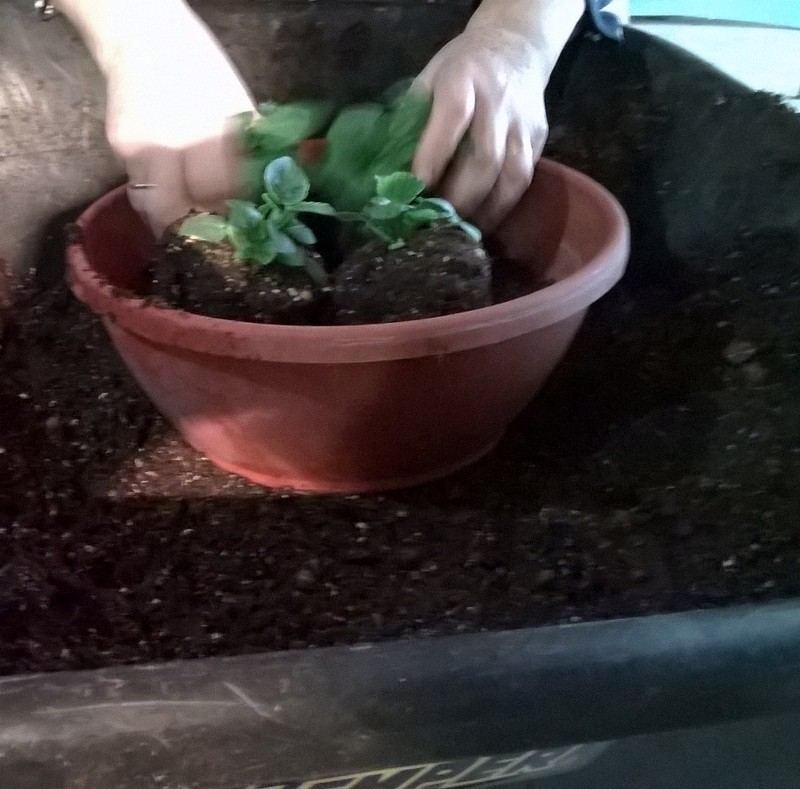
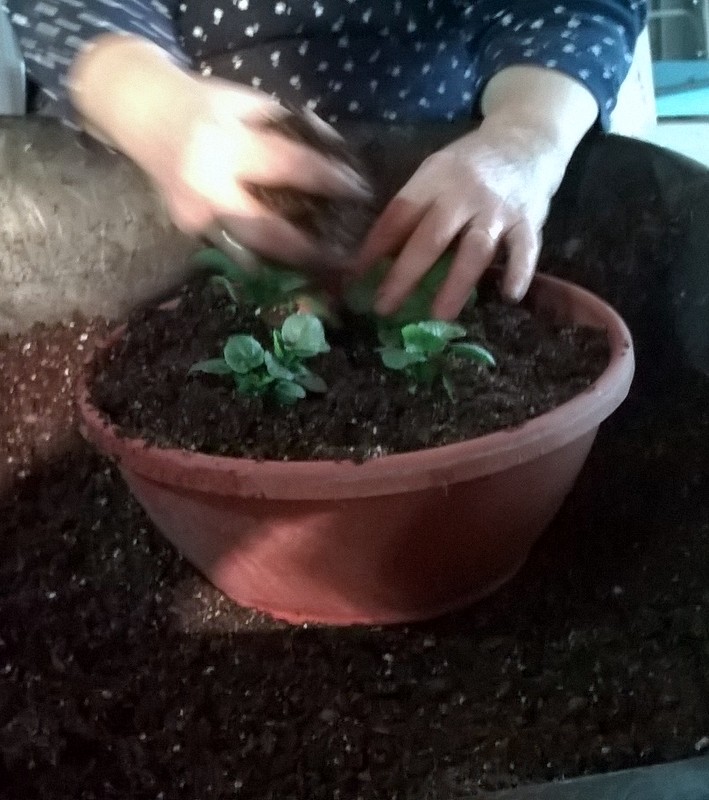
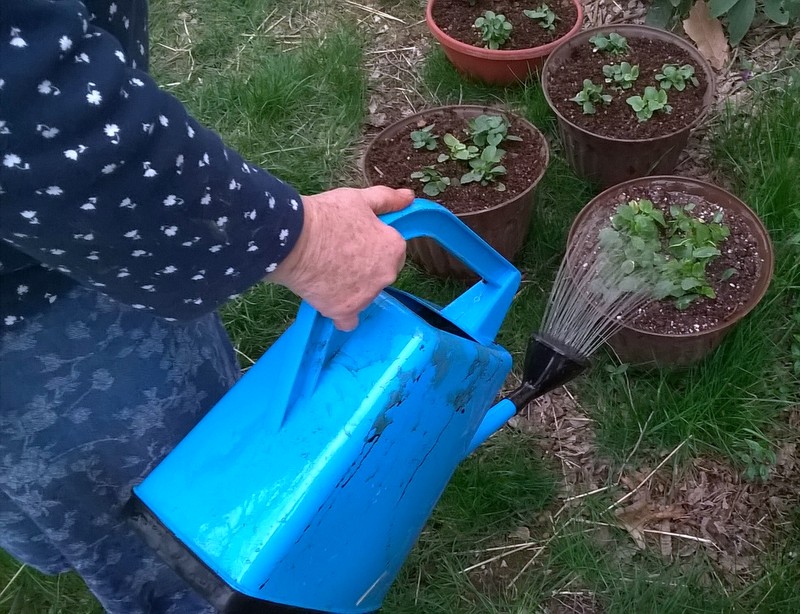
It is time to plant our pansies in bowls and decorative pots.
Right on schedule, the Coyne and Hannah heirloom tomatoes were transplanted from the seed flats into cell packs.
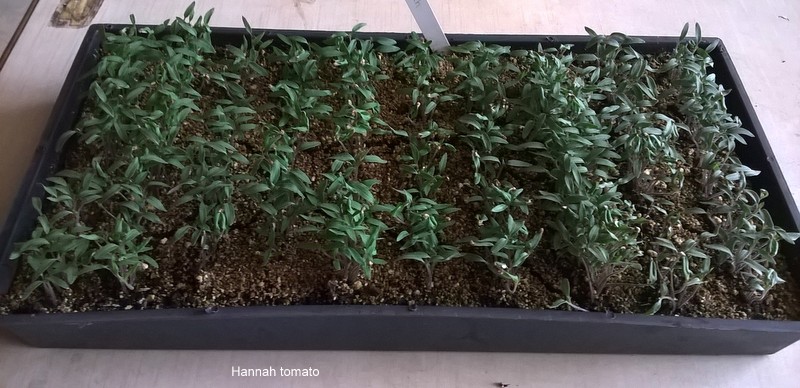
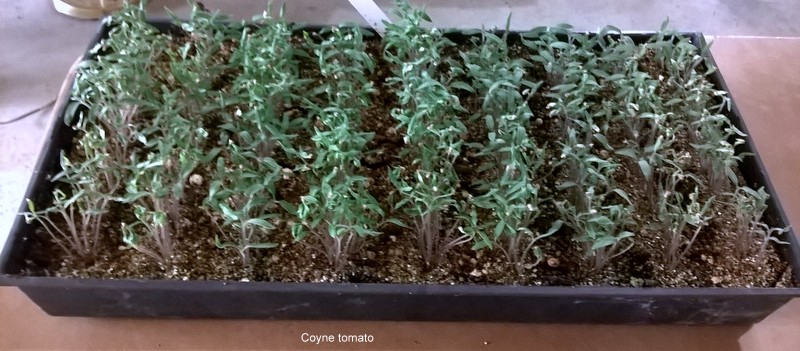
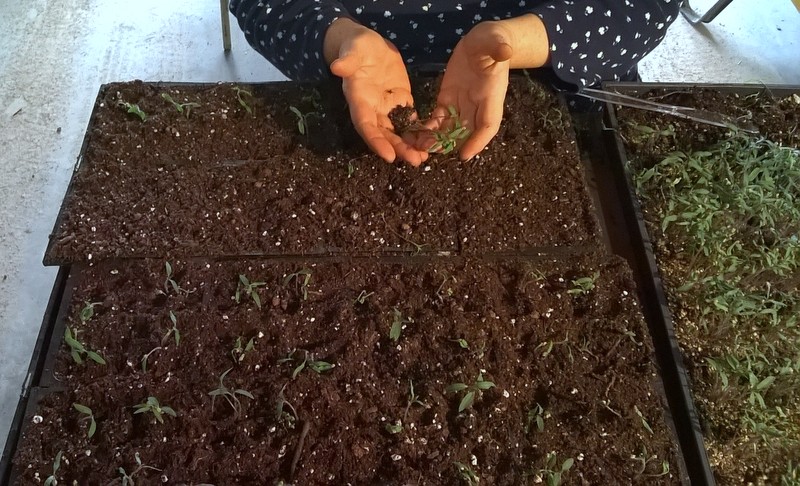
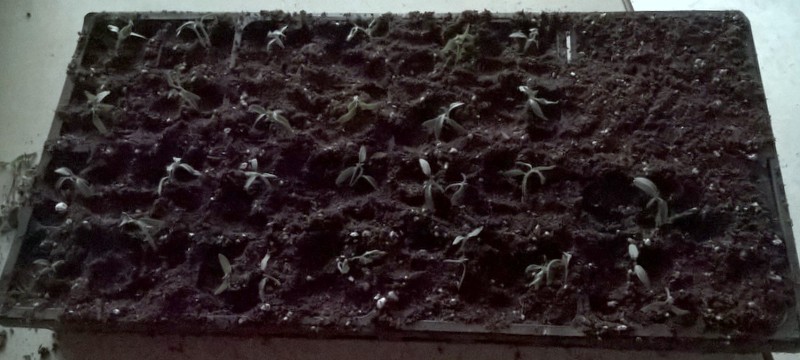
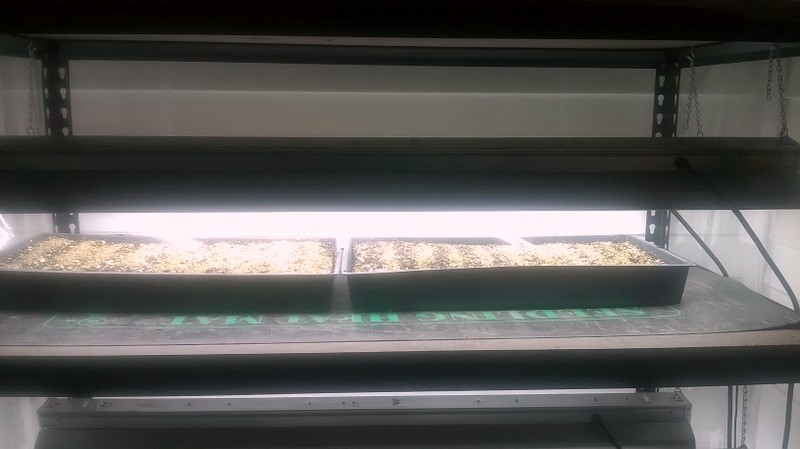
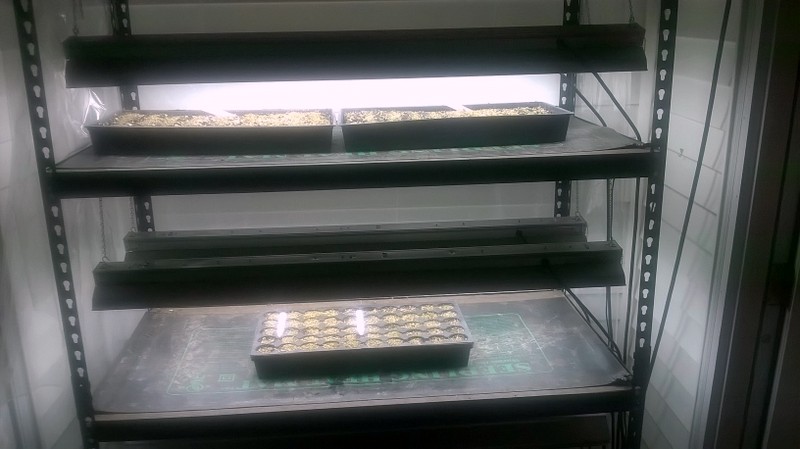
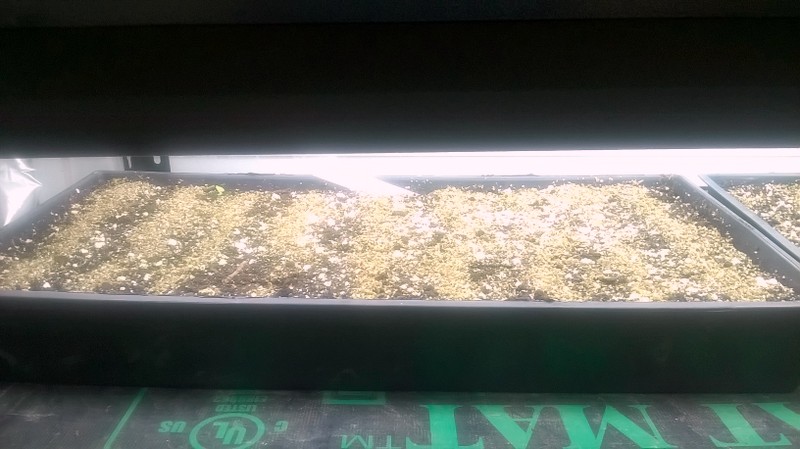
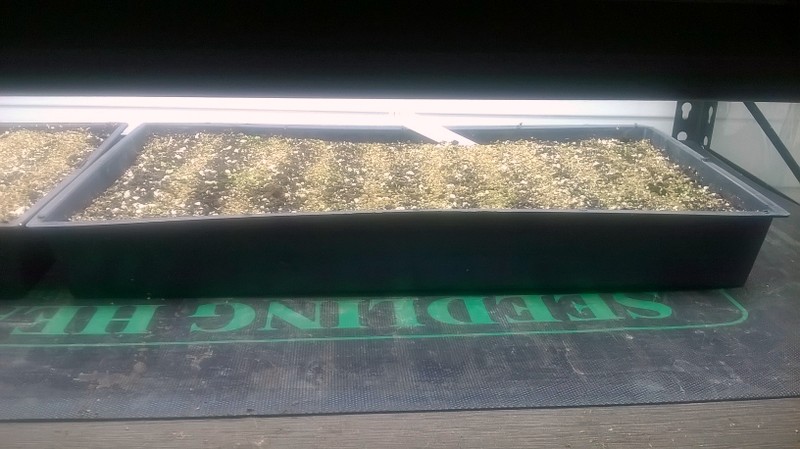
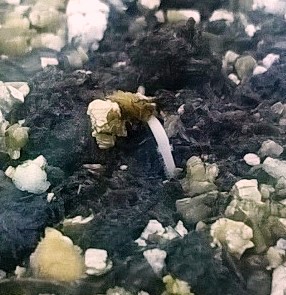
I started some heirloom tomatoes seeds on April 4. Yesterday (April 7), three seeds had germinated in two seed flats. Today (April 8), seeds are popping up like crazy!!! The Coyne variety is far ahead of the Hannah tomato on germination. Providing the best soil temperature (75° (F)), stimulates germination. Plus, the seedlings are kept one inch from the bulbs in the light fixture.
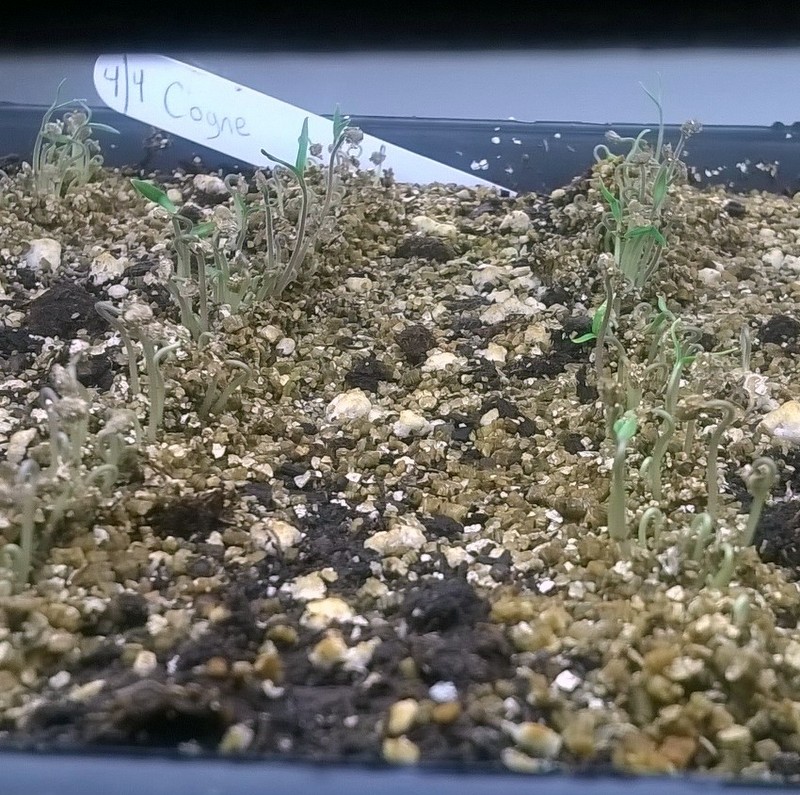
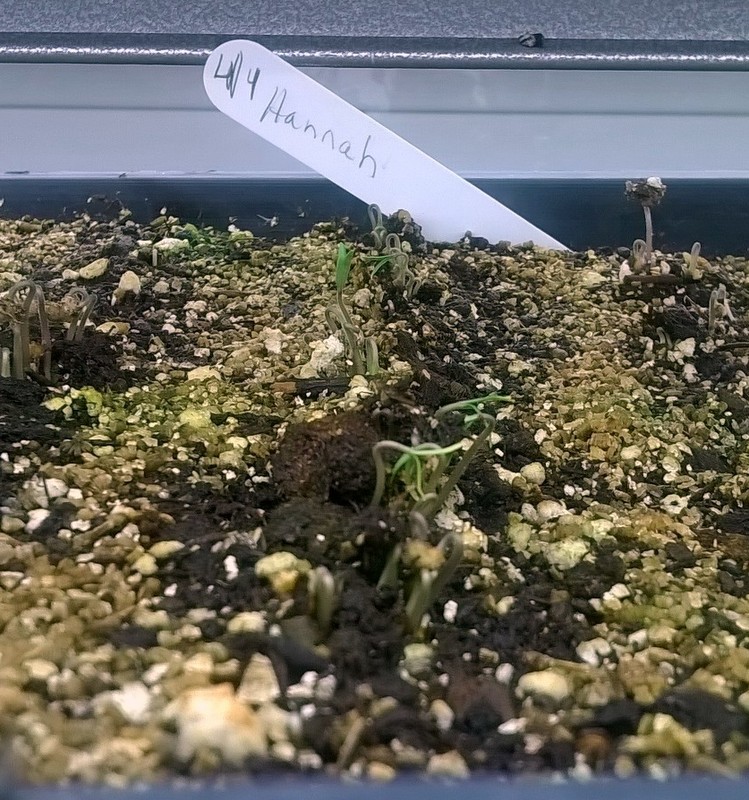
It never ceases to amaze me, to see seeds pop out of the soil!!
I am doing a seed growout for Baker Creek Heirloom Seed Company. These tomato varieties have never been offered for sale to the public. The seeds have passed from generation to generation. These two German heirloom tomatoes will be grown for seed and sold in the coming years. Hannah, a delicious oxheart shaped pink variety, is meaty, with few seeds. The other variety is named Coyne, a huge Roma type tomato for salsa and canning.
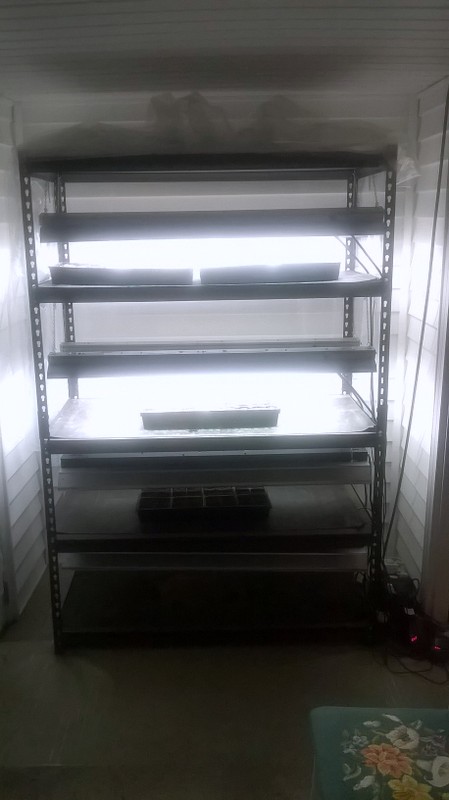
My homemade germination chamber is being used to start the seed. The chamber consists of four shelves with florescent lights and electric heat mats with thermostatic controls. By supplying the correct rooting temperature, a few of the seeds have started to germinate in just three days!!