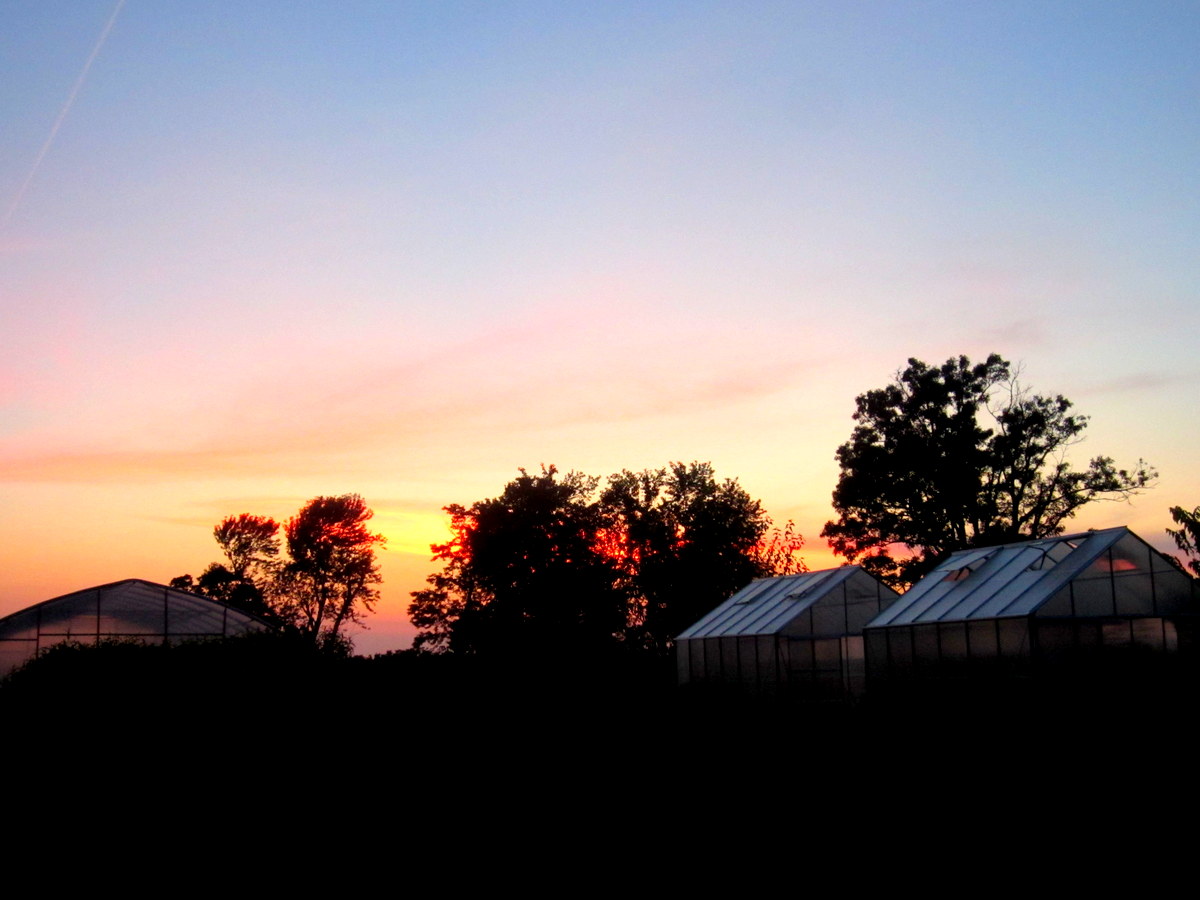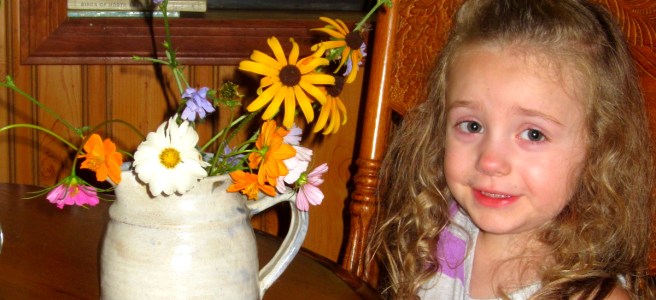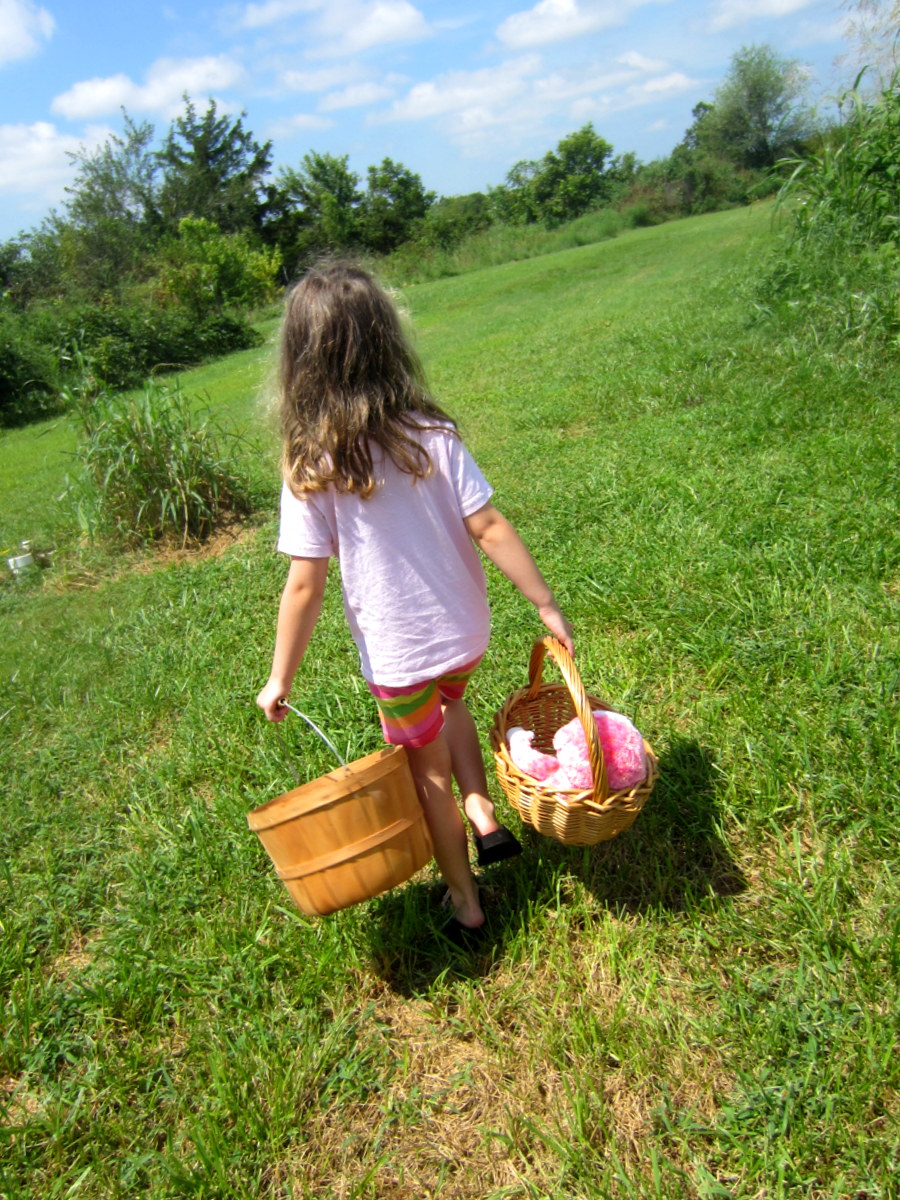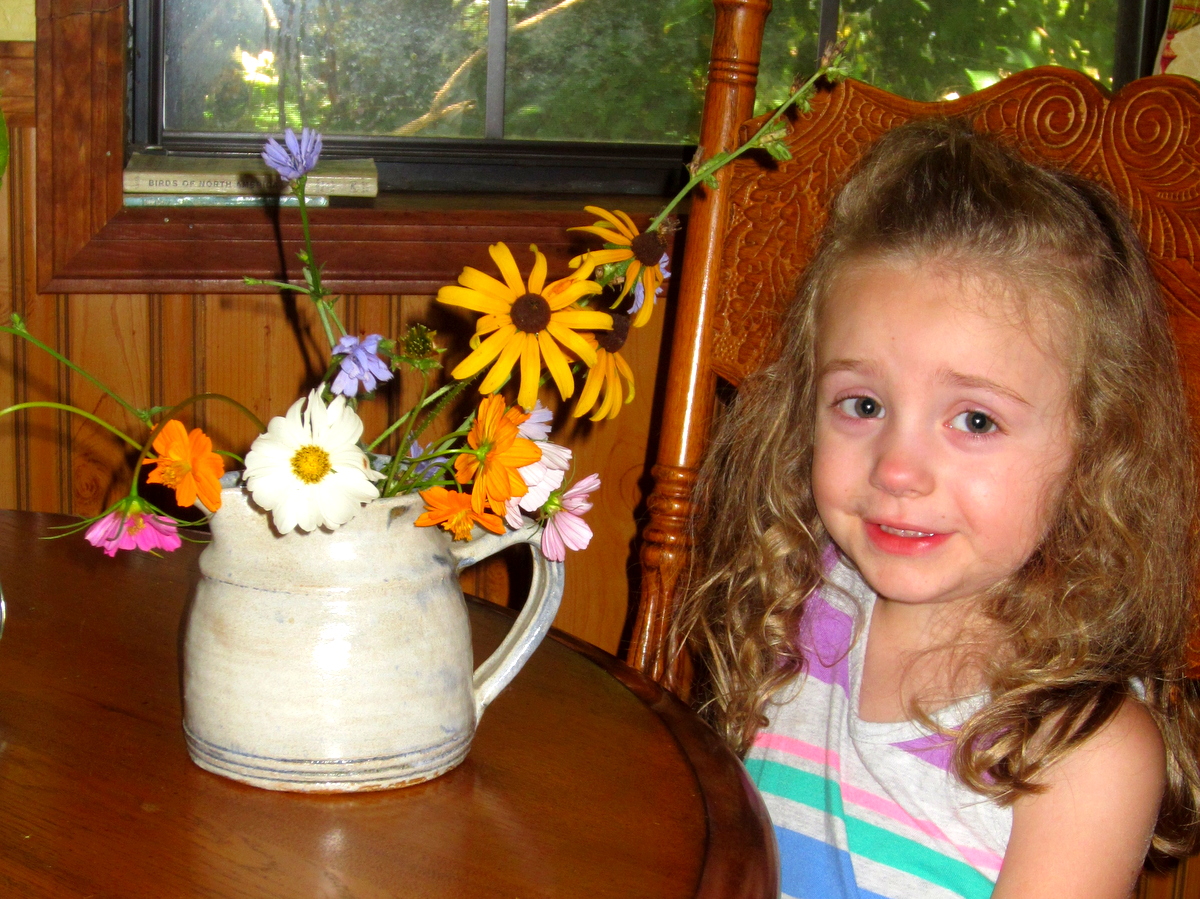
Please don’t take my Sunshine away!

I love having my grandkids here in my home! I enjoyed having my daughter and little Sunshine visit for the past two weeks and will be sad to see them go back to Colorado. I have to share a few photos of all the fun times we had together.
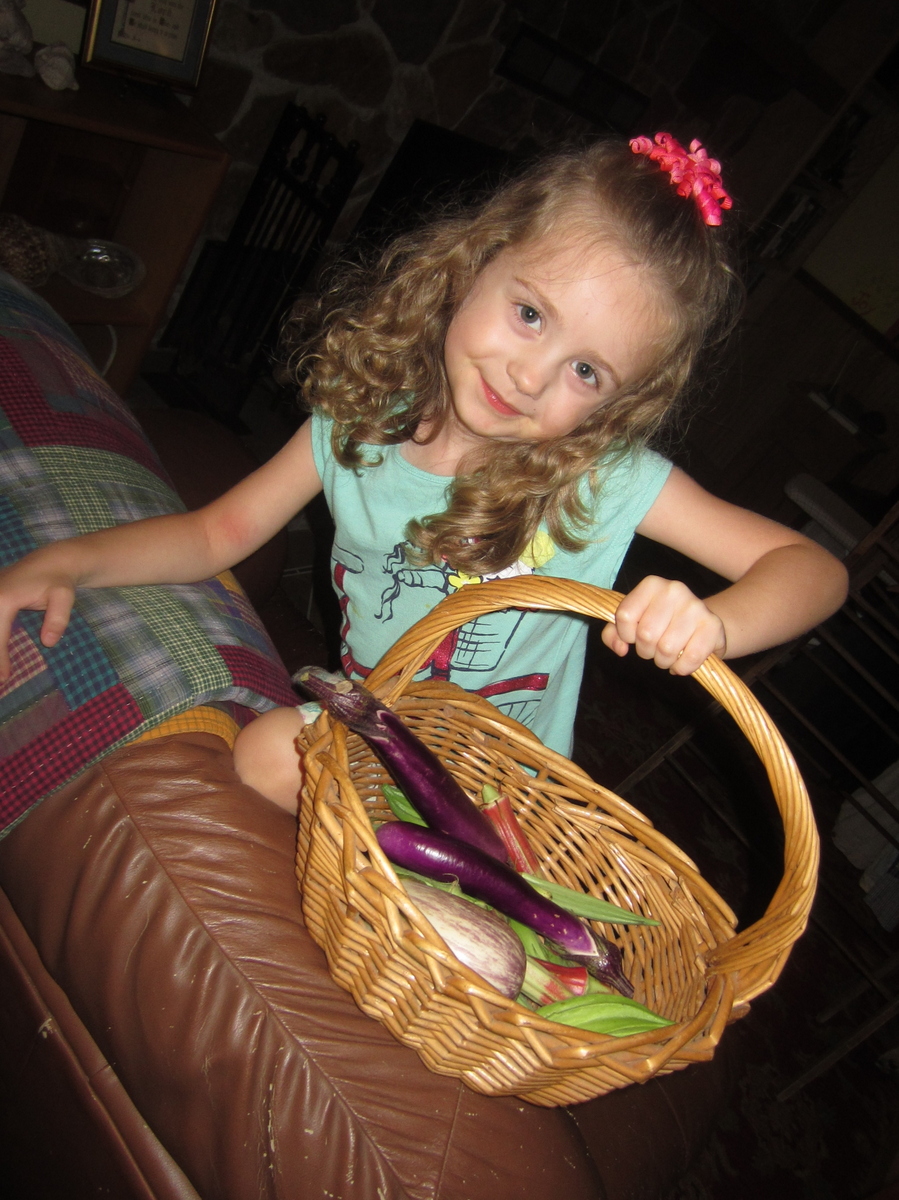
IMG_9748 IMG_9756

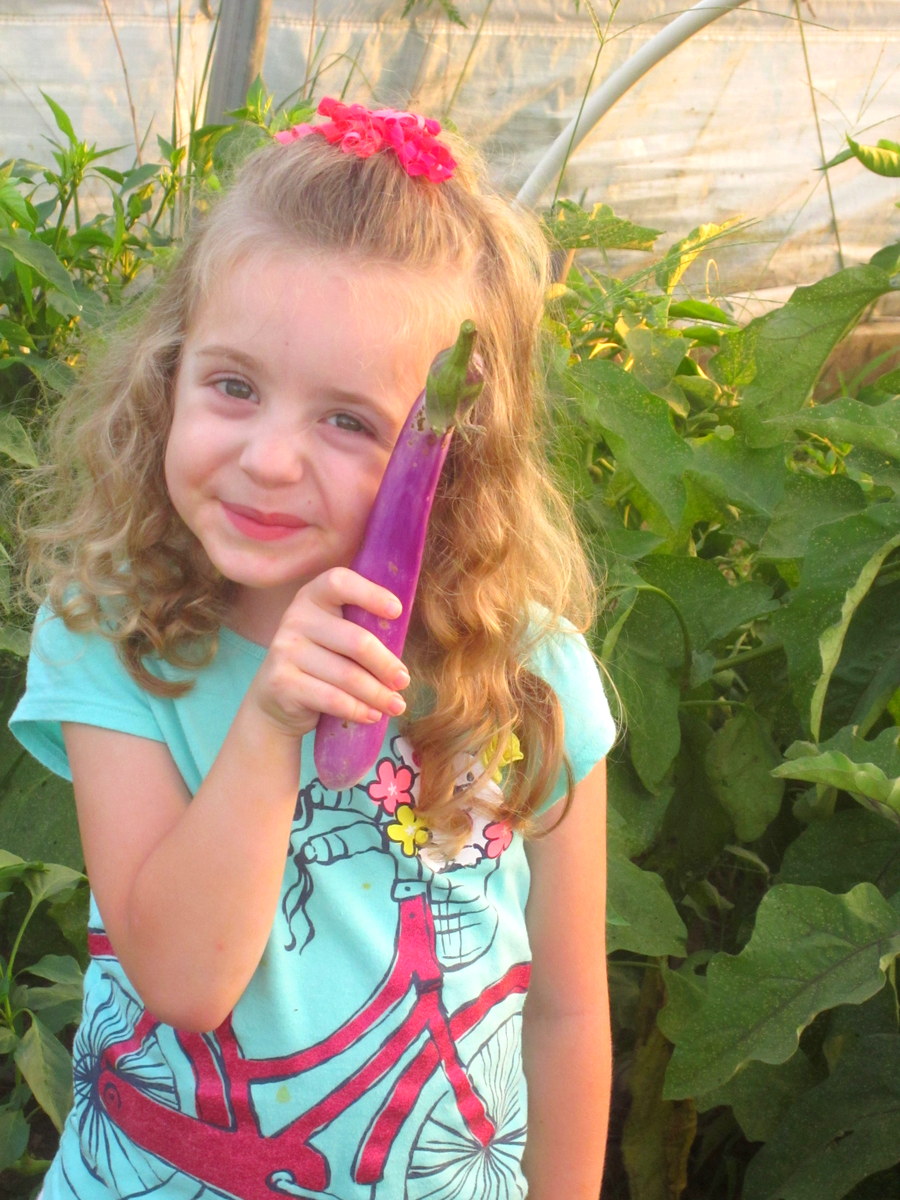
Sunshine loved following me around while I watered and picked veggies in the hoop house.

IMG_9948 IMG_9944

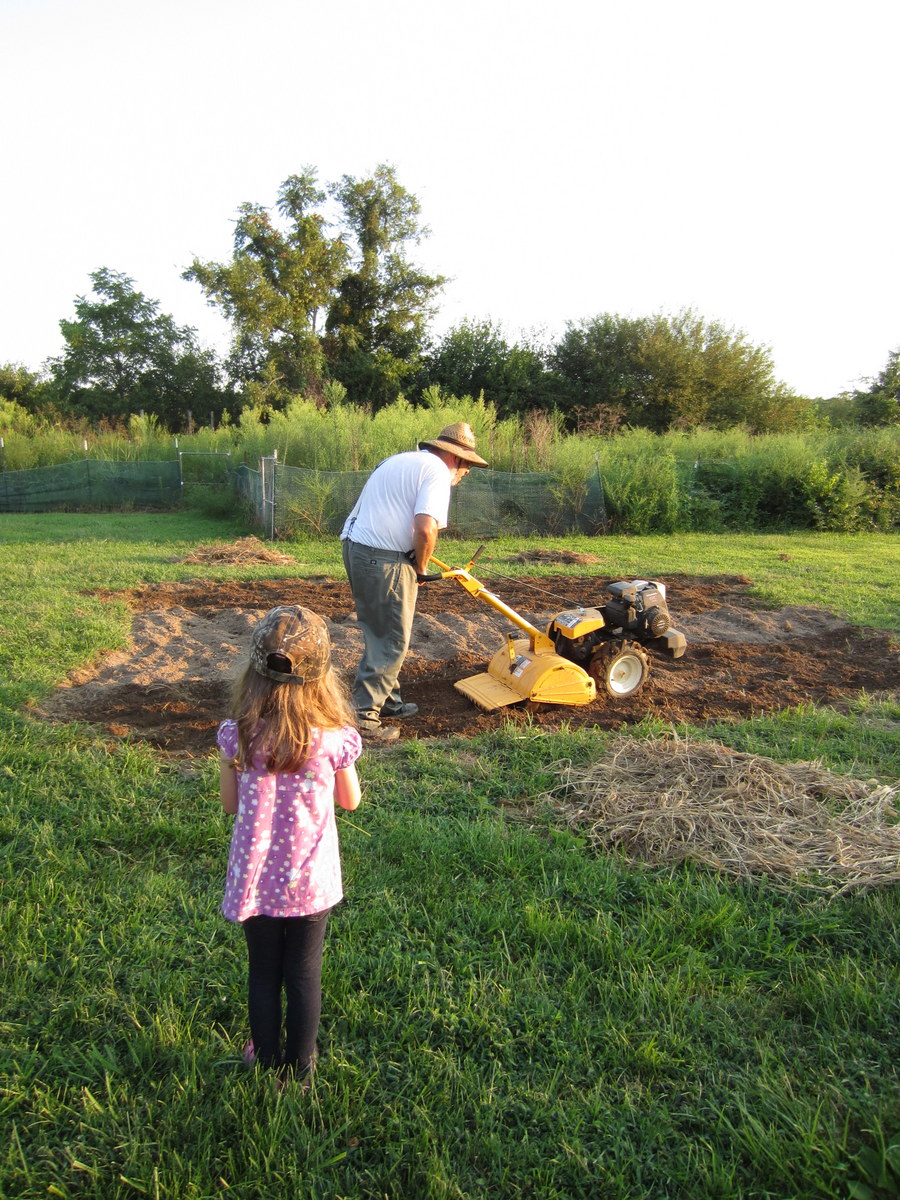
She’s a willing and eager helper- even with garden chores!
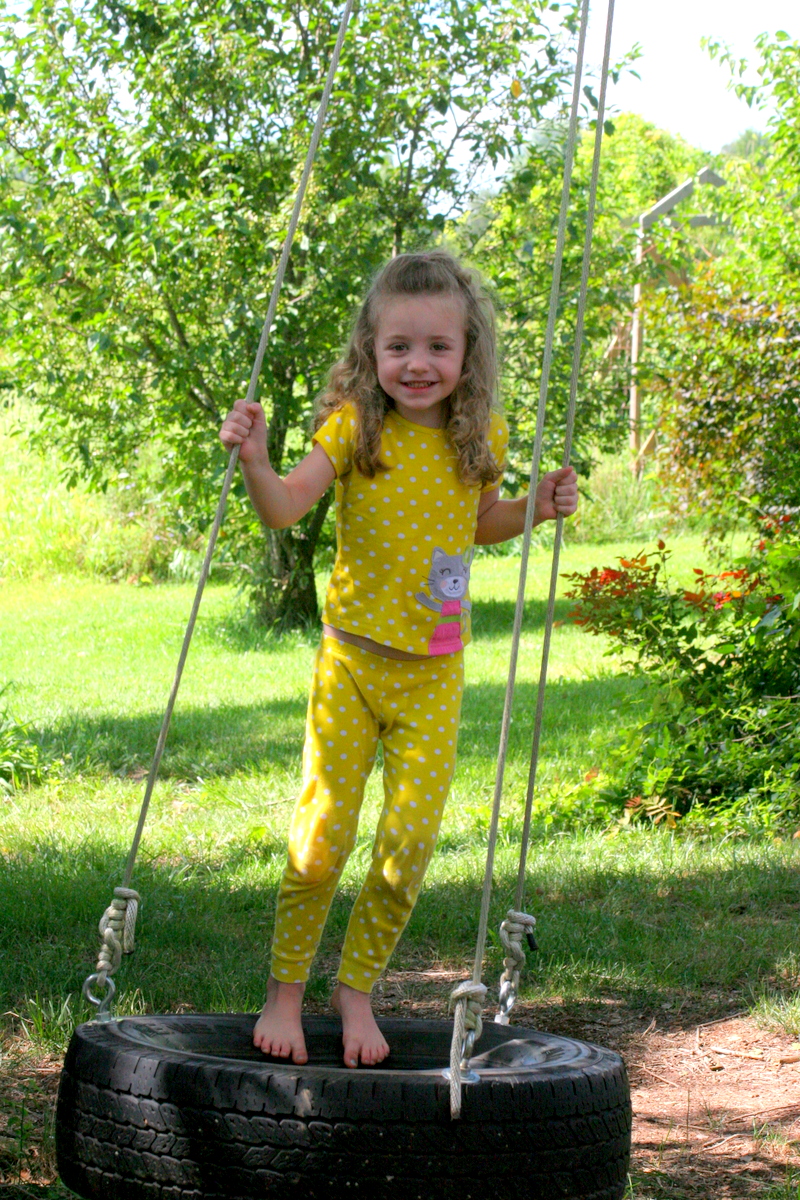
IMG_3069 IMG_9953

Her favorite spot is the tire swing in the huge Elm tree next to our home.
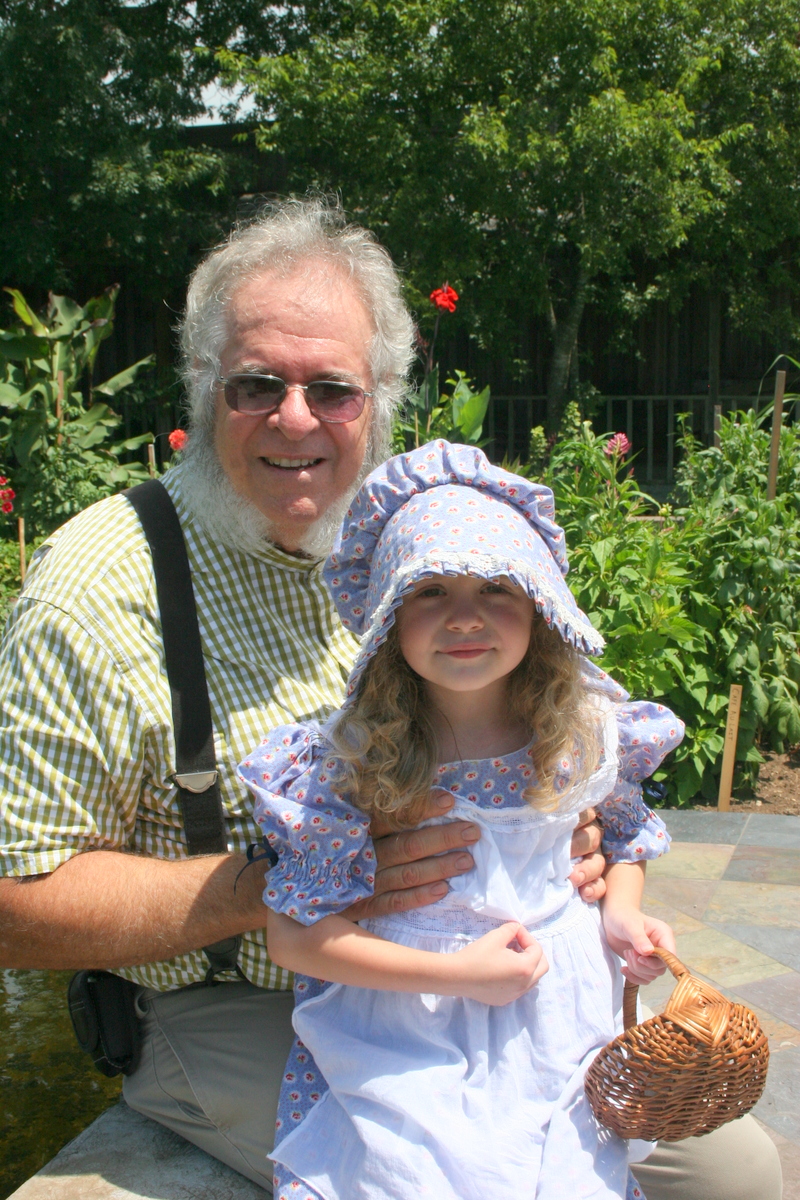
IMG_3007 IMG_3115-001

She came to visit me at work a couple times and enjoyed wandering around the Seed Store and playing in my office.

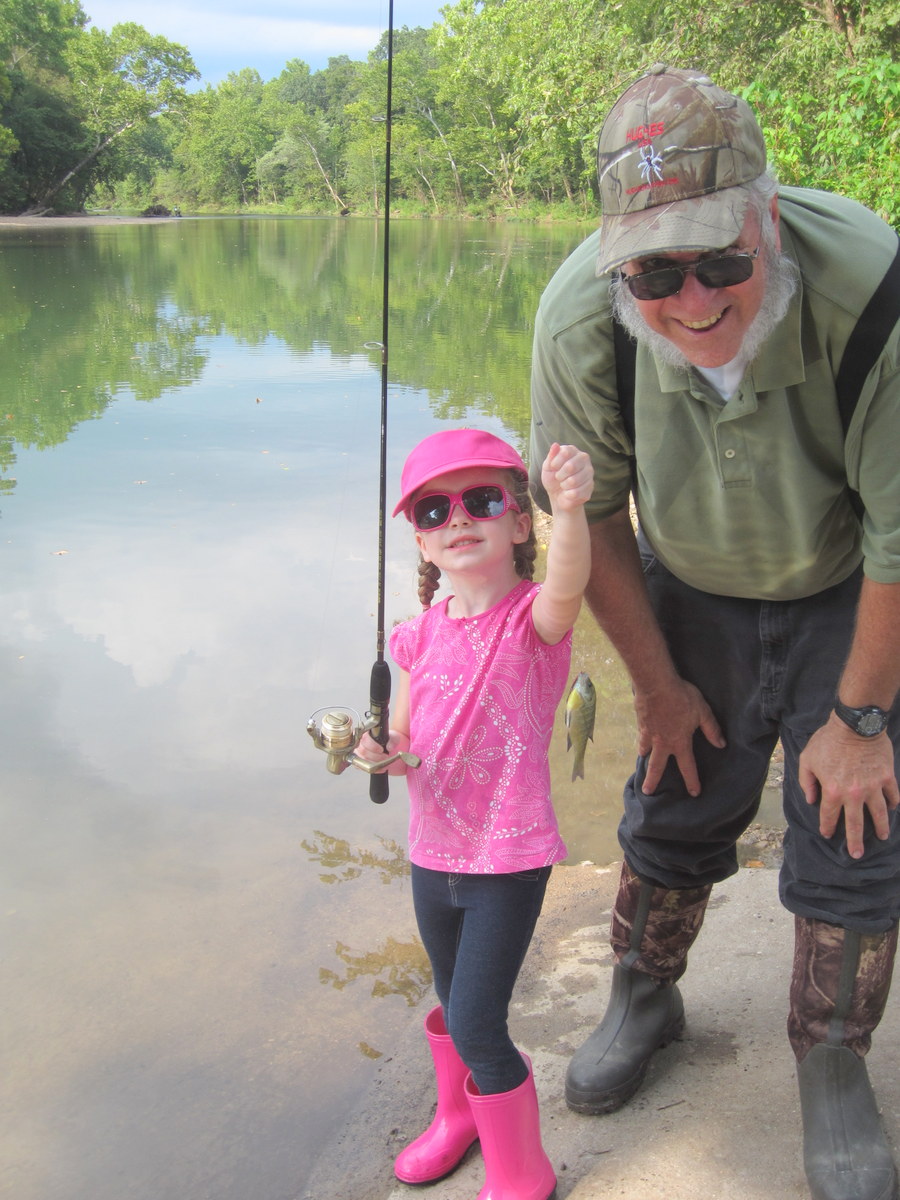
IMG_0084 IMG_0109

I took her trout fishing and she is definitely “hooked” on the sport saying it was “Incredible!”
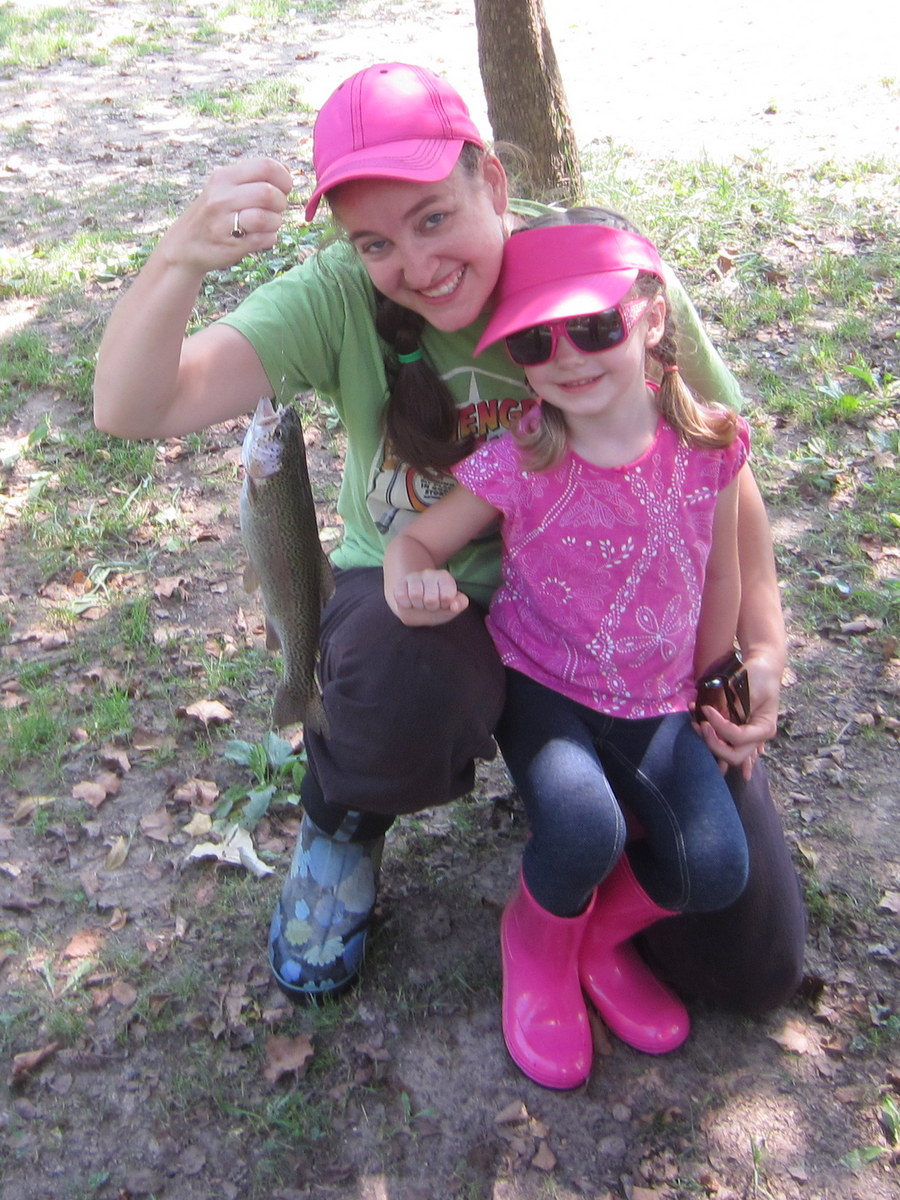
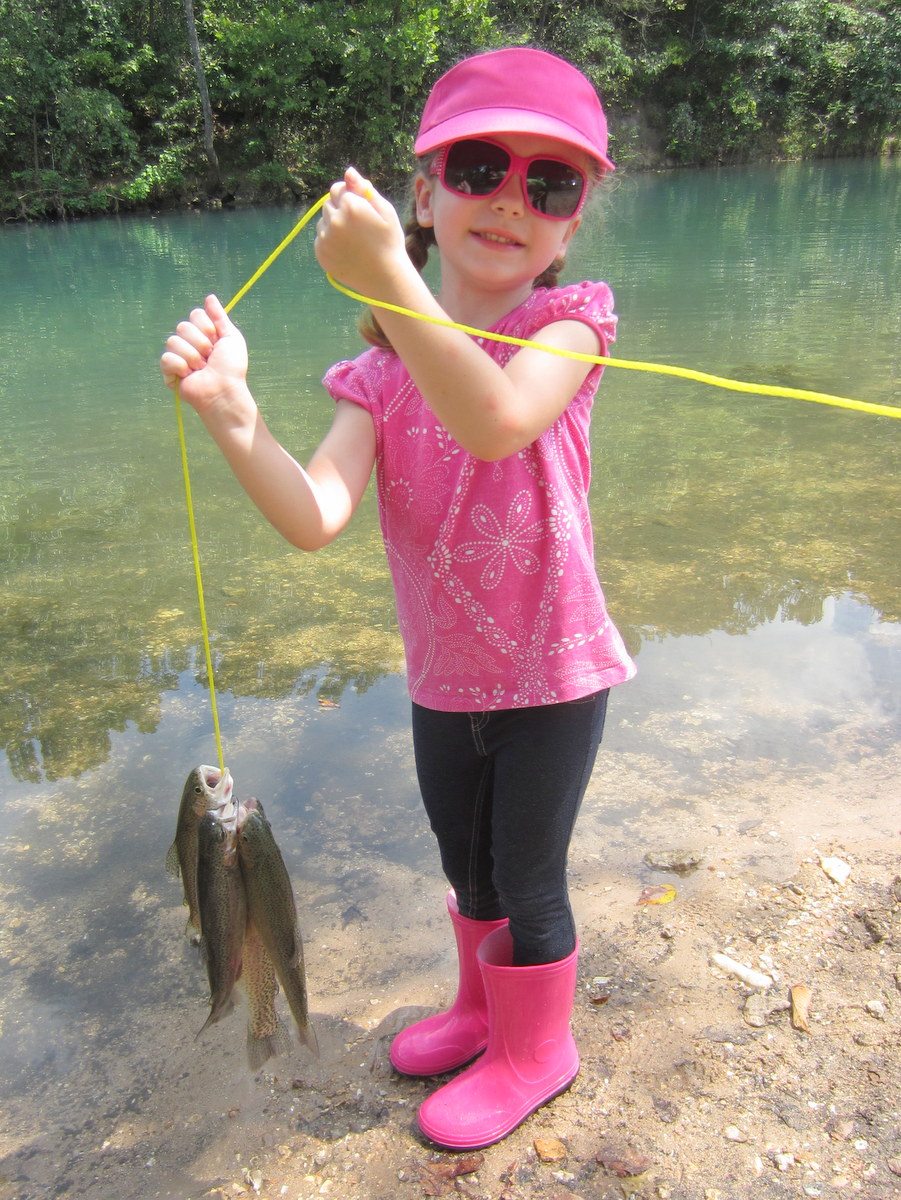
IMG_0078 IMG_0090

She is a great little shadow and helper in so many ways. I’ll miss my young’uns!

Papa
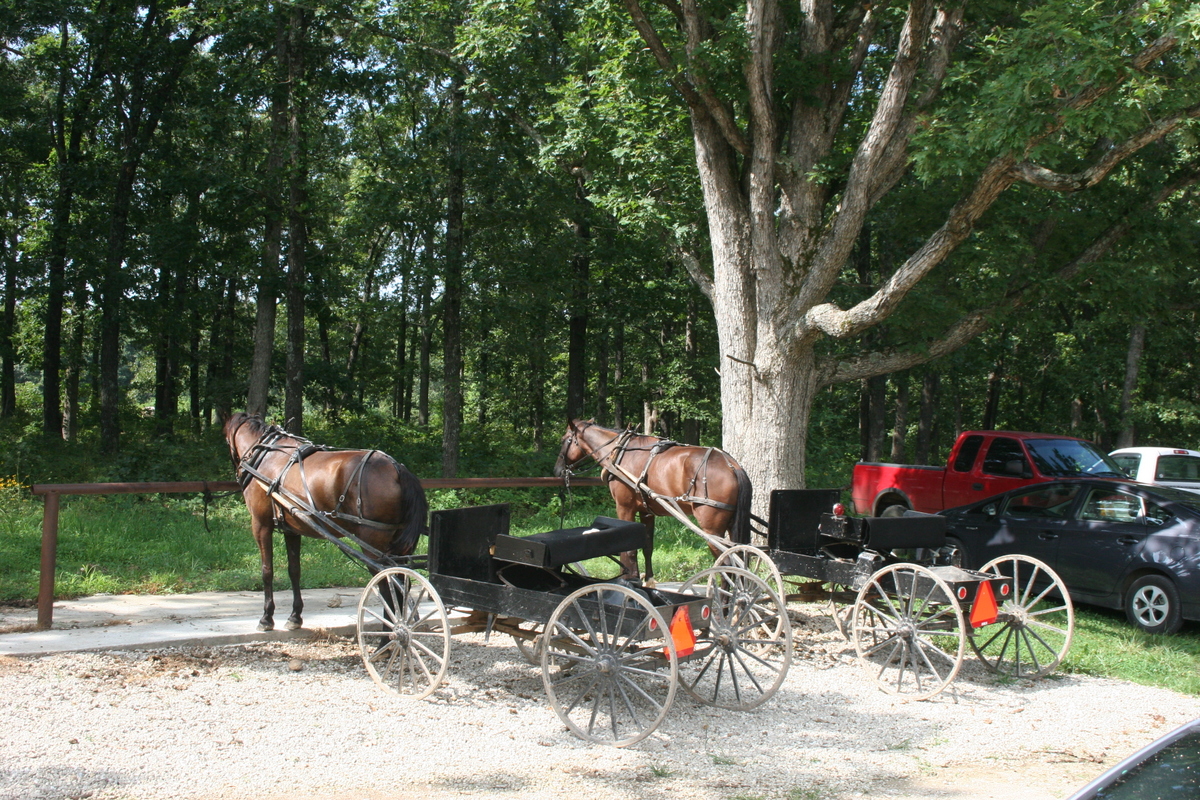
Amish Produce Auction

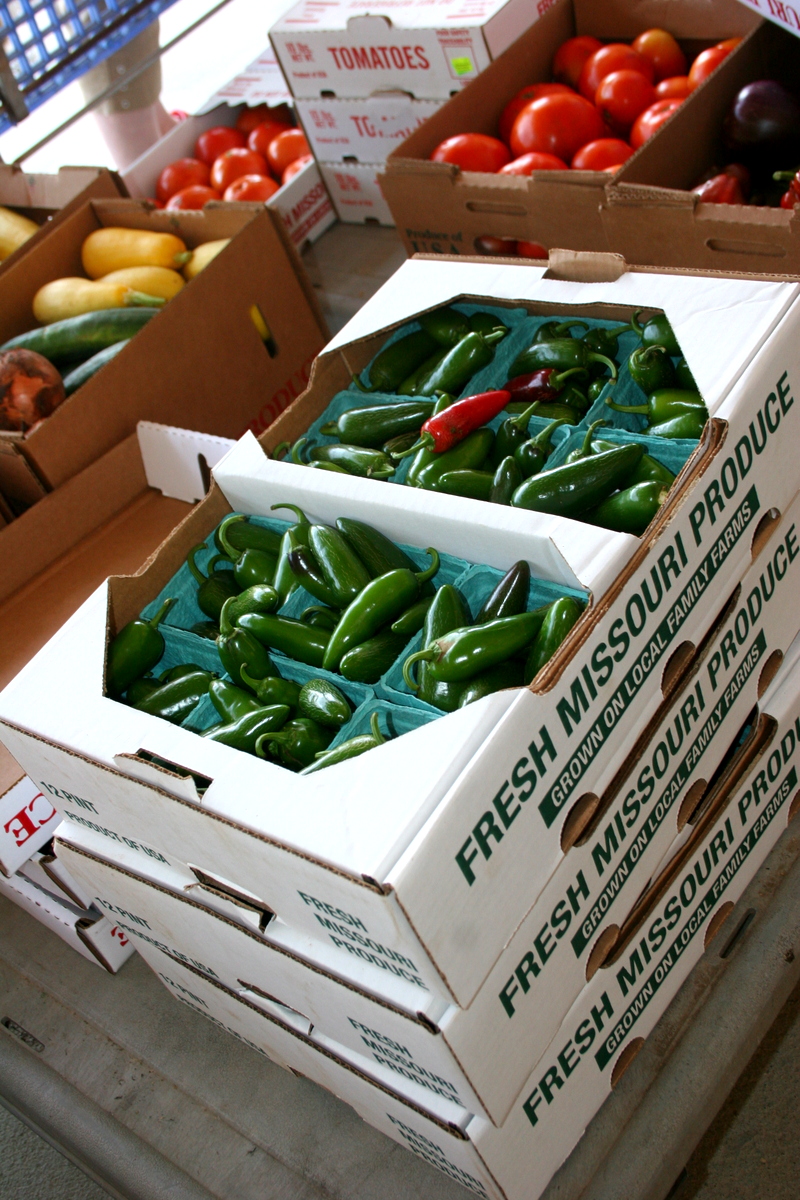
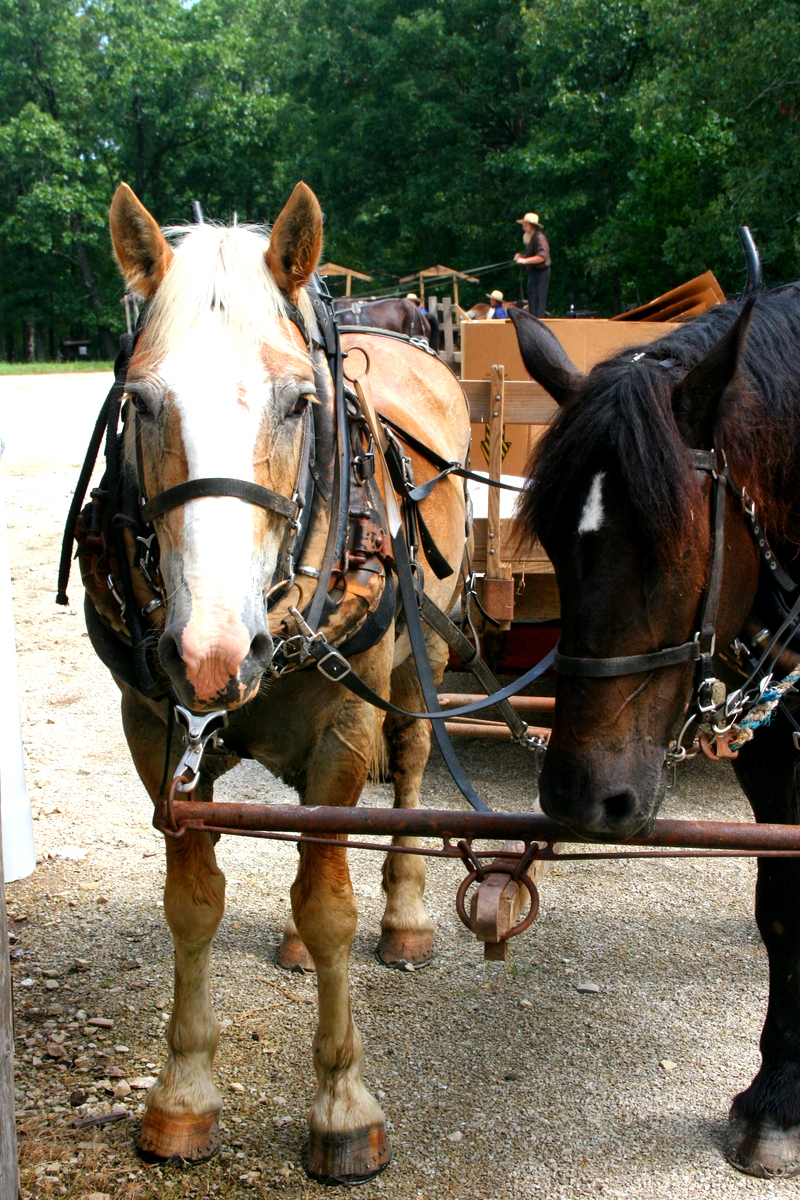
Every Friday (during the growing season) in a community near my home there is an Amish produce auction. I visited last week and enjoyed seeing the fruit of the land: tomatoes, peppers, squash, watermelon, peaches and more. Good prices, friendly folk and a special experience.

IMG_2995 IMG_2996 IMG_2998 IMG_2999 IMG_3000 IMG_3002

Sunset at Papa’s Gardens

My grandbaby helped me pick peppers and eggplant in the hoop house before the sun went down. The pup is Victory, our 11 year old 4 legged grandbaby!

IMG_3027

The pepper she is holding is Etuida, a Polish orange bell pepper. I’ve been amazed they are doing so well in the hoop house with 110 degree temperatures.

IMG_9699

The cicada’s serenaded us as we went in for the night.

Papa

Create a hummingbird haven!

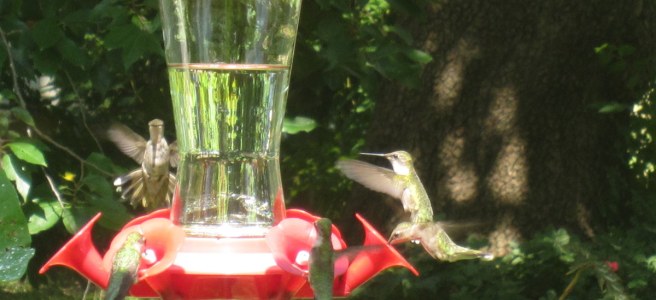
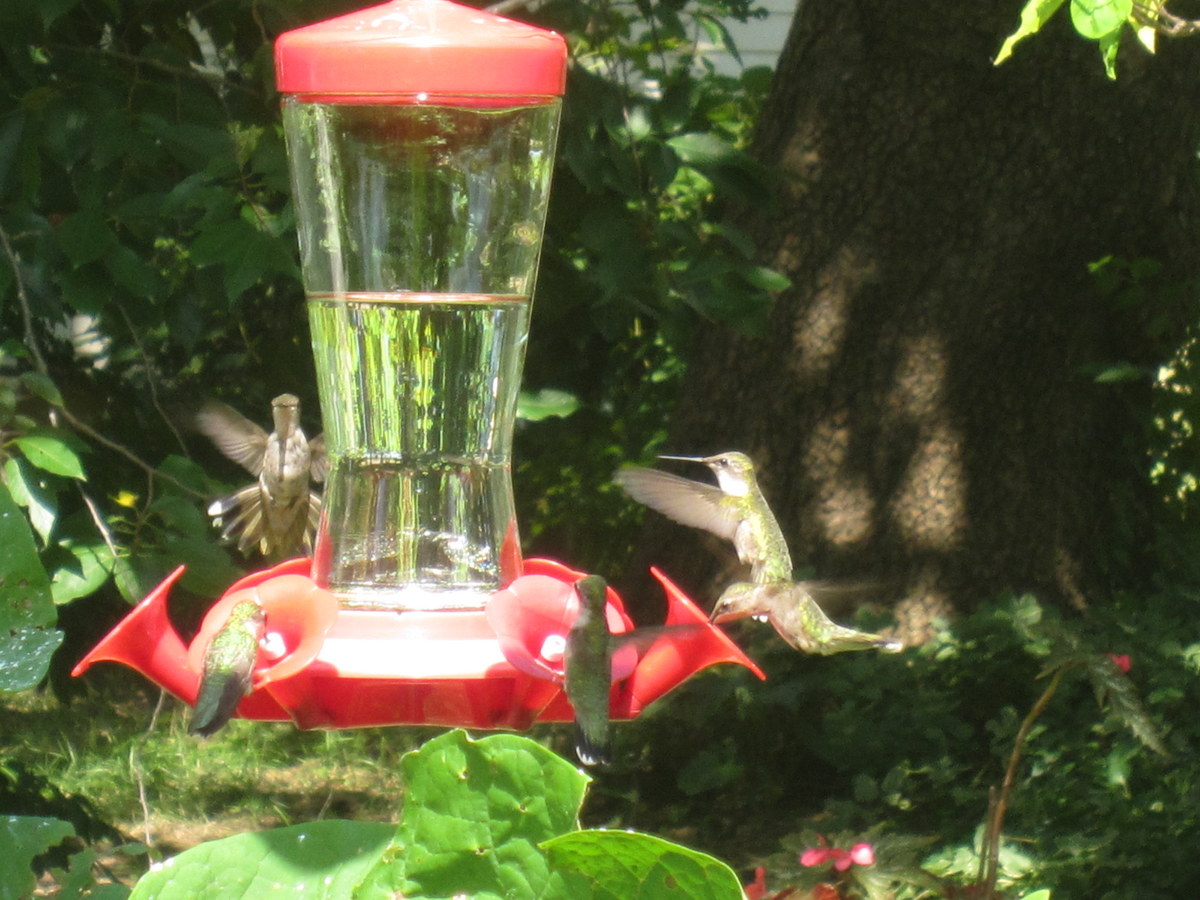
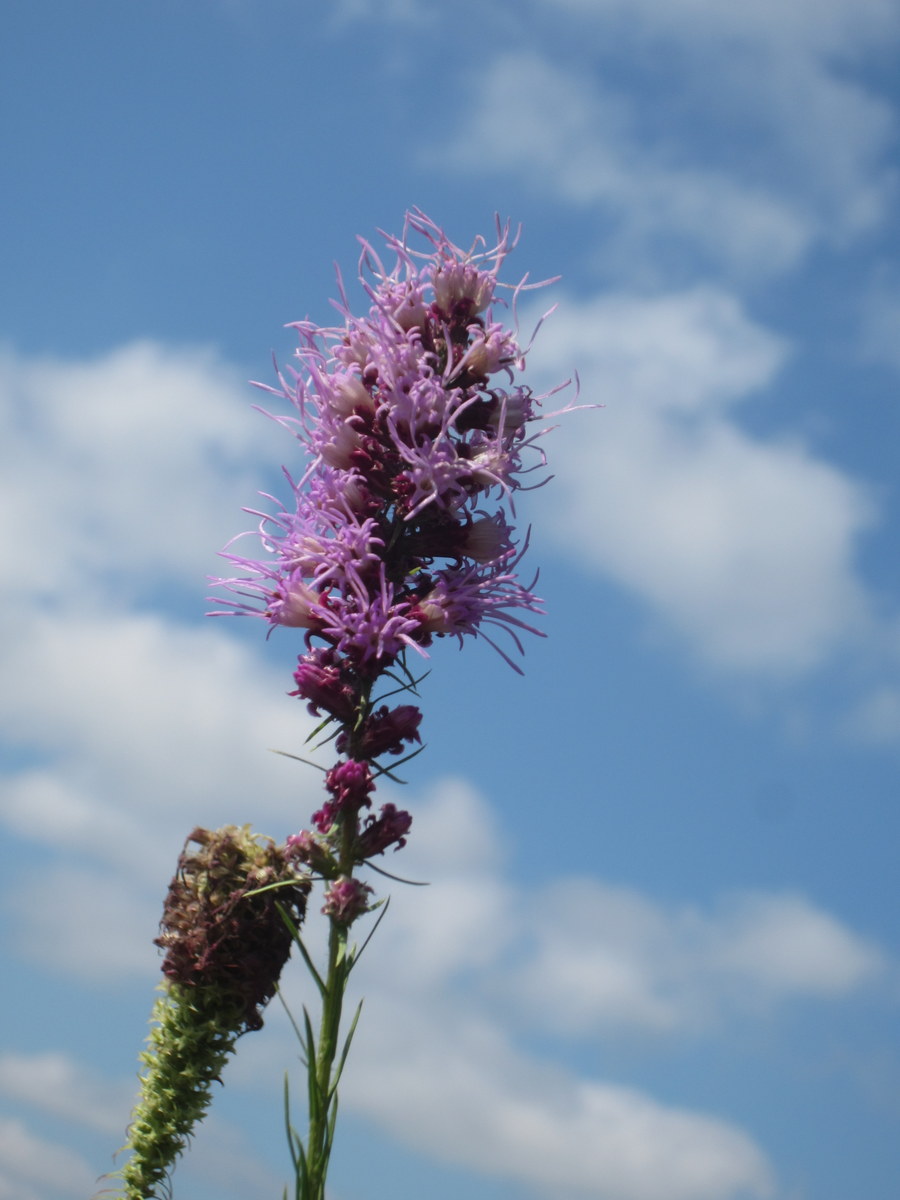
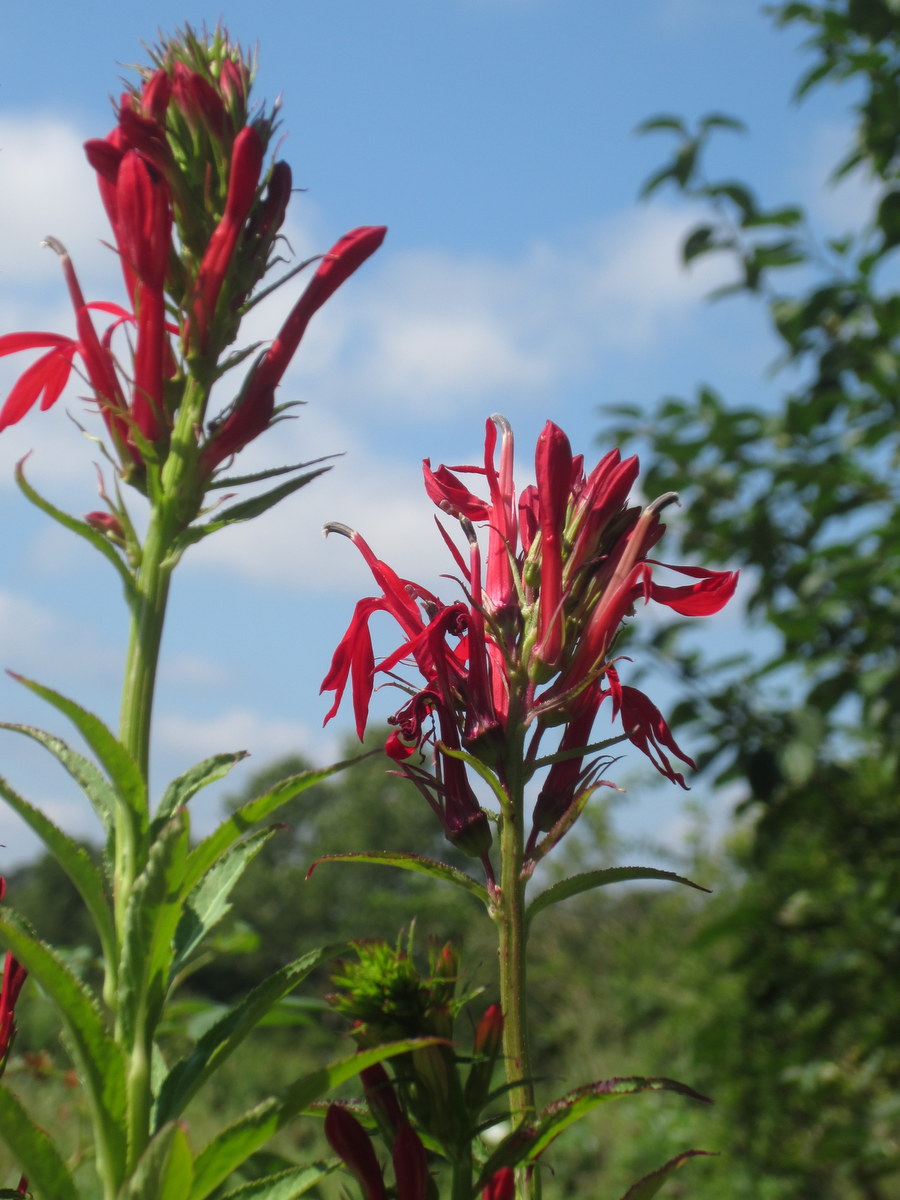
There are so many hummingbirds coming to the feeder this year. I am putting out 6 cups of nectar every 4 hours. Below are flowers in my yard that the birds are enjoying.

Leave a reply to share what flowers you have attracting hummingbirds to your yard.

There are so many hummingbirds coming to the feeder this year. I am putting out 6 cups of nectar every 4 hours. Below is a list of flowers in my yard that the birds are attracted to. Share in the comments what flowers you have that are attracting hummingbirds this year.

Liatris (Blazing Star)
Cardinal flower (Lobelia cardinalis)
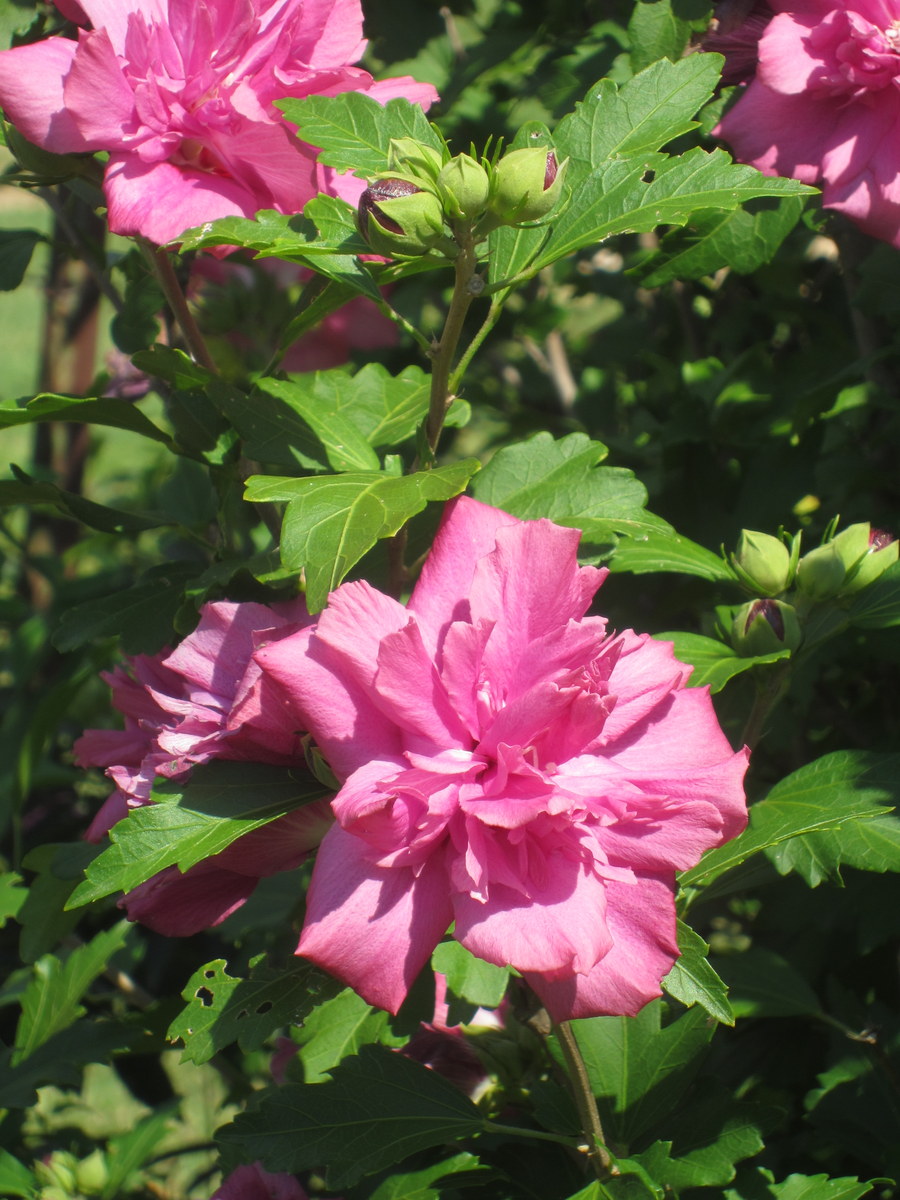
Althaea (Double Rose of Sharon)
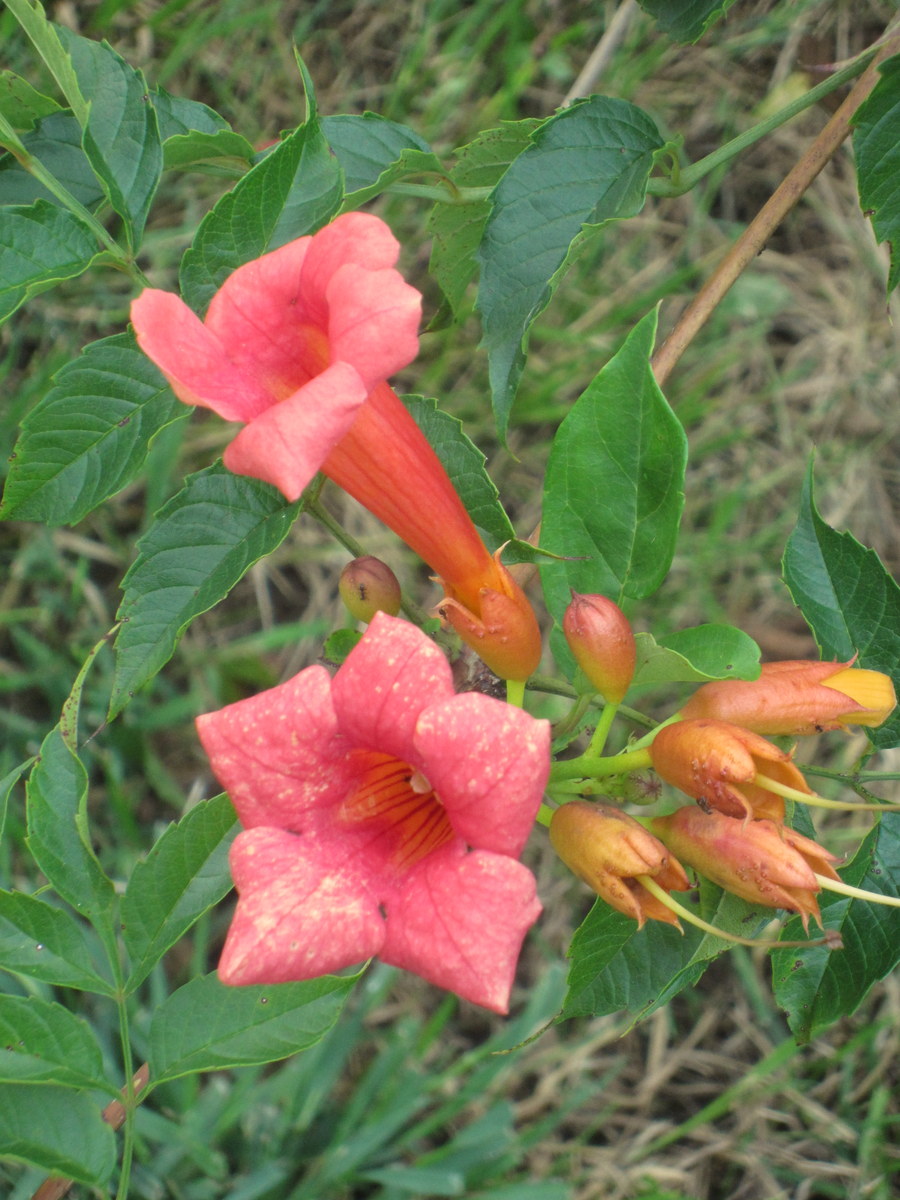
Trumpet vine (Campsis radicans)
Althaea (Rose of Sharon)
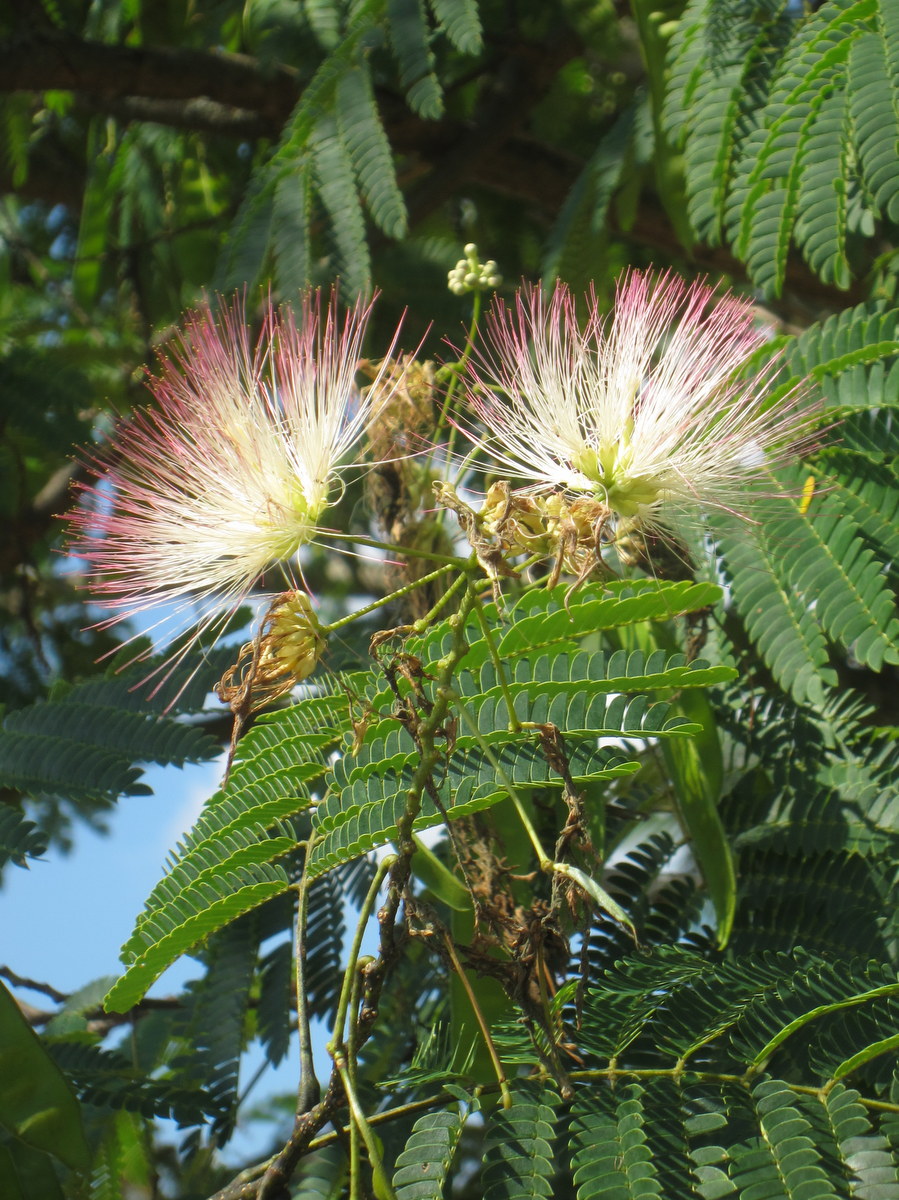
Mimosa or Silk tree
Mimosa or Silk tree
Tall garden phlox (Phlox paniculata)

Papa

Little or No Flower Heads On my Broccoli! Huh?

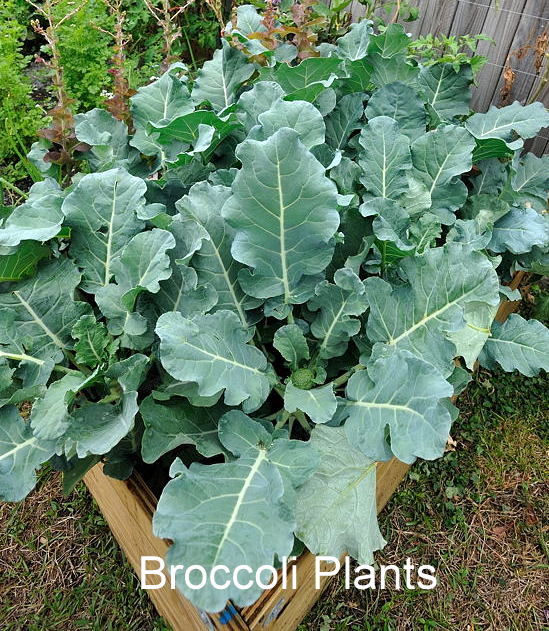
I’ve grown broccoli for the last two years and all I get are huge plants with either little or no flower heads. What seems to be the problem?Broccoli

Timing is key!! Broccoli likes to stay cool.

Causes of no or poor flower heading:

  • Alternating periods of abnormal high temperatures followed by abnormal low temperatures stresses the plant  and causes heading to come to a complete halt.
  • Stress brought on by drought or inadequate moisture.
  • Excessive nitrogen can cause huge healthy plants with little or no head production.
  • Transplanting too late with root bound plants will keep the broccoli from heading.
  • Transplants when exposed to temperature of 40 degrees and below for 1 – 2 weeks triggers heads to form too early or not at all.
  • Transplants not properly hardened off will be stressed and perform poorly. http://papasgardens.com/2015/04/24/what-does-it-mean-to-harden-off-seedlings/
  • Overcrowding results in either little or no head formation due to competition for adequate water and nutrient.

Prevention:

  • Proper timing of transplanting for your specific area. Your County Cooperative Extension Service will supply the dates for planting.
  • Proper planting of transplants 2 feet apart.
  • Even supply of moisture. Drip irrigation is best.
  • Balanced nutrition/fertilization. Avoid excessive applications of nitrogen.
  • Proper hardening off of transplants.
  • Cover planting when temperatures drop below 50 degrees. Low tunnels with floating row cover or cloches will provide protection. Drawing low tunnels
  • plastic-bottle-clochesPlant in Fall.
    • Decreased pest pressure.
    • Plants are usually stronger. The flower heads are bigger.
    • Plants grow better into cooler weather.
    • Sow seeds for transplants 10 – 12 weeks before first frost.
    • Set transplants 2 feet apart for extended season planting.

Broccoli are sensitive to their environment. When treated with care, they will reward you!

Papa

For Great Kimchi You Need Chinese Cabbage!

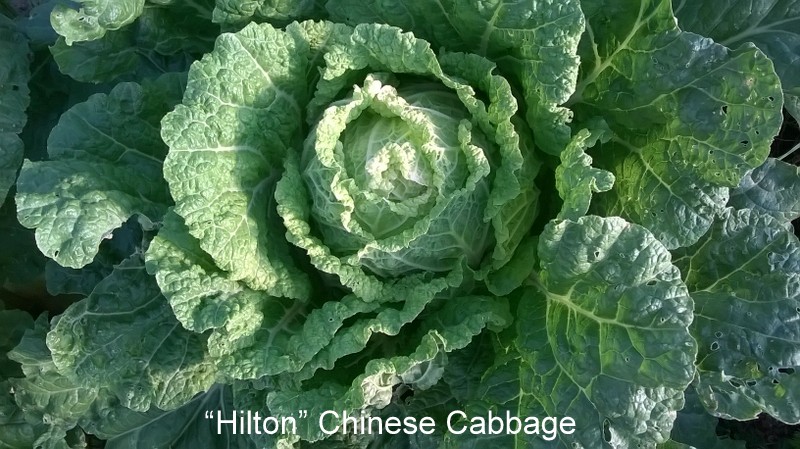
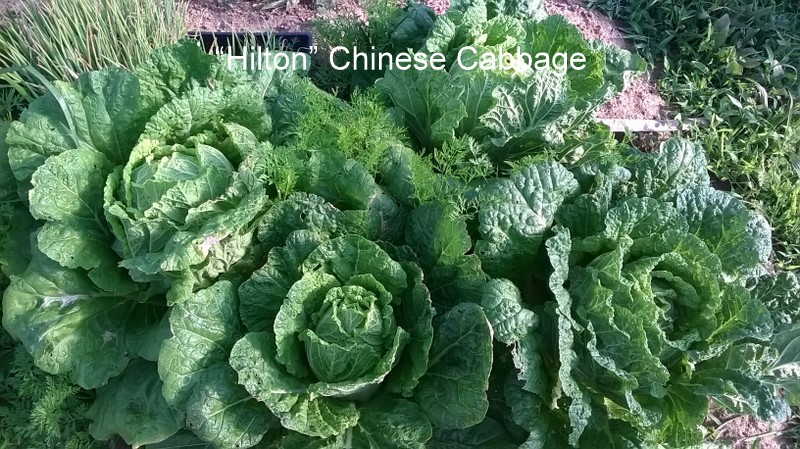
I can hardly wait to make a batch of Kimchi (fermented Chinese cabbage and vegetables). The “Hilton” Chinese cabbage is ready to harvest. A few more ingredients and I’ll be ready to go.

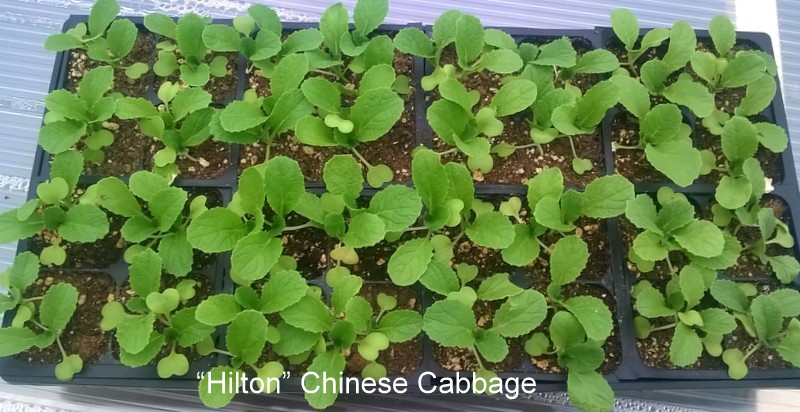
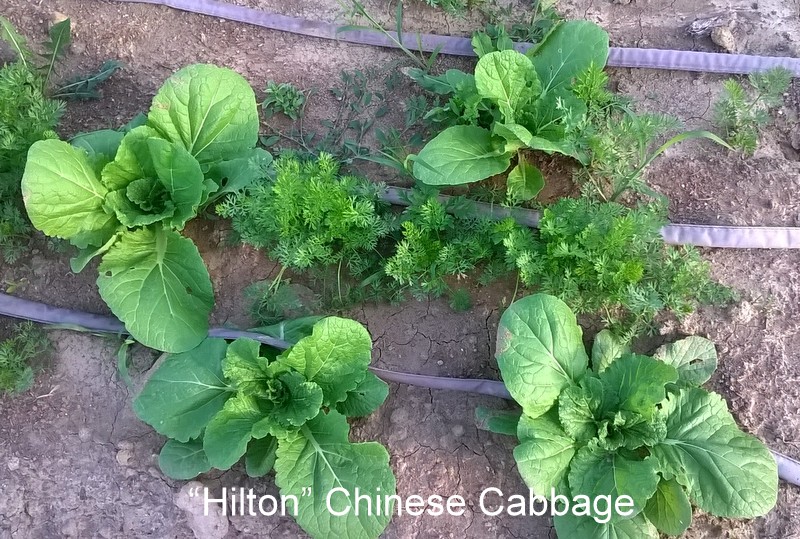
WP_20150612_18_29_28_ProThe seedlings were started in early March.  They were transplanted into the hoop house the first week of April. Look at the results above! This Chinese cabbage is gorgeous!!!

WP_20150408_18_52_03_Pro         WP_20150512_19_06_54_Pro

WP_20150612_18_28_37_Pro

Brassica rapa sub. Pekinensis is the famed Napa cabbage used for stir fry, saute and Kimchi. Kimchi in its varied forms is a favorite of Korean cuisine. This spicy, highly seasoned fermented cabbage is a staple of the Korean diet. Plus, fermented foods are bursting with beneficial bacteria to boost digestive health.

The “Hilton” Chinese cabbage is an open pollinated variety. My observations of this Chinese cabbage indicate a vigorous growth similar to hybrids. It performs well in warm/hot weather. Other open pollinated varieties would have bolted (gone to flower) by now. It is truly a remarkable variety!!

“Hilton” Chinese cabbage may be obtained at Baker Creek Heirloom Seed Company. http://www.rareseeds.com/chinese-cabbage-hilton/

Enjoy!!

Papa

For Milkweed Go Native!!

It is very important that you supply the correct varieties of milkweed for your specific location.

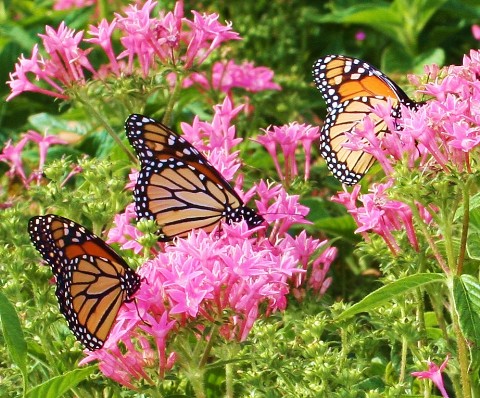
Three-Amazing-Monarchs-on-Milkweed (1)

For instance, I live in the Missouri Ozarks. The recommended varieties are: http://www.xerces.org/wp-content/uploads/2013/07/Milkweeds-of-Central-US_plus-vendors_XercesSociety.pdf

  • Swamp Milkweed (Asclepias incarnata)
  • Common Milkweed (Asclepias syriaca)
  • Butterfly Milkweed (Asclepias tuberosa)
  • Whorled Milkweed (Asclepias verticillata)
  • Green Antelopehorn (Asclepias viridis)
  • Purple Milkweed (Asclepias purpurascens)

Sunset Flower AKA Scarlet Milkweed AKA Tropical Milkweed (Asclepias curassavica) is not recommended for a Monarch butterfly larval plant in North America. Tropical Milkweed is native to South America. It is now becoming an invasive species in the southern states of America. The Monarchs that consume this variety become prey to additional parasites. Subsequently, this variety weakens the larvae and butterfly. Lastly, the Monarchs are not migrating to Mexico because they have a constant supply of the wrong food.

Check out these links for native milkweed in your area:

http://www.xerces.org/wp-content/uploads/2011/03/xerces-nrcs-california-milkweed-guide.pdf

http://www.xerces.org/wp-content/uploads/2011/03/NativeMilkweedsGreatBasin.pdf

http://www.xerces.org/wp-content/uploads/2011/03/SE-Monarch-milkweed-butterfly-host-plant-brochure-final-2012.pdf

http://www.xerces.org/wp-content/uploads/2014/03/Monarch-Butterflies-East-Region.pdf

http://www.xerces.org/wp-content/uploads/2015/03/Monarchs-Milkweeds_Northern_Great_Plains.pdf

Don’t forget nectar producing plants for your Monarchs as well. Some of their favorites include:
Buckwheat (Eriogonum)
Butterfly Bush (Buddleia)
California Lilac (Ceanothus)
Citrus (Citrus)
Coneflower (Echinacea)
Coreopsis (Coreopsis)
Cosmos (Cosmos)
Daisy (Aster and Chrysanthemum)
Dianthus (Dianthus)
Heliotrope (Heliotropium)
Lantana (Lantana)
Marigold (Tagetes)
Milkweed (Asclepias)
Pincushion Flower (Scabiosa)
Rabbit Brush (Chryssothamnus)
Rock Cress (Arabis)
Salvia (Salvia)
Senecio (Senecio)
Star Clusters (Pentas)
Sweet Alyssum (Lobularia)
Verbena (Verbena)
Wall Flower (Erysimum)
Zinnia (Zinnia)

Papa