8 Steps for Successful Tree Planting

Now that you have selected a flowering, shade or fruit tree let it give you years of pleasure by following these steps.

1- Location is essential for flowering, fruit bearing and shade trees.

  • Full sun.
  • Preferably well drained soil.
  • Irrigation source.
  • Right tree for the planting site. Where do you desire shade for cooling properties and where do you want full sun during the fall and winter months?
Tree-planting

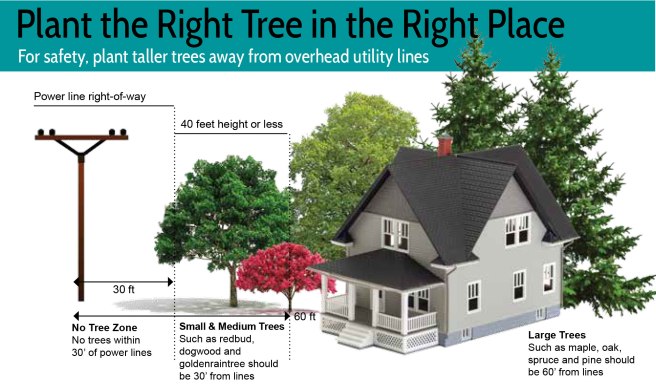
2 – Spacing of the tree in relation to buildings and other trees and plantings.

  • Flowering trees: refer to the tag or your local county extension/Master Gardener.
  • Shade trees need a very wide spacing due to shading capacity of the tree and its shape.
  • Fruit trees are planted depending on their characteristic. Does the tree selected require a pollinator tree?  Early, mid-season and late-season fruit bearing trees may each require a season specific pollinator. Your local county extension/Master Gardener will be helpful in your selections.
    • Standard should be planted 25 feet apart.
    • Semi-dwarf should be planted 12 to 15 feet apart.
    • Dwarf should be planted 8 to 10 feet apart.

3 – Make sure the planting site is free of overhead/underground utilities, structures and easements.

4 – Now you are ready to plant.

5 – Dig a hole that is as deep as the root ball and doubled the width of the root ball. Notice the tarp? This is the best way to save the soil you have dug plus it makes for an easier clean-up.

tree1

  • This is the time to add soil amendments such as compost, peat moss, kelp meal, bone meal , sand, etc. These amendments should fill the hole 1/3 to 1/2, mixed with the existing soil. The amounts will vary depending on the size of the root ball.

tree3

  • This establishes a good root system and enhances the transplanting thus reducing stress to the tree.

6 – When placing the root ball in the ground make sure it is 1/2 inch to one [1] inch above the ground level. Planting above the ground level allows for the settling of the root ball.


  • Where the trunk of the tree meets the root system is called the root flare. This juncture needs to be 1/2 to one [1] inch above the ground level.
tree7


  • This step is crucial for a successful tree planting and continued growth and development of a healthy tree.

7 – Back fill and make a moat around the perimeter of the  hole with the dirt dug from the tree planting. This moat will act as a reservoir and capture water thus reducing run-off and enhance the growth of the tree roots. This insures the tree receives proper moisture.


8 – The use of mulch is up to you.

  • If mulch is used, do not place the mulch against the base of the tree.
  • The base of the tree may respond to this mulch as soil and may stimulate root growth above the tree flare.
  •  See the possible results from “volcano” mulching. Notice the rotted tree flare. Besides it looks dumb!!!!!

It is important to stick to these steps for a tree you will enjoy for years to come.

Papa
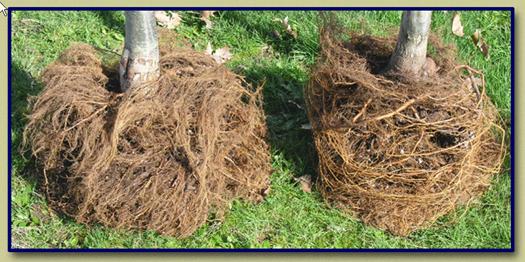


Circling Roots? Get to the Root of the Problem!

Yes, Spring is in the air and the garden centers and box store outside garden areas are filling with trees, shrubs and annuals. You have decided to plant flowering trees, fruit trees and shade trees on your property this year. Is there something you need to know prior to purchasing?

Absolutely!!

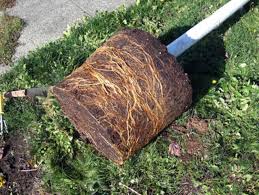
1 – Examine the potted tree and see if there are exposed roots or roots circling the tree trunk.

2 – Pull the root ball out of the pot and inspect the root ball.

circling_roots1

3 – Examine the root ball and see if there are roots growing on top of the soil. This is very easy to see.

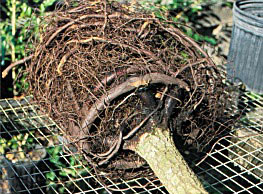
4 – Are the roots circling around the edge of the root ball?

circling_roots


5 -If the trunk of the tree  is loose or wobbly in the pot, it means it was grown from a smaller  container where the roots had earlier in development started the circling pattern.

container3

6 -If any or all of the above are observed/found, do not purchase the tree.

Why?

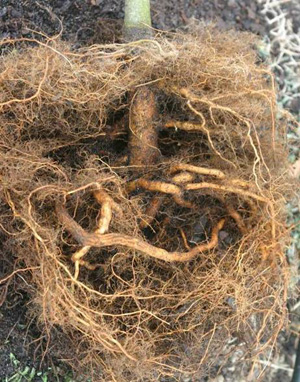
The tree will never pull out of this growth habit of circling its roots. The roots should be like the spokes of a wheel growing outwards in every direction.

10.1

Consequences of planting a tree with this rooting growth:

1 – A tree never capable of developing strong lateral, supporting roots.

2 – The tree will have to be permanently staked.

3 – In many instances these roots will surface and girdle other roots and the trunk of the tree thus cutting off its life support.

Be wise and be an active observer as you purchase that  flowering, shade or fruit tree you desire for you property.

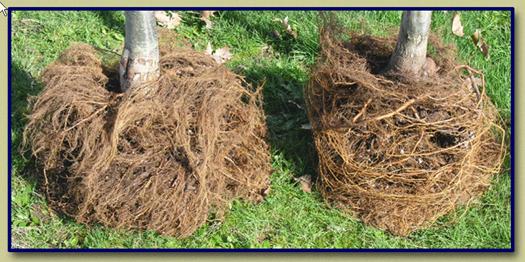
image6201

Which tree would you choose?

Papa


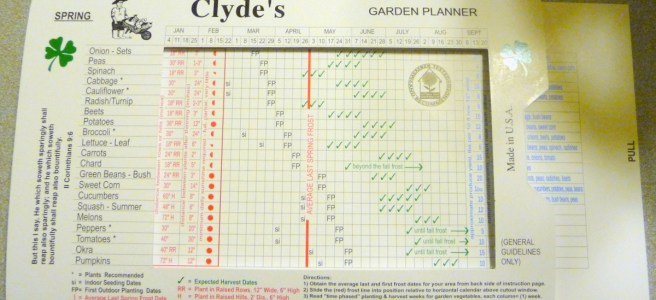
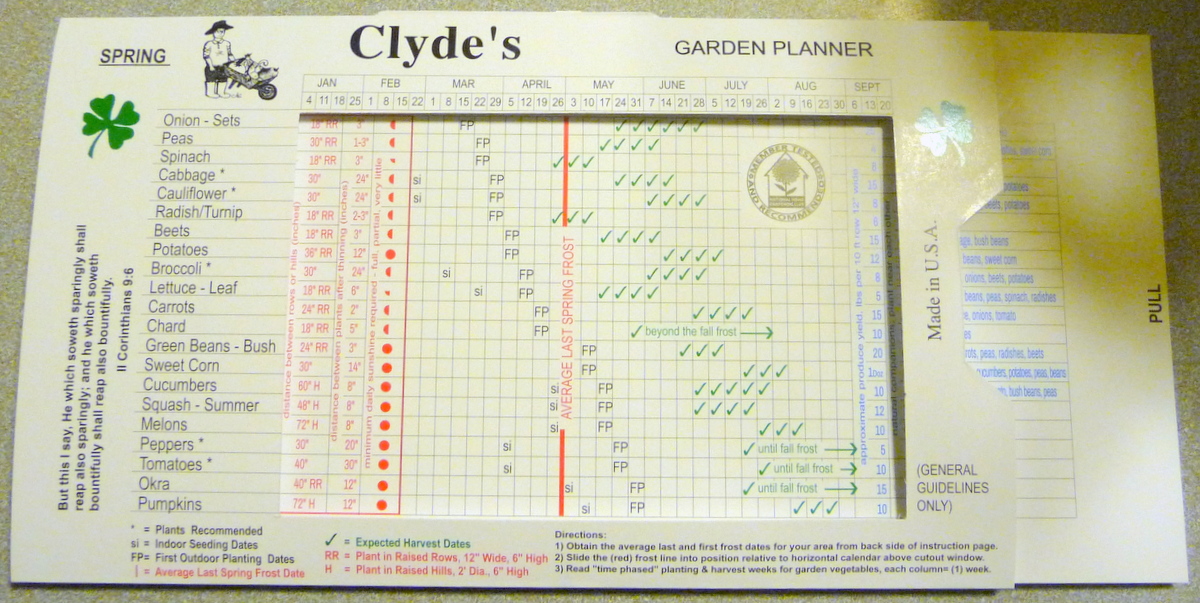
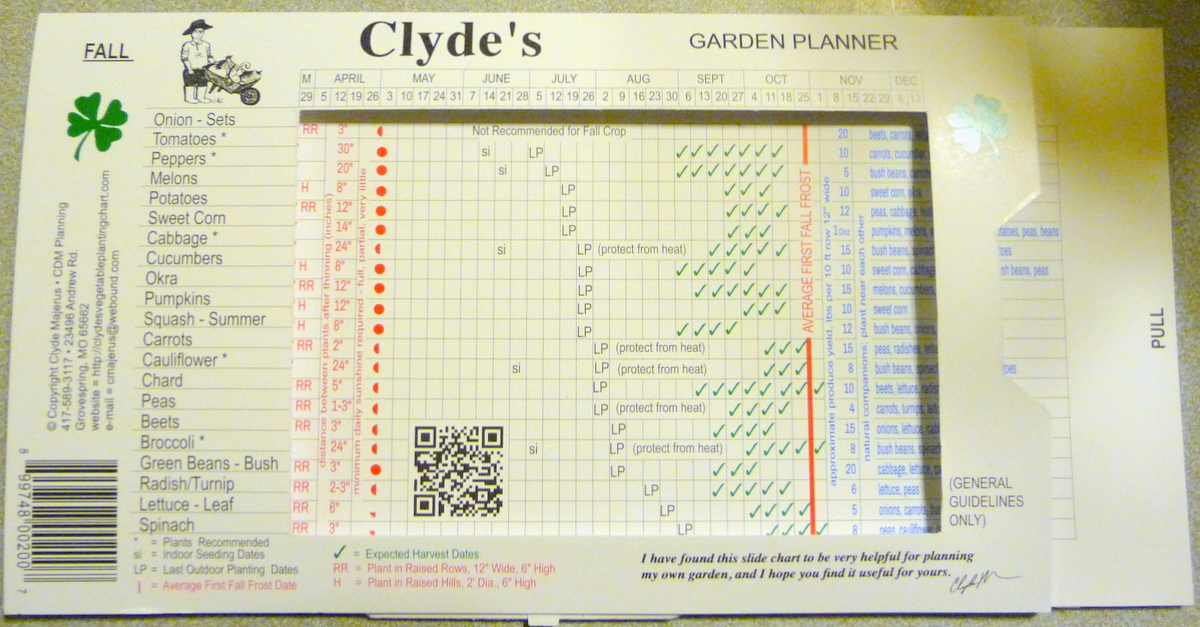
Need a Garden Planner?

A friend of mine has created an easy to use Garden Planner.

Why would I recommend this helpful tool?

If you are like me, it is good to use a planting schedule to keep on course.

Clyde has created a tool helping you visualize your planting dates for Spring and Fall planting.

P1040378 P1040379

Visit his website Clyde’s Garden Planner

Watch the video on the website as Clyde explains this valuable tool.

This planner is well worth the investment.

Papa

Spring Has Sprung!!

Plants are blooming early this year in the Missouri Ozarks. Add to that some crazy temperature swings. This morning (Feb. 29) it was 26° and in the 70°s this afternoon.

Papa planted Sugar Ann snap peas in the hoop house.
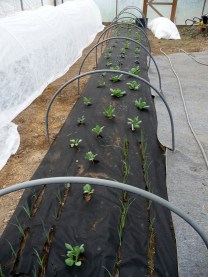
Check out these veggies growing in the hoop house!!

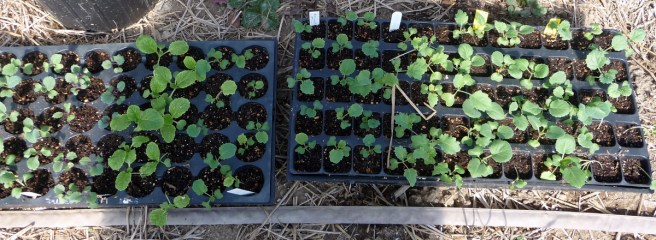
The Cole crops (broccoli, cabbage, cauliflower, Chinese cabbage & collards) were started January 29 and are now ready to plant.

P1040309-001

Gardening is such fun!!

Papa


Warm Weather Winter Gardening!!

It is hard to believe how fast the veggies grow in the warm temperatures this winter!

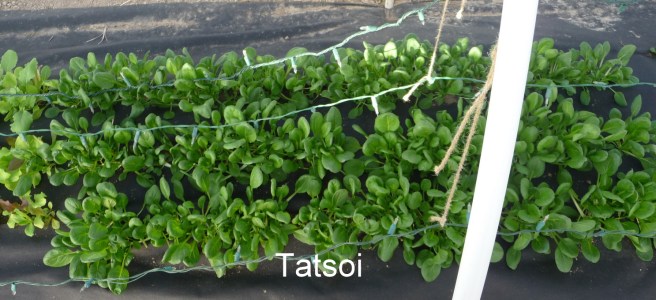
The lettuce, radish, arugula, beets, spinach and Oriental greens seedlings were started November 30th.

The broccoli, cabbage, cauliflower, collard and kale transplants have tripled in size. The color and texture are simply marvelous!

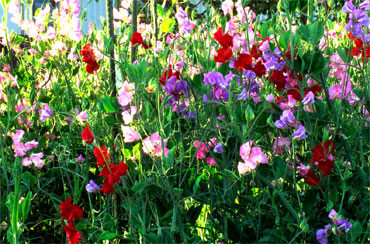
Sweet Peas will be started this weekend and should be ready to pick by late winter/early spring. The transplants will be started in cell packs to be planted by mid-January.

wall-of-sweet-peas

It has been so warm, the rhubarb and strawberries are starting to take off.

You should definitely try your hand at Fall and Winter gardening.

Papa


Papa is Back! Fall and Winter Growing in the Hoop House!

Howdy folks! I am glad to be back. The hoop house is in production for late fall and winter gardening.

P1030984           P1030991

Cabbage, Collards, Broccoli, Kale, Leeks, Lettuce, Oriental Greens, Radishes and Beets have been started and are on the grow. Higher than average temperatures are making the plants grow faster than I expected. Every season is an adventure.

P1030981

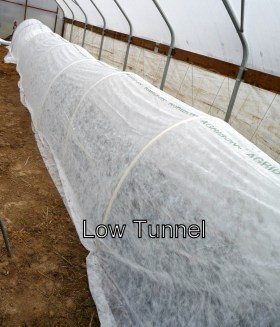
Under the row cover, the environment is like an incubator. Germination is slow but sure. Tasty veggies will soon be on the menu!

Leeks for late winter/early spring harvest. Yum!!

Soon, Sweet peas will be grown on trellises on the northern most bed in the hoop house. Hopefully we will have flowers in late winter/early spring.

Using Christmas lights will supplement the heat needed to speed up production in the hoop house. The lights will be strung from the low tunnel hoops just above the soil and ground cover.

Stay tuned for continued updates.

Papa

For Great Kimchi You Need Chinese Cabbage!

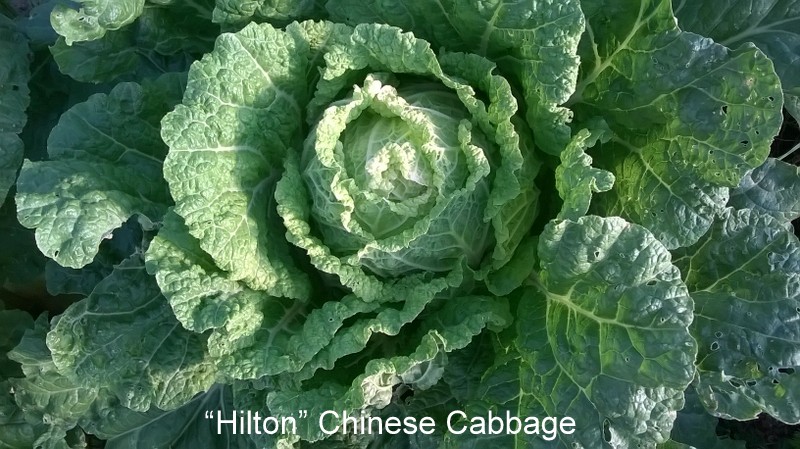
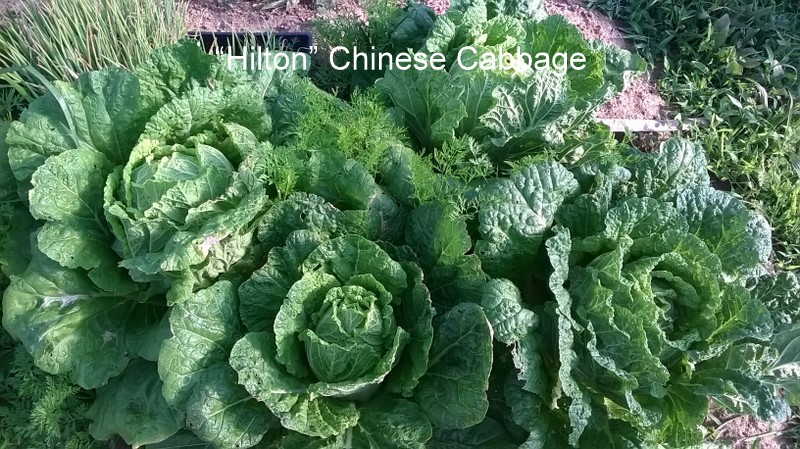
I can hardly wait to make a batch of Kimchi (fermented Chinese cabbage and vegetables). The “Hilton” Chinese cabbage is ready to harvest. A few more ingredients and I’ll be ready to go.

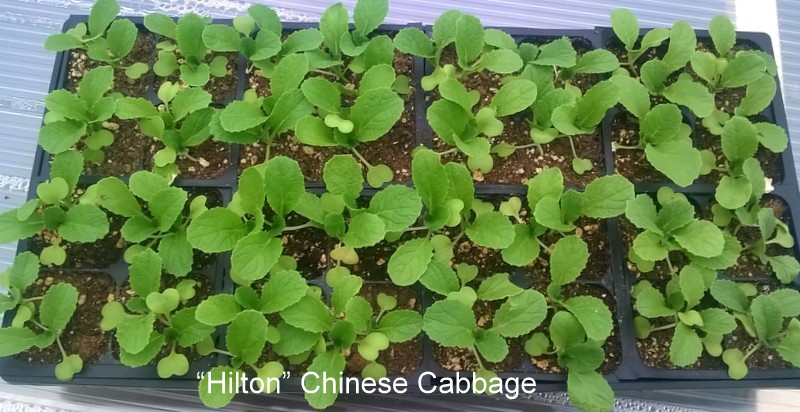
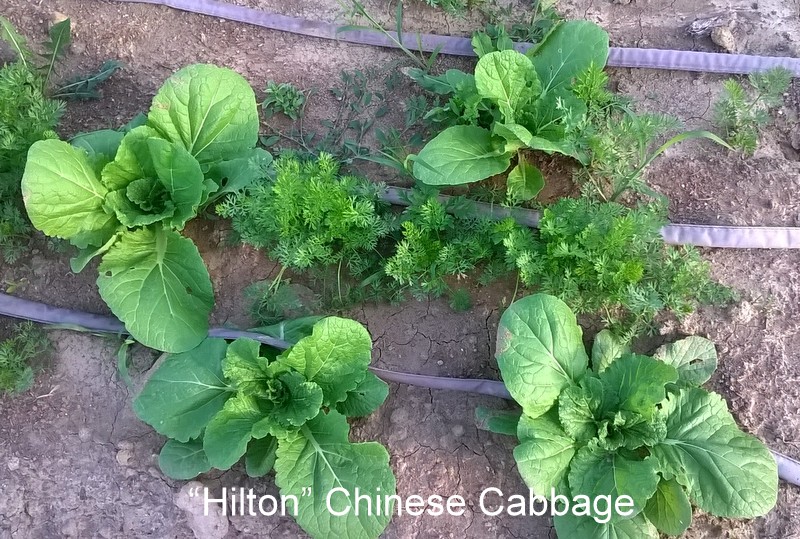
WP_20150612_18_29_28_ProThe seedlings were started in early March.  They were transplanted into the hoop house the first week of April. Look at the results above! This Chinese cabbage is gorgeous!!!

WP_20150408_18_52_03_Pro         WP_20150512_19_06_54_Pro

WP_20150612_18_28_37_Pro

Brassica rapa sub. Pekinensis is the famed Napa cabbage used for stir fry, saute and Kimchi. Kimchi in its varied forms is a favorite of Korean cuisine. This spicy, highly seasoned fermented cabbage is a staple of the Korean diet. Plus, fermented foods are bursting with beneficial bacteria to boost digestive health.

The “Hilton” Chinese cabbage is an open pollinated variety. My observations of this Chinese cabbage indicate a vigorous growth similar to hybrids. It performs well in warm/hot weather. Other open pollinated varieties would have bolted (gone to flower) by now. It is truly a remarkable variety!!

“Hilton” Chinese cabbage may be obtained at Baker Creek Heirloom Seed Company. http://www.rareseeds.com/chinese-cabbage-hilton/

Enjoy!!

Papa

For Milkweed Go Native!!

It is very important that you supply the correct varieties of milkweed for your specific location.

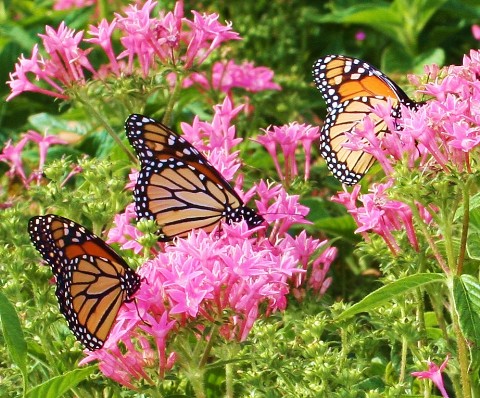
Three-Amazing-Monarchs-on-Milkweed (1)

For instance, I live in the Missouri Ozarks. The recommended varieties are: http://www.xerces.org/wp-content/uploads/2013/07/Milkweeds-of-Central-US_plus-vendors_XercesSociety.pdf

  • Swamp Milkweed (Asclepias incarnata)
  • Common Milkweed (Asclepias syriaca)
  • Butterfly Milkweed (Asclepias tuberosa)
  • Whorled Milkweed (Asclepias verticillata)
  • Green Antelopehorn (Asclepias viridis)
  • Purple Milkweed (Asclepias purpurascens)

Sunset Flower AKA Scarlet Milkweed AKA Tropical Milkweed (Asclepias curassavica) is not recommended for a Monarch butterfly larval plant in North America. Tropical Milkweed is native to South America. It is now becoming an invasive species in the southern states of America. The Monarchs that consume this variety become prey to additional parasites. Subsequently, this variety weakens the larvae and butterfly. Lastly, the Monarchs are not migrating to Mexico because they have a constant supply of the wrong food.

Check out these links for native milkweed in your area:

http://www.xerces.org/wp-content/uploads/2011/03/xerces-nrcs-california-milkweed-guide.pdf

http://www.xerces.org/wp-content/uploads/2011/03/NativeMilkweedsGreatBasin.pdf

http://www.xerces.org/wp-content/uploads/2011/03/SE-Monarch-milkweed-butterfly-host-plant-brochure-final-2012.pdf

http://www.xerces.org/wp-content/uploads/2014/03/Monarch-Butterflies-East-Region.pdf

http://www.xerces.org/wp-content/uploads/2015/03/Monarchs-Milkweeds_Northern_Great_Plains.pdf

Don’t forget nectar producing plants for your Monarchs as well. Some of their favorites include:
Buckwheat (Eriogonum)
Butterfly Bush (Buddleia)
California Lilac (Ceanothus)
Citrus (Citrus)
Coneflower (Echinacea)
Coreopsis (Coreopsis)
Cosmos (Cosmos)
Daisy (Aster and Chrysanthemum)
Dianthus (Dianthus)
Heliotrope (Heliotropium)
Lantana (Lantana)
Marigold (Tagetes)
Milkweed (Asclepias)
Pincushion Flower (Scabiosa)
Rabbit Brush (Chryssothamnus)
Rock Cress (Arabis)
Salvia (Salvia)
Senecio (Senecio)
Star Clusters (Pentas)
Sweet Alyssum (Lobularia)
Verbena (Verbena)
Wall Flower (Erysimum)
Zinnia (Zinnia)

Papa

Got Milkweed? You’ll get Monarchs!!

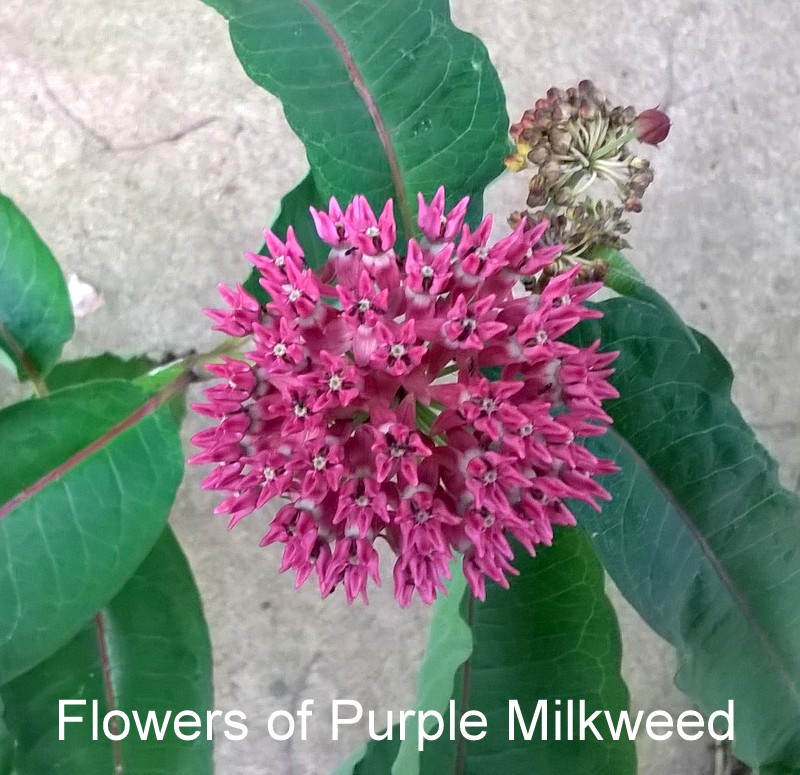
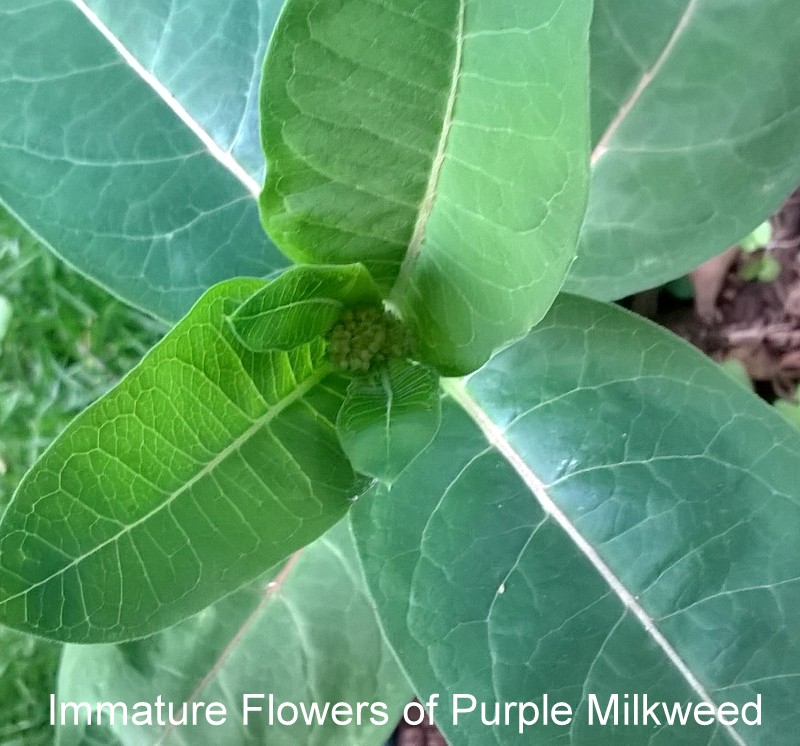
Kathy, a friend at work, dug up three native plants of Milkweed (Asclepias purpurascens) from her farm. They were given to me to transplant on my property. The Purple Milkweed will be used to attract the Monarch butterfly. The plant itself is the larval food for the Monarch. WP_20150601_19_31_48_Pro         WP_20150601_19_32_00_Pro

WP_20150601_19_32_34_Pro

These hardy perennials flower from late May through July. The flowers are adored by many different species of butterflies and moths. I have observed butterflies waiting their turn to enjoy the nectar from these unusual flowers. Monarch numbers are decreasing which makes the planting of milkweed essential. Monarch populations have decreased by 90%. All the more reason to plant milkweed on your property!! Indiscriminate use of herbicide and mowing of roadsides has eliminated much needed plantings of milkweed. A 3′ x 3′ planting of milkweed will go a long way to help the beautiful Monarch butterfly.

Monarch larvae          monarch-butterfly-wallpaper---1920x1200

Monarch on milkweed

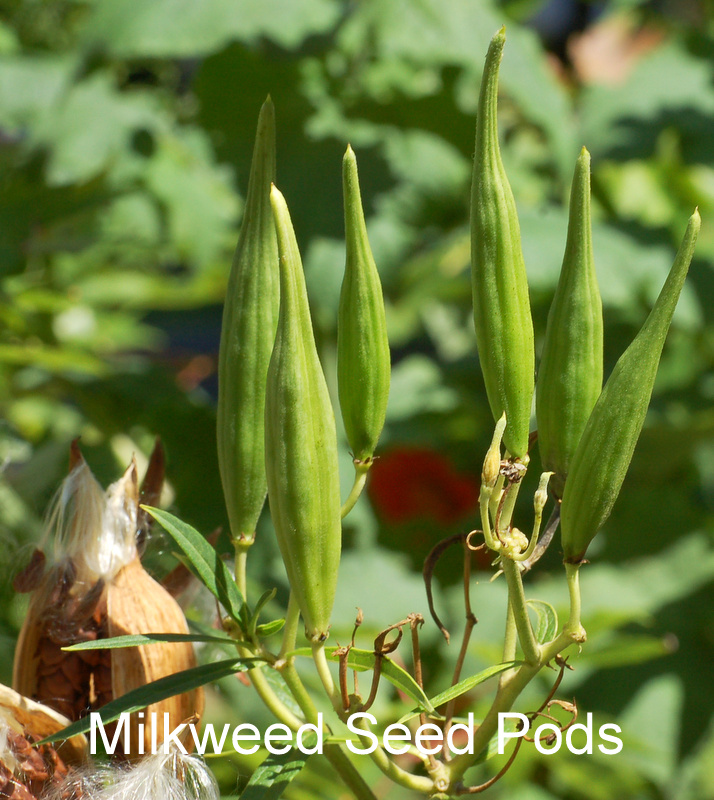
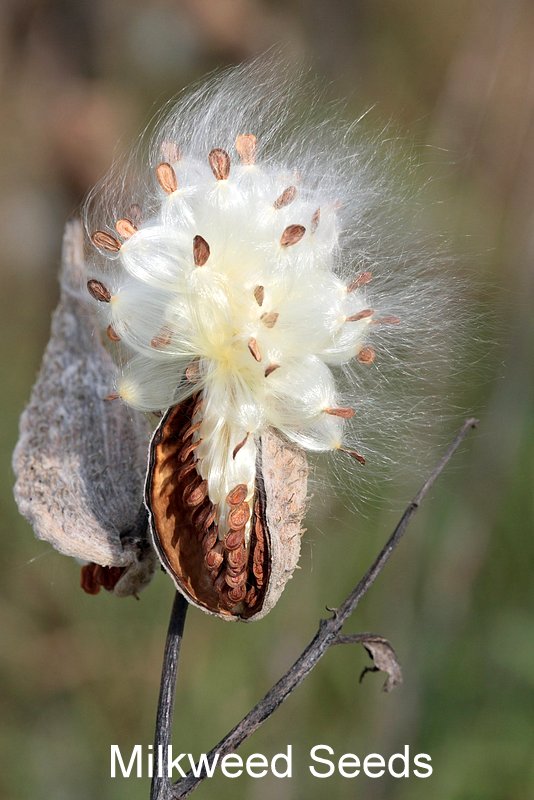
It is wise to collect seeds from your milkweed plants instead of digging them up. Existing plants are established and should be allowed to produce more seed to be released. Nothing could be easier! After the flowers are pollinated, wait for the seed pods to mature and start to open. Cut off a few of the seed pods and place in a paper bag. The seed will fall to the bottom of the bag. Collect the seed and place in a dated, labeled envelope.

Swamp_Milkweed_Asclepias_incarnata_Pods              Swamp_Milkweed_Asclepias_incarnata_'Ice_Ballet'_Open_Pods

Milkweed-in-seed2

Let’s do all we can to insure the protection of the milkweed plant for the survival of the Monarch butterfly!!

To purchase milkweed seed, please check out these links:

http://www.rareseeds.com/milkweed-butterfly-weed/

http://www.rareseeds.com/milkweed-mexican-whorled/

http://www.rareseeds.com/milkweed-red-or-swamp/

Papa