Question: From – momstheword11
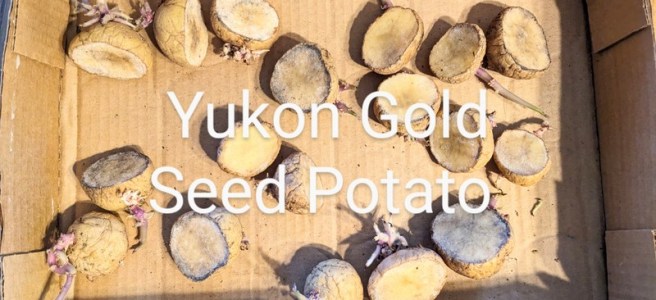
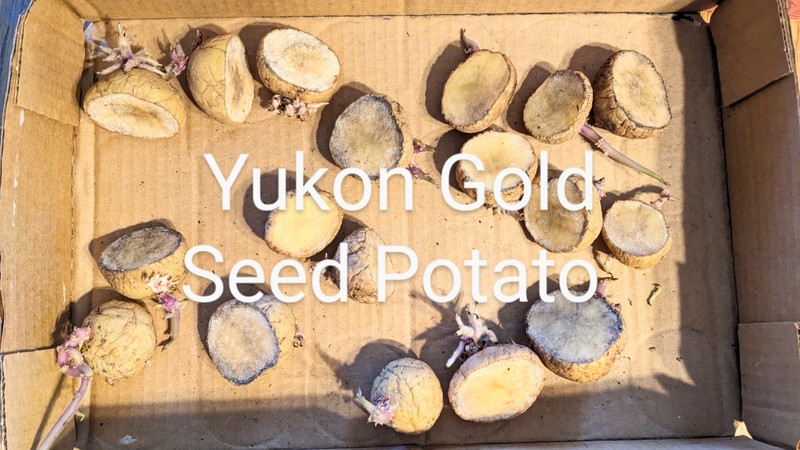
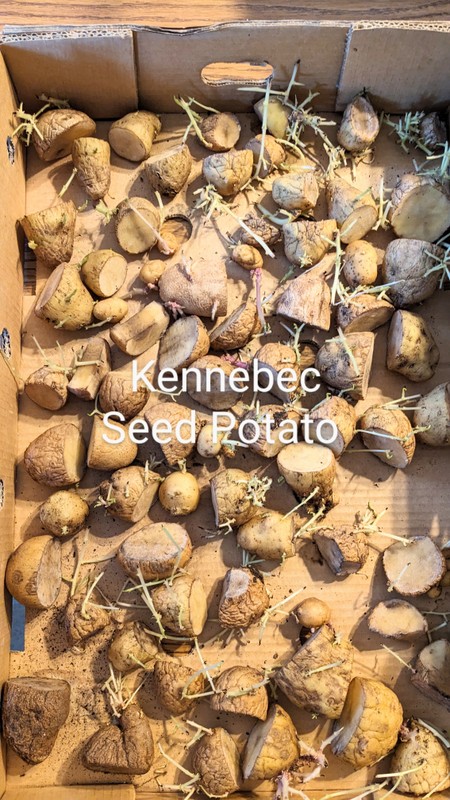
Can anyone tell me please if there is an advantage to not planting them until the cut sides are dry? I heard that it helps to let the cut sides dry? Thanks.

Answer: From Papa


Question: From – momstheword11
Can anyone tell me please if there is an advantage to not planting them until the cut sides are dry? I heard that it helps to let the cut sides dry? Thanks.

Answer: From Papa


Have you saved seed from your vegetable garden or traded for seed during a seed swap? Have you provided space for them in your spring garden?
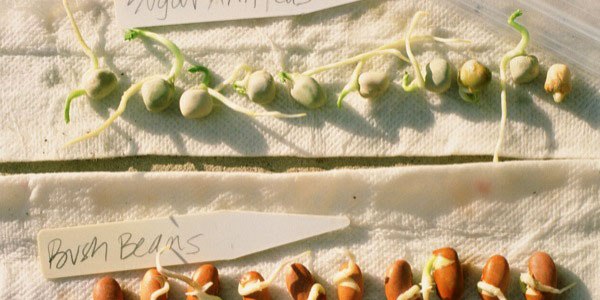
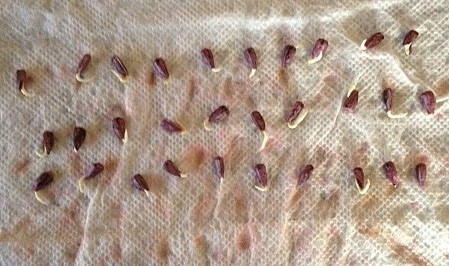
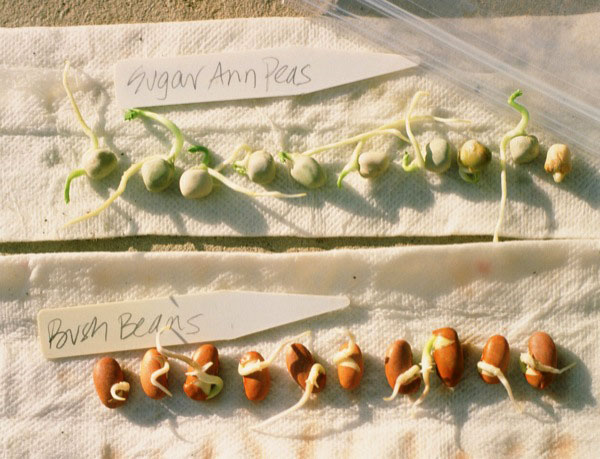
Here’s a tip worth your consideration. Find those seeds and start germination testing. Why? Germination of 50% or below should send you to your 2016 seed catalogs for replacements. Doing this now insures you will find the replacements available instead of “out of stock”.

Save time and money as a low germination rate will require double the seed sown for an expected yield.
An easy technique for germination:

Any questions? Do not hesitate to contact me!!
Papa
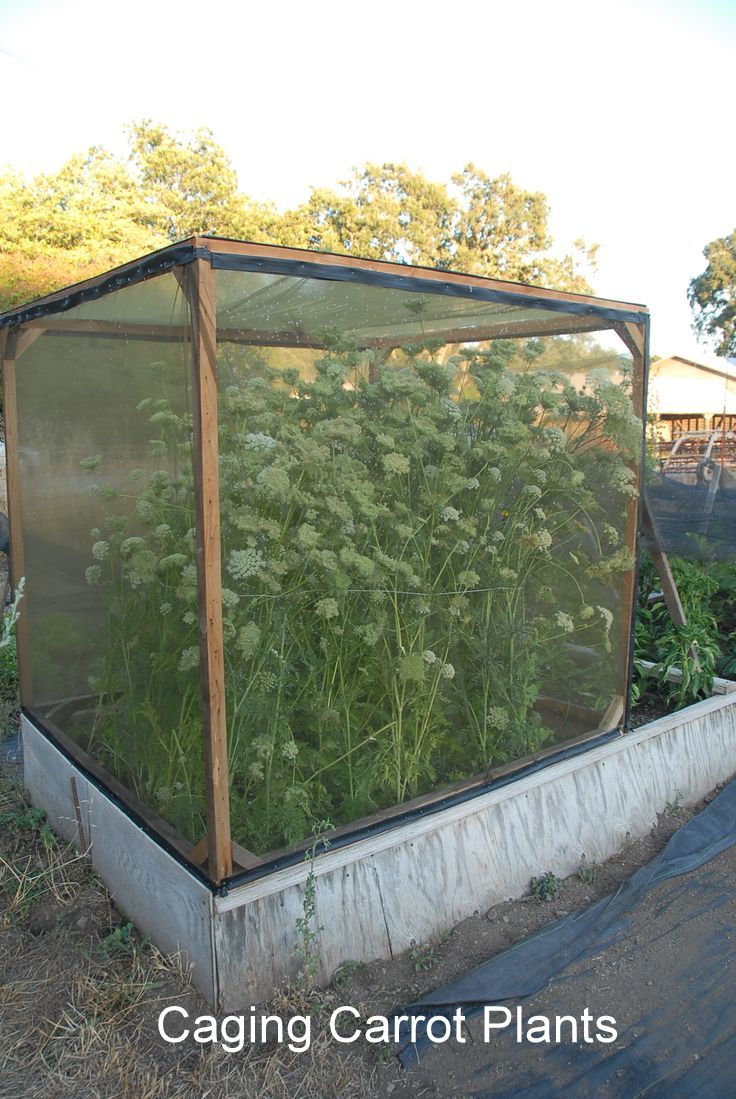
Many people are intimidated to harvest tomato seed. Nothing could be easier!! Select fruit from a desired variety that you have maintained by proper isolation distance or caging. Keep the varieties separate and labeled to eliminate the possibility of mixing seed varieties.
Harvest when fruit is fully colored and ripe. Tomatoes may be individually harvested as they ripen. It is not required for seed fruit to be harvested all at one time.
Make sure you harvest fruit that comes from healthy plants and fruit (disease free).
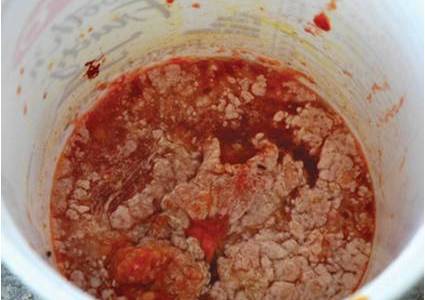
Fermentation of tomato seed is required prior to drying. Fermentation removes the gel coat around each seed. The gel coat may inhibit germination.
Let’s get started!
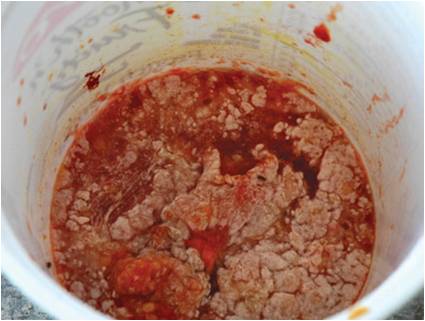
Cut tomato in half or quarter and crush tomato fruit into a jar or bowl. Add a small amount of water to the pulp.
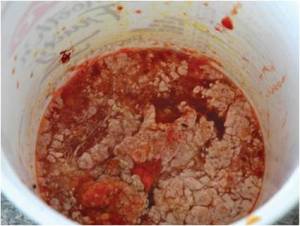
Allow pulp to ferment for 2-4 days (2 days if 80°-95° (F), 4 days if below 80° (F)). The fermentation process loosens the jelly around the seed. The jelly contains compounds that inhibit germination.
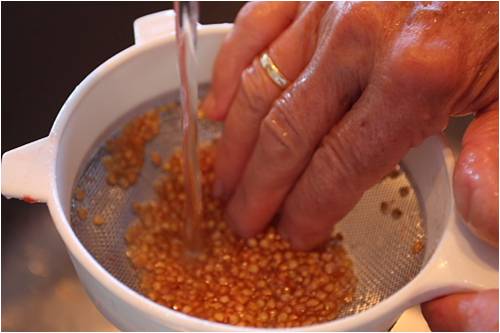
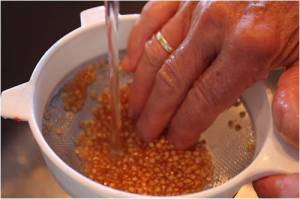
Add water to the fermented pulp and agitate. Viable seed will stay on the bottom while the fermented material and bad seed will float to the top. Strain mixture to remove the pulp and fermented material.
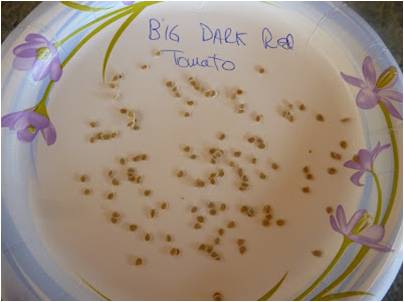
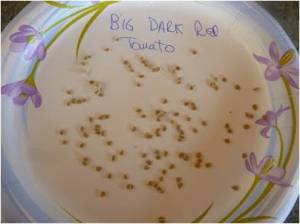
Place the moist seeds on a labeled and dated paper plate and allow to dry for 2 weeks. Paper towels, unbleached coffee filters or framed fine screens will work as well.
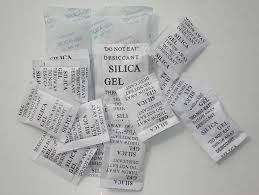
Scrape seed off of the paper plate and place in a labeled paper envelope (place envelope in a freezer zip lock bag) or small glass jar with a desiccant*. Place saved seed in a cool, dark and dry place or your freezer. If properly stored the seed will last 4 to 6 years.
Saving tomato seed is easily accomplished and low tech. Plus, the saved seed will last for many years. The following year try other varieties as the current years seed will be viable for up to six years!! This will be your one-of-a-kind tomato seed collection.
Papa
There is no more popular vegetable (fruit) than the tomato. The seed is easy to save and well worth the effort!!
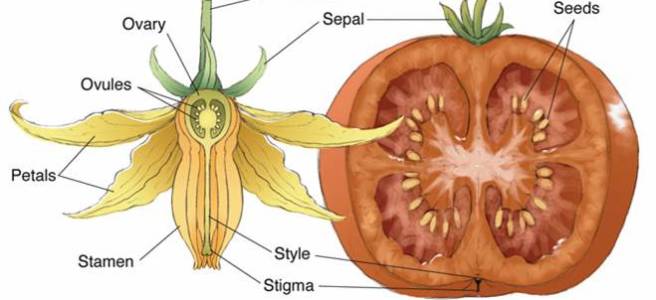
There are steps to follow when saving tomato seed. Tomatoes are self pollinating therefore you need to recognize the flower types for successful seed saving.
Inserted stigma: the female part of the flower is encased inside the anther cone in the center of the flower.


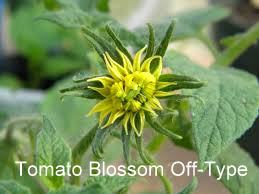
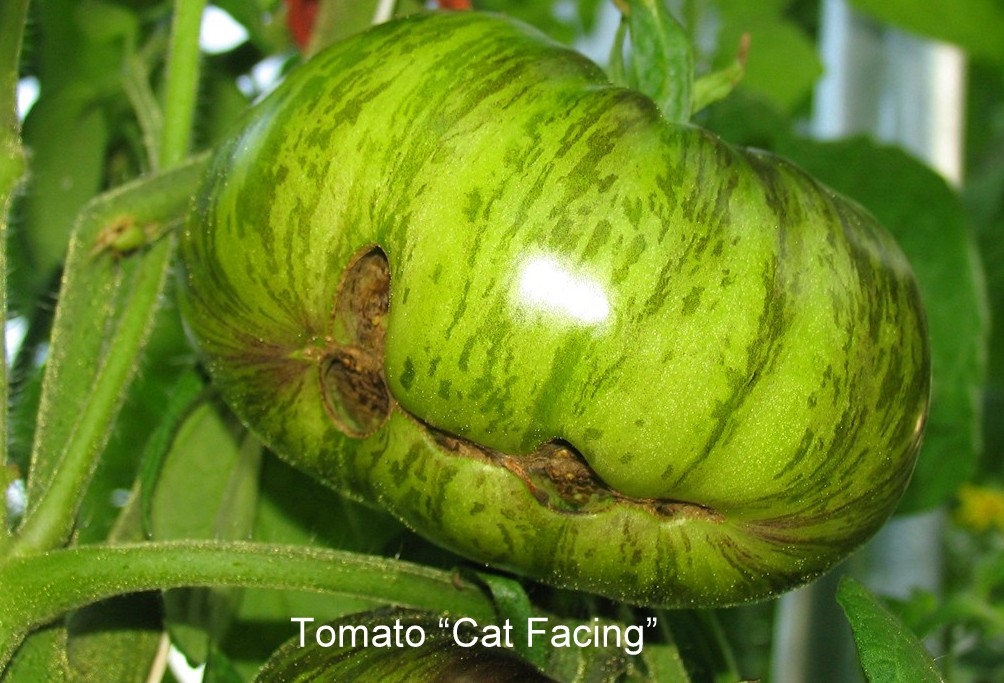
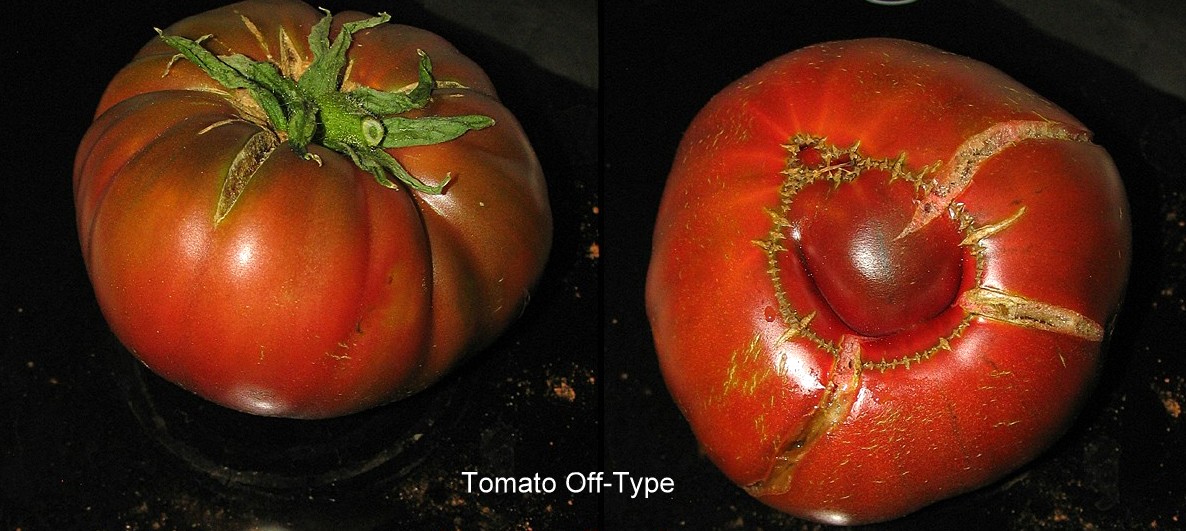
To insure the quality of seed, never save seed from the first cluster of tomatoes as they are off-type and not a true representation of the tomato you desire for seed saving. Usually you will notice your first tomatoes are much larger, misshaped, cat-faced (puckered seam on the blossom end), more prone to rotting and disease, the shoulders of the fruit tend to be hard, green and prone to cracking and slower to mature. You should reject this fruiting because they are not representative of the variety. Only save seed from the second through the fifth cluster. As the tomato plant continues to produce blossom clusters after the fifth cluster, you will notice the fruiting is producing a pointed blossom end (with the exception of Roma-type and Oxheart tomatoes). Again, you do not want to collect seeds from this tomato shape as it is off-type.
Papa
As heirloom vegetables, herbs and flowers are losing ground by an estimated 10,000 a year, seed saving has become a race for time and the home gardener has a place in this race.
I met a man in the Baker Creek Heirloom Seed store who lost his personal family heirloom seed in a house fire. He was saddened he could not replace those beloved seeds. All the more reason to embrace the heirlooms we can grow and make them our own.
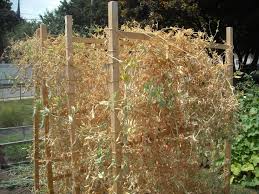
The beginning seed saver will have great success when saving seed harvested from vegetables where seeds mature and dry on the plant. The distance required between varieties is ten (10) feet therefore the possibility for cross pollination is very slight.
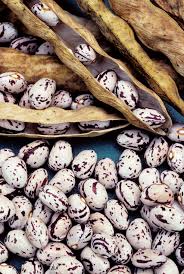
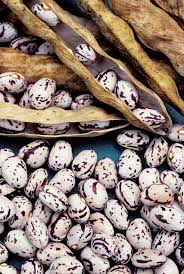
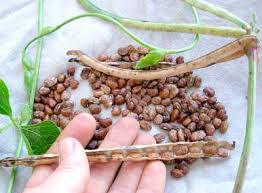
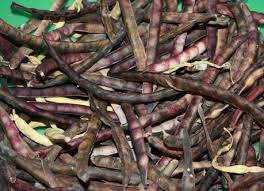
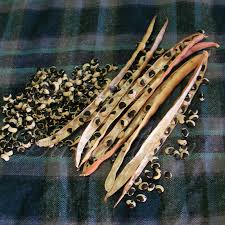
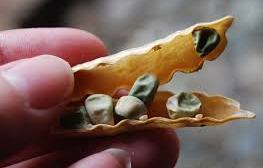
Beans (green, dry/fresh shell out beans, lima beans, long beans, soybeans, tepary beans, Asian winged beans, runner beans, fava beans), cowpeas/southern peas (Crowder, black-eyed, purple hull, field peas) and peas (garden, snow and sugar snap peas) are the simplest seeds to save!!


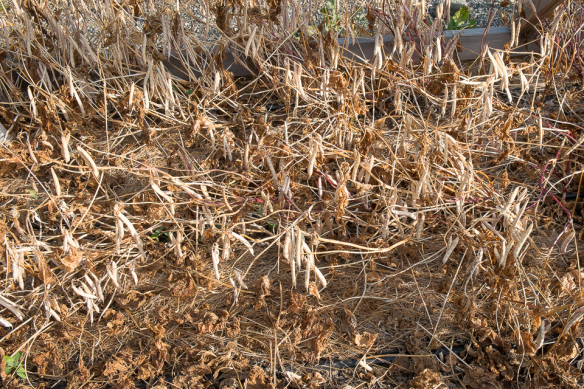
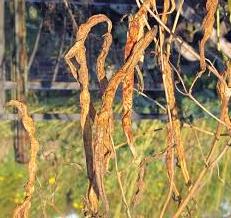
Remember only harvest dried seed pods from disease-free plants. Dried seed from diseased plants will infect healthy seed and may cause crop failure in future gardening projects.
Tomatoes need a special process prior to drying. Stay tuned to learn the how-to’s.
Papa
Why Use Isolation Techniques for Saving Seed?
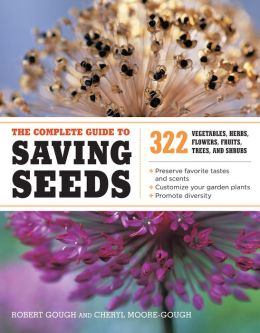
Here are two excellent publications for more in-depth information regarding seed saving!
Please contact me for any question or observation you have regarding seed saving!
Papa
Start with an easy crop. Consider annual crops that mature in one season.


These two publications have been helpful to me and I’m sure they will help you as well!
The terms isolation and population will be my next discussion. Stay tuned!
Papa
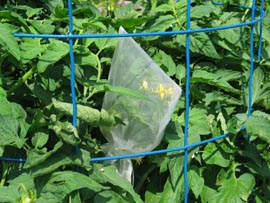
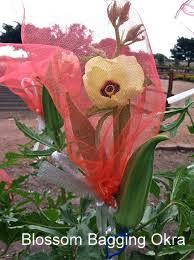
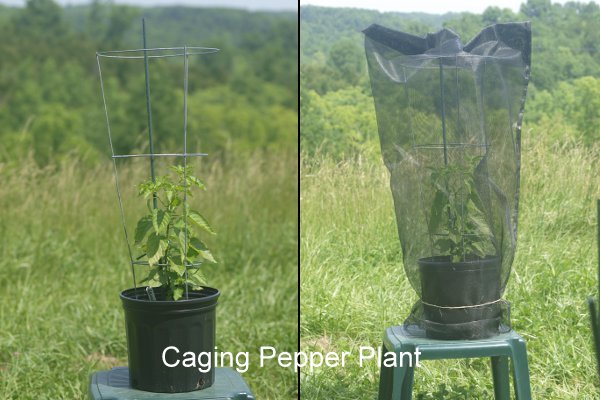
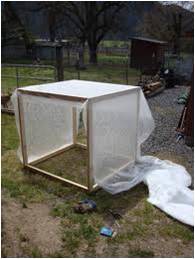
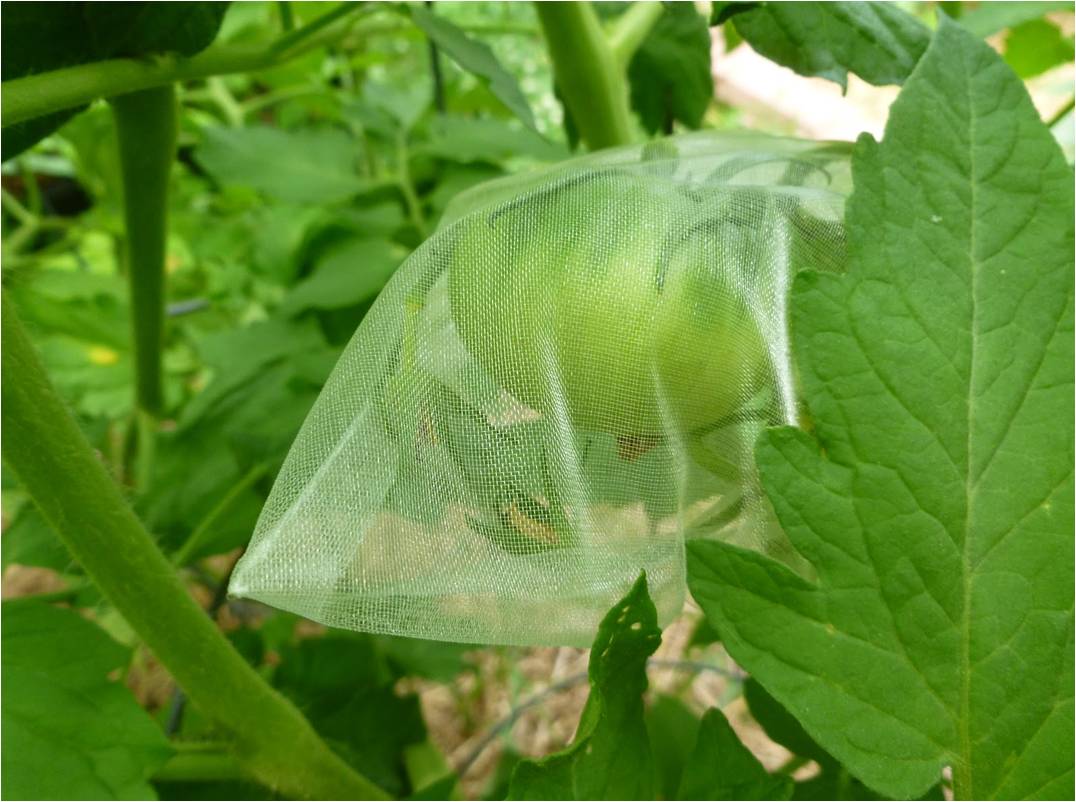
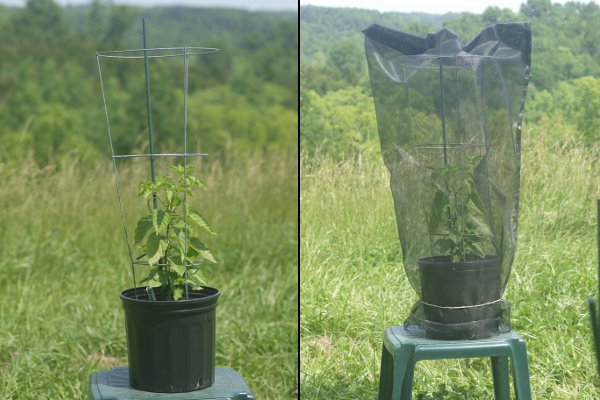
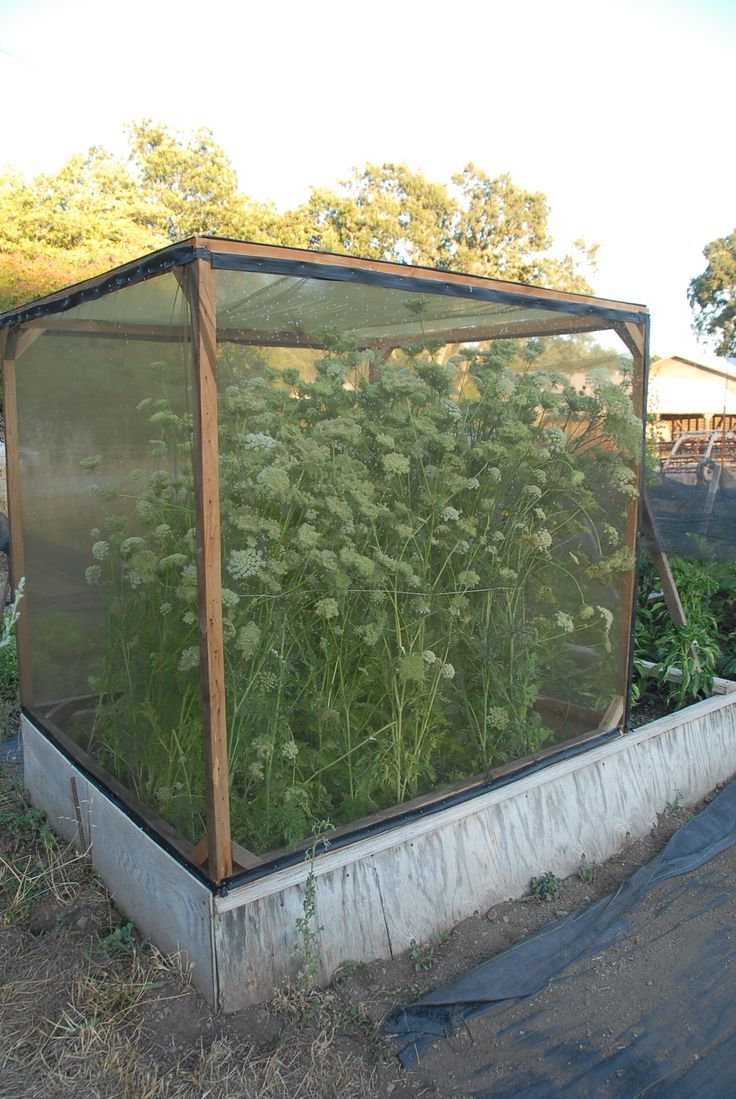
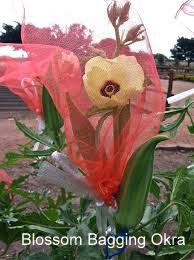
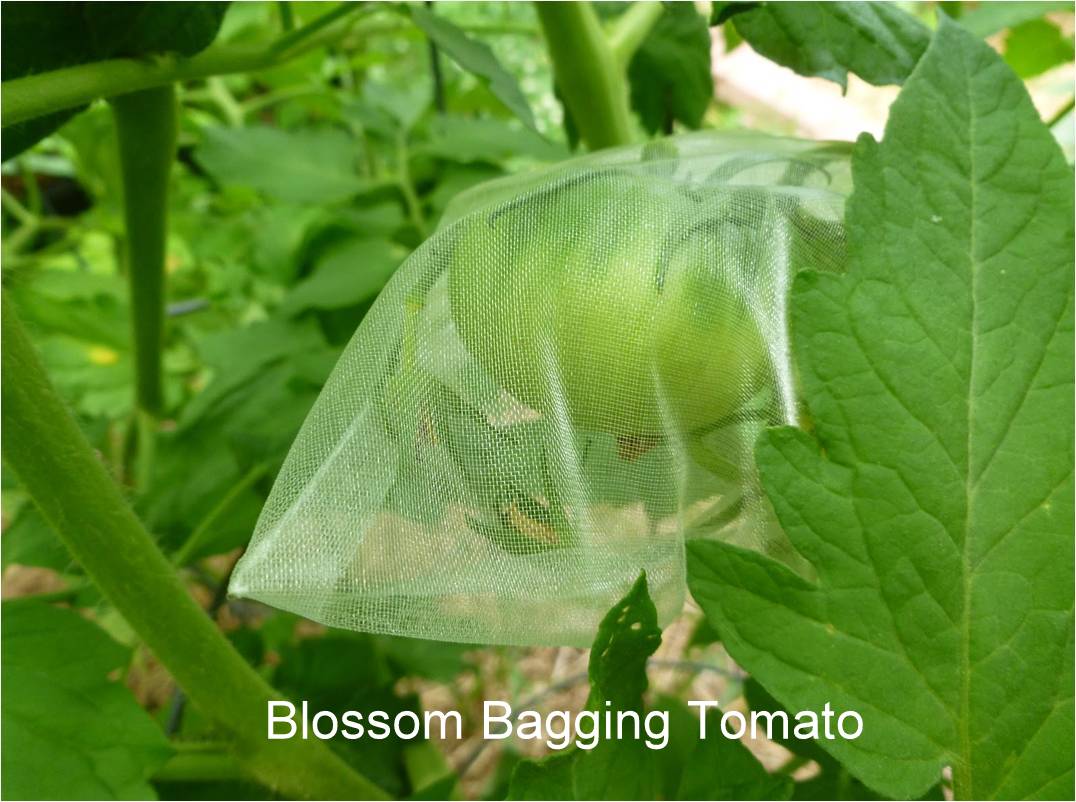
Nathan writes, “Why do you need to put bags on your veggies if you want to get their seeds?”
Great question!
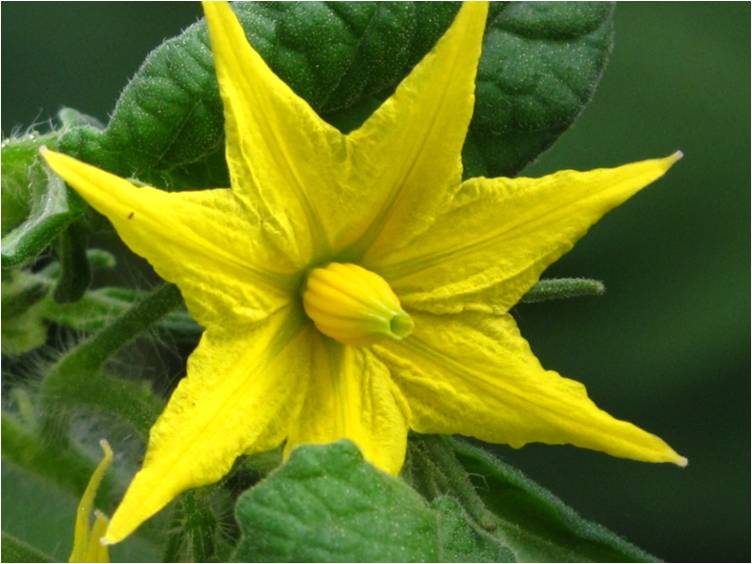
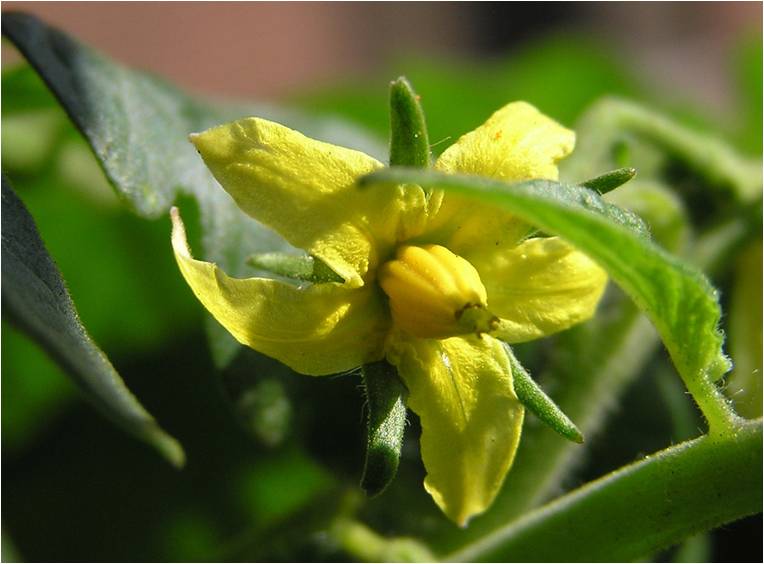
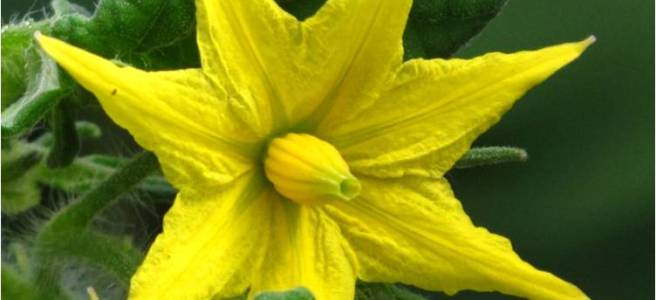
You will notice in this picture a small hole in the tapered tube (corolla tube) in the center of the flower. The stigma (the female receptive part of the flower) is inside that small hole. The stigma is protected in the corolla tube which makes it unlikely that the flower will be cross pollinated.


And to all a good night!!
Papa
Can a backyard gardener save their own vegetable, herb and flower seed? Absolutely!
Saving your own heirloom seed is fun and rewarding. Only open pollinated, heirloom seed has the ability to reproduce itself. Who is better to trust saving seed but yourself. Think of the accomplishment!
What are your favorite vegetables, herbs and flowers? Focus on those varieties that bring back fond memories. Make a goal to start small and add more varieties when you are comfortable doing so.
I hope this is more clearly understood. It is absolutely essential to grasp these concepts!
Papa
There is no more popular vegetable than the tomato. The seed is easy to save and well worth while!
–Inserted stigma: the female part of the flower is encased inside the anther cone in the center of the flower.
-10 – 20 feet between varieties
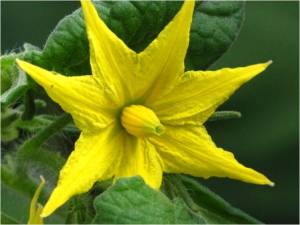
–Most tomato varieties have this blossom structure.
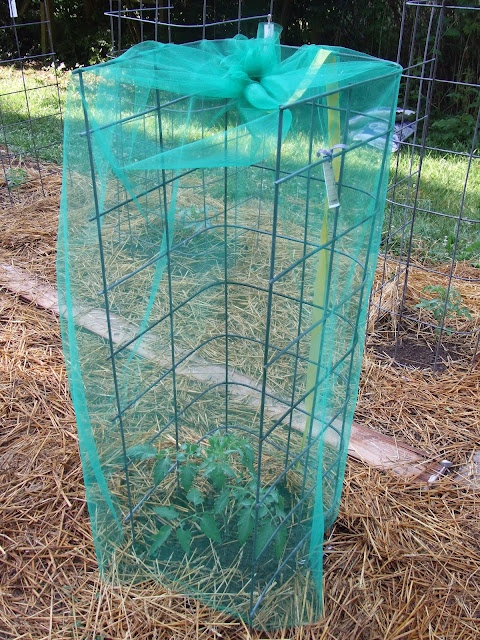
–Blossom bag around cluster if garden is small and isolation distances cannot be met.
–10 plants for sufficient seed quantities
–Seeds are viable 4 – 6 years
–Exposed stigma: the female part of the flower is outside the anther cone in the center of the flower.
-20 – 50 feet between varieties
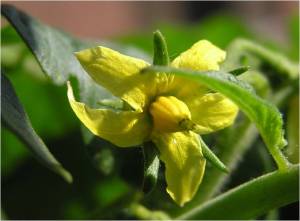
–Potato leaf and black/purple varieties have this blossom structure.
–Blossom bag around cluster if garden is small and isolation distances cannot be met.
–10 plants for sufficient seed quantities
–Seeds are viable 4 – 6 years
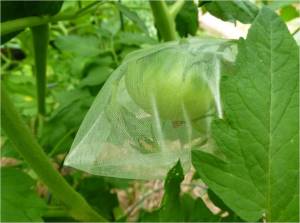
Harvest when fruit is fully colored and ripe. Make sure you harvest fruit that comes from healthy plants and fruit (disease free).
Fermentation of tomato seed is required prior to drying. Fermentation removes the gel coat around each seed. The gel coat may inhibit germination.
Crush tomato fruit into a jar or bowl. Add a small amount of water to the pulp.
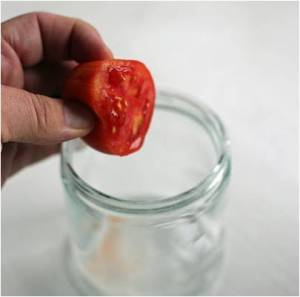
Allow pulp to ferment for 2-4 days (2 days if 80°-95° (F), 4 days if below 80° (F)).
Strain mixture to remove the pulp and fermented material.
Place the moist seeds on a labeled paper plate and allow to dry for 2 weeks.
Scrape seed off of the paper plate and place in a labeled paper envelope (place envelope in a freezer zip lock bag) or small glass jar. Place saved seed in a cool, dark and dry place or your freezer.
Saving tomato seed is easily accomplished and low tech. Plus, the saved seed will last for many years.
Papa