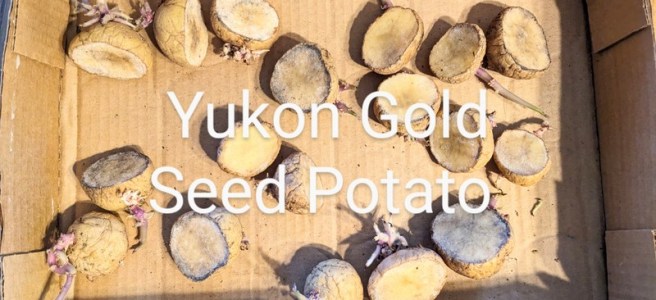
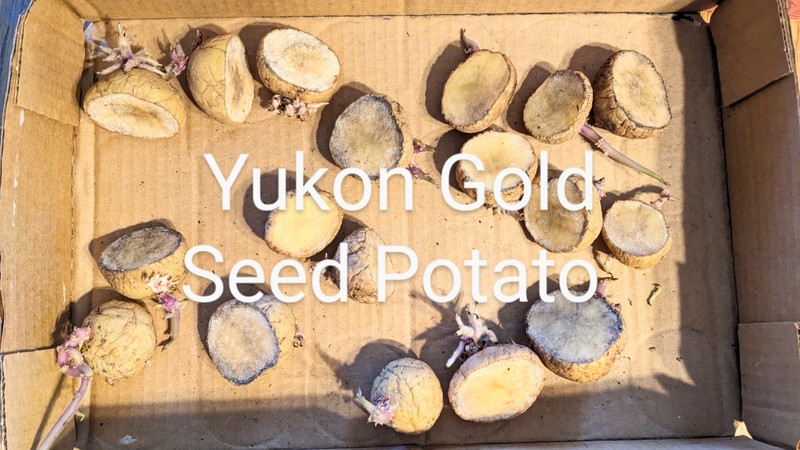
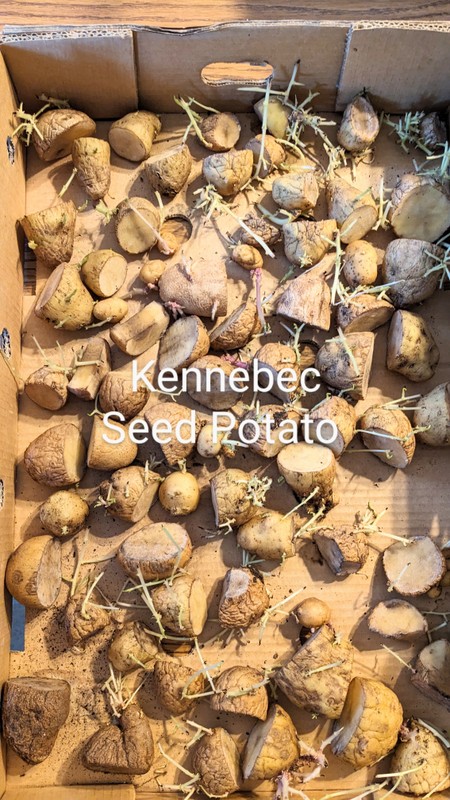
Can anyone tell me please if there is an advantage to not planting them until the cut sides are dry? I heard that it helps to let the cut sides dry? Thanks.
Answer: From Papa
The advantage to waiting for cut seed potatoes to heal, is to discourage disease and mold from infecting the cuttings. Plus, I recommend you sterilize the knife you use to make your cuttings to reduce the chance for disease!
Nine years ago I did a video on YouTube with my grandkids! It is amazing the interest this presentation has garnered.
Spring is early this year. Let’s get busy! You see what’s going on in the grocery stores and supermarkets. All the more reason to start and maintain a vegetable, herb, and flower garden!
I apologize for the time away. Let’s not look back, but forward. I’m ready, when you are!
The groundhog did not see his shadow. So, we have an early spring.
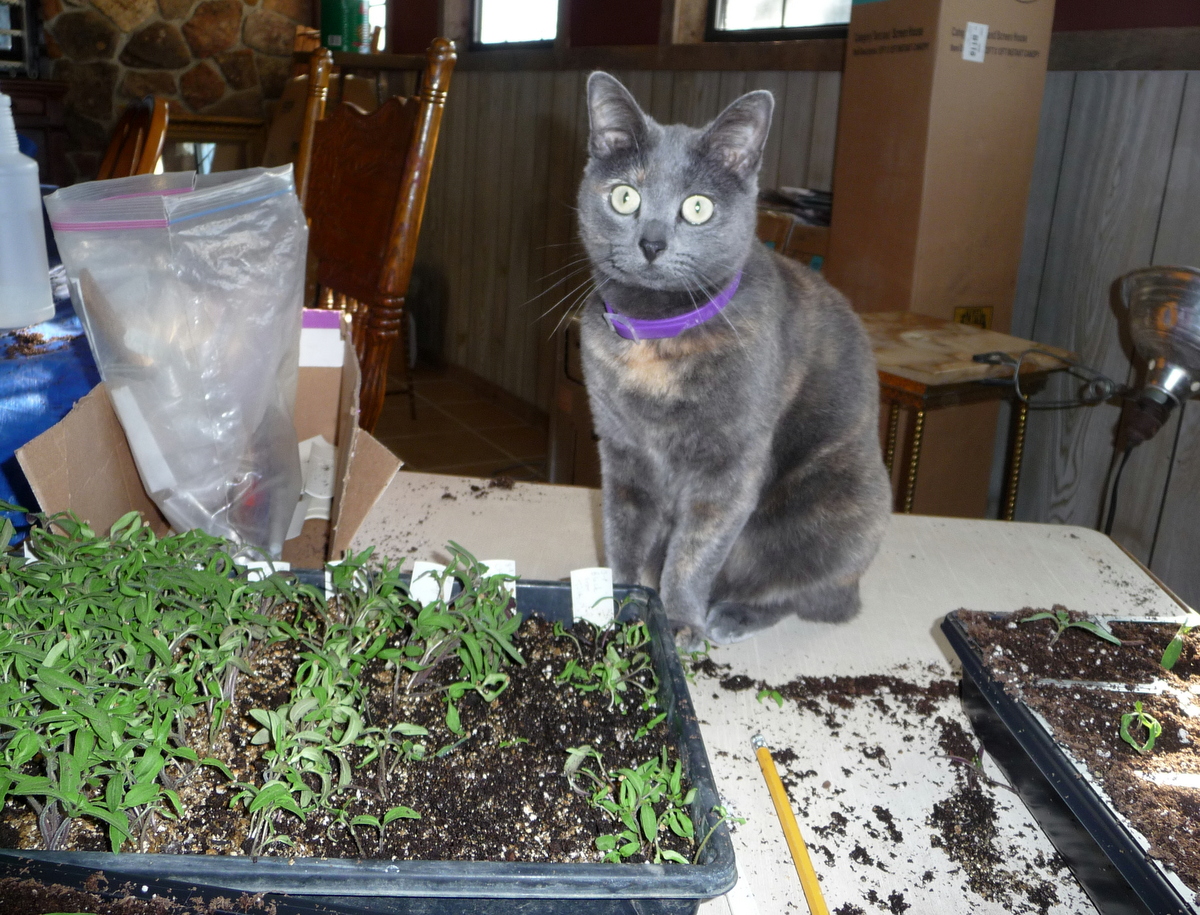
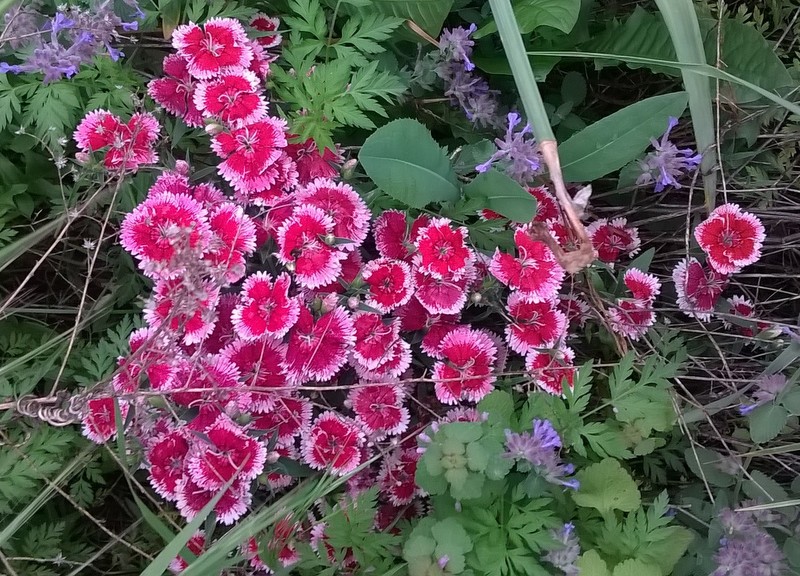
I have started some of my spring flower and vegetable seeds (with the help of Miss Kitty). Let’s see; broccoli, cabbage, cauliflower, and kale for the veggies and bachelor buttons, calendula, dianthus (pinks), hollyhocks, Johnny Jump-Up, Painted Tongue, Zebrina (hibiscus) and pansies for the flowers.
We’re going to be seeing these beauties in the near future. I can’t wait and I’m getting impatient!
What Will Be Your Next Step
Do you have areas marked out for planting? Have you bought your garden seeds and plants? How about your additional supplies? Garden lime, fertilizer, row covers, potting soil, pots, trays, trowels, shovels, etc. will be needed to make your garden a success.
As soon as the ground can be worked, bring in the hoe, rake, tractor and/or rototiller. This is going to take physical effort, so please pace yourselves. By the way, don’t forget your post hole digger, fence posts, and garden wire. The critters will soon be active.
A Quiz for You to Ponder
What are your favorite flowers and vegetables? Do you have a particular tomato that you cannot live without? Almost forgot the herbs! My favorite is Sweet Marjoram. I love the aroma, it is calming to me. Do you know about sweet marjoram flowers? Many of the pollinators are parasitic and parasitoid wasps, which are key at destroying many types of caterpillars.
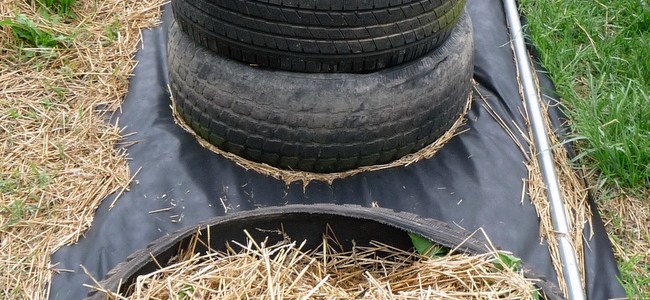
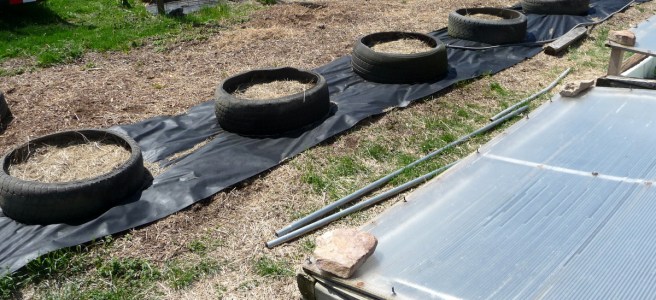
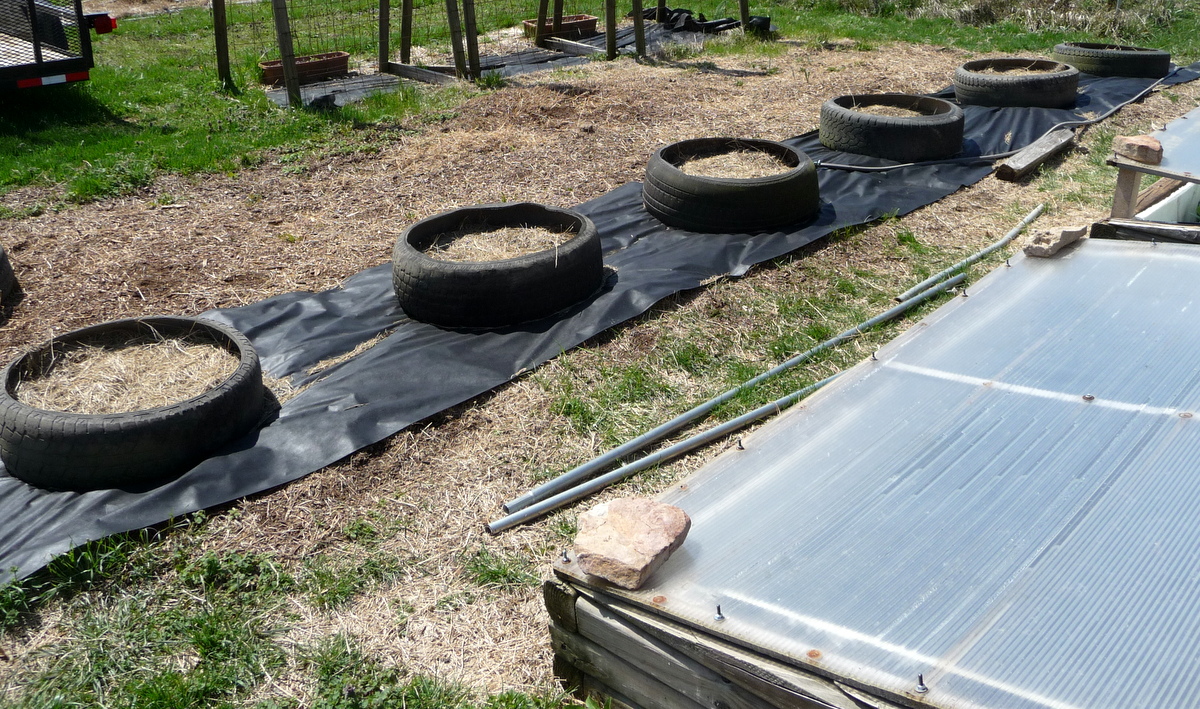
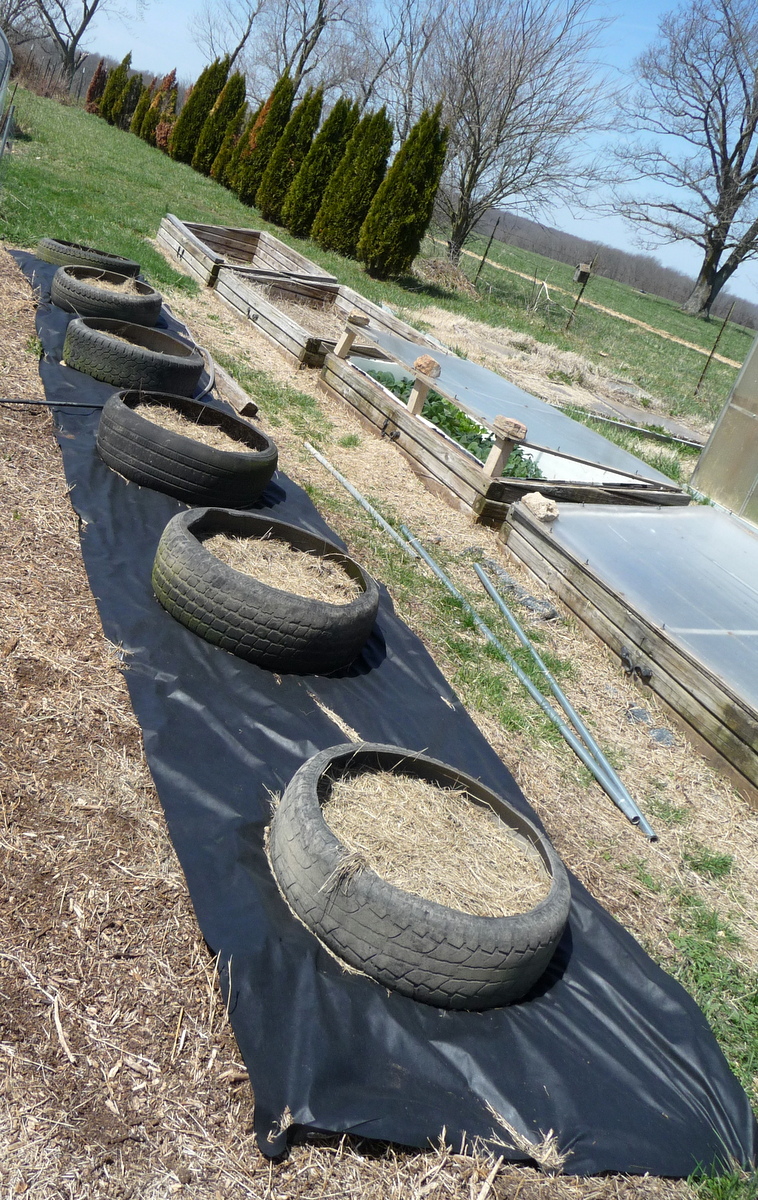
When my son Nathan was here, we planted potatoes in used tires with the sidewalls cut out. Three tires were planted with Red Norland and three tires were planted with Yukon Gold.
We have an issue with standing water from time to time. Piles of composted tree trimmings were leveled out and covered with weed cloth. The tires were placed and the bottoms were filled with sand. The hardened off potato cuttings were placed in the bottom of each tire on top of the sand. Compost mixed with soil was placed on top of the cuttings to cover the cuttings. Subsequently, composted grass cutting were placed on top.
I will keep you posted on the continuing results of this Spring project.
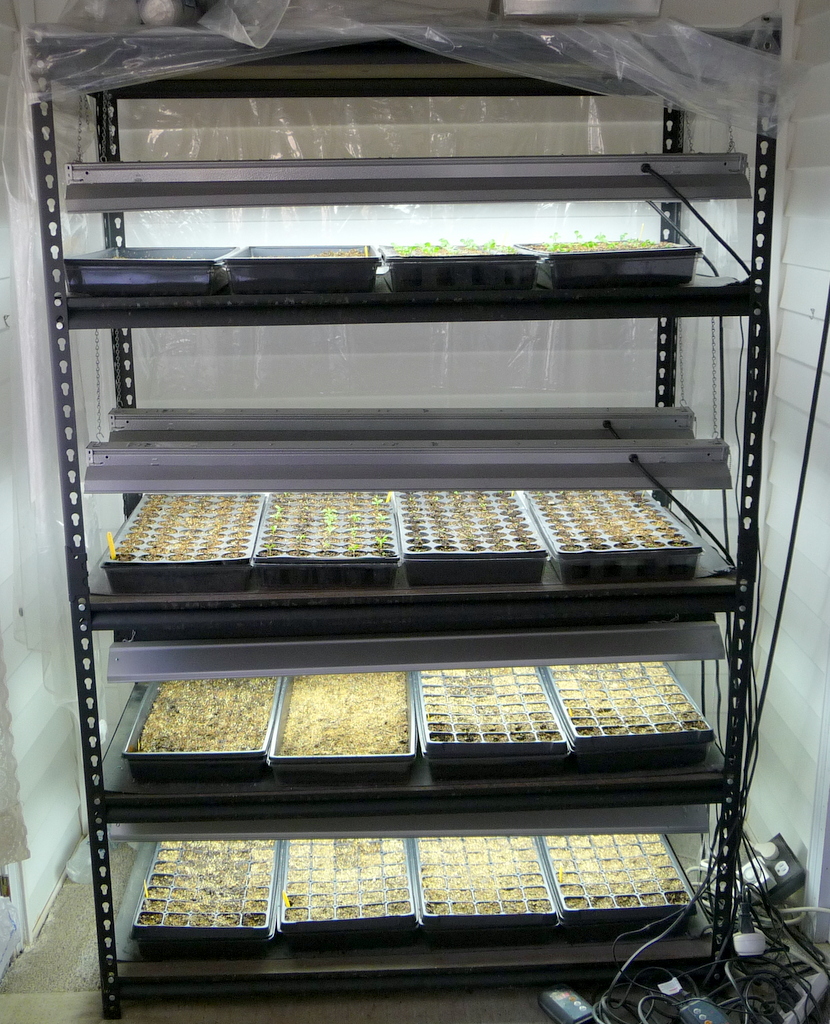
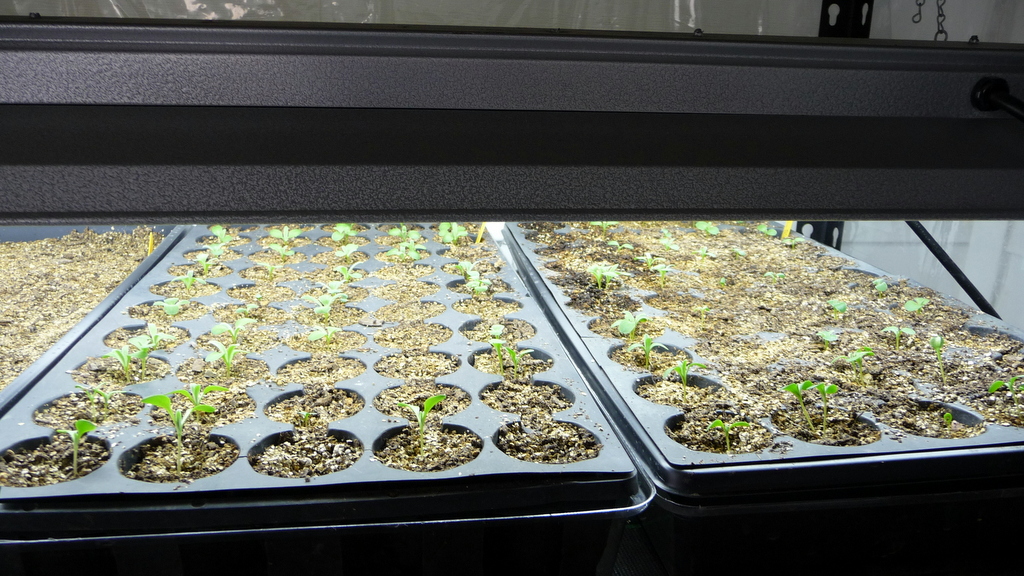
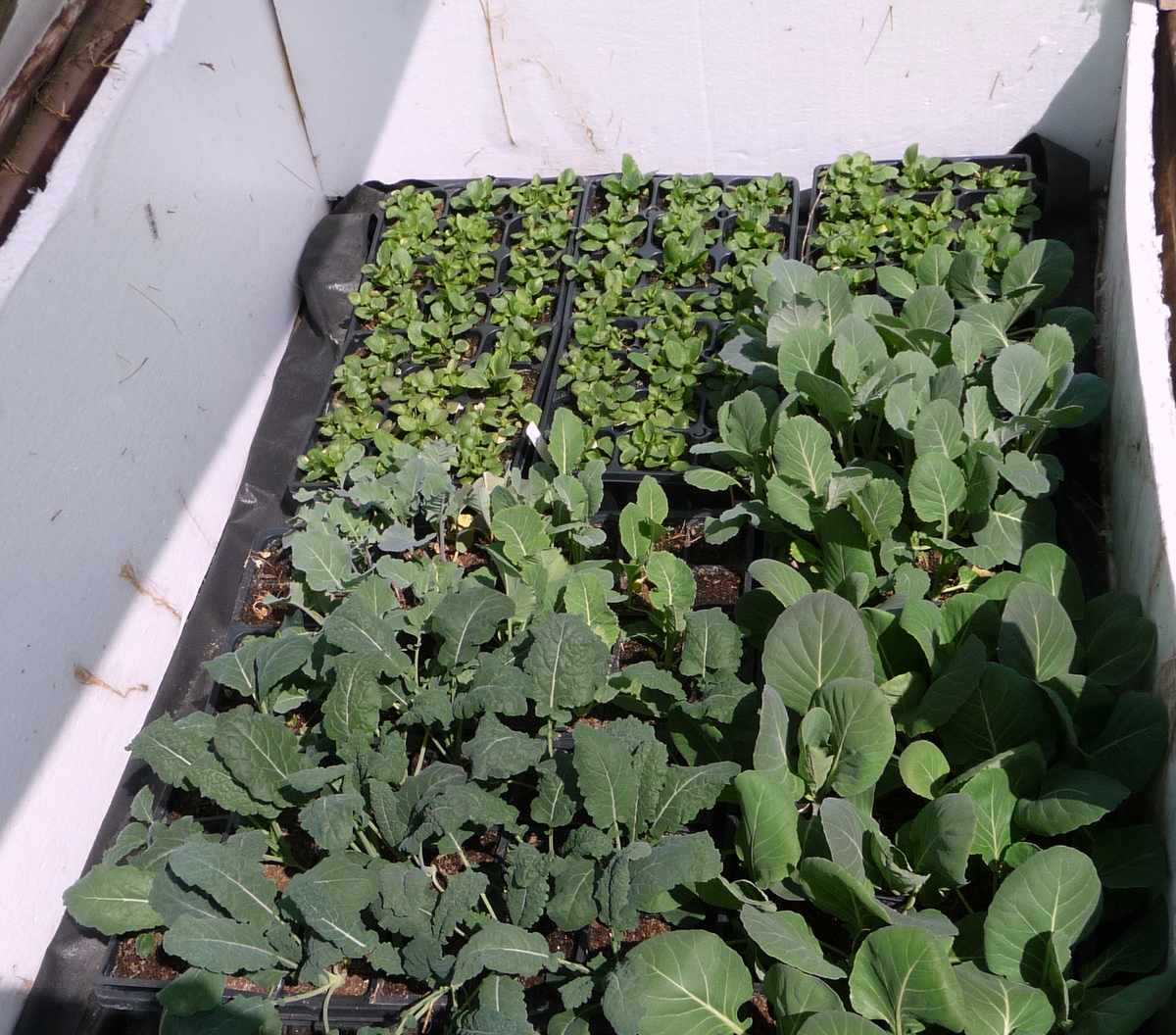
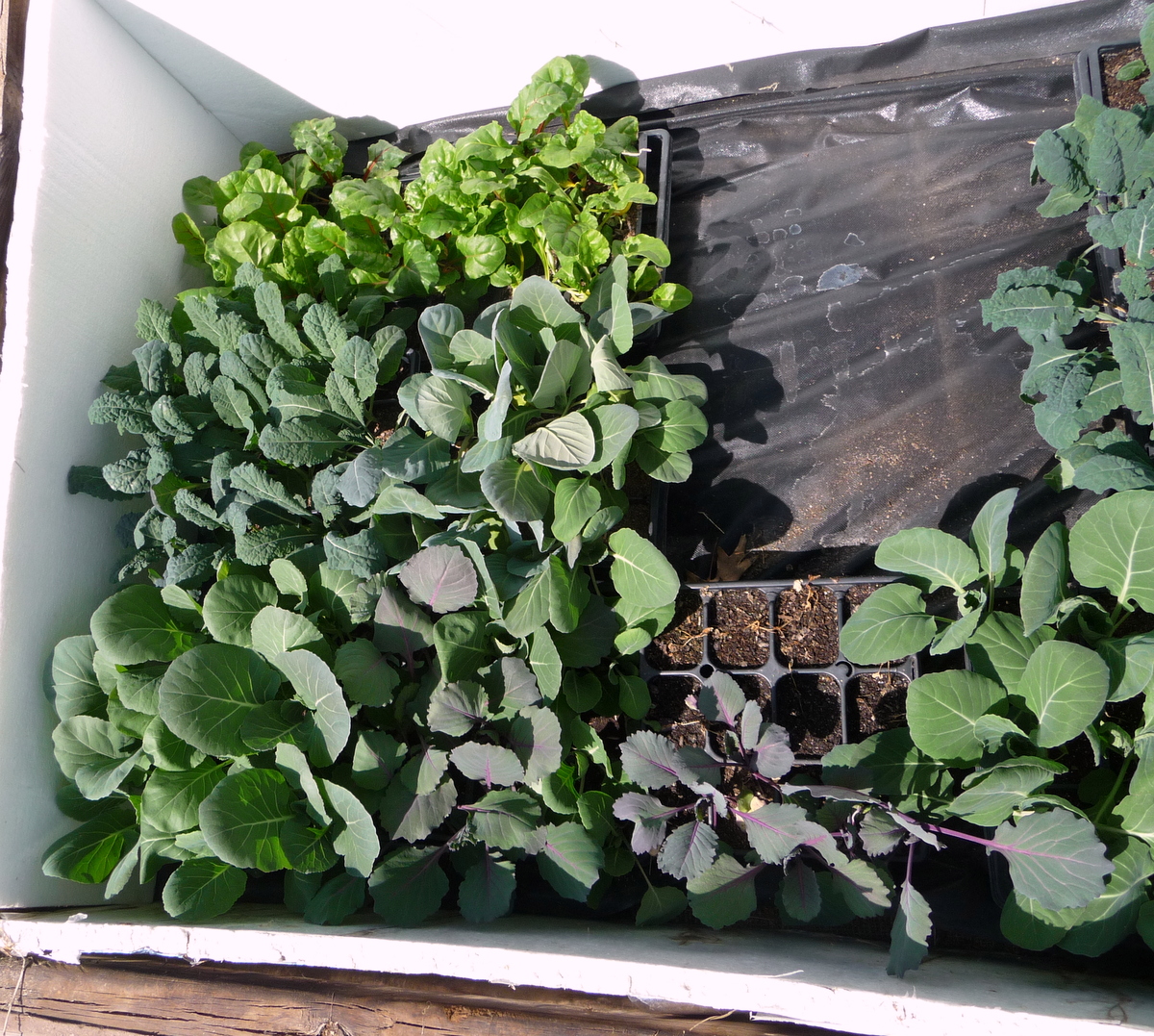
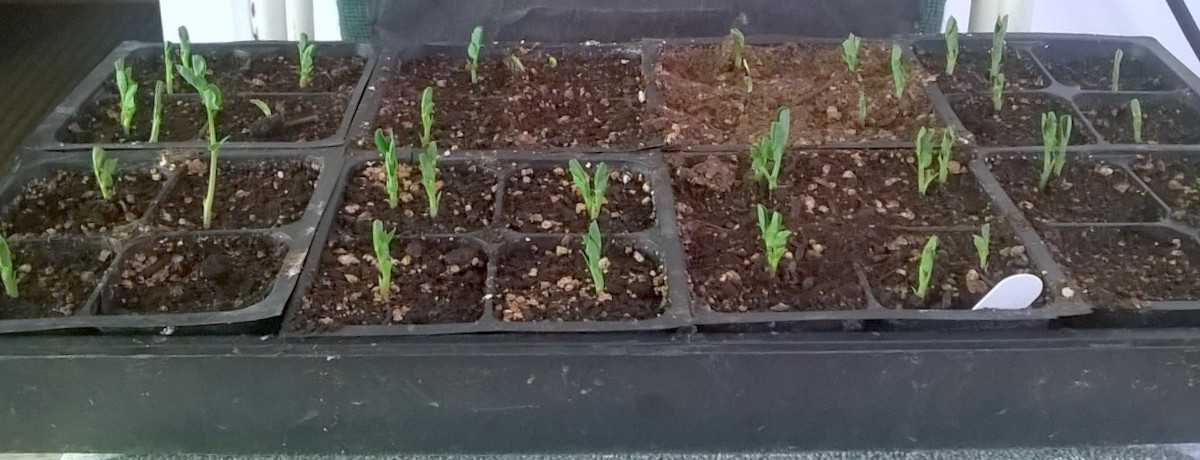
Cole crops, Swiss Chard and pansies (started in January) were started in early February using heat mats and LED lights. (BTW, Cole crops are veggies like broccoli, cabbage, cauliflower, kale and the like). Mid March the transplants went out to the cold frame. Subsequently, most of the plants took off like a rocket!
The cold frames are made of landscape timbers, lined with one inch foam board. Weed cloth is placed on the ground bottom and the top is hinged 1/4 inch poly carbonate panels.
I use bricks to prop open the top panels when weather allows. All of the crops in the cold frame are now hardened off to moderate cold temperatures 27° – 32° (F).
Fertilizing with seaweed emulsion is the only additional feed used to enhance growth and to immunize for stress.
All of these transplants will be in the ground shortly. They should take off quickly in the cooler soil!
It has been my experience, tomatoes planted late are far superior to early or standard planted. As the temperatures start to cool down, you get better flower set and consequently better fruit.
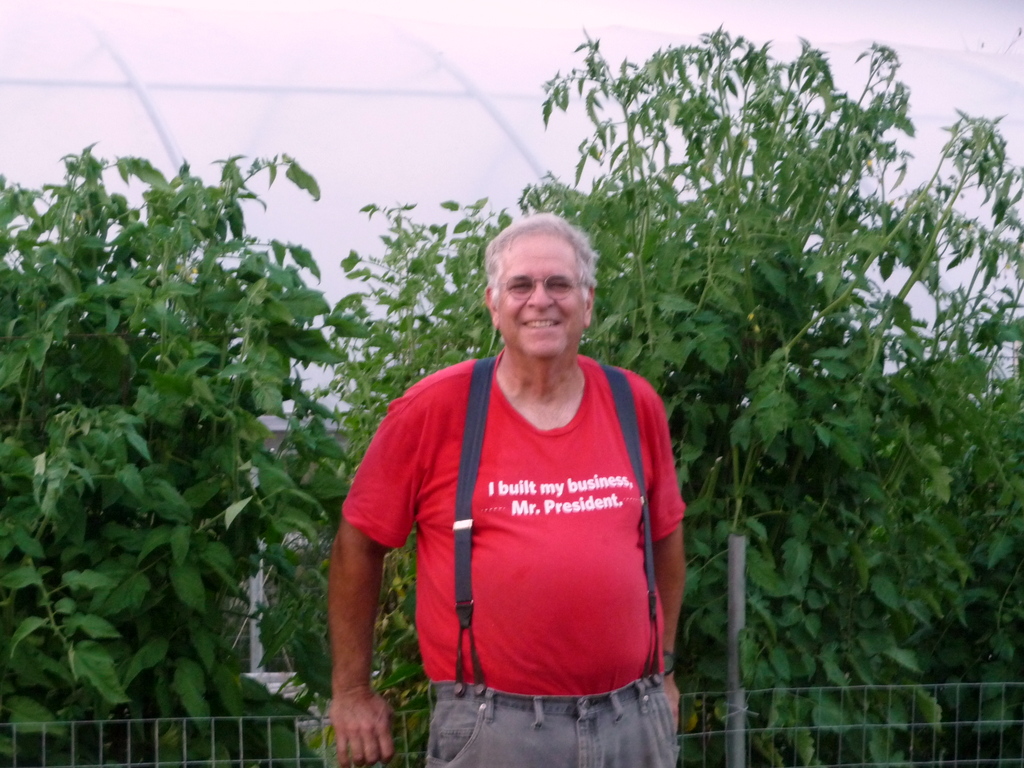
I prefer to cage my tomatoes for better foliage cover to reduce the chance of sun-scald. Heirloom tomatoes have superior taste and texture. However, the plants can exceed the size of the cage!! Next year I plan to grow the plants on 5 foot centers to allow for easier harvesting and increased air circulation.
BTW, the plant to the left of Papa is a variety called Granny Cantrell. This beloved heirloom has quite a following. The plant to the right is Daniel’s, which produces very large pink red fruit and appears to be well suited for our Missouri Ozarks climate.
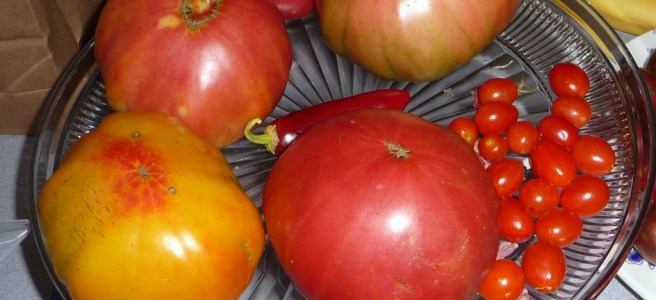
The above variety has the unusual name of “1884”. The plant was discovered after a flood in West Virginia in 1884. This beauty weighs in at 1 pound 10 ounces. BLT sandwiches are written all over it!!!!
Kellog’s Breakfast is the name of this bright yellow/orange sweet confection. Boasting a good balance of sweetness and acidity with few seeds make Kellog’s Breakfast a highly desirable choice.
The expanded list of tomatoes grown are:
1884 – large pink/red beefsteak
Black Prince – small purple/red 2-3 oz
Black from Tula – medium red/purple, meaty/few seeds
Coyne – red Roma type, large 4-8 oz
Daniel’s – large pink/red beefsteak, many over a pound
German Johnson – medium pink/red beefsteak, one of the parents of Branywine
Granny Cantrell – medium/large pink/red beefsteak, plants are huge!
Hannah – medium/large, pink/red oxheart, meaty, few seeds
Hazelfield Farm – pink/red, medium beefsteak, well adapted to hot/humid
Kellog’s Breakfast – large yellow/orange beefsteak, sweet and meaty
Mary Robinson German Bicolor – large, red/yellow, beefsteak
Omar’s Lebanese – large pink/red, may exceed 3 pounds
Pineapple – large, yellow/red, very sweet and juicy
Pink Boar – pink with green streaks, small 3-4 oz
Rutgers – small, orange/red old fashioned for canning, juicing
San Marzano Lungo #2 – 3-4 0z Roma type for sauce and paste
It never ceases to amaze me, how traditional tomato eaters are about the color of their tomatoes. As one man said to me “If it ain’t red, I ain’t going to eat it”. However, when they try the different colored tomatoes, they often change their mind.
For the Ozarks, start your tomato seeds the second week of May and plant your seedlings the first of July. Your tomatoes will start coming in by late August through October. BTW, for you market gardeners, late tomatoes command a higher price by late September/October due to limited supply.
Plant late, I promise you, you will not be disappointed!
Garden peas and sugar snap peas were planted a week ago! They should be up in about a week.
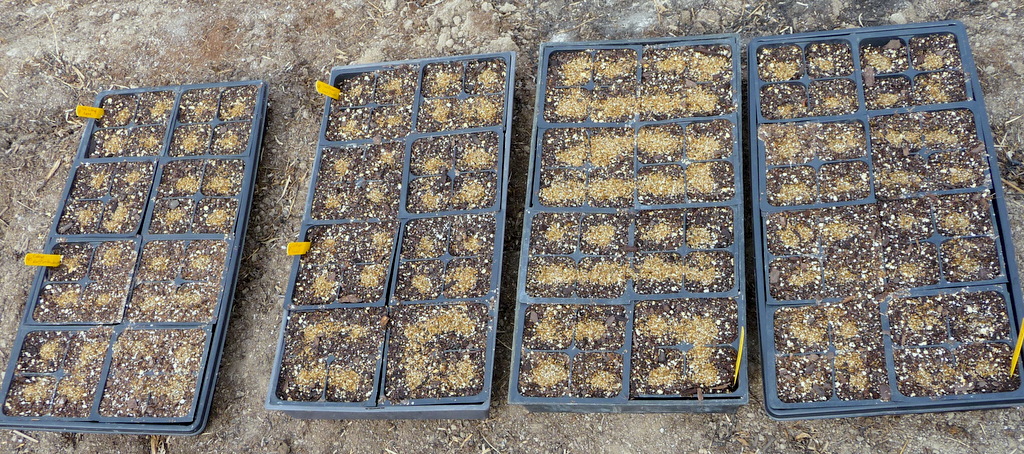
Bachelor Buttons, Shasta Daisy, Pansies, Snap Dragons, Marigolds, Foxglove and other flower seed were planted in cell trays. Broccoli, Cabbage and Cauliflower were started as well.
Tomato and Pepper seed will be planted tomorrow. Full production has started in earnest!
Flowers have started to bloom. The Crocus and jonquils are showing their lovely blooms!
You desire to grow some late tomatoes, but you didn’t start more seed. What do you do?
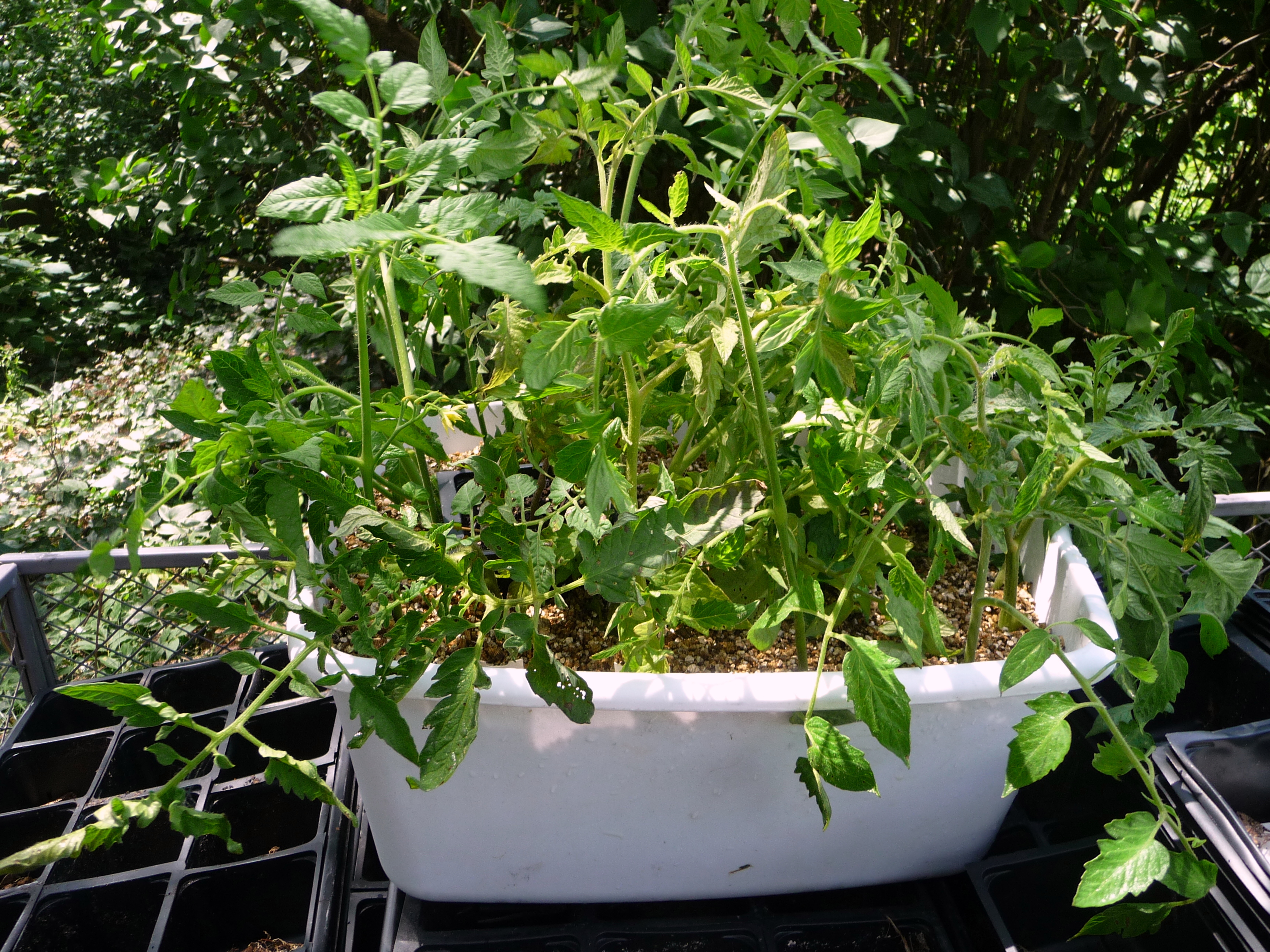
Take an old shallow container, drill holes in the bottom and root tomato cuttings in vermiculite and water. It’s actually pretty simple. Tomato plants are actually very tough.
Find a container that will hold coarse vermiculite and water ( a plastic dishpan works great!!). Drill several 3/8 inch holes in the bottom of the container. By the way, you may use a large shallow nursery pot as well. Now place about 3 to 4 inches of coarse vermiculite in the container. Water the vermiculite to supply moisture to the cuttings. Allow excess water to drain prior to taking cuttings.
Carefully take cuttings from desired tomato plants using garden pruners. I have found, the larger the cutting, the easier to root! Place the cuttings in the moistened vermiculite about 3 inches apart. I place my rooting container in the shade to maintain proper hydration of the new cuttings. Usually it takes 10 to 14 days for proper rooting.
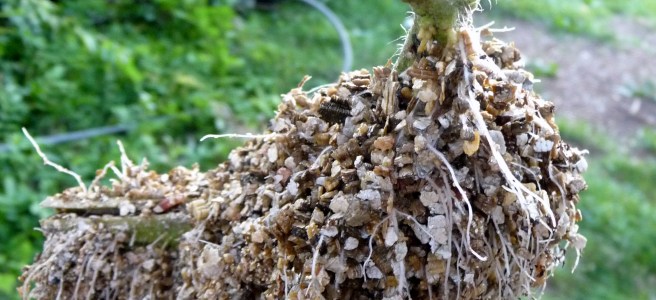
You may notice raised bumps or even small roots starting on the stem. These cuttings are the easiest to root.
Look at the results after just 10 days.
Now it is time to pot up your rooted cuttings in large containers to use for transplant in 10 days.
Water the newly potted cuttings and place in a lightly shaded area. Gradually move the pots into more sun light. Plant the potted plants as you would any transplant.
This an easy, effective way to start large, quick growing tomato plants.
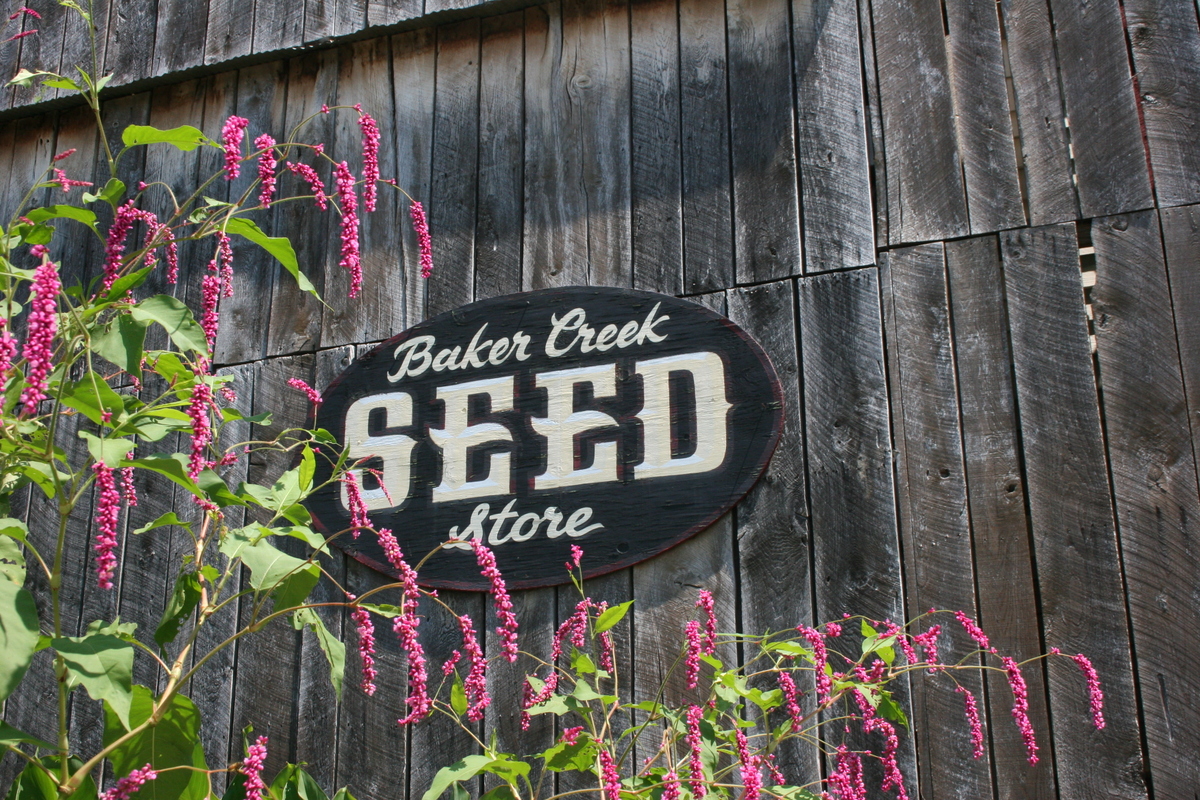
Sunday, June 5, I will have a vendor space during the Baker Creek* monthly Heritage Days festival.
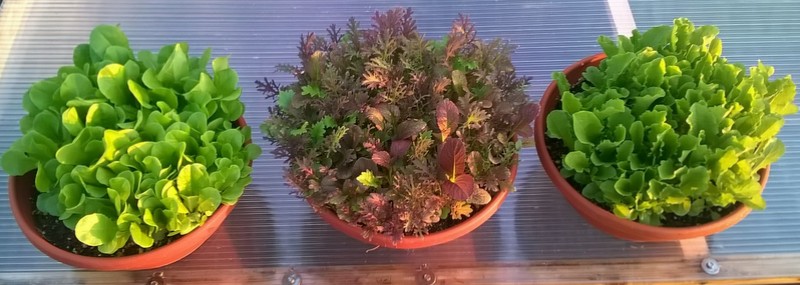
I will be selling tomato and hot/ sweet pepper transplants. In addition I will have potted June bearing strawberry plants, Hollyhocks, Annual Phlox and Lettuce bowls for sale.
.
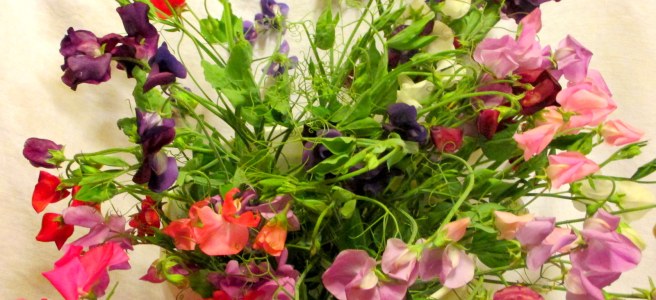
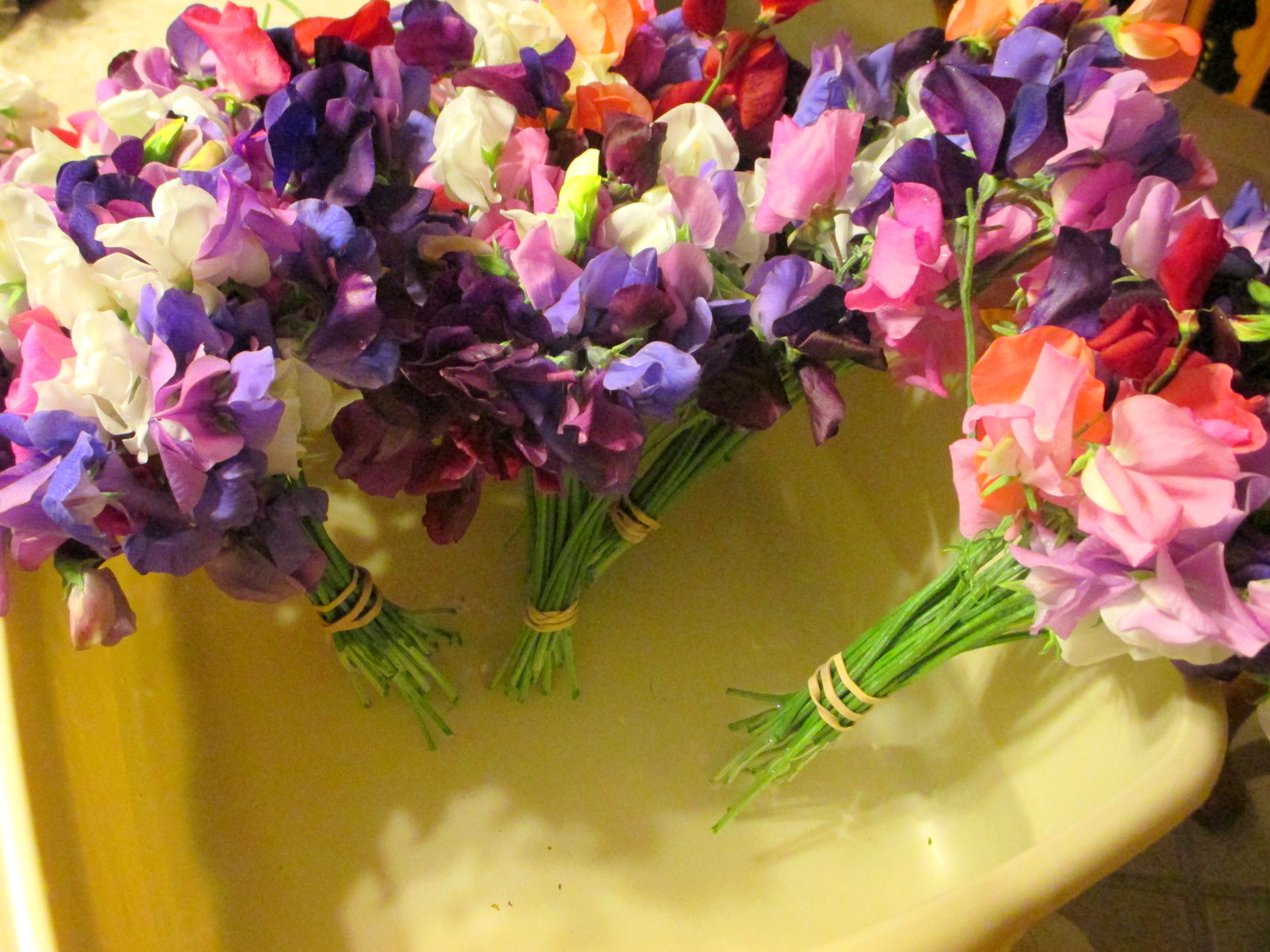
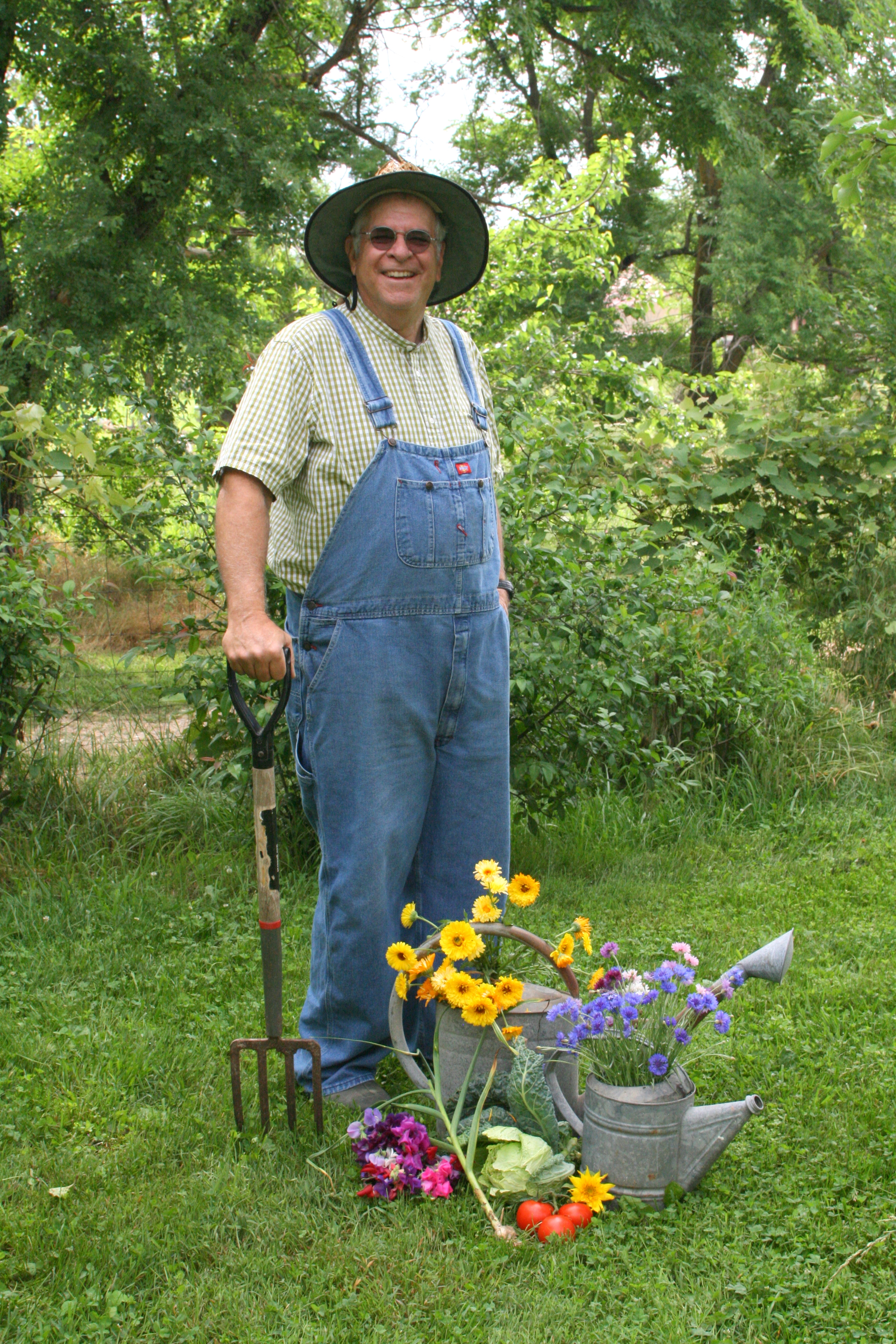
I will be featuring my Sweet Peas as cut flowers. They are colorful and fragrant.These may be purchased by the stem or in a bouquet.
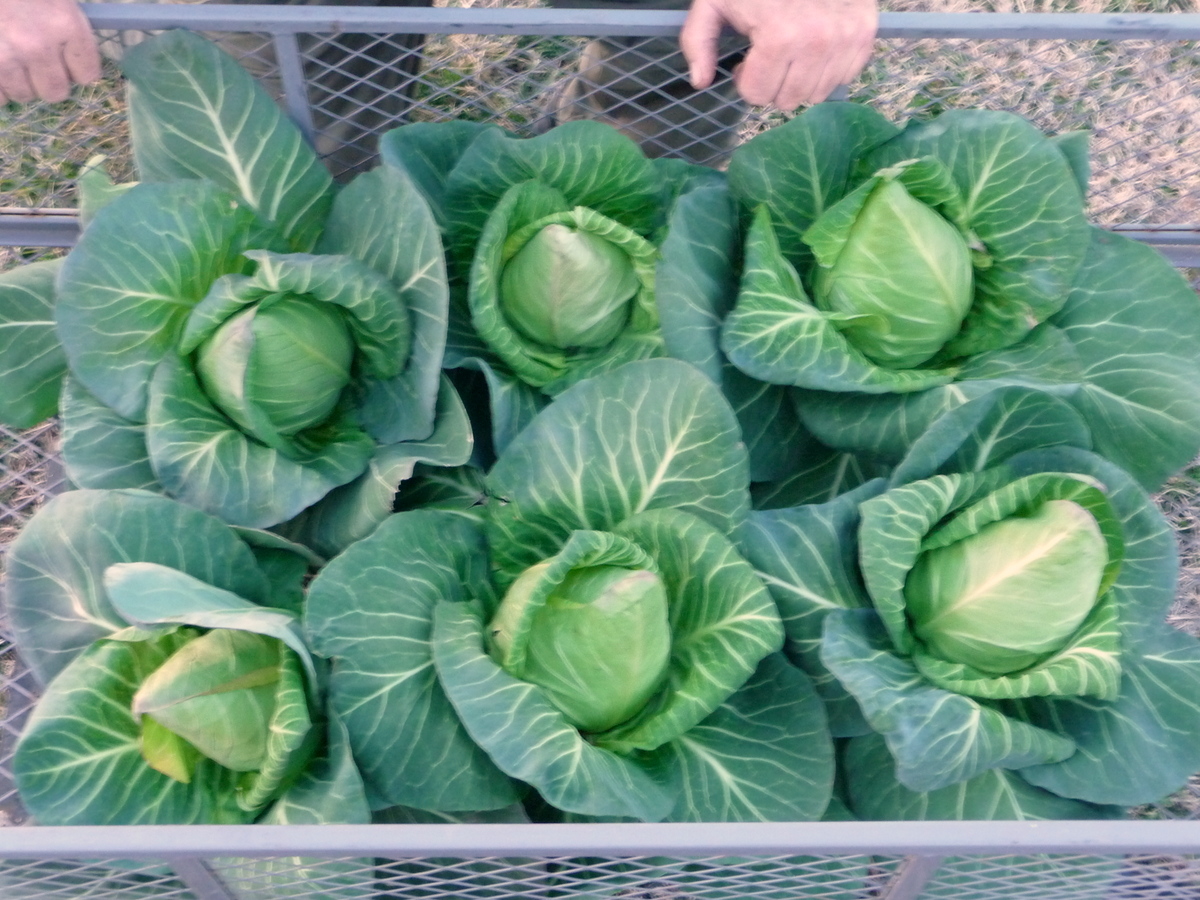
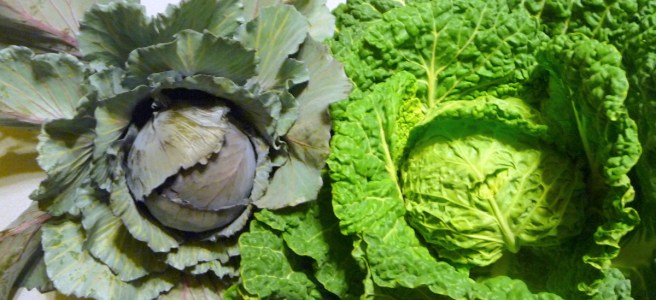
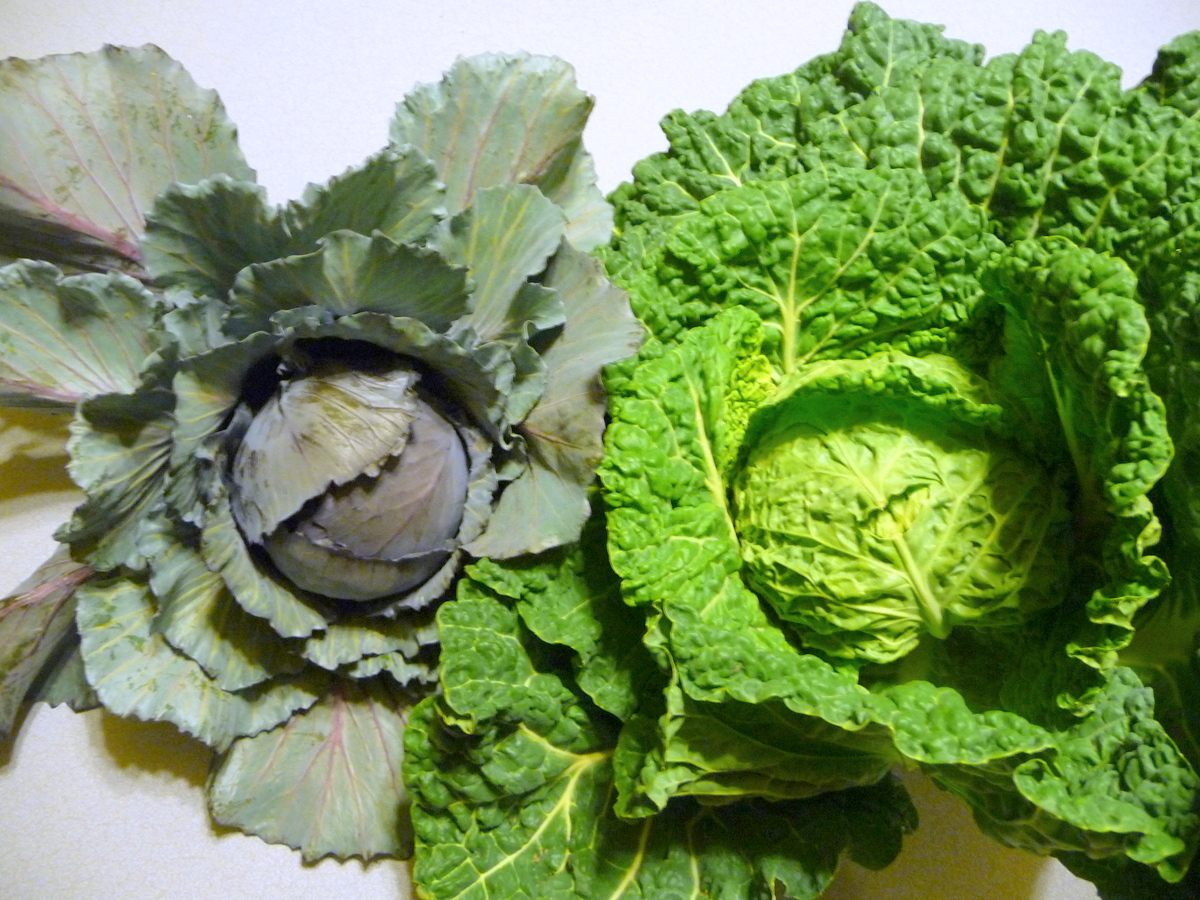
Recently I harvested two varieties of heirloom cabbage.
Red Express cabbage is a compact red cabbage which harvests in 60 – 65 days. The compact nature allow for closer planting which is a plus. Red Express has great resistance to aphids and cabbage worms. The flavor is mildly sweet eaten raw and it is wonderful pickled.
Aubervilliers savoy cabbage produces mature cabbage in 80 days. This beautiful crinkled cabbage has a mild sweet cabbage flavor. The savoy leaves make this variety a good fit for garnishes, stuffed cabbage and coleslaw.
Red Express cabbage and Aubervilliers cabbage.
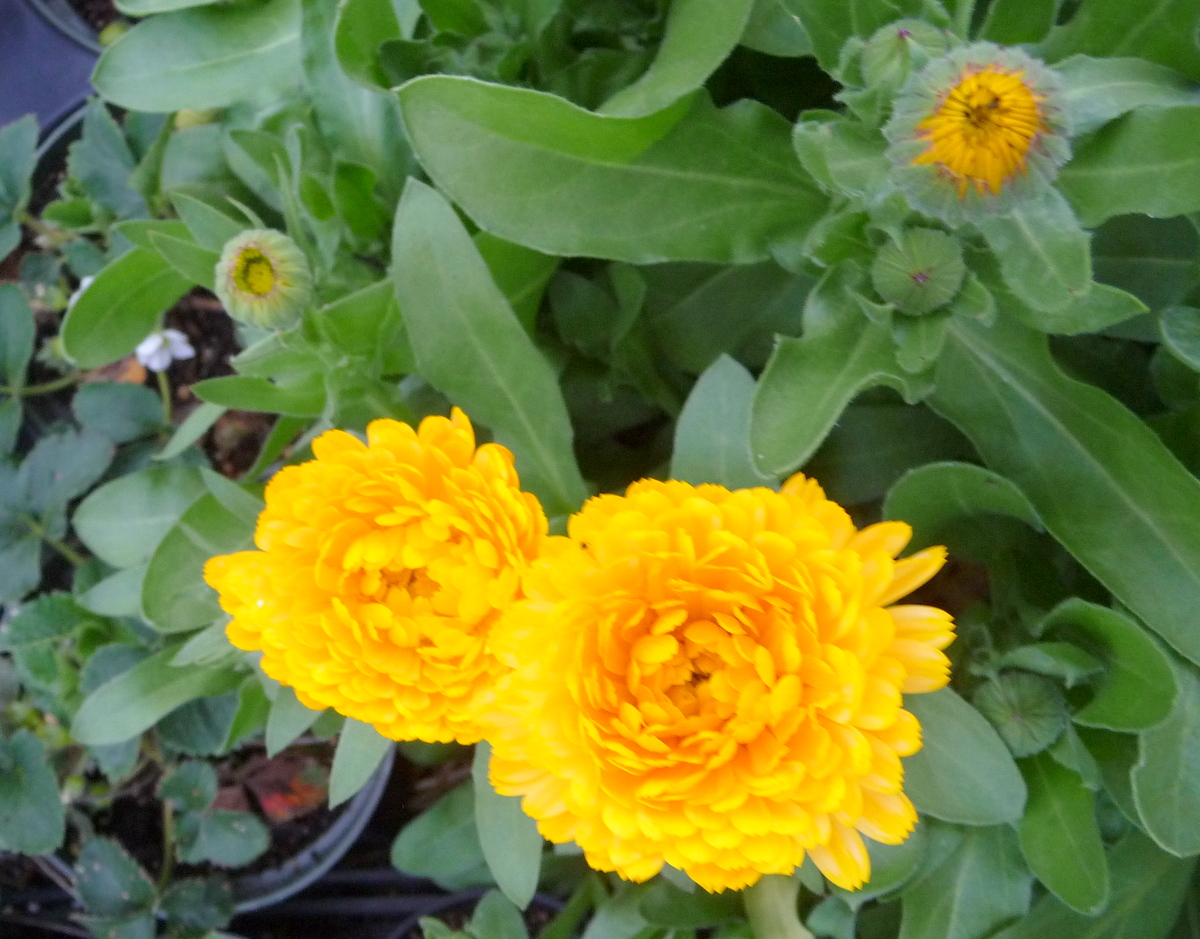
Calendula Kablouna: Heirloom known for mildew resistance.
Originally, Calendula was called Pot Marigold and used as a cool season flowering plant. However, the Indian Prince series is known for flowering June through October. It can be used as a bedding and potted plant. I enjoy them as cut flowers in smaller arrangements and bouquets.
Direct seeding to flower is 70 days. Grow with your cole crops [Cauliflower, Broccoli, Cabbage and Greens] . They make a beautiful border and look equally beautiful interplanted in the garden.
Orange petaled varieties are used as a saffron substitute, a “poor man’s saffron”. Please remember, do not use chemical sprays (insecticide) on the plants or flowers, as this will render them inedible.
Yes, Calendula is an edible flower. Salads, soups and garnishes take on more interest and color when they are incorporated. The greens are edible as well but use sparingly as they can be bitter.
Calendula can been used as a beautiful yellow dye. When the blooms are dried the petals can also be added to potpourris.
Calendula has long been known to sooth the skin and can be used in lotions and oils. Calendula tinctures, ointments, and washes are often applied to the skin to help burns, bruises and cuts heal faster.
This versatile flower is deserving of your garden, don’t you think?



















 Papas Gardens