2015 Texas Master Gardener Conference

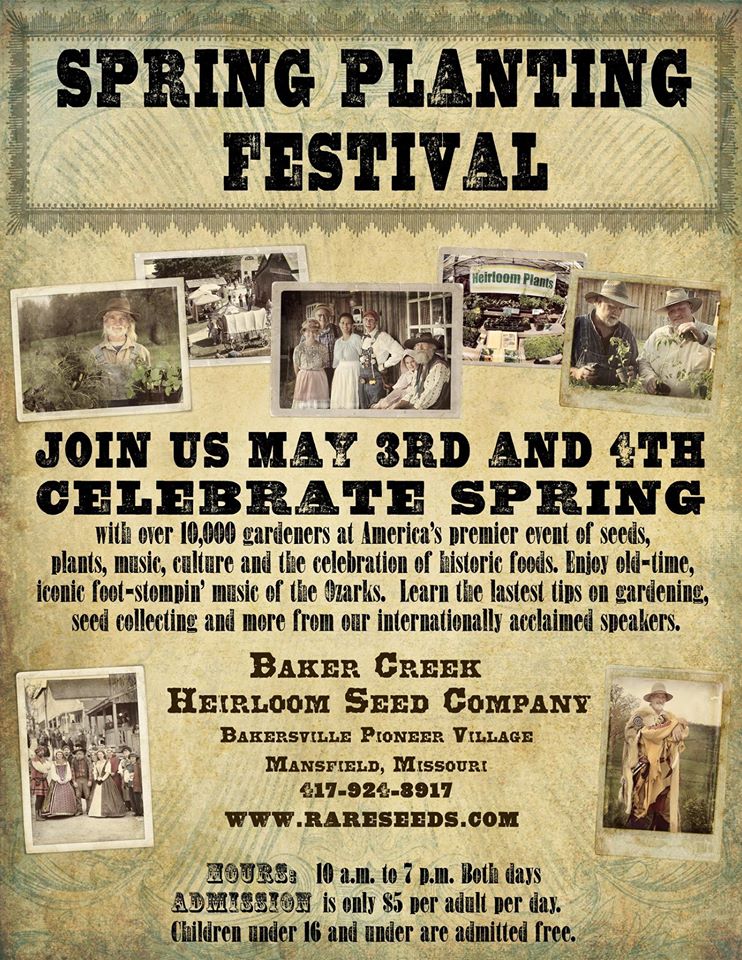
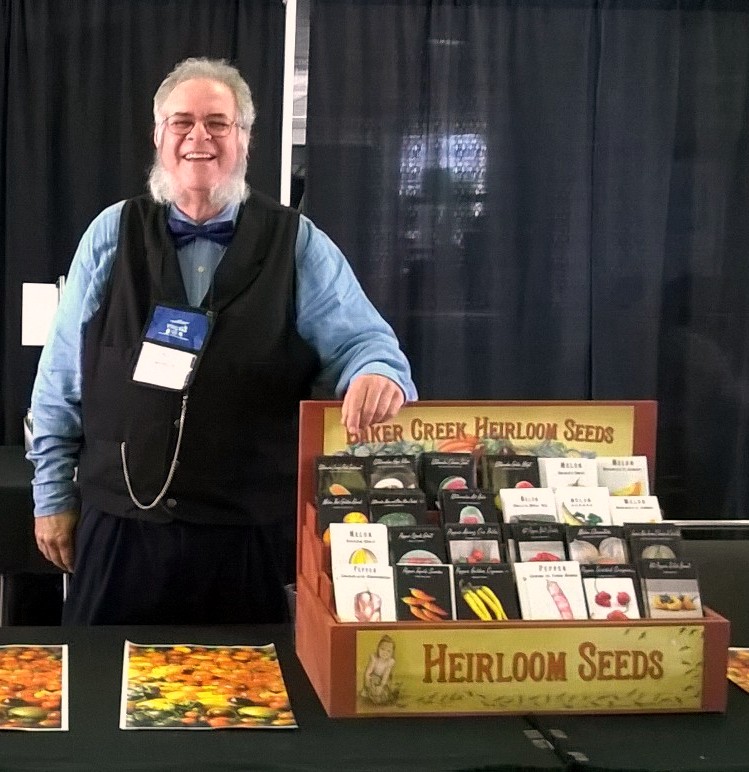
It was an absolute pleasure serving and presenting at the 2015 Texas Master Gardener Conference in Belton, Texas. Kudos to Baker Creek Heirloom Seed Company for sending me as an ambassador and teacher. I enjoyed attending and making new friends who have a passion for all things gardening.

Saving Heirloom Seed was my presentation this afternoon. The Master Gardeners were very attentive and had many questions. What an appreciative group!

WP_20150417_09_18_41_Pro

Leaf Miner, huh? What’s a Leaf Miner?

Jan  My organic garden plague is leaf miners! Suggestions?

I get this picture in my mind of a small creature with a miner’s hat and a pick. In reality, they are the larvae of a fly that burrow through leaves. Usually the damage is not aesthetically pleasing. However, if left unchecked, leaf miners can cause major damage.

Here are some solutions:

  1. Monitoring – kill leaf miner larvae in the leaf if possible.
  2. Nutrition –  a healthy plant has thicker, healthier leaves. Plus, biochemically, the plant is not as appealing to the leaf miner.
  3. Floating Row Covers – creates a mechanical barrier that keeps the leaf miner fly away from the crop.
  4. Parasitic Wasp – Diglyphus isaea is a parasitic wasp that prey on the larvae of the leaf miner fly.
  5. Neem Oil – Neem Oil may break the life cycle of the leaf miner larvae to keep them from growing to maturity.

Getting rid of this pest takes diligence!

What to do about slugs and snails, naturally!

Lindsay  – Snails! I really REALLY make every effort to garden organically, but I am having an infestation of snails, and am stumped as to what to do about it.

There are many natural solutions for slugs and snails.

  1. Sanitation is key! Make sure there is no debris for them to hide. Do not plant next to a compost pile.
  2. Plant trap crops for them to eat. Marigolds, brassicas, melons, lettuce,strawberries, etc. are great attractants of slugs and snails.
  3. Plant resistant plant varieties – lavender, rosemary, sage, wormwood, impatiens, poppies, geraniums, etc.
  4. Barriers – copper strips, Diatomaceous Earth, sand, and wood ashes. Be careful with wood ashes! You could make your soil pH go sky high!
  5. Traps – stale beer in containers at ground level, melon halves turned upside down, untreated wood boards laid on top of the ground.
  6. Guinea fowl will eat them. They shouldn’t eat your crops!
  7. Encourage your Lightning Bugs – their larvae eat slugs and snails!!!
  8. Iron phosphate baits such as Sluggo® or Escar-Go®

That’s quite an arsenal!

Papa

What are these worms? Ugh!!

Gardening Question:
I am new to gardening and have a few small containers of sweet pea seeds I was attempting to germinate. After realizing that they were not coming up as they should, I poked around in the dirt to find small white maggot type worms attached to the seeds which had pretty well turned to mush. The worms were very very small (only a cm. or 2 in length, but visibly moving). I am wondering what this pest is, and how it may have gotten into my seeds. I purchased a seed-starting mix from a reputable nursery in my area and they assured me it was what they use to start all of their seeds. All of my other plants have thrived and I’ve not had this issue arise. Could they have come along with that particular package of seeds since my other plants came up with no problems? Any information would be greatly appreciated. I, of course, tossed out the containers and sterilized them in hopes of preventing contamination to my other plants.
Flies and gnats are such annoying creatures! Here’s what happened. Flies or gnats detected the rotting seeds below the soil surface. They laid eggs, which created maggots that burrowed into the soil to eat the seeds. This is nature’s design.
In the future, soak the sweet pea seeds overnight and start in small containers. Once the seed germinates, allow the seedlings to grow for about 10 days. Place outside on a cool day (not freezing!). Plant in the ground next to trellises or teepees and watch them grow! Plus, enjoy their sweet fragrance.
-Art

Question: Help! What do I do for peach tree borers?

Hi, my name is Kristina . I have a question concerning my peach tree. Last summer it got infected with borers (I was told these are a type of moth??). Anyway, the tree company I was with at the time couldn’t do anything about the borers since it wasn’t until late July early August that we saw the sap coming out of my tree. So I poured nematodes on the soil around my tree and in to the holes that were sapping. I did this 3 different times 3 weeks apart while I hung moth balls in a sock on the tree too. I am being told now by a new tree company that they don’t do pesticides for borers until June, since the borers aren’t active until then. My question is, what would you do for this peach tree? Should I just wait until June or can I be doing something more to help my tree that I don’t want to lose. Thanks
Here’s what you do! Spray the trunk of the peach tree with a strong solution of Neem Oil and water (3 tablespoons to the gallon of water and a little dish soap) Spray to the point of puddling around the trunk. The Neem Oil will either out right kill the worm or interrupt the worms life cycle, which will also kill the worm. You need to spray at 14 day intervals (twice) to be effective.
You will build up the immunity of the peach tree by spraying  and drenching the tree with seaweed emulsion (i.e. Maxicrop®), at one (1) tablespoon per gallon.
-Art

Why won’t my Basil and Sage Germinate?

A question came today – Why won’t my Basil and Sage Germinate?

Some seeds require light to germinate. Basil, lettuce, marjoram, mint, oregano, sage and thyme need to be planted with no covering of soil to germinate. Sow seed directly on top of the soil, water in and cover the flats or pots with glass, plastic or plastic domes to retain humidity. Within a few days the seed will germinate into the soil. The clear covering may then be removed after a few more days.

-Art

Harvested Spinach, Planted Flowering Trees and Poppies and Good News!!

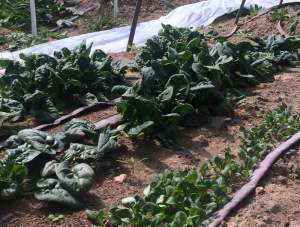
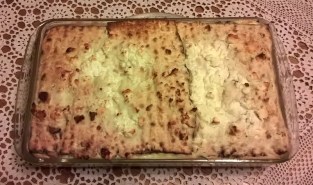
Beautiful and flavorful spinach was harvested today. Our first harvest resulted in a Spinach and Feta Matzoh Pie. I found the recipe from http://www.wholefoodsmarket.com/recipe/spinach-and-feta-matzoh-pie

IMG_0874-001WP_20150412_21_06_59_Pro.

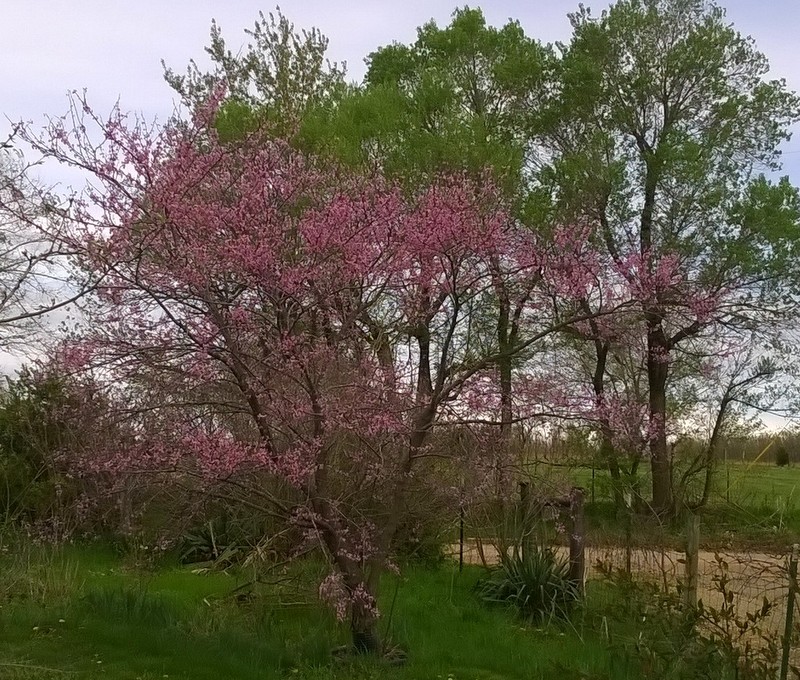
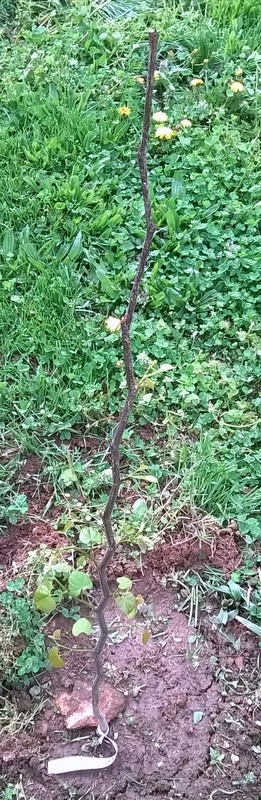
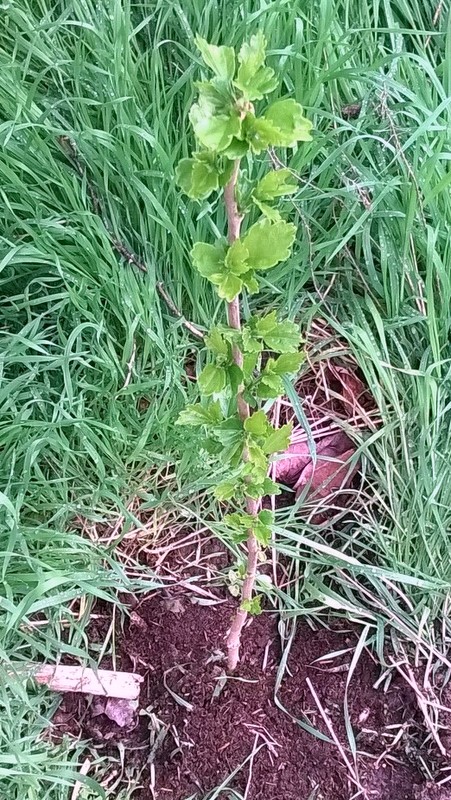
Redbud, Rose of Sharon and a Tulip Tree were planted on the east side  of our property. In particular, the Rose of Sharon will invite more Hummingbirds, which we enjoy.

WP_20150413_10_07_28_Pro Redbud Rose of Sharon

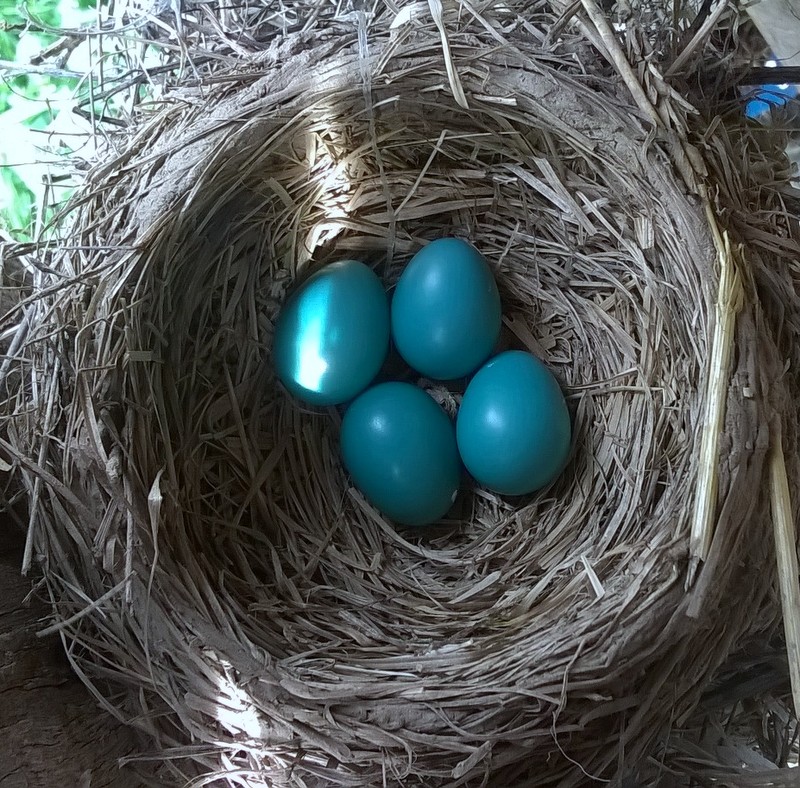
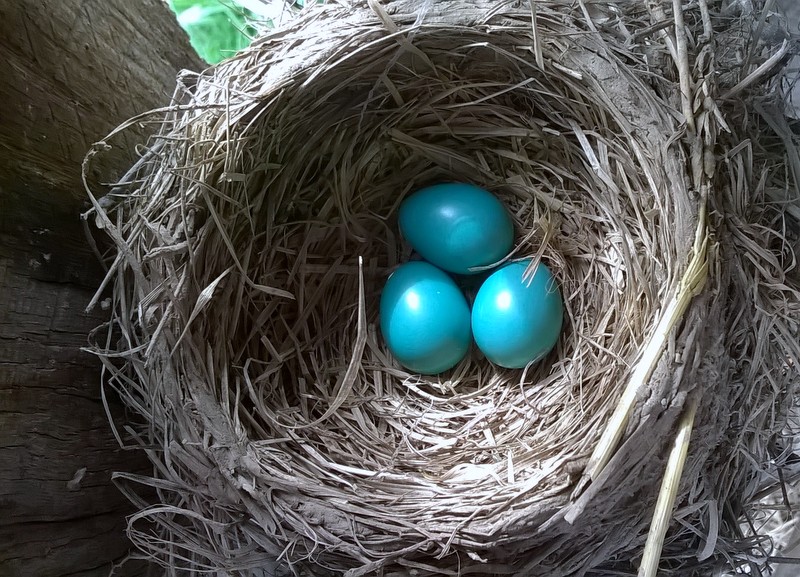
Good News! Mrs. Robin has returned to her nest. Now there are four eggs.

Robin Nest