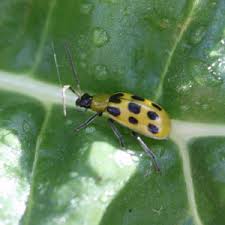
Ugh, here we go again. Those nasty squash bugs are back! I really wanted to grow zucchini and yellow crookneck. Why waste my time! I hear this over and over again.
Now, there is a solution. Trap Crops!
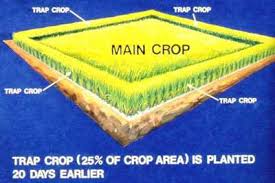
- Plants that are planted next to a squash crop to attract pests as either a food source (pollen/nectar) or an egg/larval site.
- Attract pests to the border areas, where they can be killed. Pests on the unsprayed crop will be reduced.
- Exploiting the squash bugs special appetite.
- Intercepting the pest from the edges.
- Check trap crop three (3) times per week.
Plant Red Kuri squash, Blue Hubbard Squash and Buttercup squash (as a trap crop) three (3) weeks prior to planting summer squash, winter squash, cucumber, cantaloupe and watermelon. The trap crop should be seeded in pots for transplanting, prior to direct seeding squash, cucumber and melons. Monitor for squash bugs to determine if treatment is needed on the trap crop.
Plant Red Kuri or Blue Hubbard or Buttercup squash transplants either surrounding, adjacent, at the four corners or in containers next to the crop.
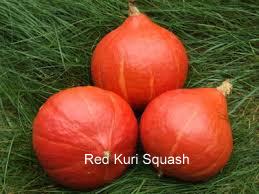
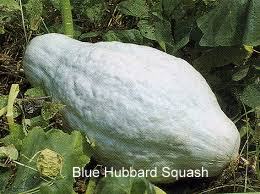
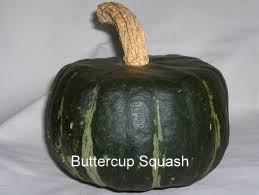
Monitor for squash bugs.
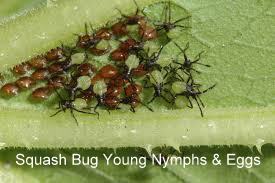
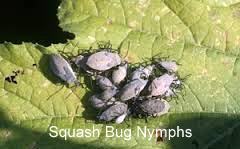
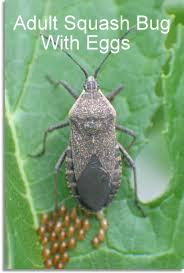
Spot spray the squash bugs on the trap crop with a*pyrethrin insecticide. It may be necessary to spray the entire trap crop when the population threshold is exceeded. In other words, the squash bugs have infested the entire trap crop with eggs, larvae and adults.
*Pyrethrin insecticides – Evergreen Pyrethrum Concentrate, *OMRI Listed
PyGanic® Crop Protection EC 5.0 II, *OMRI Listed
* OMRI Listed: The Organic Materials Review Institute (OMRI) is a national nonprofit organization that determines which input products are allowed for use in organic production and processing. OMRI Listed—or approved—products may be used on operations that are certified organic under the USDA National Organic Program.
Caution – You must read the label!! The label is the law!! Pyrethrins will instantly kill any insect that is sprayed. That includes beneficial insects (honey bees, bumble bees, lady bugs, parasitic wasps, etc.). Be very careful!! Remember, squash crops, cucumbers, and melons are dependent upon pollinators to produce fruit.
When you follow these steps you will enjoy a fruitful harvest. Let me know of your success!
Papa
You may purchase the above varieties of squash at Baker Creek Heirloom Seed Company by clicking on the links below.
http://www.rareseeds.com/red-kuri-squa-hokkaido-/
 Papas Gardens