Little or No Flower Heads On my Broccoli! Huh?

I’ve grown broccoli for the last two years and all I get are huge plants with either little or no flower heads. What seems to be the problem?Broccoli
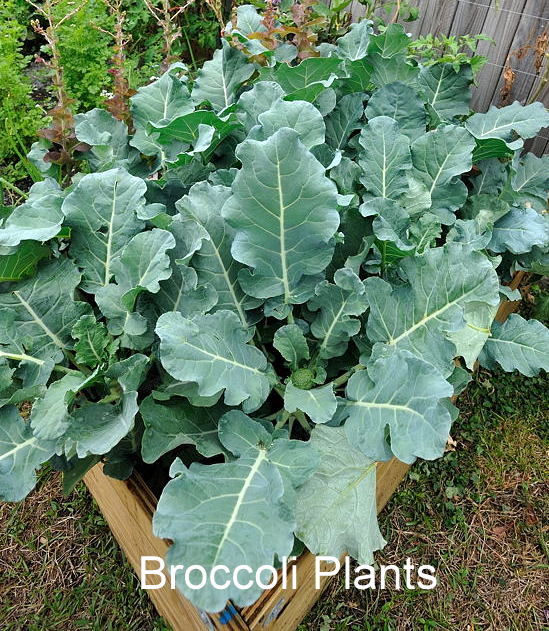
Timing is key!! Broccoli likes to stay cool.

Causes of no or poor flower heading:

  • Alternating periods of abnormal high temperatures followed by abnormal low temperatures stresses the plant  and causes heading to come to a complete halt.
  • Stress brought on by drought or inadequate moisture.
  • Excessive nitrogen can cause huge healthy plants with little or no head production.
  • Transplanting too late with root bound plants will keep the broccoli from heading.
  • Transplants when exposed to temperature of 40 degrees and below for 1 – 2 weeks triggers heads to form too early or not at all.
  • Transplants not properly hardened off will be stressed and perform poorly. http://papasgardens.com/2015/04/24/what-does-it-mean-to-harden-off-seedlings/
  • Overcrowding results in either little or no head formation due to competition for adequate water and nutrient.

Prevention:

  • Proper timing of transplanting for your specific area. Your County Cooperative Extension Service will supply the dates for planting.
  • Proper planting of transplants 2 feet apart.
  • Even supply of moisture. Drip irrigation is best.
  • Balanced nutrition/fertilization. Avoid excessive applications of nitrogen.
  • Proper hardening off of transplants.
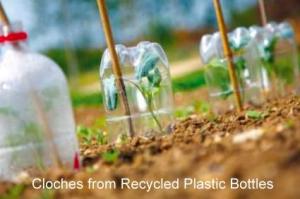
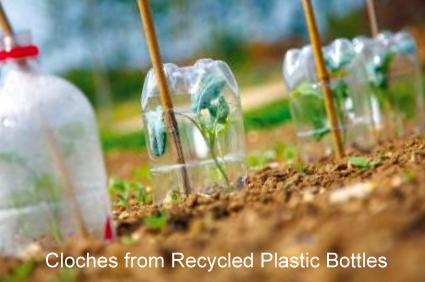
  • Cover planting when temperatures drop below 50 degrees. Low tunnels with floating row cover or cloches will provide protection. Drawing low tunnels
  • plastic-bottle-clochesPlant in Fall.
    • Decreased pest pressure.
    • Plants are usually stronger. The flower heads are bigger.
    • Plants grow better into cooler weather.
    • Sow seeds for transplants 10 – 12 weeks before first frost.
    • Set transplants 2 feet apart for extended season planting.
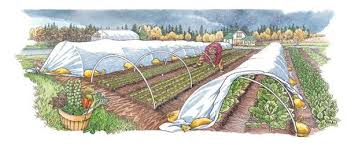
Broccoli are sensitive to their environment. When treated with care, they will reward you!

Papa
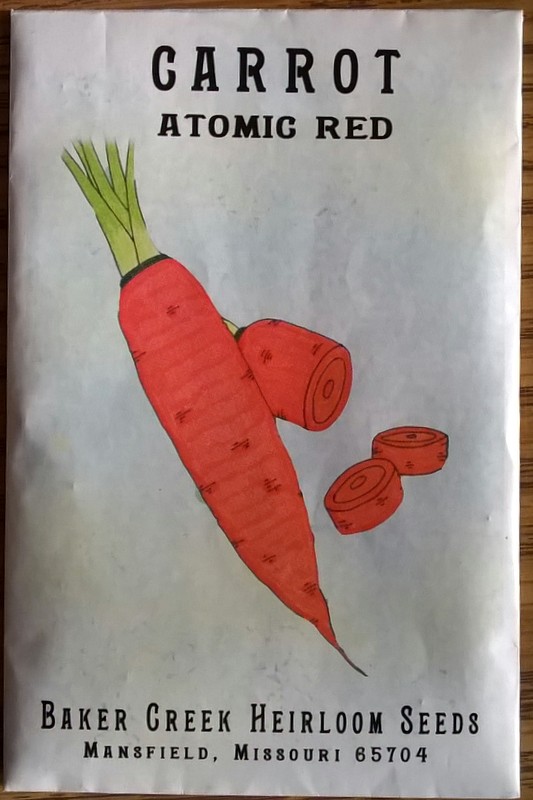
Decisions, Decisions Buying Packs of Seed!

You’re poring over your seed catalog, looking at seed online or better yet choosing your seed in the seed store. Hopefully, you’ve narrowed your choices. Making a list is a wise way to finally make your decision.

Let’s see what the seed packet says. The description should entice you to consider your options.

  • Title of pack – the variety and color
  • Catalog number, Lot number, amount of seed, cost, sell by date
  • Days to maturity –
    • Direct sowing of  seeds- days from the time you sow the seeds to the time of harvest. i.e. – beets, carrots, beans, peas, kale, lettuce, borage, dill, zinnia, sunflower
    • Transplants from germinated seed – days from time of transplanting into garden to the time of harvest. i.e. – cabbage, broccoli, cauliflower, brussels sprouts, tomato, pepper, eggplant, basil, thyme, petunia, snapdragon
  • A more detailed description of variety – color, height/length, weight, health benefit and overall appeal.
  • Detailed planting instructions – seasons for sowing, planting depth, seedling care, possible succession planting (timed, multiple sowing), soil requirements, temperature requirements, moisture requirements.
  • Seed company – pertinent company information

Happy Planting!!!!!

WP_20150428_18_47_24_ProWP_20150428_18_47_36_Pro

What Does it Mean to “Harden Off” Seedlings?

I often get this question this time of year. You can hardly wait to get your tomatoes in the ground! You’ve grown the plants out with great care. You’ve babied them.

You desperately want to plant them in the ground.  You take your hand or trowel and plant them in the cold ground. You water the seedlings and hope they will quickly grow. Uh oh, something is wrong! For some reason the plants don’t look so good after a couple of days in the soil. They look like they are burnt or dying. What did I do wrong?

Here are the steps you must take for  successful transplant.

  1. A seedling must be 45 – 60 days old prior to transplanting into your garden or container.
  2. Seven (7) to 10 days prior to transplant, start to wean the plants to use less water. Only water enough to prevent wilting.
  3. Treat your seedlings with seaweed emulsion, either by spraying or watering with a one (1) tablespoon per gallon of water solution.
  4. Take the seedlings outside for 2 hours the first day. Make sure you do this on a warm day with little wind. A cold wind could damage the seedlings. If you are using a cold frame*, completely opening the lid. Use the same guidelines as above.
  5. Each day increase the time outside by one (1) to two (2) hours.
  6. By the tenth day the seedlings will be tough enough to take the rigors of full sunlight and wind.
  7. Now you may safely plant your seedlings outside.

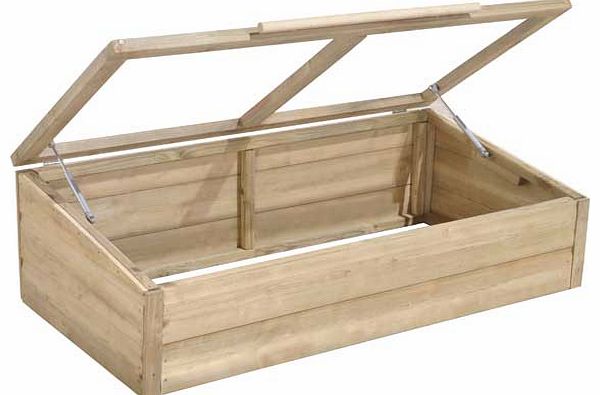
*Cold frame – a box with no bottom that has a hinged or removable clear or translucent top. The top may be opened or closed when the temperature outside is too cold or too warm. The box may be constructed out of  hay/straw bales, glass, poly carbonate, wood, etc.

cold-frame

Transplant Progress of Coyne and Hannah Tomatoes

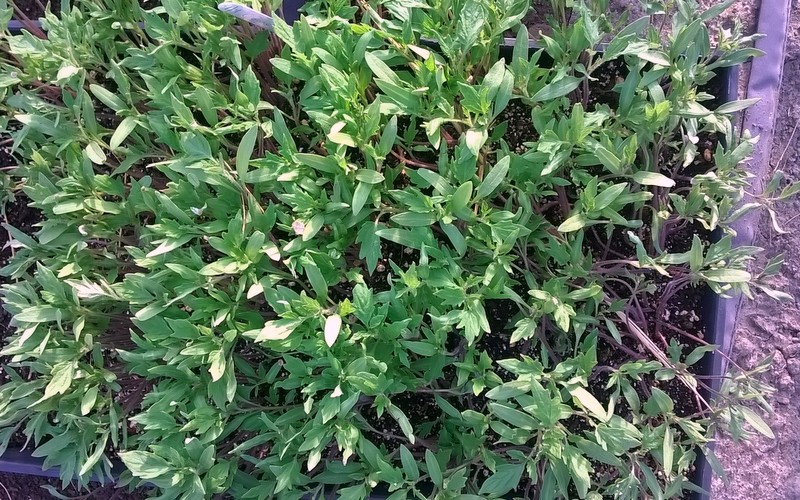
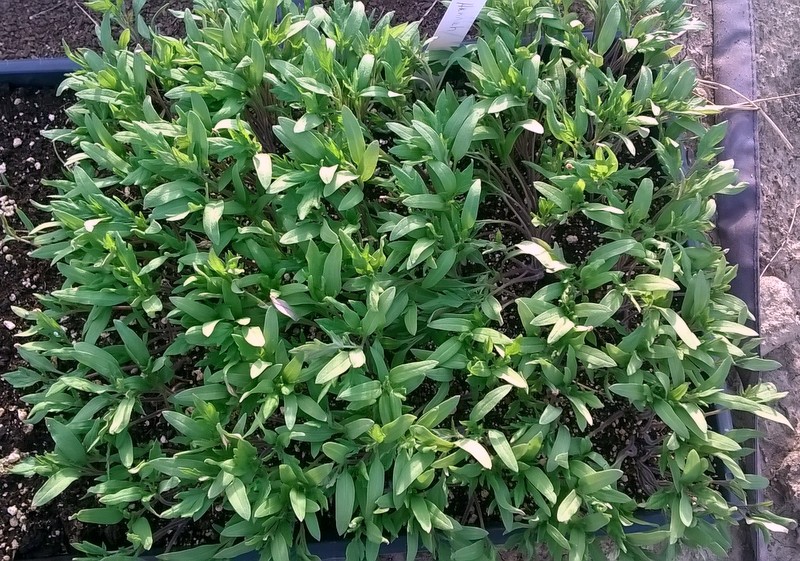
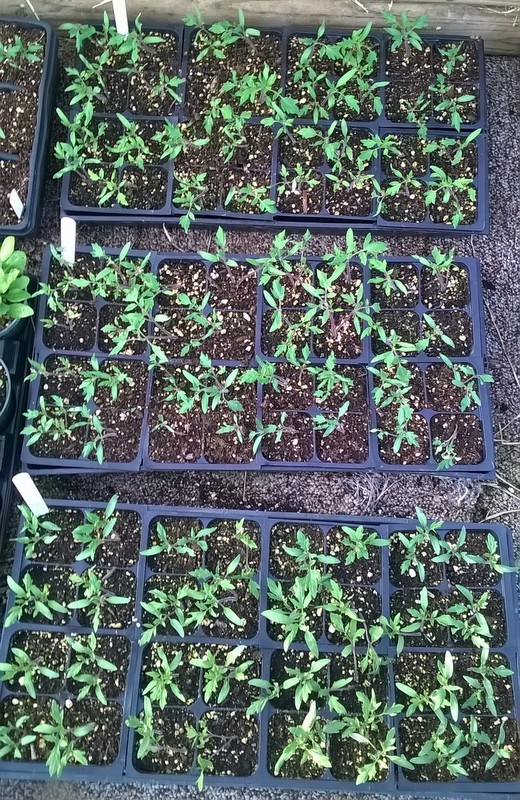
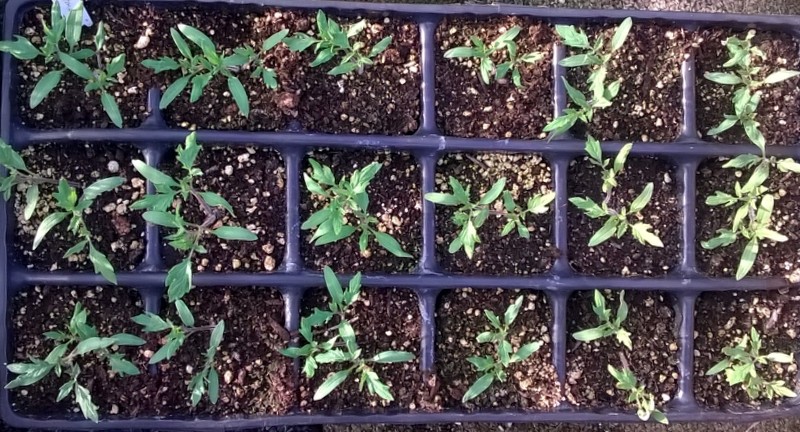
The Coyne and Hannah German Heirloom tomatoes were started on April 4th. It is amazing to see the progress from seed into seed flats, then transplanted into cell flats. They are continuing to grow in the cold frames. Plus, the cooler growing temperatures and fresh air is making the transplants more sturdy. Hopefully, the transplants will be short and stocky when it comes time to plant directly in the garden.

Below you will see the original seed flats and then the transplanted cell flats. Quite a transformation!


WP_20150423_18_46_47_ProWP_20150423_18_46_28_ProWP_20150423_18_52_59_Pro      WP_20150423_18_52_07_Pro